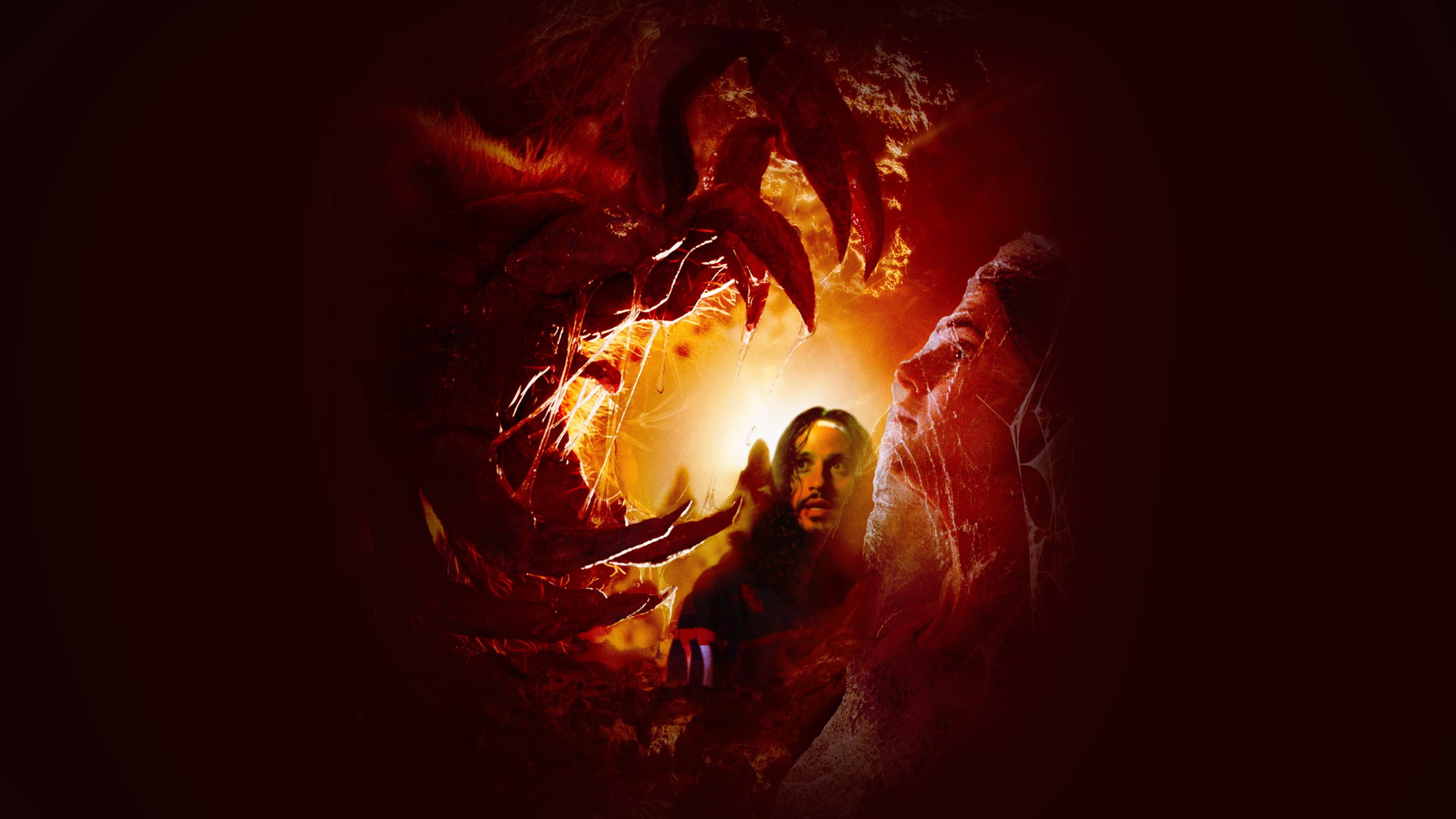
The countdown to annihilation has rarely felt so quietly devastating. In After Impact, director Michiel Rensen trades the usual CGI spectacle of asteroid disaster for something far more intimate and unnerving: the slow, grinding erosion of one man's soul. Released on September 15, 2026, this ninety-five-minute science fiction drama thriller is a Hollywood production that arrives with a modest 5.8/10 TMDb rating, suggesting a polarizing reception. Yet to dismiss it based on that number would be to miss a film that lingers in the mind long after the credits roll, a stark meditation on grief, isolation, and the fragile tether of human connection.
Rensen, who also stars as the film's protagonist, Ethan Nichols, wears multiple hats here. The story begins not with the asteroid, but with a funeral. Ethan has just lost his father, inheriting one of the largest greenhouses in the country - a glass cathedral of life and growth. It's a potent, almost cruel symbol. As the world learns of an approaching asteroid with devastating potential, Ethan's personal loss becomes a microcosm of the global panic. The greenhouse, once a monument to sustaining life, becomes a looming reminder of everything about to be extinguished. Rensen's screenplay wisely avoids the typical disaster-movie tropes; there are no heroic last-minute space missions, no scientists delivering hopeful speeches. Instead, we watch society's fabric fray at the edges. Ethan faces personal betrayal - a theme the film treats with a subtle, painful realism - and a loneliness so profound it feels like a physical weight. His fear isn't just of the asteroid, but of what he might have to become to survive it.
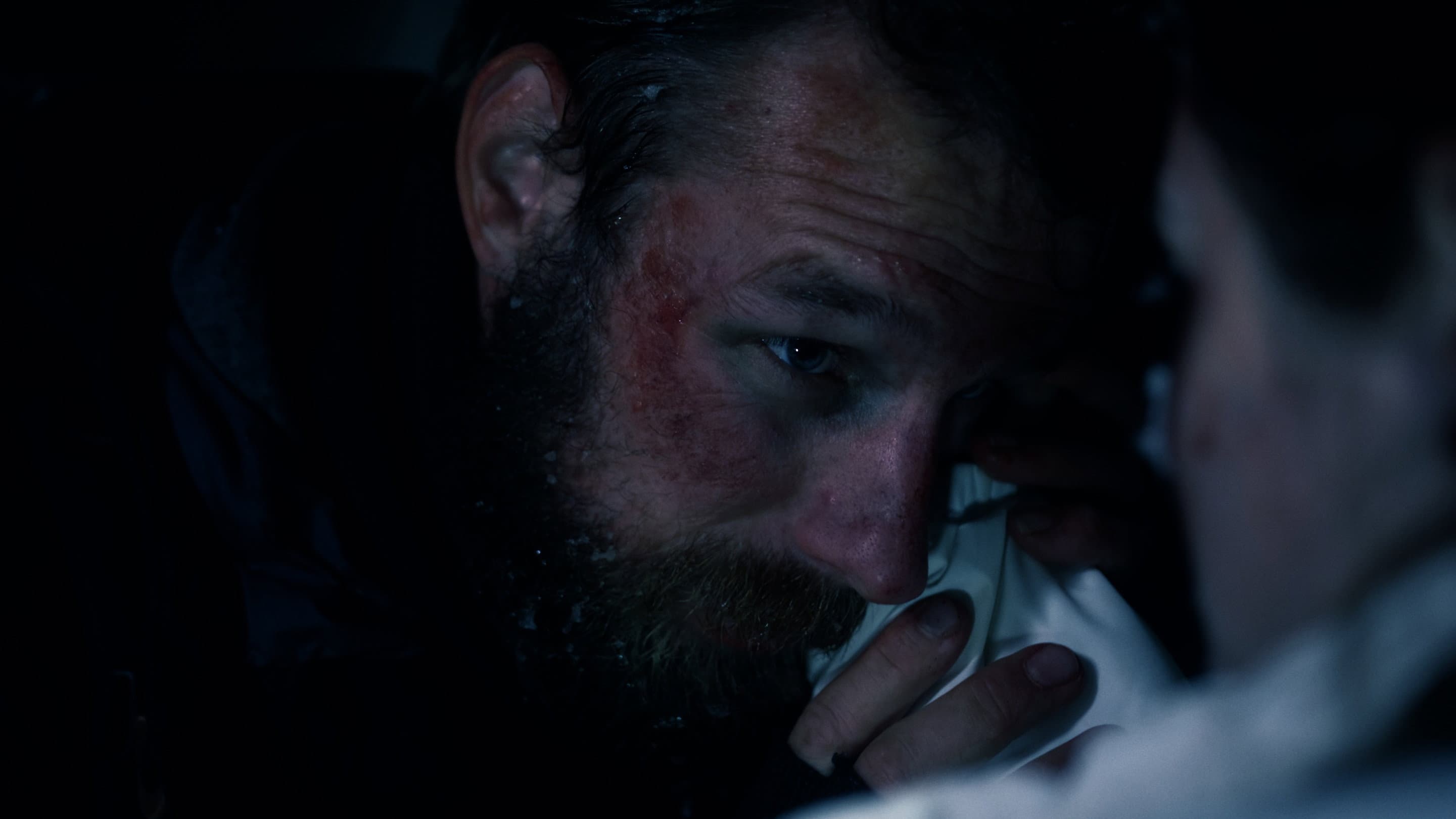
The second act shifts claustrophobically into the family bunker. This is where After Impact truly distinguishes itself. If the first half is a study in mounting dread, the second is a masterclass in endurance. Ethan, recovering from a physical injury sustained during the impact, is left alone in the dark. The film's sound design becomes a character in itself: the hum of a failing generator, the drip of water, and the occasional, terrifying rumble from the surface above. Rensen, as an actor, delivers a largely wordless performance here, relying on his eyes and the set of his jaw to convey an emotional despair that words could never capture.
It's in this darkness that the film finds its most poignant twist. A faint voice crackles over a ham radio. It's Jessie, played by Maxie Li. That single moment - a static-laced, distant human voice - redefines the entire narrative. The film's title, After Impact, suddenly takes on a double meaning: the physical aftermath of the asteroid and the emotional impact of finding a reason to keep going. Li's performance, heard mostly through the crackle of the radio, is a lifeline. She brings a quiet resilience to Jessie that perfectly counterbalances Ethan's despair. The supporting cast, including Riki Antonievich as Jack, Will Clague as Connor, and Stephanie Ramlose as Elle, are largely confined to the pre-impact portion of the film or to Ethan's memories, but they sketch a world worth mourning. Lee-Ann Dirks as Sophie and James Crompton as a religious member add texture to the crumbling society, while Moehau Hodges-Tai's Desmond provides a fleeting moment of profound human connection.
At its core, After Impact is a two-hander about the voices we cling to when the world goes silent. It's a film less interested in the science of survival than in the psychology of it. How much of our humanity do we trade for another day? Ethan's journey is a constant negotiation with that question, making his eventual discovery of Jessie feel less like a plot device and more like a profound act of grace. The 5.8 rating may hint at an audience expecting explosions and clear-cut heroism, but what Rensen delivers is far more valuable: a slow-burn character study about the courage it takes to listen for a voice in the static, and the hope we find when we answer. This is genre cinema with the volume turned down and the heart turned up.