The most chilling moment in Clayface isn't a transformation sequence or a burst of body horror. It's a quiet one. Matt Hagen, fresh off another red-carpet triumph, catches his reflection in a darkened window and doesn't recognize the man staring back. For a film built on grotesque spectacle - and there is plenty of that - director James Watkins understands that the real terror lives in that fractured second of self-doubt.
Arriving on OTT platforms October 21, 2026, this Hollywood production is a sharply modern take on a classic tragic figure. It's a 109-minute descent into madness wrapped in the language of horror, thriller, and science fiction. And with a TMDb rating already sitting at a stellar 8.25/10, it's clear the film is connecting with audiences in a profound, uncomfortable way.
The story's foundation is built on the kind of meteoric rise that Tinseltown loves to mythologize. Tom Rhys Harries, in a career-defining performance, plays Matt Hagen as a man who clawed his way out of the Gotham slums and into the blinding glare of Hollywood. Harries captures the raw, desperate charm of a street kid who made it big. He's magnetic, believable, and utterly heartbreaking as a man whose entire identity is tied to his face - the face that, in a tragic twist, a local crime boss takes away from him.
Hagen's disfigurement is brutal and swift, leaving him abandoned by his team and cast out from the world he'd conquered. It's here that the film shifts into high gear. Desperate and with nothing left to lose, Hagen seeks out a cutting-edge medical treatment. The miracle happens: he's returned to his former self, a perfect, unblemished canvas. But the miracle comes with a catch. The treatment didn't just repair his skin; it rewired his mind, shattering his grip on reality and sending him spiraling down a path of all-consuming revenge.
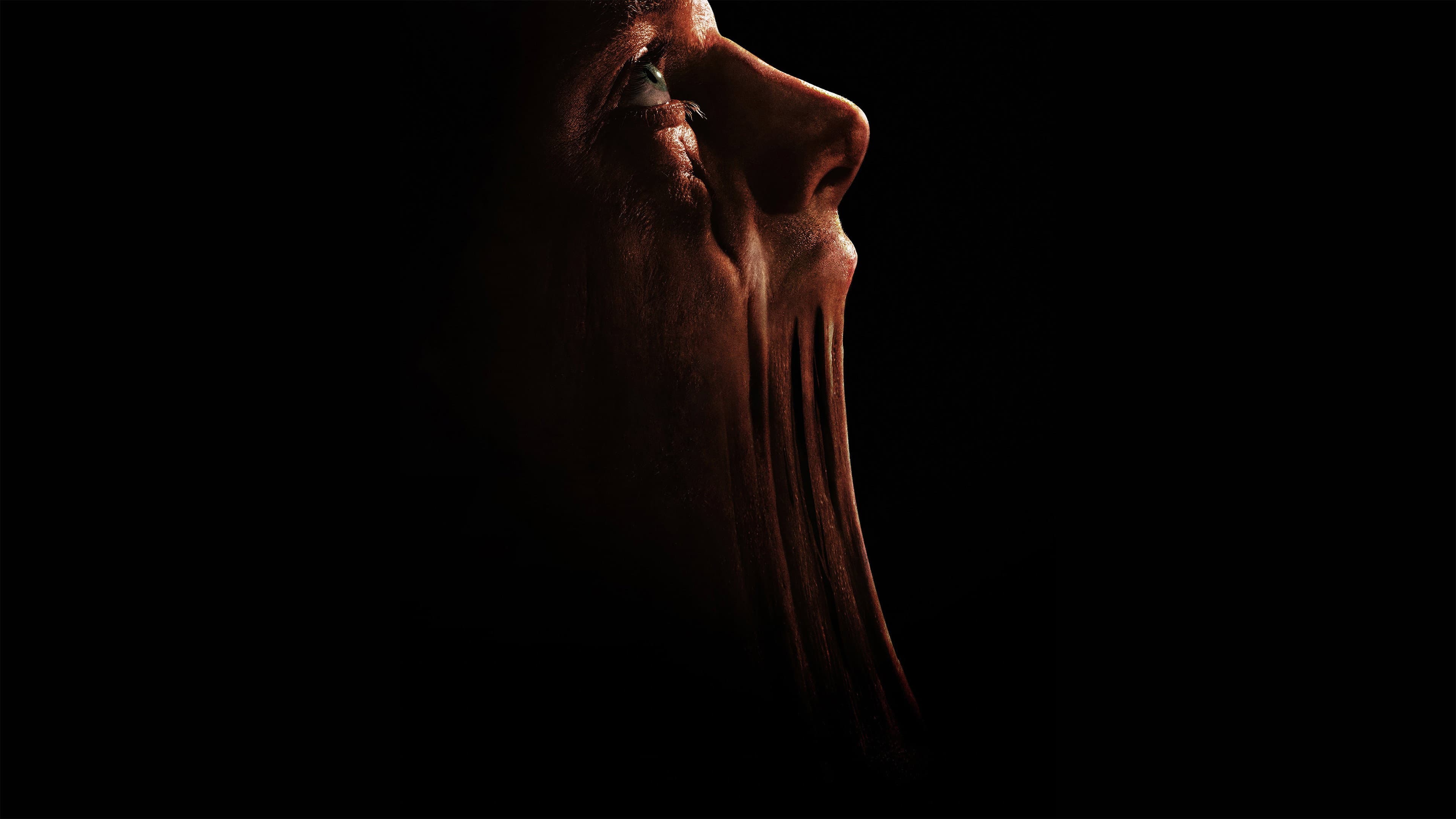
This is where Watkins, who previously helmed the gripping Eden Lake, shows his mastery. He's not interested in a simple monster movie. Instead, he crafts a paranoid psychological thriller where the audience is never quite sure what's real. Is Hagen's face truly shifting into the monstrous Clayface, or is he the only one who sees it? The film blurs the line between biological horror and delusion, making the character's internal collapse far more frightening than any external transformation.
The cast is a key part of this delicate balance. Naomi Ackie brings a grounded, empathetic presence as Caitlyn Corr, a journalist who becomes entangled in Hagen's story. Her performance provides a crucial anchor - a rational perspective in a world that's rapidly becoming irrational. It's her eyes that we often see Hagen through, and her horror becomes our own. Then there's the always-excellent Eddie Marsan, whose brief but impactful role adds another layer of grim authenticity to Gotham's seedy underworld. Max Minghella's John Borrelli, meanwhile, is a slick and menacing presence, perfectly embodying the entertainment industry's callousness.
Clayface is, at its heart, a cautionary tale about the cost of perfection. It's a franchise movie that uses its genre trappings to explore potent themes of identity, trauma, and the corrosive nature of ambition. The film's staggering runtime of 109 minutes is lean and relentless, with no scene wasted as it hurtles toward its inevitable, tragic conclusion. The science fiction element - the miracle cure - is merely the catalyst, not the core. The horror is psychological. The thriller is in the character's tortured mind.
In an era of sprawling cinematic universes, Clayface feels refreshingly self-contained and intimate. It leans into the tragic legacy of its source material, presenting Hagen not as a villain to be defeated, but as a soul to be mourned. It asks us to consider what happens when the artifice of fame collapses and the mask you wear becomes the prison you can't escape.
With its powerful performances, atmospheric direction, and a script that prioritizes psychological dread over cheap scares, Clayface is more than just a genre film. It's a tragic, haunting, and surprisingly human story about a man who lost himself long before he lost his face. It's a bold, brilliant, and unforgettable addition to the OTT landscape - a true horror story for the selfie generation.