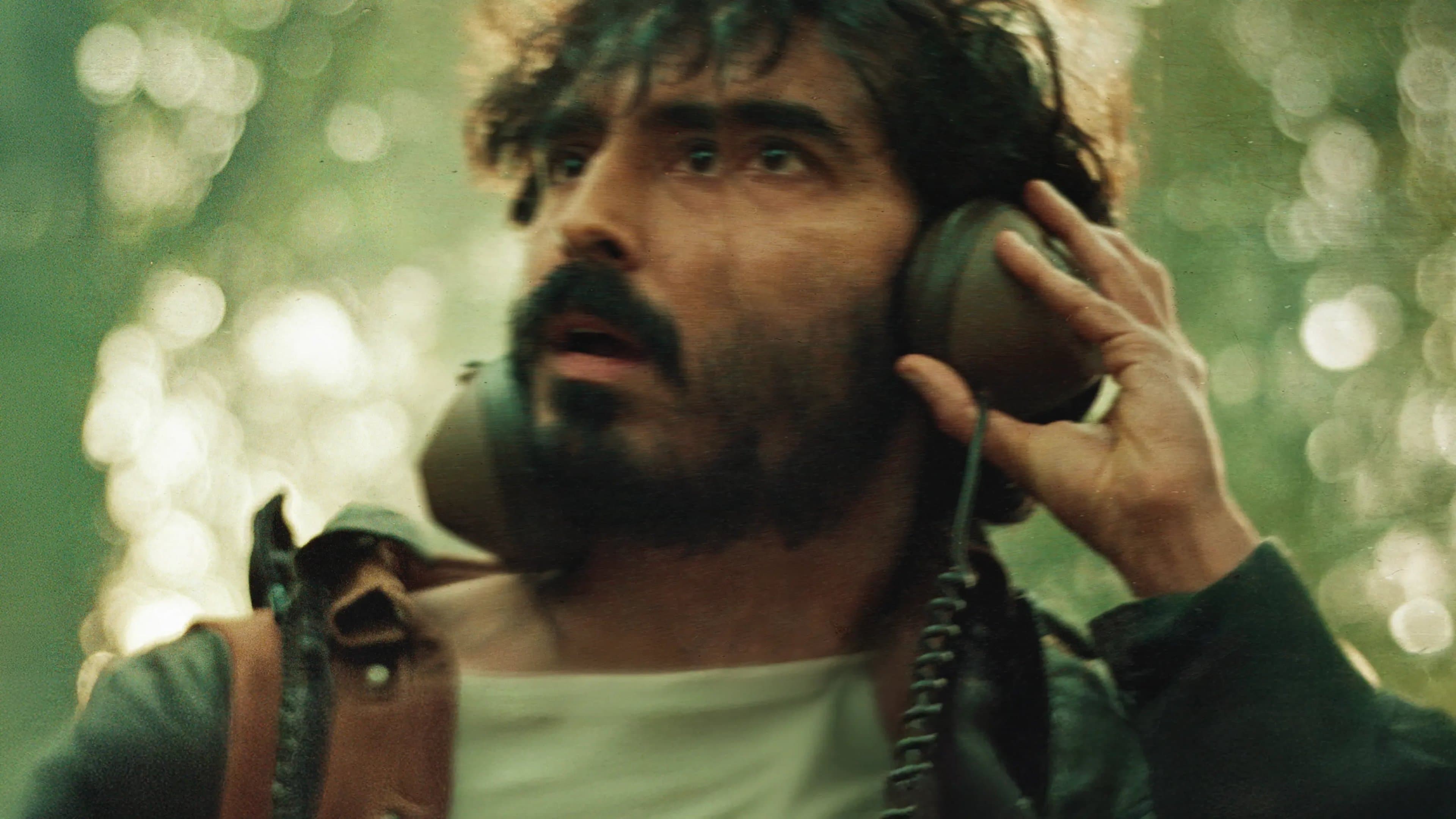
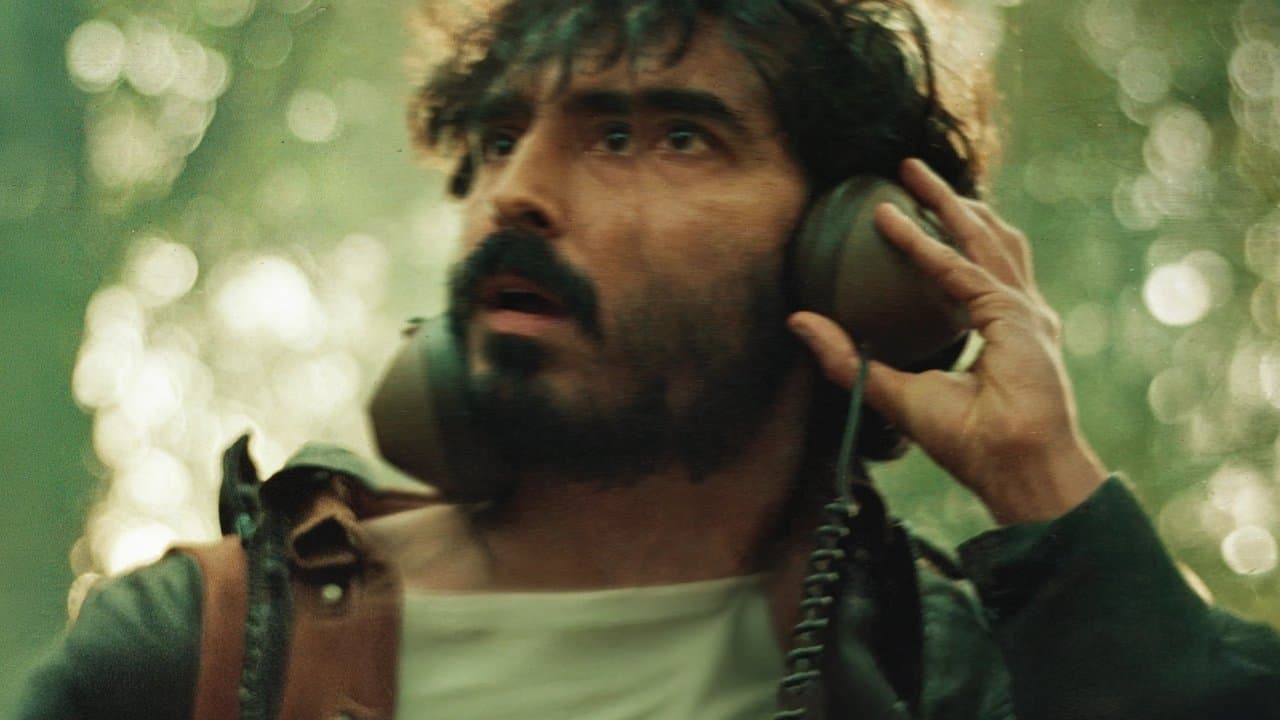
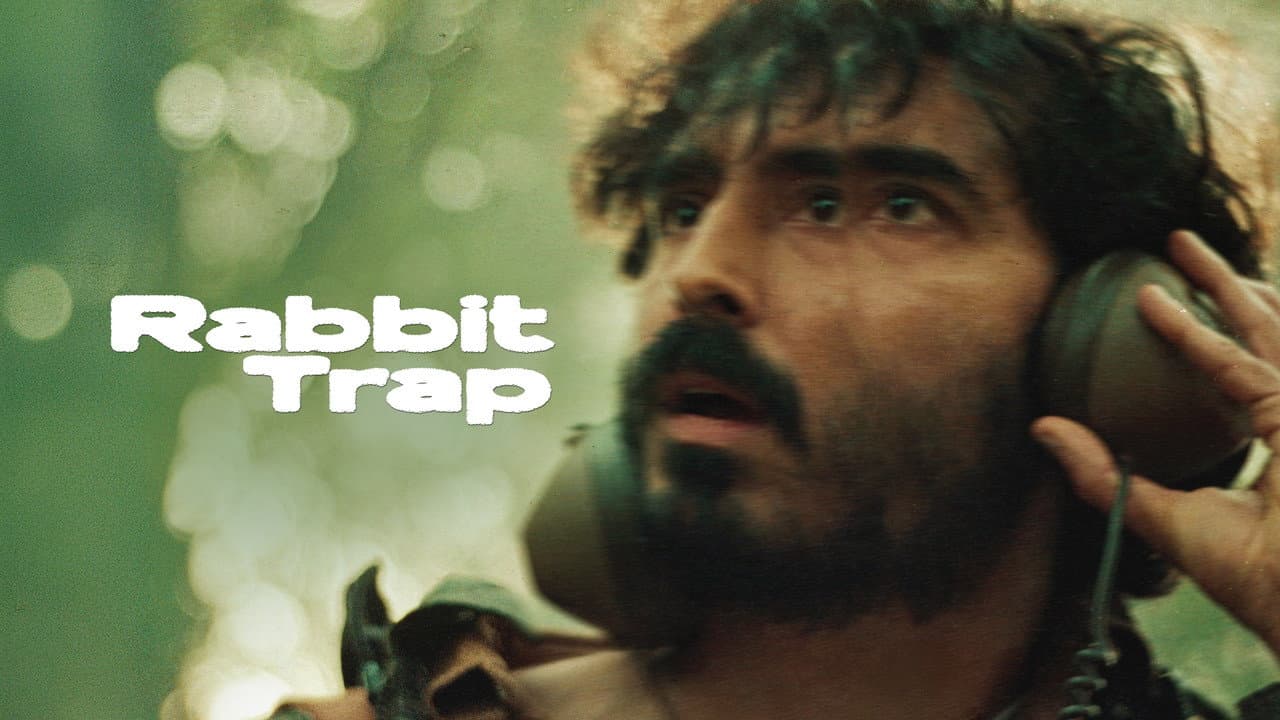
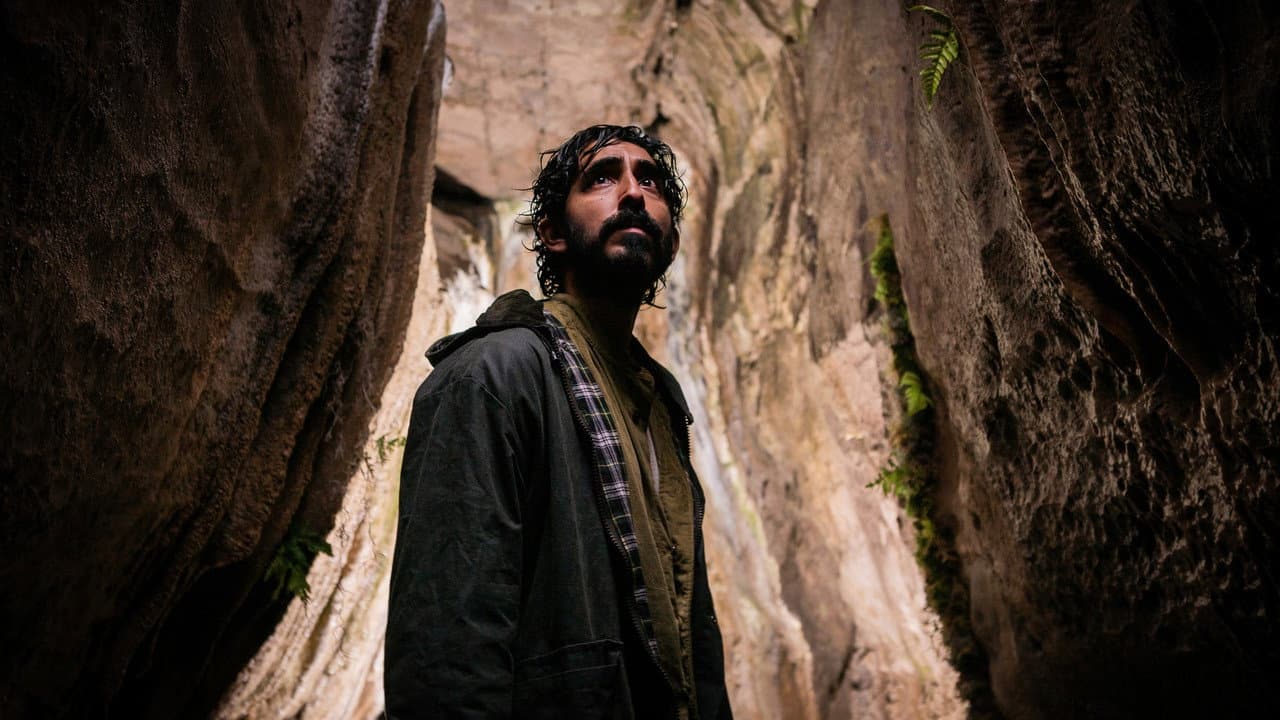
There is a specific kind of silence that exists in the remote corners of Wales - a quiet so deep it feels less like an absence of sound and more like a held breath. It is this suffocating stillness that director Bryn Chainey weaponizes in Rabbit Trap, a claustrophobic slice of folk horror that arrived in late 2025 and has since burrowed its way into the psyches of streaming audiences.
Now, nearly a year after its initial release, the film stands as a testament to the power of minimalist genre filmmaking. Clocking in at a tight 88 minutes, Rabbit Trap wastes no time on exposition, preferring instead to drop the viewer headfirst into the disorienting world of Darcy and Daphne Davenport.
The premise is deceptively simple. A musician and her husband relocate to a secluded house in the Welsh countryside, seeking the sort of isolation that artists often mistake for inspiration. Darcy, played with a jittery, frayed-edge energy by Dev Patel, and Daphne, brought to life by a hauntingly grounded Rosy McEwen, are not just looking for peace; they are looking to capture something. They are experimenting with sound, synthesizers, and field recordings, attempting to weave the ambient noise of their new environment into their work.
They succeed. Perhaps too well.
The central conflict of Rabbit Trap hinges on the idea that art is a transaction. When the Davenports plug in their equipment and begin to manipulate the frequencies of the valley, they aren't just creating music; they are opening a door. Chainey directs these early scenes with a slow-burn dread, utilizing the contrast between the warm, analog hum of the couple's equipment and the cold, ancient silence of the Welsh landscape. The sound design is the film's true antagonist, a vibrating, discordant hum that signals the intrusion of something ancient.
That intrusion manifests as The Child, played with an unnerving, blank-slate intensity by Jade Croot. She arrives at their door not with a bang, but with a unsettling persistence. She is nameless, unblinking, and intent on infiltrating the fragile ecosystem of the Davenports' marriage. She doesn't threaten them with violence, but with presence. She is a folkloric warning made flesh - a reminder that some songs were never meant to be sung.
The film operates in the murky waters of the Thriller, Horror, Mystery, and Fantasy genres, never fully committing to one lane. This ambiguity is its greatest strength. It refuses to offer easy answers about whether The Child is a demon, a fairy, or a manifestation of the couple's creative ego. Instead, it focuses on the erosion of reality within the household.
Patel delivers a performance that is a departure from his usual charismatic turns. Here, he is stripped down, paranoid, and increasingly helpless. He watches as his wife becomes fascinated by the entity, a dynamic that echoes the dangerous allure of the supernatural. McEwen matches him beat for beat, embodying the trope of the artist who goes too deep, sacrificing domestic safety for the sake of the craft.
Rabbit Trap is not a film for those who crave jump scares or CGI monsters. Its horror is rooted in the "uncanny" - the feeling that the world is slightly out of joint. The presence of Nicholas Sampson as The Shadow adds another layer to this unease. He operates on the periphery, a looming figure that suggests the Davenports are being watched by forces that predate their arrival, forces that were disturbed by the arrogance of the modern world.
Upon release, the film earned a lukewarm TMDb rating of 5.807/10, a score that suggests audiences were divided. Some viewers likely found the pacing too deliberate and the ending too ambiguous. However, this divisiveness is often the hallmark of cult cinema in the making. Like the folk magic it depicts, Rabbit Trap requires a specific kind of attention. It is a mood piece, a study in atmosphere that prioritizes the lingering feeling of wrongness over narrative closure.
For OTT viewers scrolling for something atmospheric this autumn, Rabbit Trap offers a chilling cautionary tale. It posits that isolation is a myth, and that the land has a long memory. The Davenports wanted to capture the sound of the valley; instead, the valley captured them. It is a stark reminder that when you disturb the silence, you might not like what answers the call. With its blend of Hollywood production values and authentic Welsh folklore, this is a rabbit hole worth falling down, provided you can handle the dark.