There is a specific, peculiar alchemy required to adapt a video game for the big screen, a tightrope walk between slavish fidelity to source material and the cinematic reinvention necessary to justify a ticket price. With Street Fighter, director Kitao Sakurai attempts to bridge that gap, delivering a 120-minute Hollywood spectacle that trades the pixelated arcade cabinets of the 1990s for a gritty, high-stakes world of sweat, blood, and destiny. Released today, October 13, 2026, the film arrives with a massive burden of expectation, aiming to capture the global phenomenon that defined a generation of fighting game enthusiasts.
The premise, thankfully, avoids the convoluted lore traps that often sink this genre. We are introduced to Ryu (Andrew Koji) and Ken Masters (Noah Centineo), two men who share a history but exist on divergent paths. Their estrangement is the emotional anchor of the piece, a fractured brotherhood that Sakurai uses to ground the fantastical elements. The narrative engine kicks into gear when the enigmatic Chun-Li (Callina Liang) recruits the pair for the next World Warrior Tournament. It is a classic setup: the fighter pulled back into the game for one last ride, but the script adds a layer of paranoia by introducing a deadly conspiracy.
Behind the flashy brackets and the roar of the crowd lies a sinister plot that forces Ryu and Ken to not only confront each other but to wrestle with the literal demons of their past. The tagline promises "a brutal clash of fists, fate, and fury," and based on the casting alone, it is clear the production is leaning heavily into the physicality of the combat.
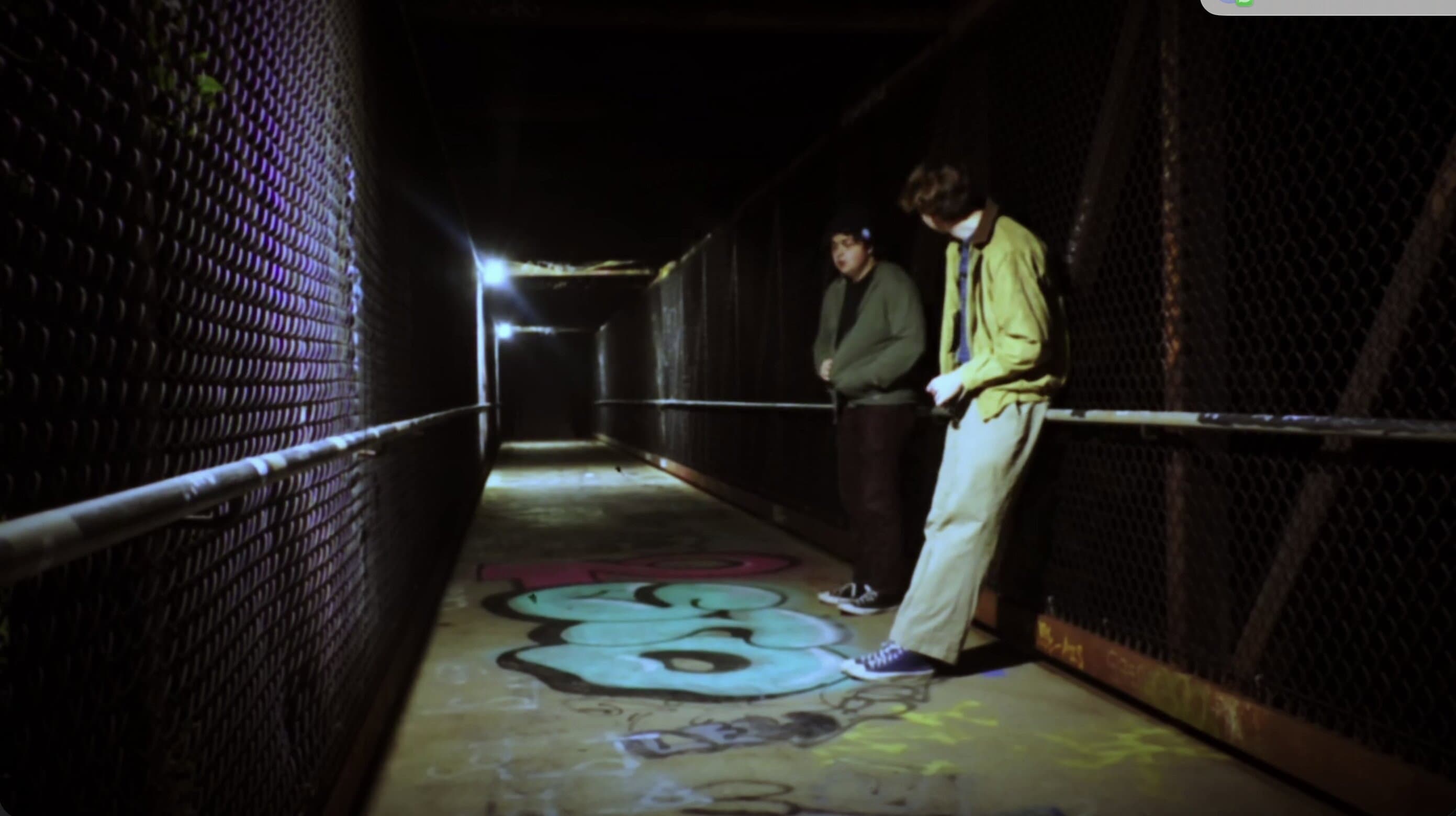
Sakurai, known for his work on Bad Trip and his distinct ability to blend chaos with genuine human connection, is an inspired, if unexpected, choice for this material. He brings a kinetic energy to the film that separates it from the standard studio action fare. The fight choreography is visceral, prioritizing impact and weight over the weightless, wire-fu acrobatics that plagued earlier attempts at adapting fighting games. This is a grounded world where a punch lands like a sledgehammer, and the stakes feel immediate.
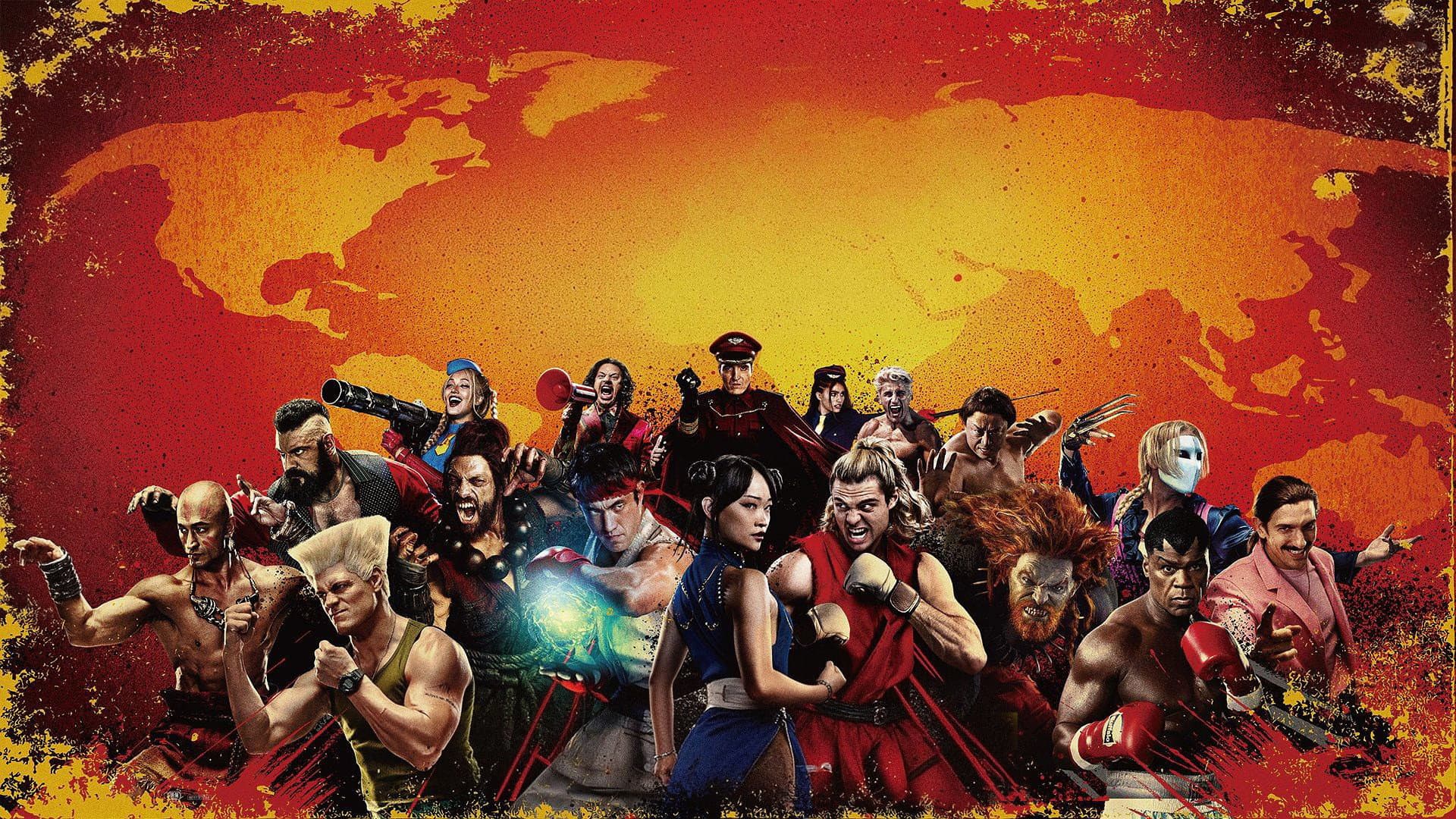
The casting is a fascinating mosaic of Hollywood talent, martial arts legitimacy, and professional wrestling royalty. Andrew Koji brings a stoic intensity to Ryu, embodying the wandering warrior's disciplined anguish. Opposite him, Noah Centineo steps into the role of Ken Masters, bringing the necessary charisma and cockiness to the wealthy brawler, while hinting at a deeper vulnerability regarding his estrangement from Ryu. The chemistry between the two leads is crucial; without it, the central conflict of the "World Warrior Tournament" falls flat. Fortunately, both actors seem committed to the physical demands of the role, selling the brutal ballet of their confrontations.
Callina Liang’s Chun-Li is another standout, portrayed not merely as a damsel or a sidekick, but as the tactical architect of the narrative. She drives the plot, pulling the strings necessary to assemble these disparate fighters.
However, a movie like this is only as good as its villains. The antagonist lineup is nothing short of a pop-culture fever dream. David Dastmalchian, a master of unsettling character work, takes on the role of M. Bison. It is a casting choice that promises a different kind of menace than the shouting, scenery-chewing warlords of the past; expect a colder, more calculating evil. Joe Anoa'i (Roman Reigns) brings his imposing physical presence and undeniable screen charisma to the role of Akuma, a character whose sheer power demands an actor of significant stature. Cody Rhodes steps into the boots of Guile, bringing the necessary valor and square-jawed determination, while the inclusion of Andrew Schulz as Dan Hibiki suggests the film is not afraid to poke fun at its own absurdity.
And then there is Eric Andre as Don Sauvage. It is a casting decision that borders on the surreal, promising a chaotic energy that could either be the film's secret ingredient or its most divisive element.
Runtime is always a concern for action films. At 120 minutes, Street Fighter has the space to breathe, but it also runs the risk of bogging down in exposition. The challenge for Sakurai and his editors will be maintaining the momentum of the tournament structure while servicing the complicated conspiracy plot. If it lingers too long on the "why," it risks dulling the impact of the "how" - the actual fighting. The genres of Action and Fantasy are woven together here; the "Fantasy" element likely pertains to the supernatural undertones of the fighters' abilities, particularly the darker energy surrounding characters like Akuma and Bison.
As of this writing, the film sits with a 0/10 rating on TMDb, a statistic that speaks only to the lack of a single, aggregated user score rather than a critical dismissal. It is a blank slate, waiting for audiences to decide if this iteration of the World Warriors will become a cult classic or a cautionary tale.
For fans of the franchise, Street Fighter promises a reunion with old friends, reimagined for a modern cinematic landscape. For the uninitiated, it offers a self-contained action-thriller about loyalty and the ghosts that haunt us. Whether it lands a perfect combo or misses the frame entirely depends on if Sakurai can balance the fan service with a coherent, satisfying story. In a world of reboots, Street Fighter is ready to enter the ring. The question is, can it survive the fight?