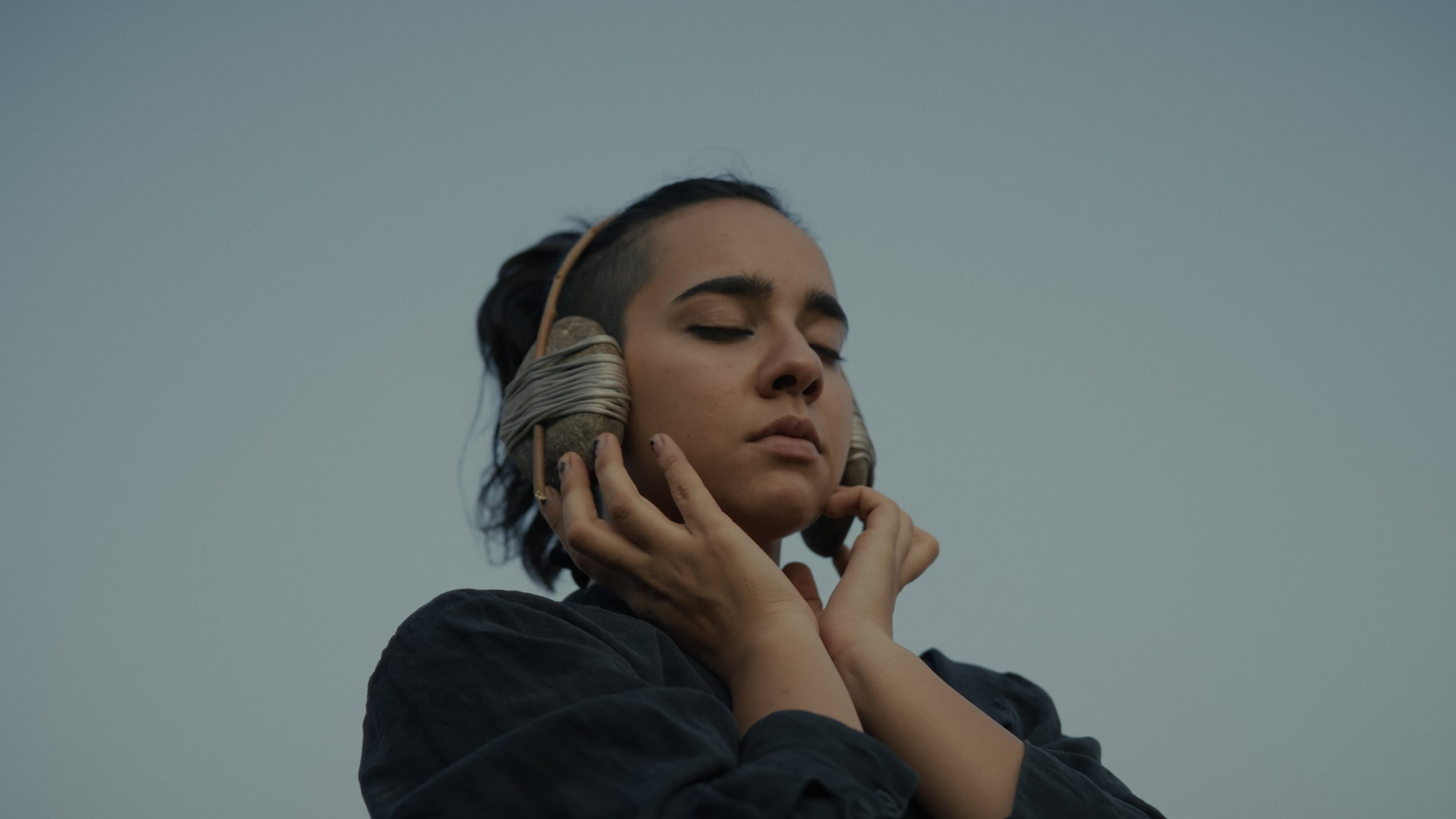
Every so often a short film arrives carrying the weight of a feature, and Mohammad Hasani's THE POETICS OF STONES is exactly that kind of anomaly. Clocking in at a tight fifteen minutes, this Hollywood-produced drama blends crime, horror, and something older and stranger - myth - into a single unsettling package. It lands on OTT platforms today, October 6, 2026, and it is already generating the kind of hushed word-of-mouth that tends to follow films brave enough to confuse and move you in the same breath.
Release Date & Where to Watch
THE POETICS OF STONES premieres today, October 6, 2026, on leading OTT platforms. As a fifteen-minute short, it slots neatly into that late-night viewing window when you want something that will linger long after the credits roll. Short films of this caliber rarely get a wide rollout, so genre fans should seek it out deliberately rather than wait for it to find them. Given its Hollywood pedigree and English-language production, expect it to surface on the major streaming hubs that specialize in curated short-form cinema.
Cast & Crew
Hasani directs from his own vision, and the film rests on a trio of performers who carry its heavy emotional and symbolic load. Zahra Raeisolsadat, Roshanak Khosravi, and Mehdi Safarpour lead the cast, bringing a quiet intensity to material that demands as much from stillness as it does from grief. Raeisolsadat in particular has the unenviable task of embodying the dancer at the story's center - a figure who must be both victim and something far more enigmatic by the final frame. Khosravi and Safarpour anchor the human horror as the parents whose terrible act sets the entire mythic machinery in motion. Hasani's direction reportedly favors atmosphere over explanation, a choice that suits a fifteen-minute runtime where every second counts. The film's technical team keeps the visuals spare and elemental, letting stone, shadow, and flesh do the storytelling.
Story & What to Expect
The premise is as brutal as it is poetic. Under a bleak theocratic regime, two parents commit an unspeakable act: they sacrifice their own daughter, a dancer, in a crime that defies easy comprehension. The consequence is immediate and surreal - their heads turn to stone. Not metaphorically. Literally. Meanwhile, the murdered girl is not permitted the mercy of ending. She awakens, reborn from the heart of the stones themselves, in what the synopsis describes as a surreal, mythic resurrection.
That's a lot of narrative to fit into fifteen minutes, and that compression is precisely the point. This is not a film interested in procedural answers - who investigates, who punishes, who explains. It is interested in consequence as image, in guilt made physical, in the body as a site where violence and myth collide. Expect a tone closer to folklore than to true crime: stark, ritualistic, and deliberately unresolved. The horror here is not jump scares but the slow recognition that the world of the film operates on its own cruel logic, one where a parent's crime petrifies them and a daughter's death becomes a genesis. Viewers should brace for striking imagery and an ending that rewards a second viewing. The genres listed - drama, crime, horror - are each present, but none dominates. Hasani is after something more elemental: a fable about power, family, and what refuses to stay buried.
Why It's Worth Watching
Short films this ambitious usually collapse under their own symbolism. THE POETICS OF STONES appears to walk the tightrope by trusting its audience. The title itself signals the film's central obsession: stone as memory, stone as punishment, stone as the raw material of rebirth. In a moment when much of genre cinema explains itself to death, a fifteen-minute myth that refuses to over-narrate feels genuinely refreshing.
There is also the matter of timing. Stories about theocratic cruelty and the sacrifice of young women carry an undeniable charge right now, and Hasani's decision to filter that charge through surrealism rather than realism gives the film a haunting, timeless quality. It could be set centuries ago or tomorrow. That ambiguity is a feature, not a bug.
The cast is another draw. Raeisolsadat's transformation from dancer to revenant is the film's emotional spine, and if the early buzz is any indication, it is a performance that will follow her. At fifteen minutes, the commitment is minimal; the payoff, judging by the premise alone, is anything but. Sometimes the smallest films leave the deepest cracks. This one seems designed to fissure something open - and to leave you thinking about stones, daughters, and the price of silence long after the screen goes dark.