The first sound you hear in Daniel Roher's Tuner isn't a gunshot or a siren. It's a single note, struck and held, waiting to be brought into alignment. That opening is a promise Roher keeps for the next 108 minutes: in this film, precision is everything, and the wrong vibration can bring the whole house down.
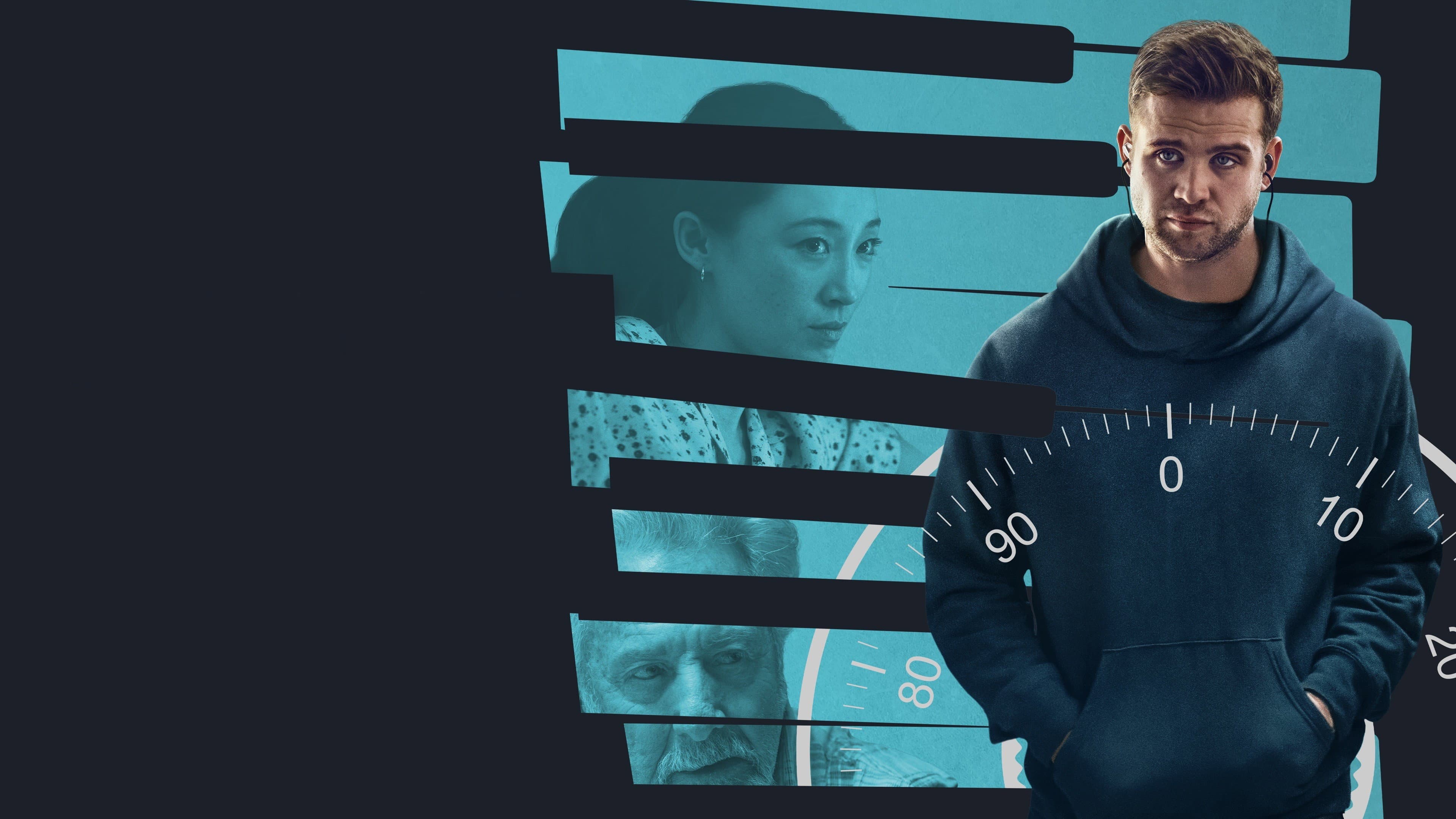
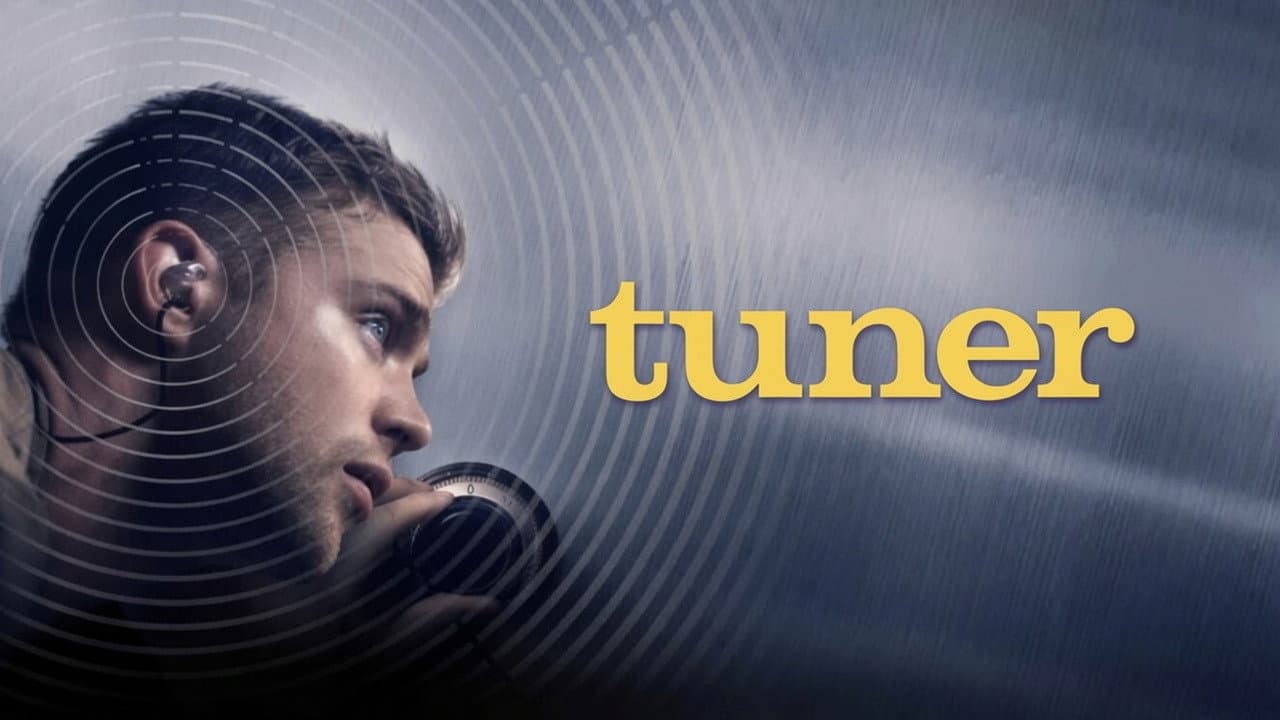
On paper, the premise sounds like the setup for a joke - a piano tuner discovers he has a knack for opening safes. On screen, it becomes something far stranger and more satisfying. Leo Woodall plays Niki White, a gifted technician whose entire existence is organized around the discipline of listening. He hears the world in frequencies the rest of us ignore. And as the film unfolds, that same sensitivity - the patience, the touch, the ability to feel when something is a hair's breadth from giving - turns out to translate rather beautifully to the mechanisms of a lock.
Woodall, best known to many viewers for his work in The White Lotus and One Day, carries the film with a performance of quiet control. Niki is not a showman; he's a craftsman. Watching him work, whether he's coaxing a stubborn string into tune or probing the interior of a safe, you feel the same focused hush settle over the scene. It's a movie about competence, and Roher shoots it like one - patient close-ups on hands, on tools, on the small tells that separate a professional from a pretender.
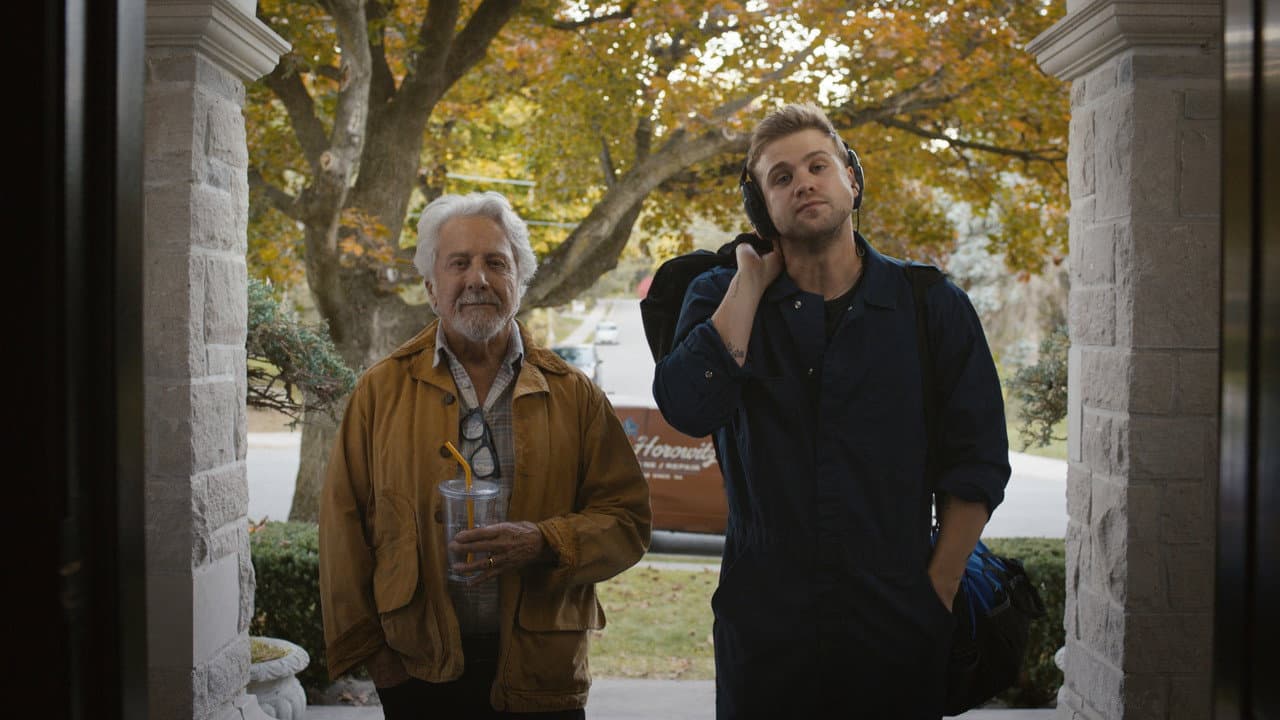
What elevates Tuner above a clever high-concept thriller is the world Roher builds around its hero. Dustin Hoffman appears as Harry Horowitz, and Tovah Feldshuh as Marla Horowitz, a pair whose presence suggests layers of family history and old-world obligation that Niki has spent years trying to tune out. Havana Rose Liu brings a sharp, watchful energy as Ruthie Waymon, while Lior Raz's Uri and Jean Reno's Marius Maissner push the story toward its darker register - two figures who understand that a man with Niki's gifts is either an asset or a liability. Nissan Sakira and Gil Cohen round out a cast that gives the film an unusual richness for the genre.
Roher, who previously directed the Oscar-winning documentary Navalny, brings a documentarian's eye to fiction. He trusts silence. He trusts the physicality of objects - the weight of a piano lid, the click of a tumbler, the way light falls across a workbench. The result is a crime drama that feels less like a heist movie and more like a character study that happens to involve a vault. The tension builds not from chases but from increments. Every scene is a small calibration, and by the final act you understand that Roher has been tuning the audience all along.
The film's thriller machinery is efficient without ever feeling mechanical. The screenplay never overexplains Niki's gift; it simply shows it, letting us draw the line between the ear and the hand. And crucially, Tuner refuses to make its hero a natural criminal. His slide into the underworld plays as an accident of aptitude, an unsettling idea the film treats with real seriousness. What does it mean when your most refined skill turns out to be a key to the wrong door?
Audiences have responded. Tuner holds a 7.591 rating on TMDb and a 7.2 on IMDb, numbers that suggest word of mouth is doing its work for a mid-budget Hollywood drama arriving without franchise armor. Released on May 21, the film has had months to find its audience, and those scores reflect a movie that rewards the patience it demands.
It also confirms Woodall as a leading man of unusual range - an actor who can play stillness without playing blankness - and gives Hoffman a role with real texture, the kind of supporting turn that reminds you how much a great actor can do with a few scenes.
Tuner isn't a loud film. It doesn't announce its themes or chase its thrills with a hammer. Instead, it works the way its protagonist does: carefully, deliberately, with an ear tuned to the smallest vibration. By the time the final note sounds, you'll feel the resonance long after the credits roll.