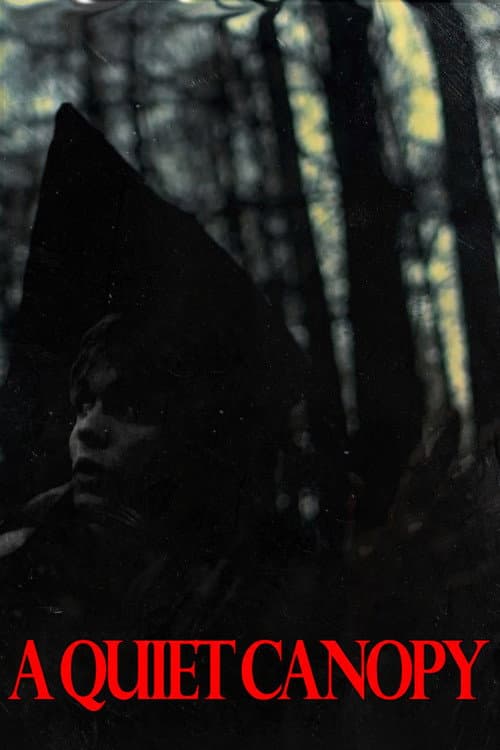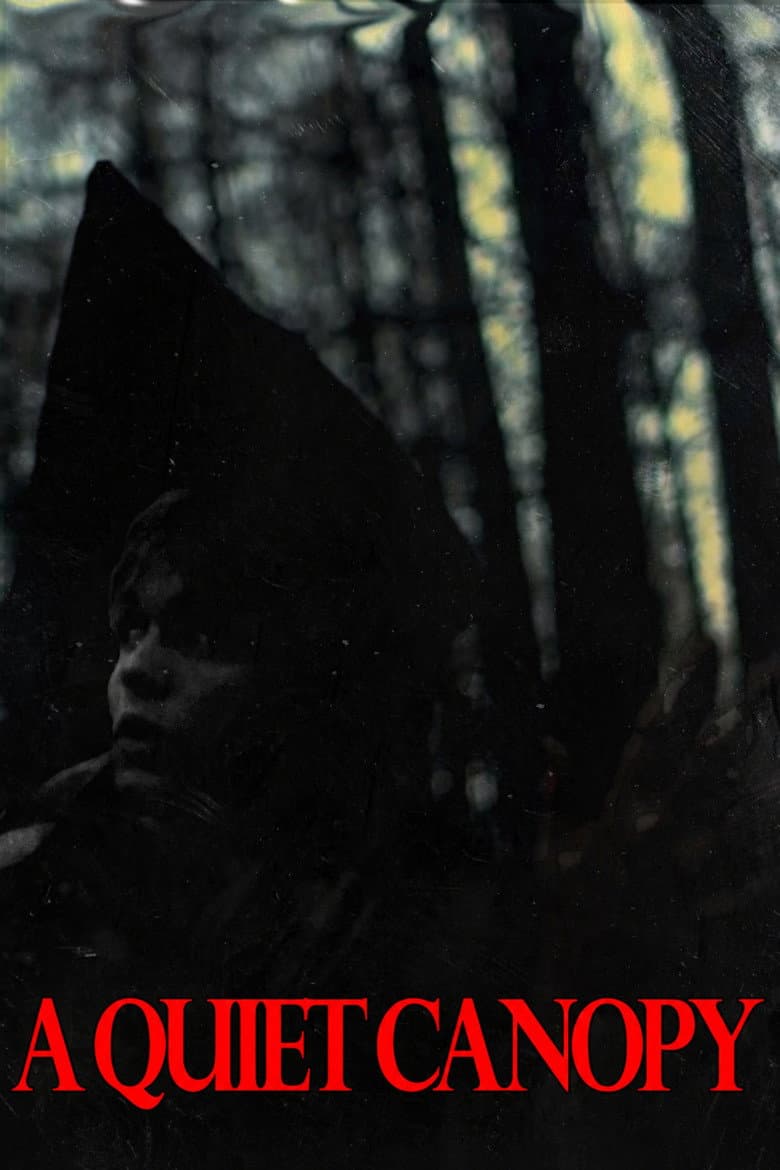
The woods have always been a place of primal fear, but rarely have they felt as claustrophobically intimate as they do in A Quiet Canopy. Arriving on digital platforms today, August 18, 2026, this 14-minute horror-thriller from director Tom Vrahoulakis isn't about monsters lurking in the shadows - it’s about the monster that quietly takes root in a friendship when survival instincts go feral. It’s a tight, suffocating gut-punch of a short film, and it’s precisely the kind of discovery that OTT platforms were built for.
Release Date & Where to Watch
Mark your calendars - or rather, clear your evening - because A Quiet Canopy officially premieres today, August 18, 2026. The film is available exclusively for streaming on OTT Stories, the platform that has carved a niche for showcasing bite-sized, high-concept genre work. Given the runtime, this is a perfect 14-minute window for a lunch break double-feature or a late-night pre-sleep scare. There’s no theatrical rollout, no lengthy festival circuit detour; it’s a straight-to-streaming drop, which for a project this intimate and experimental feels less like a compromise and more like a deliberate strategy. You can find it under the platform's "New & Notable" horror section. No subscription tier is required beyond the standard one, so there’s genuinely no barrier to entry. Settle in, dim the lights, and let the canopy close over you.
Cast & Crew
At the helm is director Tom Vrahoulakis, a name that might not yet be a household staple but whose visual restraint here speaks volumes. Vrahoulakis understands that in a story about perceptual collapse, the camera must be a liar. He leans on slow pushes and disorienting rack focuses, letting the natural light of the forest do the heavy lifting. The script, presumably tight and lean given the runtime, gives his two leads a lot of room to breathe - and then hyperventilate.
The entire weight of the film rests on the shoulders of Oscar Cartledge as Daniel and Tormaigh Mills as Noah. Cartledge, playing the increasingly frazzled protagonist, delivers a performance that starts with a relatable whimper of exhaustion and escalates into a raw, animalistic panic. He has the harder job - playing the "sane" one in a world going sideways - but he never lets that sanity become boring. His eyes do the work of a man who is watching his best friend dissolve into something unrecognizable.
Mills, as Noah, is the film's wild card. His transformation from a jittery companion to a genuinely unsettling presence is the engine that drives the whole piece. He doesn’t play madness with wild theatrics; instead, there’s a chilling flatness to his delivery, a subtle wrongness that makes the viewer question whether Daniel is imagining it. The supporting cast is minimal but memorable: Sam Hunt and Charlie Williams appear as Monk #1 and Monk #2, respectively. They arrive late in the narrative, and their silent, almost ceremonial presence adds a layer of folk-horror weirdness that could easily feel gimmicky but instead lands with a quiet, deliberate dread.
Story & What to Expect
The premise is deceptively simple: Daniel and his lifelong friend Noah are lost in the woods. That’s the entire setup, and the film bravely refuses to offer any easy landmarks. There is no map, no distant cabin, no helpful park ranger. There is only the relentless green of the forest, and the creeping suspicion that the trees are closing in.
The conflict emerges not from external threats but from Noah’s slow, grinding unraveling. He begins talking to things Daniel can't see. He starts walking at a pace that isn't quite right. He makes decisions that are dangerously illogical. As Noah’s behavior becomes more disturbing and irrational, Daniel’s grip on his own senses begins to slip. The film asks a terrifying question: how do you trust your own perception when the one person who should be your anchor is pulling you out to sea? What is real, and what is a delusion crafted by exhaustion and fear?
Expect a slow-burn build that rewards patience. The 14-minute runtime is deceptive; it feels longer in the best way, like a nightmare that stretches time. There are no cheap jump scares here. The horror comes from the sound design - the subtle crack of a twig that is arguably too deliberate, the whisper of wind that almost sounds like a voice. Vrahoulakis uses negative space brilliantly, letting silences stretch until they hum with tension. The introduction of the two monks offers a vague, almost spiritual dimension to the story, hinting at a deeper mythology without spoon-feeding the audience. You will leave with questions, but they are the wrong kind of questions - not "what happened?" but "what is true?", and "which of them is more dangerous?".
Why It's Worth Watching
In a landscape flooded with feature-length horror that overstays its welcome, A Quiet Canopy is a masterclass in brevity. It gets in, does its damage, and leaves before you have time to check your phone. For fans of psychological thrillers like The Shining or the existential dread of Coherence, this film offers a concentrated dose of the same anxiety, stripped of all the expository fat.
The performances are the main draw. Cartledge and Mills share a chemistry that makes the collapse of their friendship feel genuinely tragic, not just scary. You care about these two, which is precisely why watching them turn on each other is so uncomfortable. The film refuses to pick a side, forcing you to oscillate between trusting Daniel’s perspective and doubting his reliability entirely.
OTT Stories has been quietly building a reputation for curating exactly this kind of ambitious short-form storytelling, and A Quiet Canopy is a strong addition. It’s a film that demands you watch it twice - once to follow the plot, and again to catch all the visual clues you missed while you were too busy being terrified. It’s not just a story about being lost in a forest; it’s about the loneliness of being lost inside your own mind, and the horrifying possibility that the person walking beside you is a stranger. Give it fourteen minutes. Trust me, they’ll feel like a lot longer.