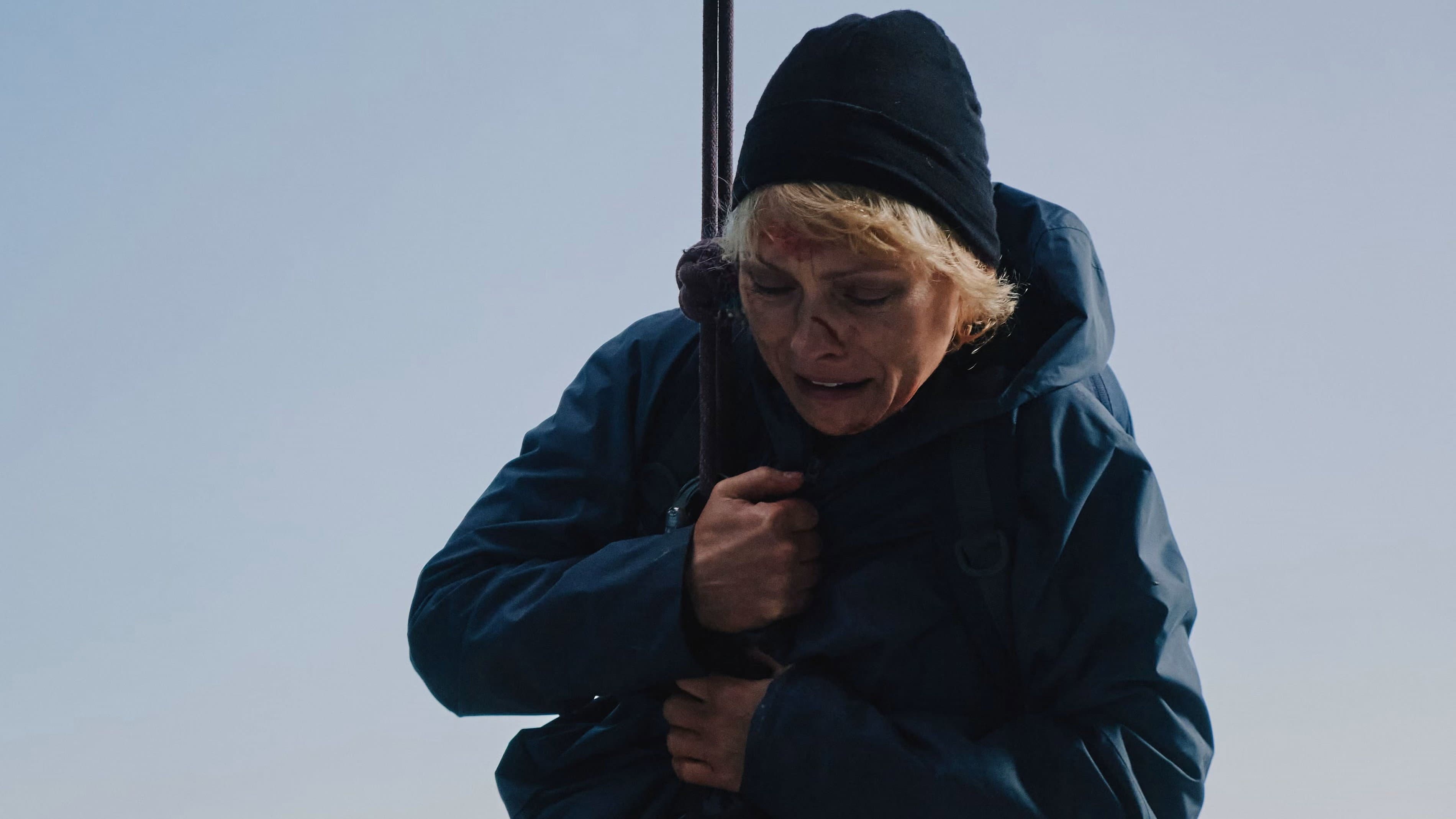
It’s a scenario that feels plucked from the darkest corner of the internet, a digital-age nightmare where the lens you trust becomes the very thing that betrays you. On August 28, 2026, a new 17-minute slice of psychological dread arrives on OTT Stories, and it’s asking a deceptively simple question: what happens when your own footage starts lying to you? Afterimage isn’t just another found-footage experiment. It’s a solo journey into the vast, indifferent expanse of Russia, captured on a device nearly everyone owns, and it’s poised to be the most unsettling thing you stream this week.
Release Date & Where to Watch
Mark your calendars, because the digital drop is imminent. Afterimage premieres exclusively on the OTT Stories platform today, August 28, 2026. This is not a theatrical release; this is a direct-to-streaming event, designed for the kind of intimate, headphones-on, lights-off viewing that the genre demands. You won’t find it on the big screen or on network television. It’s a platform-exclusive gem, a deliberate choice that amplifies the claustrophobic tension of the narrative. For subscribers, it’s a no-friction addition to your queue - just a click away. Given the short runtime, it’s the perfect palate cleanser between binge-worthy series, a concentrated burst of tension that doesn’t overstay its welcome. The release timing feels deliberate, too; late August is that transitional period where summer blockbusters have faded and the more cerebral, unsettling autumn fare begins to creep in. OTT Stories is positioning this as a bridge, a dark little appetizer for the spookier months ahead.
Cast & Crew
This is a singular vision in every sense of the word. The entire weight of Afterimage rests on the shoulders of Yousuf J, who serves as both director and sole on-screen performer, playing The Filmmaker. There are no co-stars, no supporting players - just one man, a camera, and an environment that slowly turns hostile. It’s a bold, almost theatrical choice that strips away all pretense of traditional narrative support. For Yousuf J, this is a high-wire act. He is not just the person holding the iPhone; he’s the writer of the visual language, the editor of the rhythm, and the actor conveying a slow-burn descent into paranoia. The performance has to carry every silent moment, every nervous glance over the shoulder, and every moment of dawning horror when the playback reveals something new and terrifying. In the Hollywood thriller space, this kind of single-minded auteurism is rare. It evokes the spirit of early experimental digital cinema, where the limitation of resources becomes the fuel for creativity. The "Shot on iPhone 14" tagline isn't just a technical note; it’s a creative manifesto, a declaration that you don't need a multi-million dollar camera to generate genuine unease.
Story & What to Expect
The premise is elegantly simple, which is its greatest strength. A young filmmaker, played with a palpable sense of wanderlust by Yousuf J, embarks on a documentary trip across the vast, sprawling landscapes of Russia. The intent is pure - to capture the journey, the people, the sheer immensity of the geography. But the project takes a sinister turn when he reviews his daily rushes. Strange recordings begin to appear on his device. They are his shots, his angles, but they’re somehow… off. Perspectives he doesn't remember capturing, timestamps that don't align, and an unseen presence that seems to be learning his methods. The realization dawns, cold and horrifying: he is not the only one documenting this trip. Someone - or something - is using his own camera to tell a different story.
What to expect is a masterclass in building dread with minimal elements. The iPhone 14’s camera, with its raw, unprocessed quality, becomes a character itself. The footage is grainy in low light, the autofocus hunts nervously in open spaces, and the wide-angle lens distorts faces and architecture into something vaguely threatening. The film leans heavily into the "unreliable narrator" trope, but with a technological twist. As the protagonist questions the integrity of his own equipment, the audience is forced to question the integrity of everything we see. There’s a chilling, quiet alienation to it. The vastness of the Russian steppe, normally a symbol of freedom, becomes a prison of endless, identical horizons. The sound design is sparse, often just wind and footsteps, making the sudden, jarring audio artifacts all the more effective. Expect long, uncomfortable takes where the camera lingers on an empty doorway just a beat too long. Expect the mundane - a window reflection, a distant figure on a platform, a flickering streetlight - to become saturated with malevolent intent. You're not just watching a man lose his grip on reality; you're watching a recording that is actively turning against its author.
Why It's Worth Watching
In a saturated market of bloated horror epics and convoluted found-footage franchises, Afterimage is a lesson in economy. At 17 minutes, it has zero fat on its bones. It respects your time while it terrorizes your psyche. The gimmick - shot on an iPhone 14 - isn't a gimmick at all; it’s a gateway to visceral realism. This looks like footage you could have shot. These are the same tools you use to film your cat, your lunch, or your vacation. By weaponizing that familiarity, the film blurs the line between fiction and reality, making the horror feel uncomfortably accessible.
For fans of the genre, this is a return to the principles that made The Blair Witch Project or Paranormal Activity so effective: the fear of the unseen, the sparsity of information, and the power of suggestion. But it’s also distinctly modern, examining our obsessive need to document our lives and the potential vulnerability that comes with it. Is the camera a shield against the unknown, or is it a beacon? Yousuf J’s performance is a raw nerve, and the choice to have him play opposite no one works in the film’s favor, creating a profound sense of isolation that is palpable through the screen. It’s a film that will stay with you, not for its jump scares (there aren't many), but for its lingering, paranoid afterimage. You’ll find yourself checking your own phone’s storage afterward, looking for files you don’t remember creating. And that’s exactly the point. This isn't just a movie; it's a test. Are you sure you’re alone right now? Are you sure your lens is yours?