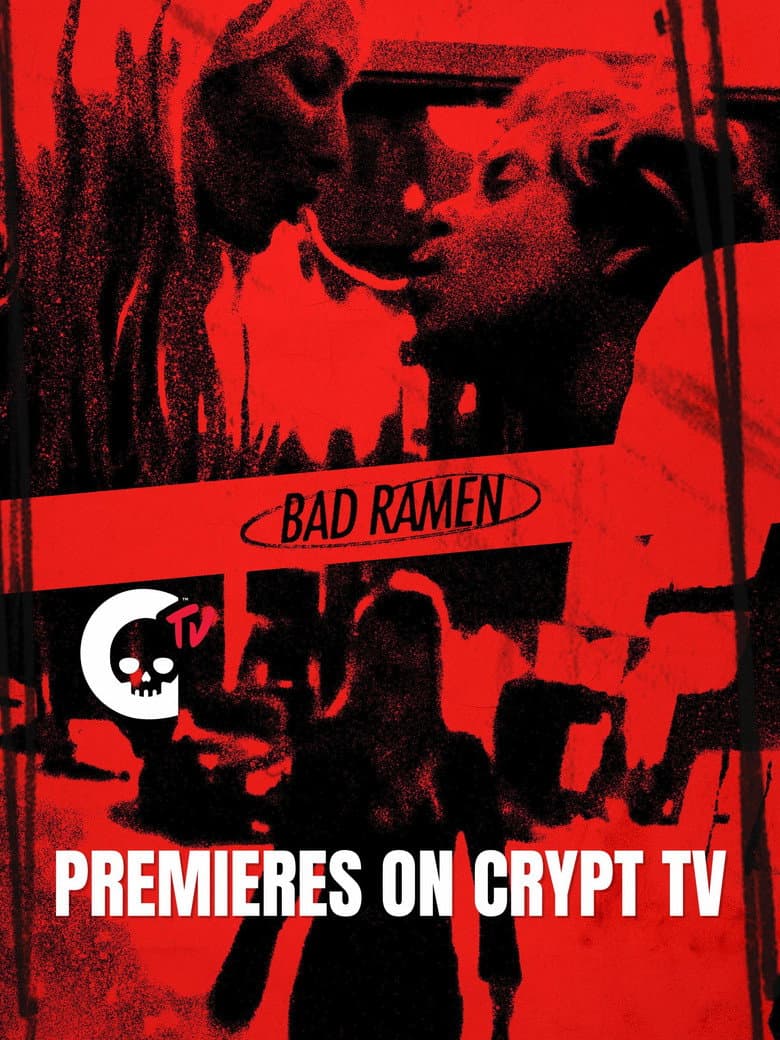
Some ramen dates end with a lingering kiss. Others end with a trip to the emergency room. And a rare, terrifying few - like the one chronicled in Bad Ramen - end with something far worse. Premiering today, August 3, 2026, this micro-thriller from director Spyder Dobrofsky packs more dread into a single minute than most features manage in two hours. It’s a swift, unsettling jolt for anyone who’s ever trusted a broth to be harmless.
Release Date & Where to Watch
Bad Ramen hits OTT Stories today, August 3, 2026. There’s no theatrical rollout, no festival circuit detour - just a direct-to-streaming drop that feels appropriately immediate for a story this compact. You can find it exclusively on the OTT Stories platform, nestled somewhere between their experimental shorts and their late-night horror picks. Given its runtime of exactly one minute, it’s the kind of thing you’ll watch twice in a row, partly to catch what you missed and partly because your first viewing will leave you disoriented. The brevity isn’t a gimmick; it’s the point. This is a snack-sized nightmare, designed for maximum impact with zero filler. Don’t blink. Don’t scroll. And maybe don’t eat anything while you watch.
Cast & Crew
At the helm is Spyder Dobrofsky, who wears two hats here - director and co-lead. Dobrofsky steps in front of the camera as Josh, the hapless dinner companion whose romantic evening curdles into something unrecognizable. Opposite him is Kerttu Karon as Madeline, the girl whose sudden illness at the table sparks the entire ordeal. Karon has the unenviable task of selling a transformation in under sixty seconds, shifting from ailing date to something far more menacing with barely a breath between beats. The chemistry between the two performers has to be instantaneous, because there’s no time for slow-burn development. They establish normalcy in five seconds, unease in ten, and full-blown horror before the minute is up.
Dobrofsky’s direction favors tight close-ups and claustrophobic framing, keeping the camera locked on faces and bowls of noodles. There’s no wasted motion. Every glance, every slurp, every flicker of Karon’s eyes is loaded with purpose. The production design, though minimal, nails the sterile warmth of a mid-tier noodle shop - fluorescent lights, steam rising from broth, a sticky table that suddenly feels like a trap. What the film lacks in runtime, it compensates for in precision.
Story & What to Expect
The setup is deceptively simple. Josh and Madeline are on a date, sharing a modest meal at a ramen joint. The conversation is light, the noodles are hot, and everything seems ordinary. Then Madeline’s chopsticks clatter. She winces, presses a hand to her stomach, and mumbles something about not feeling well. Josh does what anyone would do - offers water, asks if she wants to leave. But Madeline doesn’t recover. She doesn’t just get sicker. She changes.
What follows is a needle-thin spiral into the uncanny. Karon’s posture shifts, her voice drops, and her eyes lose that human softness. The illness isn’t a bug; it’s a catalyst. Within seconds, Josh realizes this isn’t a medical emergency - it’s something else entirely. The film doesn’t explain the mechanism. There’s no exposition about tainted ingredients or ancient curses. You’re dropped into the moment when normalcy breaks, and you’re left to piece together the implications as the credits hit.
Expect a single, sustained tone of escalating dread. The editing is brisk, almost rhythmic, cutting between Josh’s panicked glances and Madeline’s increasingly unnatural movements. There’s a moment, roughly forty seconds in, where the camera lingers on the half-eaten bowl of ramen, and you’ll suddenly understand why the title feels like a warning. The sound design deserves special mention - the slurping of broth becomes sickening, the hum of the restaurant’s ventilation turns ominous, and a low, sub-audible drone creeps in just before the turn. It’s a masterclass in using audio to prime your nervous system.
Why It's Worth Watching
Because it’s only a minute long, Bad Ramen demands a different kind of attention. This isn’t a film you passively consume; it’s a puzzle box that clicks shut the moment it opens. You’ll want to rewatch it immediately, if only to figure out how Dobrofsky achieved so much with so little. The constraint forces a level of craft that longer films often squander. Every shot is essential. Every line of dialogue carries weight. There’s no fat to trim because there’s no fat to begin with.
For fans of short-form horror, this is a gem. It recalls the punchy dread of early web horror anthologies, but with a polish that feels theatrical. Karon’s performance, in particular, is a revelation - she manages to be both pitiable and terrifying in the span of a single breath. Dobrofsky, as Josh, plays the everyman perfectly, his reactions grounded enough to make the absurd feel real.
And then there’s the practical appeal: you have exactly sixty seconds of free time, and you’ll spend them better here than on any social media scroll. This is a film that respects your time while wasting none of its own. It’s a conversation starter, a party trick, a dare. Watch it alone. Watch it with friends. Watch it right before you order takeout.
Bad Ramen doesn’t overstay its welcome because it never gets the chance. It arrives, unsettles you, and vanishes - leaving you with a lingering question about what’s really in your bowl. On a platform built for quick consumption, this is the rare piece that earns its brevity. It’s not just a short film; it’s a sharp, unsettling punchline to a joke you didn’t know was being told. Just don’t watch it at lunch.