There is a certain kind of movie magic that arrives unannounced, often in the smallest of packages. On August 20, 2026, a three-minute enigma titled Listen to them, the children of the night. What music they make! will make its quiet, haunting debut on OTT Stories. The title, of course, echoes the famous line from Bram Stoker’s Dracula - a whisper of gothic menace promised before a single frame rolls. But here, director Yonay Boix is not adapting the novel. He is doing something far stranger and more intimate, conjuring a visual poem from the dust of memory. The project arrives with minimal fanfare and maximum curiosity, a deliberate antidote to the algorithmic noise of modern streaming.
Release Date & Where to Watch
Mark your calendars for a Thursday with a difference. The film debuts exclusively on OTT Stories on August 20, 2026. As of this writing, no other platform has been announced, making this a one-stop destination for the curious. OTT Stories has carved a niche for showcasing experimental, micro-length, and art-house work that mainstream services often overlook, and this release fits that mandate perfectly. Given the runtime - a brisk 180 seconds - it is the kind of piece you can watch during a coffee break and then think about for the rest of the day. The platform will host the title in its digital library, likely in a curated section for short-form works. There is no word yet on whether it will be bundled with other Boix shorts or stand alone. For now, the only requirement is a subscription to OTT Stories and a willingness to sit in silence for three minutes.
Cast & Crew
The credits are sparse, almost to the point of secrecy. The sole name confirmed is that of director Yonay Boix, a filmmaker whose previous work - if their filmography is any guide - tends to orbit themes of decay, childhood, and the uncanny. There is no listed cast, which raises a fascinating question: are there even performers in this piece? The metadata describes the work as "3 x super 8mm (digital), color, silent." That "3 x" is telling. It suggests a triptych structure, three distinct segments or reels, each perhaps captured on a different roll of super 8 film stock before being digitized. The absence of cast information may be a deliberate choice, or it may simply reflect the fact that the figures in the frame are non-actors, found footage, or even abstract shapes. Boix has not given interviews leading up to the release, and the producers have remained tight-lipped. This is a film that wants to be experienced without the scaffolding of names and faces.
Story & What to Expect
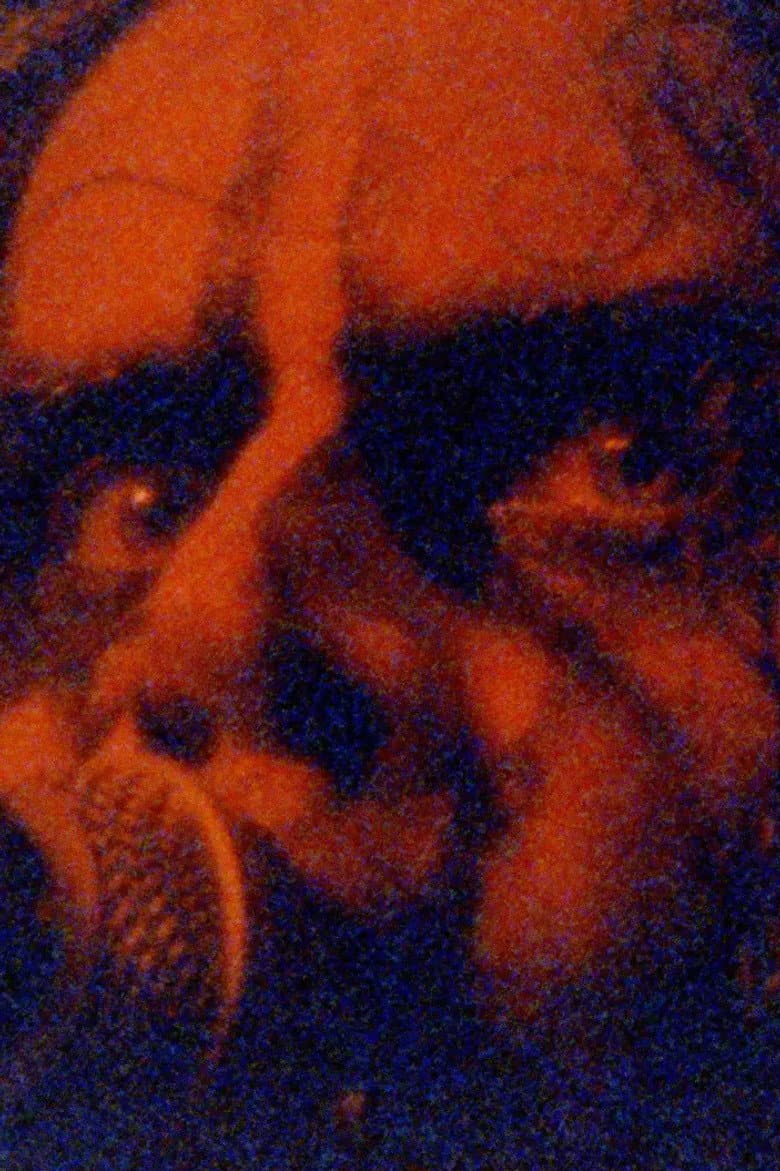
Do not expect narrative in the conventional sense. There is no dialogue, no sound design, no score. The film is silent, and that silence is its most powerful instrument. Each of the three super 8 segments likely operates as a standalone vignette, linked by mood rather than plot. The title suggests nocturnal children, perhaps spectral, perhaps figurative - laughing, singing, or whispering in the dark. But Boix is not literal. The "children of the night" could be shadows on a playground, the ghost of a carousel, or even the flicker of film grain itself. Super 8mm is a grainy, warm, slightly unstable medium; it breathes and shakes, lending every image a sense of half-remembered dream. Expect bursts of saturated color - deep reds, bruised purples, sodium-yellow streetlights - and moments where the frame nearly dissolves into abstract light. The runtime is short, but the pacing will likely feel deliberate, lingering on faces or objects just long enough to unsettle. The silent format forces you to be the composer. You will hear the music the title promises, but it will be generated inside your own mind, a private score of rustling leaves and phantom laughter.
In practical terms, the "3 x super 8mm" format means the film may have been shot in three separate takes, each one a continuous roll of roughly a minute, or it may be an assemblage of many shorter cuts. Either way, the digital transfer preserves the optical quirks of the original stock - dust, scratches, light leaks - which transform every flaw into texture. There is no timestamp, no location, no context. The children, if we see them, will be both present and eternally out of reach. The horror here is not the jump-scare variety; it is the quiet dread of nostalgia itself. You are watching something that already feels like a memory of a memory.
Why It's Worth Watching
In an era where streaming platforms bury audiences under ten-episode sagas and two-hour CGI spectacles, a three-minute silent film is an act of artistic rebellion. Listen to them, the children of the night. What music they make! is a test of attention. It will not reward the distracted viewer, the one scrolling on a second device. It demands that you stop, watch, and let the absence of sound open a space inside you. For those who love cinema as a tactile, photographic medium, this is a rare treat: super 8 film is almost extinct, and seeing it preserved and digitized is a small tribute to the physicality of moving images. Yoanx Boix is not trying to explain anything; he is offering a sensory experience, a fragment of a dream left on the cutting-room floor of a larger, untold story.
The lack of a known cast or a critics' score (it holds a 0/10 on TMDb, which is simply a placeholder for "unrated") means you are going in blind. That is precisely the point. You will not be influenced by hype or narrative constraints. You will simply encounter three minutes of haunted celluloid, and then it will be gone. In a year of bloated blockbusters and franchise fatigue, that brevity is a gift. If you are a fan of experimental film, of Stan Brakhage or Maya Deren, of poetry that resists translation, this is essential viewing. If you prefer your stories spelled out, this is not for you. But for the rest of us, there is a strange, spectral joy in watching a film that trusts us to provide the music. You will leave it changed, even if you cannot say exactly how. That is the mark of a true oddity - and 2026 needs more oddities.