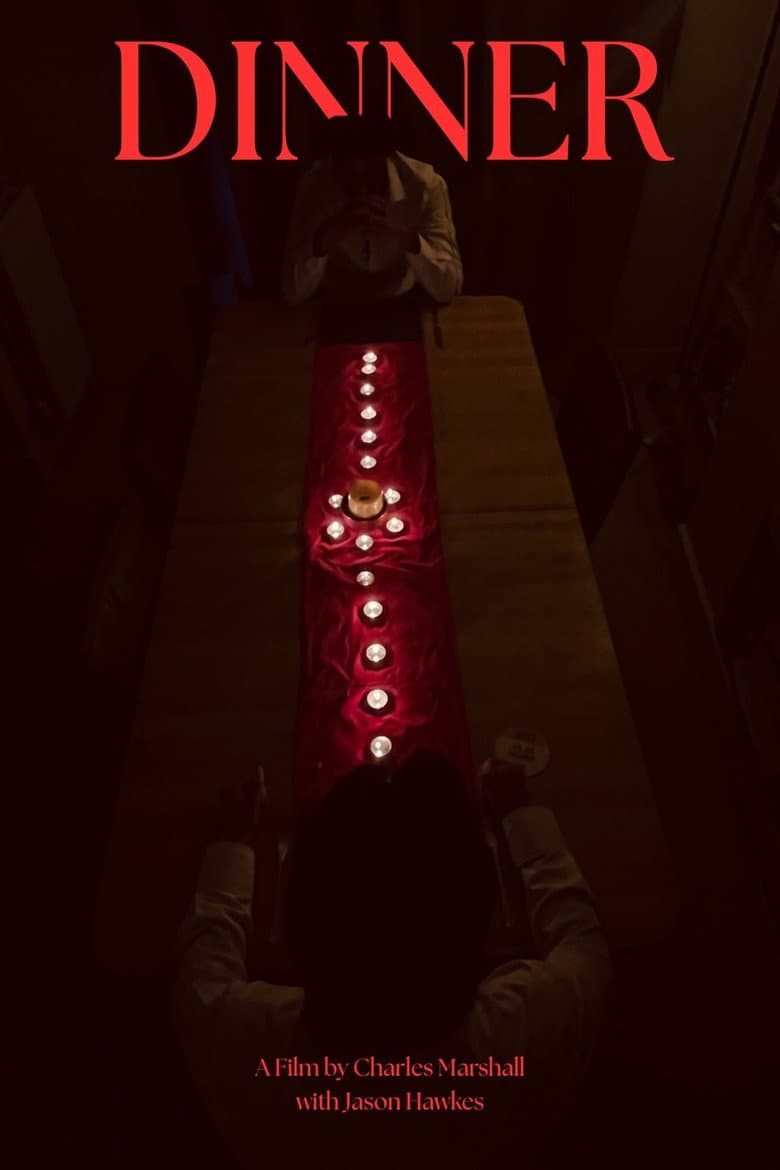
Somewhere between the comfort of familiarity and the terror of change lies the space where Charles C. Marshall’s new short film, Dinner, decides to make its home. It’s a deceptively simple premise - two old friends, a table, a meal - but the 25-minute thriller packs enough quiet dread to fill a feature-length runtime. Today, August 17, 2026, marks its release, and it arrives with the kind of understated menace that will likely make it a sleeper hit on OTT Stories.
Release Date & Where to Watch
Dinner is available to stream exclusively on OTT Stories starting today, August 17, 2026. There’s no theatrical rollout, no festival circuit preamble - just a direct-to-digital drop that feels appropriately intimate for a story of this scale. For subscribers, this is a one-sitting watch: under half an hour, no commitment required, but you’ll likely want to press play twice. The platform’s recent slate has leaned into taut, character-driven shorts, and this one slots right in. Given the runtime, it's ideal for a lunch break you won’t forget, or a late-night viewing when the lights are already low.
Cast & Crew
At the helm is director Charles C. Marshall, a name that might not yet be household, but after Dinner, probably should be. Marshall’s direction favors stillness over spectacle; he lets the camera linger on small gestures - a knife scraping a plate, a jaw tightening mid-chew. The script, sharp and economical, gives his two leads plenty to sink their teeth into.
Jason Hawkes plays Lewis, the one who seems to have done well for himself, and he carries the polished but frayed energy of a man who’s convinced himself he’s fine. Opposite him, Aren McCarthy delivers a more volatile performance as Zack, the friend who’s stayed in the same town, the same habits, the same resentments. The chemistry between them feels lived-in; you believe they have years of history, even when they stop talking and just tear into their food. Euan MclIroy rounds out the cast as the Homeless Man, a small but crucial presence whose few scenes ripple through the narrative. The trio keeps the film grounded; there’s no melodrama, just the uncomfortable truth of two people who no longer recognize each other.
Story & What to Expect
The setup is almost painfully ordinary. Lewis and Zack used to share meals as a ritual - a standing date - but life, as it does, got in the way. Now, after who knows how long, they’re back at a table together. They order, they eat, and they talk. The conversation drifts from career updates to half-hearted opinions on politics, the kind of catch-up that feels scripted even when it isn’t. But here’s the thing: they eat like animals. Not with rage, exactly, but with a raw, almost feral hunger that feels out of place in the muted diner setting. It’s the first red flag, and Marshall doesn’t wave it - he just lets it sit there, greasy and unaddressed.
As the meal progresses, the talk turns sharper. Zack’s views have curdled into something darker; Lewis’s polished reassurances ring hollow. The old rhythm is gone, replaced by a tense, watchful silence punctuated by the sound of chewing. And underneath it all, the question that propels the entire film: is this just an awkward reunion, or something closer to a final supper? The synopsis warns that “this meal isn't all as simple as it seems,” and that’s not marketing puffery. The final act pivots with a quiet, gut-punch twist that reframes everything you’ve just watched. No cheap jump scares, no loud exposition - just a slow dawning horror that stays with you after the credits roll.
Expect a slow burn that rewards attention. The 25-minute runtime is used with surgical precision; every line of dialogue, every cut to a half-empty plate, feels deliberate. The thriller genre here isn’t about action but about the growing unease between two people who once meant something to each other. It’s a study in subtext, where the real meal being consumed is the past itself.
Why It's Worth Watching
In a landscape of bloated runtimes and over-explained plots, Dinner is a reminder of what brevity can achieve. It trusts its audience to read the room - and the room is deeply unsettling. Hawkes and McCarthy give two of the most compelling performances you’ll see in a short this year; their fight isn’t loud, it’s the passive-aggressive dance of old friends who’ve become strangers with a shared history. The film’s central tension isn’t about what they say, but what they avoid saying, and Marshall’s restraint ensures that tension never snaps until it absolutely has to.
The TMDb rating sits at a blank 0/10, which feels appropriate for a film this fresh - it’s unburdened by hype. You get to discover it cold. And while Dinner will inevitably draw comparisons to the “two guys talking” genre (think The Sunset Limited with a side of medium-rare steak), it carves out its own niche. It’s about how we perform civility while something feral churns beneath, and whether the rituals we keep are anchors or cages.
For fans of psychological drama and quiet thriller, this is an easy recommend. And for anyone who’s ever sat across from an old friend and felt a chill run down their spine, Dinner might feel less like fiction and more like a warning. Just don’t watch it while eating. You might lose your appetite.