The pressure isn’t a dramatic car chase or a gunfight. It’s the quiet, hum of a smartphone buzzing with unread messages. It’s the weight of a diploma you haven’t earned yet, or the rent check you’re not sure you can cover. Drive Theory, a new 20-minute music film from director Jerrod Richards, doesn’t aim for spectacle. It aims for the throat - or, more accurately, the nervous system. Arriving today, August 29, 2026, this brief but potent piece of streaming content attempts to sonically and visually decode the terrifying transition into adulthood, a journey that feels less like a victory lap and more like a tightrope walk.
Release Date & Where to Watch
The wait is over. Drive Theory officially premieres today, Friday, August 29, 2026, exclusively on the OTT Stories platform. For those who crave narrative depth without a massive time commitment, this 20-minute runtime is designed for immediate, immersive consumption. You won’t find it in theaters, and it won't be available on other major streamers, at least not initially. It’s a curated piece of content for the OTT Stories audience, a platform increasingly known for backing experimental, music-forward projects that mainstream distributors might deem too risky. So, clear your schedule for the next half-hour - you’ll want to give this your undivided attention with a decent pair of headphones on.
Cast & Crew
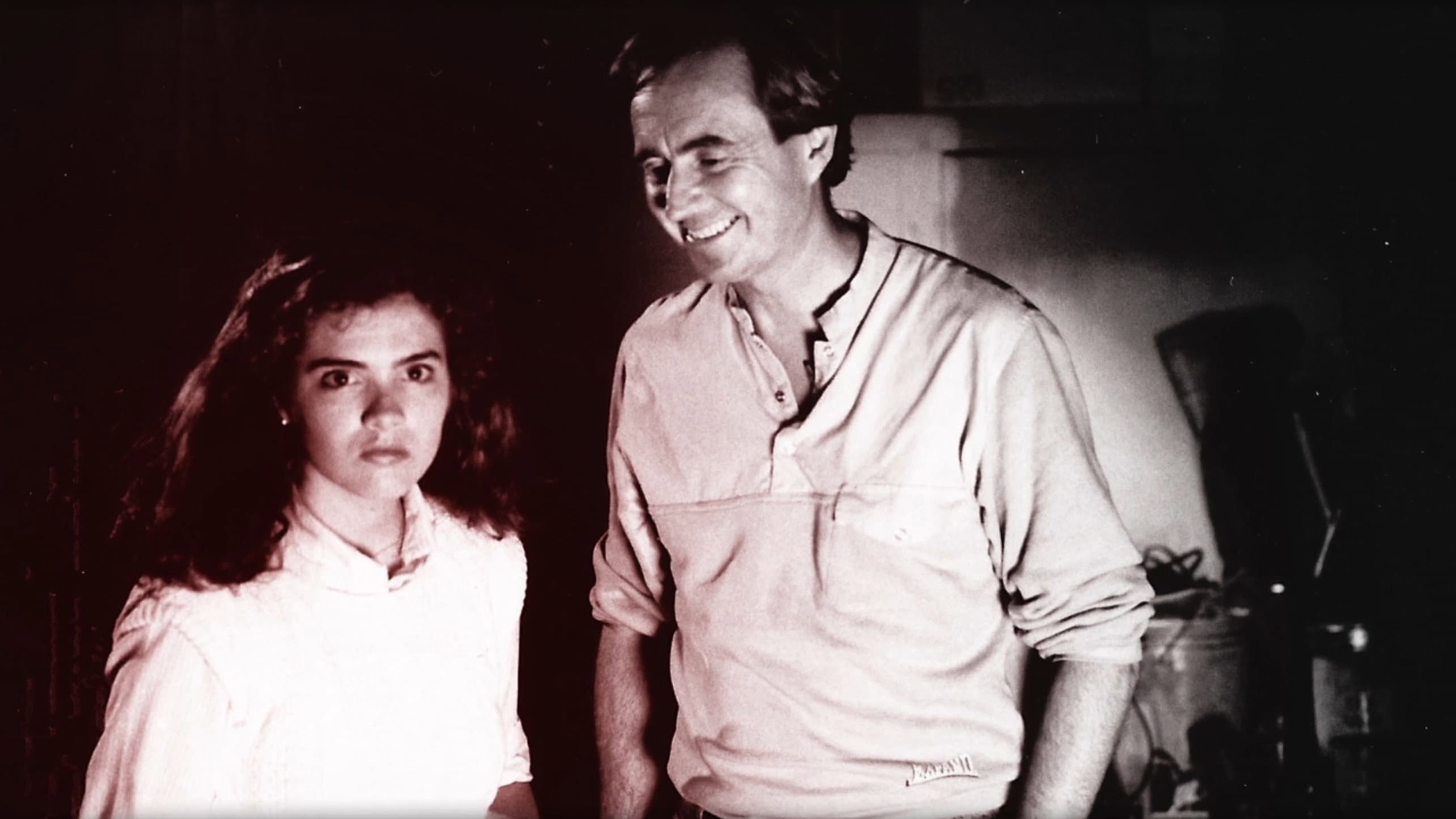
The creative engine behind Drive Theory is Jerrod Richards, a director whose previous work has often blurred the line between visual album and narrative short. He steps into the director’s chair with a clear vision, using the camera as an instrument in itself, cutting on rhythm and feeling rather than just plot beats. The film is anchored by Jonathon Munez, credited as "Himself/JONO," a performance that grounds the abstract anxieties of the story in a deeply physical, relatable reality. He is the still point in a turning world, or at least he tries to be.
Joining him are Chris J and MUDI, both playing themselves, serving as the orbiting gravitational forces that either pull JONO back to center or push him into the void. Their dynamic feels less like scripted dialogue and more like a captured hangout session between friends who understand each other’s fractures. There’s a raw, improvisational energy to their scenes that prevents the film from feeling like a lecture. The only fictionalized character appears to be the "Love Interest," played by Tahja Alijah. She provides the potential for connection - a lifeline that JONO, in his spiraling state, may or may not have the capacity to grab. The film is performed in its original English, a distinctly Hollywood production in its sensibility and craft.
Story & What to Expect
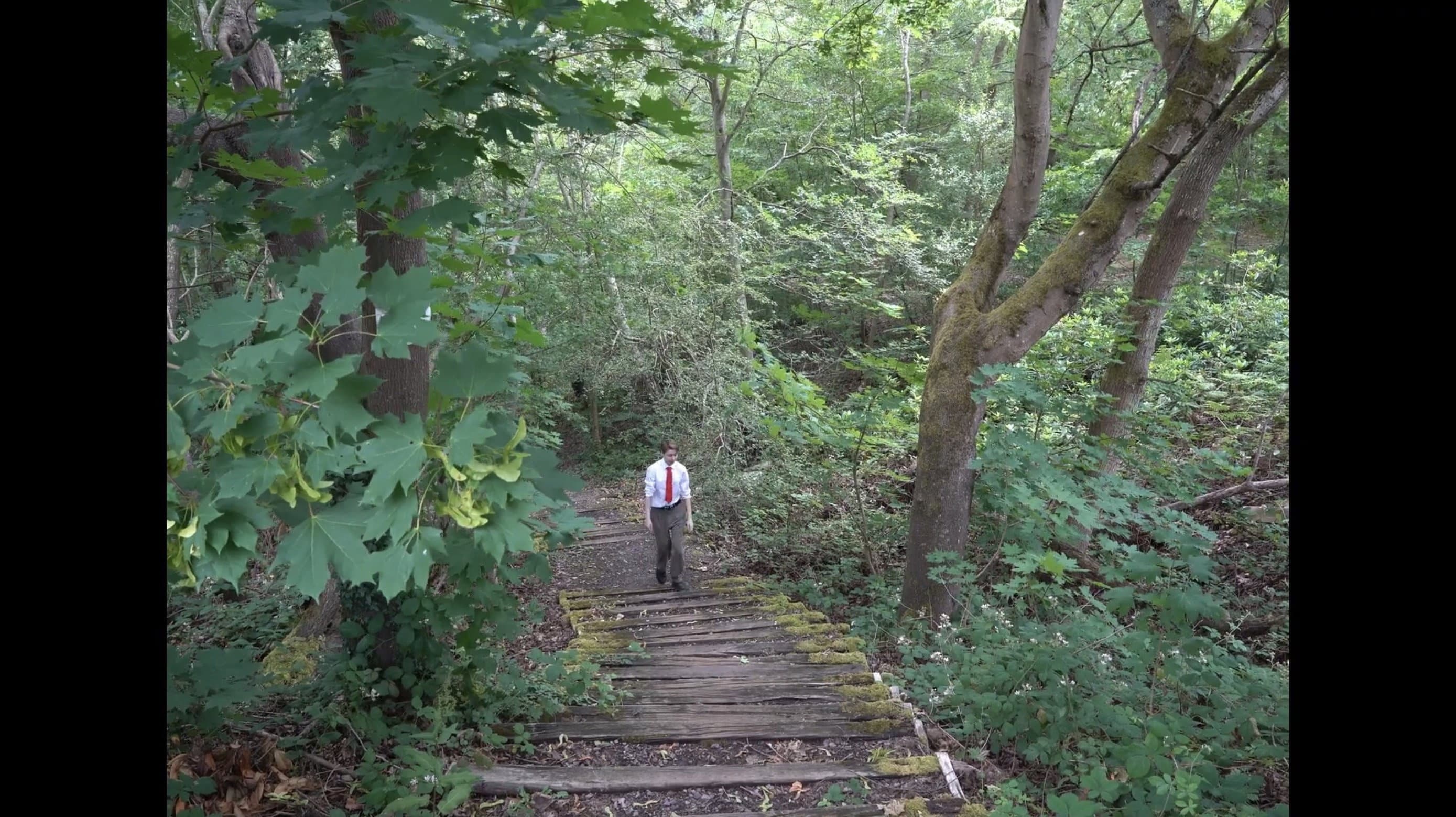
Here’s the premise: a young man is on the precipice of adulthood, attempting to maintain his psychological homeostasis. That’s the clinical description, but the execution is far from sterile. Drive Theory doesn’t rely on expository dialogue to explain JONO’s mental state. Instead, it throws you into his sensory experience. You’ll feel the anxiety in the claustrophobic framing of close-ups, hear the internal monologue in the film’s soundscape, and see the world blur in the periphery of his vision. The "drive" in the title is twofold: it’s the literal act of driving - a motif of forward motion, of being trapped in a vehicle you can't stop - and it’s the psychological drive, the primal urge to move forward even when every instinct screams to brake.
Don't expect a traditional three-act structure. This is a mood piece, a genre exercise in tension. The music, naturally, is the primary language - the score and the diegetic tracks don’t just accompany the action; they are the action. The narrative unfolds through musical transitions, with rhythm changes signaling shifts in JONO’s internal barometer. As the pressure mounts from the expectations of his friends, the potential of romance, and the sheer inertia of his own fear, the film asks a simple, agonizing question: how do you keep yourself together when you feel like you're coming apart at the seams, and everyone is watching?
Why It's Worth Watching
In a cinematic landscape bloated with two-and-a-half-hour blockbusters, there is something radical about a sharply focused 20-minute film. Drive Theory respects your time while demanding your full attention. It’s a calling card for Richards’ directorial style and a showcase for Munez’s magnetic screen presence. The film nails the specific, often unglamorous dread of the quarter-life crisis - that anxiety isn't about a single event, but the accumulated weight of a thousand tiny decisions and the suffocating feeling of a future that’s both wide open and completely closing in.
It’s also an audio-visual experience that rewards repeat viewing. The first watch will get you on the hook emotionally; the second watch will let you appreciate the intricate layering of the sound design and the subtle visual motifs Richards weaves throughout. Because genres are listed as "Music," it holds a unique place in the OTT Stories catalog, appealing both to fans of narrative cinema and to those who appreciate the art of the extended music video elevated to a higher artistic plane. It’s raw, it’s stylish, and it’s unflinchingly honest about the messiness of becoming yourself. This isn’t a film that provides answers; it just makes you feel deeply seen in the confusion of the question. If you’ve ever stood at a crossroads, feeling the overwhelming need to accelerate but terrified of the crash, Drive Theory is your story.