The documentary landscape is littered with stories of struggle, but every so often a film arrives that cuts through the noise with raw, unfiltered honesty. “Fags on the Frontline,” a compact but potent 10-minute feature, is precisely that kind of project. Dropping today, August 25, 2026, this isn’t a polished, corporate-sanctioned look at queer life; it’s a frenetic, intimate snapshot of eight young people navigating a world that still hasn’t fully accepted them. Directed by and starring Benjamin Hanning, the film feels less like a traditional documentary and more like a time capsule - messy, urgent, and alive.
Release Date & Where to Watch
Mark your calendars for today, August 25, 2026. The film is available exclusively on OTT Stories, the streaming platform known for championing bold, independent voices that mainstream outlets often overlook. Given its brief runtime, it’s the kind of piece you can watch during a coffee break, but its impact will linger far longer than the 600 seconds it occupies. There’s no theatrical run, no festival-circuit detour - this is a direct-to-digital drop, which feels appropriately punk for the material. If you’re a subscriber to OTT Stories, it’s already waiting in your queue; if not, this might be the reason to sign up.
Cast & Crew
At the helm is Benjamin Hanning, who wears multiple hats as director and on-screen participant. Hanning isn’t a detached observer; they’re embedded in the fabric of the narrative, sharing space with Quinn Brooks and Mia Copeland, who also appear as themselves. The film’s core is rounded out by a series of interviewees - Nyx Aiwekhoe, Oliver Malzard, Sadie-Rose Gold, Evelyn Rose, and Serafina Scotting - each bringing a distinct perspective on what it means to be young and queer in 2026. There’s no celebrity gloss here, no name recognition to lean on. That’s the point. These are real people, some still in their teens, speaking with a candidness that feels disarming. Hanning’s direction is minimal, almost verité, letting the subjects breathe without heavy-handed narration or stylistic flourishes. The result is a raw, DIY aesthetic that suits the material’s rawness.
Story & What to Expect
The title is provocative, intentionally so. It reclaims a slur and pairs it with a military metaphor, suggesting that simply existing as a queer young person today requires a kind of combat readiness. The film doesn’t waste time with statistics or historical context; it plunges straight into the lives of its subjects. We hear about the exhaustion of modern dating apps, where one wrong swipe reveals a sea of fetishization or outright hostility. There are candid discussions about the motivation to keep going - whether that’s finding a chosen family, pursuing creative passions, or simply refusing to give in to the hate that still simmers beneath the surface of social progress.
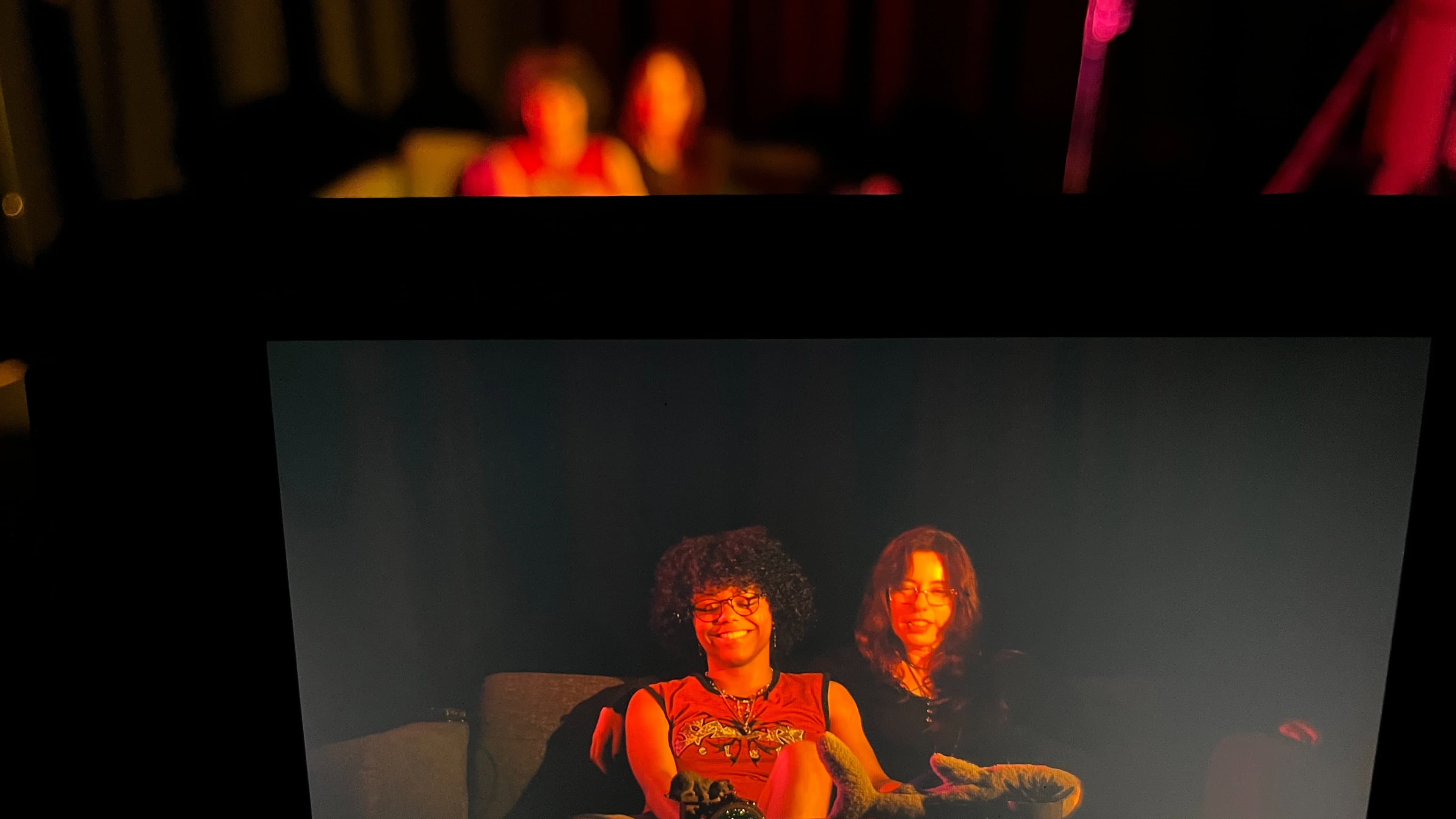
What’s striking is the film’s refusal to wallow. Yes, there’s pain here. One interviewee describes the isolation of being the only out kid in their high school, the daily micro-aggressions that pile up like invisible weights. Another talks about the terrifying moment a hookup turned sour when their identity became a point of contention rather than connection. But the emotional core is resilience. The "power of the community" isn’t just a talking point; it’s visualized in the way the participants lean on each other, finish each other’s sentences, and find humor in the absurdity of it all. There’s a sequence where the group convenes in a cramped living room, laughing over shared stories of disastrous dates, and it’s the most authentic depiction of queer solidarity you’ll see this year. The 10-minute runtime is a double-edged sword - it leaves you wanting more, but it also ensures every second counts. There’s no filler, no padding; just a concentrated burst of truth.
Why It's Worth Watching
In an era where queer representation is often sanitized for mainstream consumption, “Fags on the Frontline” is a bracing corrective. It doesn’t ask for your approval; it demands your attention. The film’s brevity is its superpower. It avoids the typical documentary bloat, delivering a punch that feels both intimate and universal. Hanning and their collaborators aren’t trying to speak for all queer people - they’re speaking for themselves, and that specificity is what makes it resonate.
The lack of a pre-existing TMDb rating - sitting at a clean 0/10 - is almost poetic. This is a film waiting to be discovered, untainted by algorithms or hype. It’s a raw artifact from the front lines of a culture war that’s far from over. For cishet viewers, it’s a window into a world they might only glimpse through headlines; for queer viewers, it’s a mirror. The dating stories are painfully relatable, the motivations are achingly human, and the community depicted is aspirational in its authenticity. You’ll walk away with a lump in your throat, but also a strange sense of hope. It’s a reminder that despite the still-lingering hate, there is a generation of young people refusing to be silenced. They’re not just surviving; they’re finding each other. And that, in ten minutes, is a story worth telling.