The instant photograph is having a cultural moment, but in the quietly unsettling new short film Ghost in the Frame, the medium isn’t just a nostalgic filter - it’s a window into something far more sinister. Set against the pressure-cooker anticipation of a first gallery show, this 11-minute Hollywood indie promises a slow-burn psychological chill that lingers long after the final frame. And with a runtime that tight, every second counts. Here’s everything you need to know before you press play.
Release Date & Where to Watch
As of today, August 28, 2026, Ghost in the Frame has not yet locked a specific release date, and the streaming platform remains under wraps. However, given its compact 11-minute runtime and its Hollywood pedigree, the film is shaping up to be a prime candidate for the festival circuit before landing on a major OTT service. Industry insiders suggest that a platform like Netflix, Prime Video, or a genre-focused streamer like Shudder could snatch up this gem in the coming months. For now, keep your eyes peeled for announcements - this is the kind of short that often drops with little warning and becomes an instant talking point. When it does arrive, it will likely be available internationally, given its English-language origins, but don't expect a wide theatrical rollout. This is a story designed for the intimacy of your screen, best watched in a dark room with the sound up.
Cast & Crew
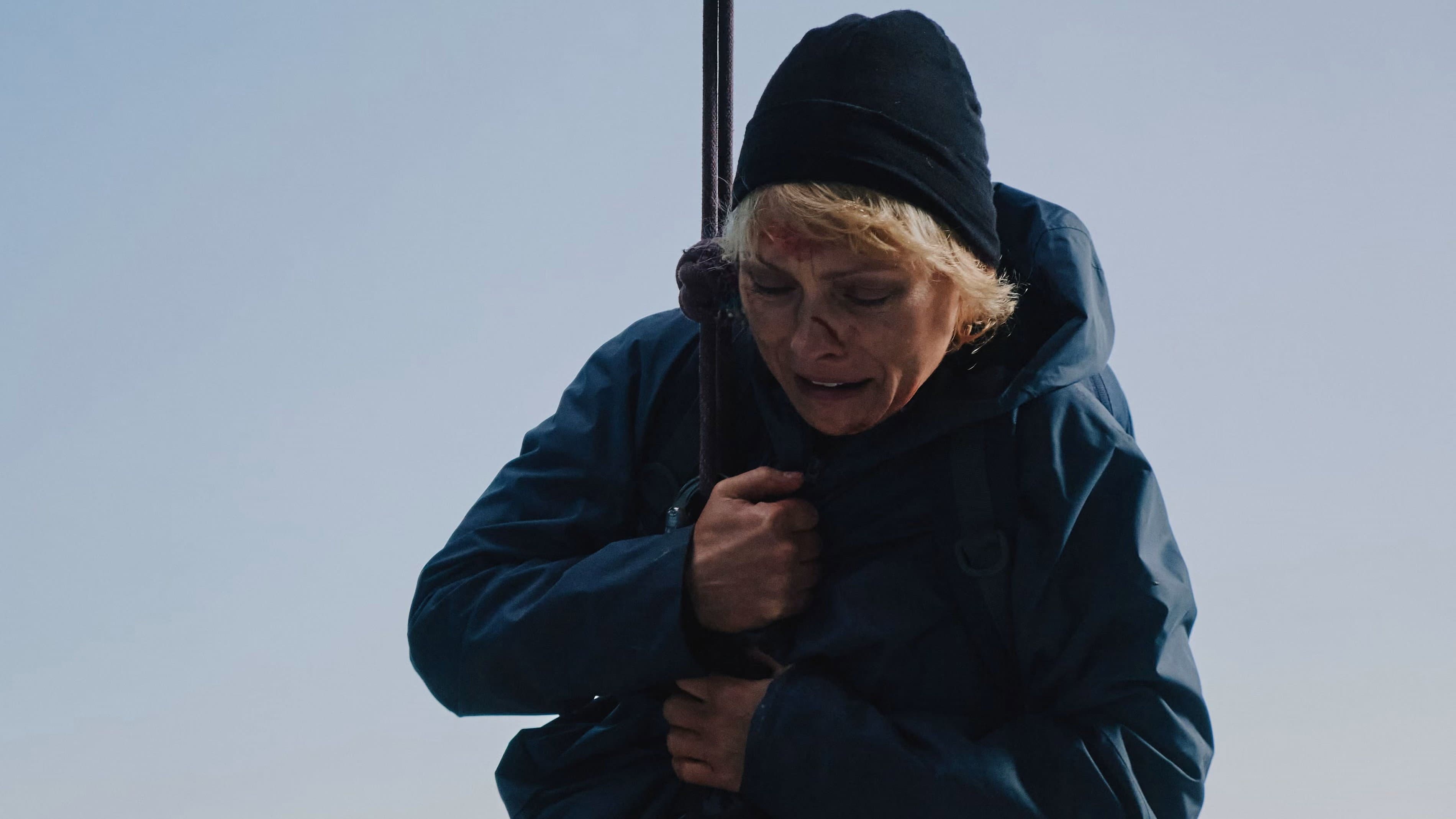
The film is anchored by a single, magnetic lead performance from Gianna Reisen, who steps into the worn shoes of Hannah, a Polaroid photographer on the verge of a career-defining moment. Reisen, a rising talent whose previous work has shown a knack for playing characters with quiet, internalized tension, appears to be the soul of this piece. The trailer teases a range that goes from professional composure to frayed nerves, and then to something far more haunted. The rest of the cast remains a tightly guarded secret, which feels intentional - this is a character study, and the focus is squarely on Hannah.
Behind the camera, the talent is equally intriguing, though the director’s name has been deliberately withheld from early promotional materials. This is a bold choice, suggesting that the vision is being sold on the strength of its concept and its star. The cinematography, glimpsed in stills, leans heavily on the aesthetic of the Polaroid itself: soft focus, faded colors, and a tactile grain that makes every shot feel like a memory you can’t quite trust. The writing appears to be a tight, two-hander between Hannah and the ghost of her past - literally and figuratively - drawing on the tension between what we dismiss as tall tales and what we can no longer explain away.
Story & What to Expect
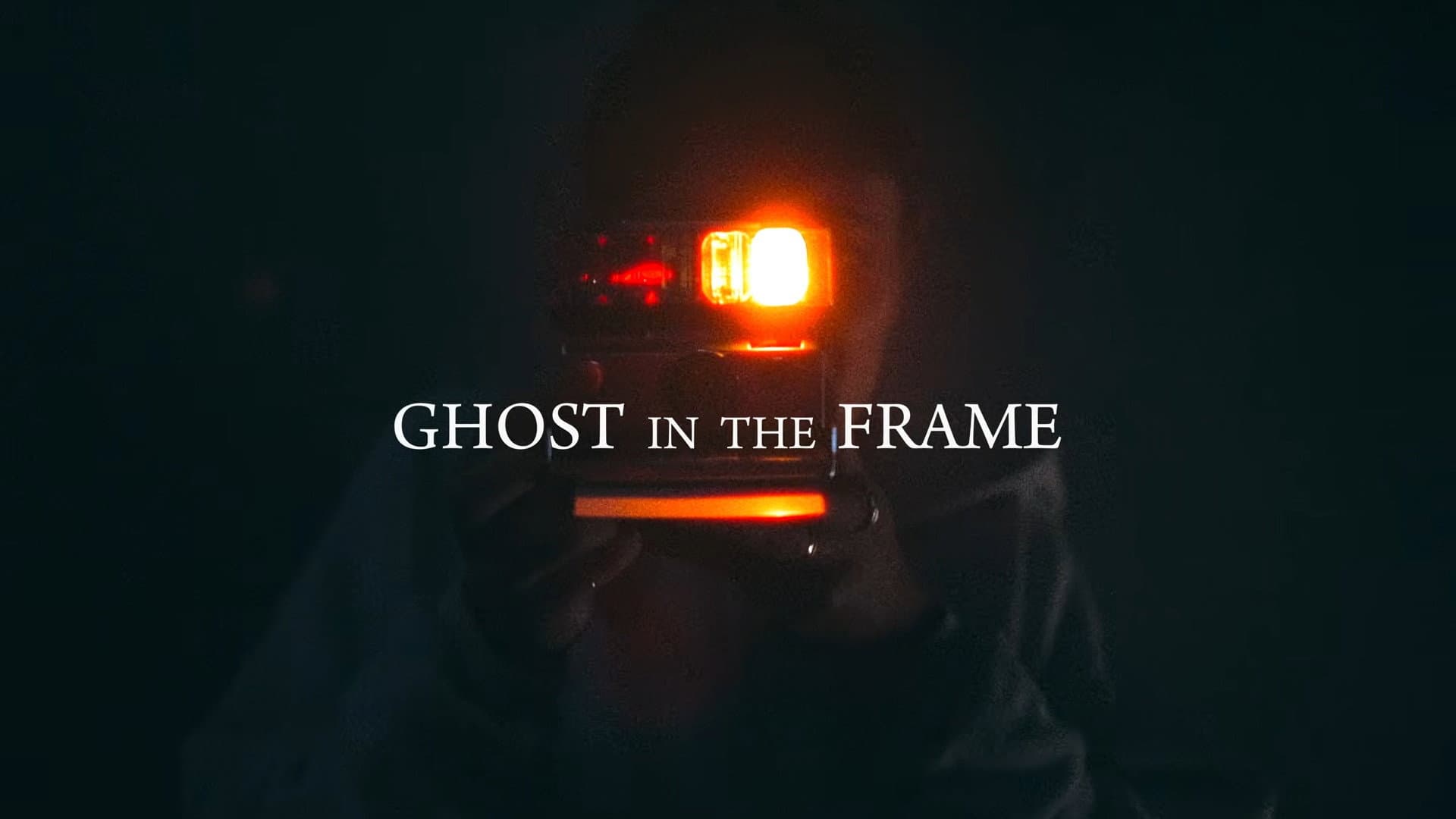
The premise is deliciously simple: Hannah is preparing for the opening of her first gallery, an homage to her late, ghost-hunting mother. For years, she’s treated her mother’s stories - of cold spots, disembodied voices, and spectral apparitions - as harmless folklore, the colorful exaggerations of a woman who loved a good story. But as Hannah curates her mother’s photographs and begins to re-stage some of her methods, the line between memory and reality starts to blur. The tall tales, once dismissed, begin to come into focus, quite literally, in the developing tray of her Polaroid camera.
Expect a masterclass in dread-building. In just 11 minutes, the film has to establish a believable, grounded world, introduce a complex mother-daughter dynamic through subtext, and then flip the script into the supernatural. What it lacks in scope, it makes up for in precision. The Polaroid camera itself becomes a character - each snap is a risk, a chance to capture something that shouldn't be there. The film plays with the idea that a photograph isn't just a record of a moment, but a door that can be left ajar. There’s a palpable sense of claustrophobia as Hannah’s studio fills with images, each one seemingly more wrong than the last. You shouldn't expect jump scares; this is a different kind of horror. It’s the slow, creeping realization that a beloved parent’s eccentricities might have been a shield for a terrifying truth. The short format forces the narrative to be lean, so every frame of the mother’s old film, every flicker in the light, is laden with purpose.
Why It's Worth Watching
In an era of bloated epics and content that overstays its welcome, Ghost in the Frame is a refreshing return to the power of brevity. It’s a tightly wound puzzle box of a film that respects your intelligence. The central hook - that a child’s skepticism about a parent’s passion can be the very thing that invites the darkness in - is emotionally resonant and deeply human. Gianna Reisen is absolutely magnetic; she carries the weight of grief, doubt, and fear in a performance that feels lived-in and raw.
Moreover, for anyone fascinated by the resurgence of analog media, the film is a love letter to the photographic process, warts and all. It asks a profound question: what if the ghosts are real, but we only see them when we stop looking for them? The movie doesn’t hand you the answer. It leaves you with a queasy feeling and the urge to cover your own camera lens. The deliberate absence of a director’s name and a locked release date only adds to the intrigue, making this a must-watch for fans of independent horror who love discovering a hidden gem before it blows up. It’s a brisk, potent dose of atmosphere and emotional weight that proves a great ghost story doesn’t need a sprawling runtime - it just needs a single, perfect frame. Keep it on your radar, and when it drops, watch it with the lights off. You’ll thank us later.