It’s a quiet, curious corner of the internet where the raw, pixelated grief of Omori meets the tactile intimacy of live-action filmmaking. Titled simply HIKIKOMORI, this fan-made adaptation has been circulating through niche communities, and it arrives with a weight that belies its modest 77-minute runtime. It’s not a Hollywood blockbuster in the traditional sense - there’s no studio marketing machine behind it - but it is a Hollywood production by origin, crafted with the kind of obsessive, handmade passion that often gets ironed out of big-budget productions. Here’s everything you need to know before you press play.
Release Date & Where to Watch
The precise release date for HIKIKOMORI remains frustratingly vague, which feels oddly appropriate for a project that lives in the shadows of mainstream distribution. As of today, August 30, 2026, there is no official theatrical rollout or major streaming platform attachment. This is a grassroots effort, so your best bet is to keep an eye on independent VOD platforms, niche streaming services like cultpix or even a director’s personal Vimeo page. Given the fan-film status, it’s also plausible that the creators will eventually release it for free on YouTube or as a digital download via a dedicated website. Because the release is unknown, your most reliable move is to follow director Sergio J Pérez’s social media channels - he’s been the most vocal about potential distribution deals. Don’t expect a Netflix drop; expect a scavenger hunt.
Cast & Crew
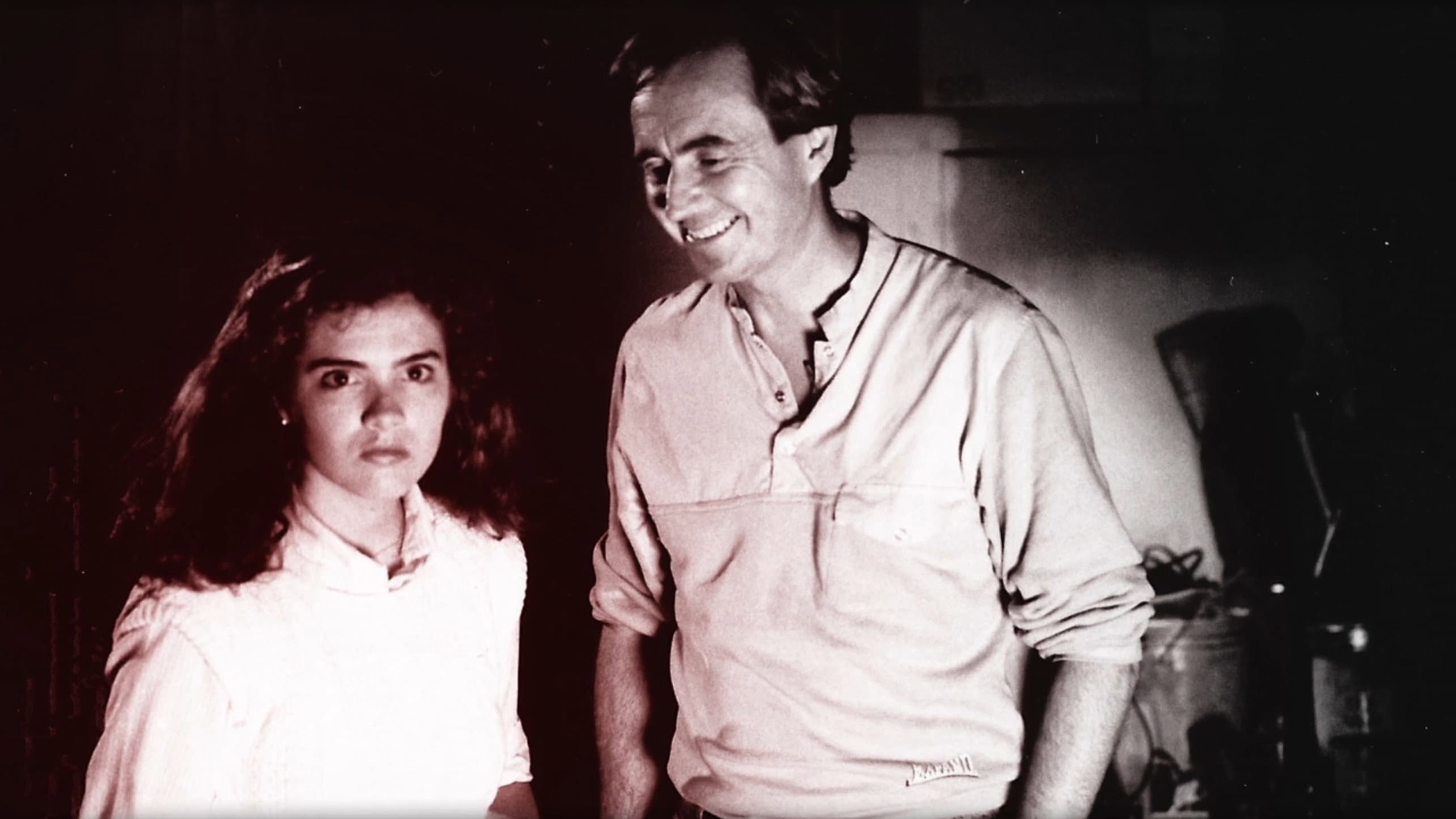
At the helm is director Sergio J Pérez, a name that might not ring bells in mainstream circles but who has clearly marshalled a tight, resourceful crew to pull off a project of this ambition. Pérez’s direction appears to lean into the liminal, dreamlike quality of the source material, trading flashy effects for sustained atmosphere. The cast is small but distinctive. María R. steps into the spiky, emotionally volatile shoes of Aubrey, the pink-haired hothead whose tough exterior hides a fractured heart. It’s a demanding role, balancing aggression with vulnerability, and María R. seems to channel the character’s repressed trauma with a palpable physicality. Opposite her, Lorena P. takes on Basil, the gentle, anxious photographer whose obsession with memories and flower crowns is the story’s tragic catalyst. Basil is a notoriously difficult character to render without tipping into melodrama, but Lorena P. reportedly brings a soft-spoken, melancholic realism to the role. With a runtime this short, the cast has no room to waste, and both leads carry the emotional weight without any visible strain. No other major cast members have been listed, which suggests a lean, focused ensemble - perhaps even a two-hander approach for long stretches.
Story & What to Expect
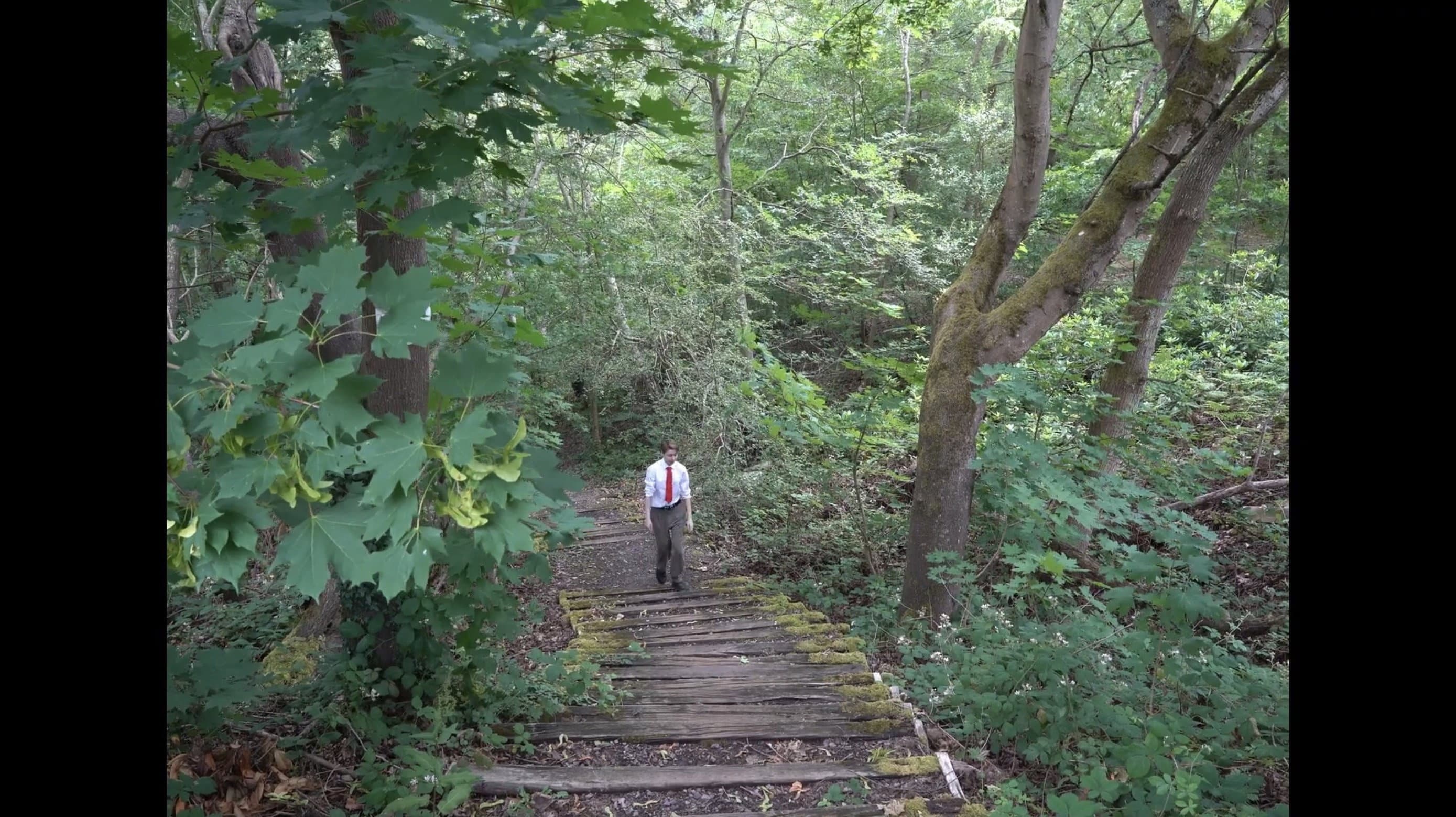
If you know the game, you know the shape of the nightmare. HIKIKOMORI takes the central thesis of Omori - that the mind can build a fortress to protect against unthinkable pain - and translates it into a live-action, English-language context. The title itself, a Japanese term for acute social withdrawal, signals the adaptation’s core theme: the prison of the self. The narrative follows a hikikomori protagonist, a stand-in for the game’s silent hero Sunny, who lives a reclusive existence inside his own home and, more importantly, inside an elaborate fantasy world known as Headspace. That bright, monochrome world is rendered here with lo-fi practical effects, painted backdrops, and clever lighting rather than CGI gloss. Expect the jarring tonal whiplash the game is famous for: sugary, candy-colored interactions with quirky friends (Aubrey and Basil among them) that gradually curdle into visceral horror.
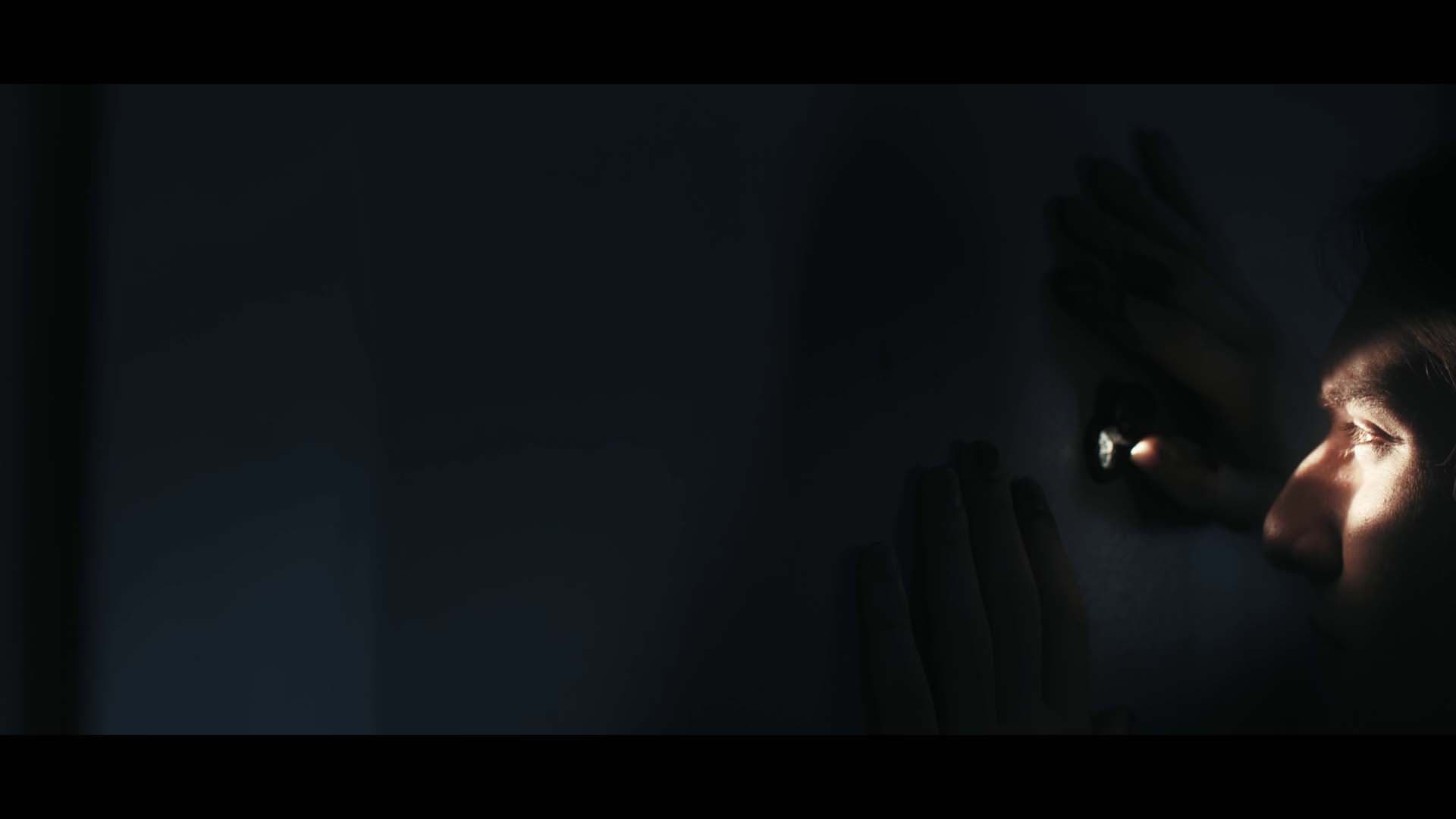
But don’t expect a beat-for-beat recreation. A 77-minute film simply cannot contain the game’s 20+ hour narrative arc. Instead, Pérez and his team have condensed the structure into a fever dream that focuses on the tipping point - the moment when the fabricated reality starts to crack and the protagonist must confront the "Something" lurking beneath the floorboards of his psyche. The film leans heavily on visual storytelling, with long, wordless sequences that capture the suffocating stillness of a room untouched by sunlight. The horror is less about jump scares and more about psychological dread, a slow-burning realization that the friend you’re protecting is a ghost. The use of black-and-white contrasts against muted color palettes is likely to be a key visual signature, mirroring the game’s stark representation of physical versus mental worlds.
Why It's Worth Watching
Let’s be clear: this is not for the uninitiated. If you’ve never played Omori, HIKIKOMORI might feel cryptic, occasionally disjointed, and low-budget in ways that could be mistaken for amateurishness. But for the legion of fans who call the game a formative experience, this is an artifact of pure love. It’s a rare example of a fan project that respects its source material enough to experiment with it, rather than simply cosplaying it. The decision to cast adult women as Aubrey and Basil - characters who are teenagers in the game - adds a subtext of weathered maturity, suggesting that these childhood friends have been trapped in this loop for years beyond what is shown. It’s a smart, subtle change.
The production value will not rival a Marvel picture, but that’s exactly why it works. The handcrafted sets - which look like a child’s bedroom stretched into surreal dimensions - give the film a tangible, almost uncomfortable intimacy. You feel the dust in the air. The sound design, crucial for a story about repression, reportedly uses moments of deafening silence against a sparse, melancholic piano score that echoes the game’s original soundtrack without directly copying it. Director Pérez shows a clear understanding that the deepest horror is not in the monster, but in the locked door behind which you’ve hidden your worst memory.
There’s also a meta-narrative resonance here. The film itself is a "hikikomori" of sorts - a piece of art made in a creative cocoon, itching to reach the world but struggling with the logistics of visibility. With the TMDb rating sitting at a blank 0/10, it hasn’t been scored by the crowd yet, which makes watching it a gamble, but a worthwhile one. You’re not watching a corporate product; you’re watching a desperate, sincere confession in cinematic form. For those willing to meet it on its own terms, HIKIKOMORI offers a poignant, unsettling, and deeply empathetic look at how we hide - and what it takes to finally open the door. Just have some tissues ready, and maybe a light on.