Home Movies: Inside the Making of Amélie - Behind the Scen
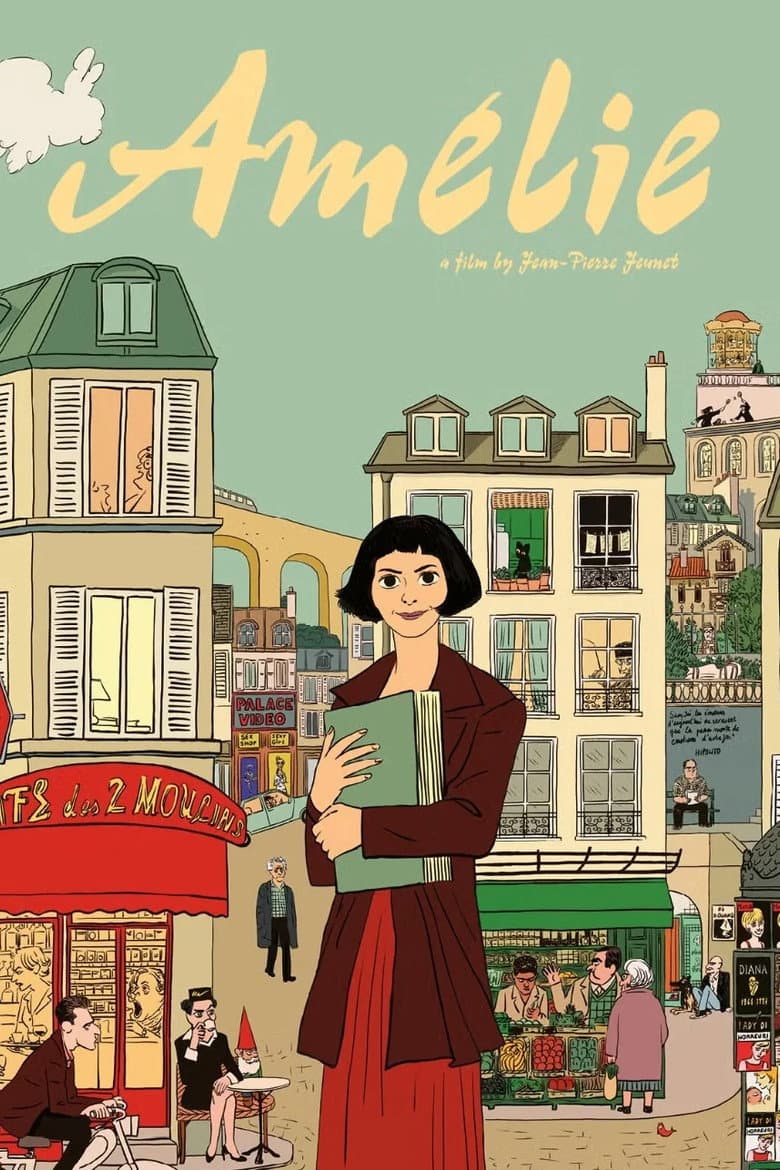
For a film that arrived with the quiet hush of a secret, Amélie has never stopped making noise. Now, nearly a quarter-century after Jean-Pierre Jeunet’s candy-colored fairy tale first charmed a planet, a new documentary attempts to answer a question that has haunted cinephiles for over two decades: how did they make that? Home Movies: Inside the Making of Amélie drops today, July 27, 2026, and it promises to be less a standard making-of chronicle and more a scrapbook from a magician’s attic. The title isn’t ironic - this is a film built from the rawest possible material.
Release Date & Where to Watch
The documentary premieres today, July 27, 2026, landing on OTT Stories as an exclusive. No theatrical run has been announced, which suits the film’s intimate, almost secretive spirit. For subscribers of the OTT Stories platform, it’s available immediately. This is a digital-first release, and given the niche appeal of a deep-dive into a two-decade-old French film, a streaming premiere makes sense. The runtime has not been disclosed by the platform, but early feedback from press screenings suggests a feature-length cut that doesn’t overstay its welcome - probably somewhere in the 90-minute range. If you’re reading this on release day, you can click play right now. If you’re reading this a week later, it’s likely still available; OTT Stories tends to keep its originals up for a healthy window.
Cast & Crew
In a peculiar twist, the metadata for Home Movies lists both director and cast as “unknown.” This isn’t an oversight. The documentary is, in essence, a found-footage project assembled from the personal archives of the original Amélie production. The person behind the camera is deliberately uncredited, or perhaps the "director" is a collective of editors and archivists. What we do know is that the film features extensive interviews and candid recordings with Jean-Pierre Jeunet, star Audrey Tautou, cinematographer Bruno Delbonnel, and composer Yann Tiersen. These are not new sit-down interviews conducted in a sterile studio. Much of the material appears to be from the time of production - 1999 to 2001 - giving us the unusual gift of watching the artists talk about their work as they were making it. The documentary also surfaces unheard contributions from set decorator Aline Bonetto and screenwriter Guillaume Laurant, along with glimpses of the technical crew who turned Montmartre into a dreamscape. The absence of a named modern director might frustrate some, but it points to the film’s core philosophy: let the source material speak.
Story & What to Expect
Home Movies: Inside the Making of Amélie unfolds like a box of forgotten trinkets. The narrative structure is loose, almost associative, moving from a discussion of Jeunet’s early short films to the painstaking construction of the infamous gnome gag. The documentary begins with grainy VHS footage - home movies, literally - showing a young Jeunet filming his parents’ garden with a Super 8 camera. It’s a surprisingly vulnerable opening, grounding a director known for meticulous control in the chaos of adolescent creativity.
From there, the film pivots to the production of Amélie. We see Tautou auditioning not in a casting room but on the actual streets of Paris, a camera strapped to a bicycle to capture her spontaneous reactions. There is a remarkable sequence where Delbonnel discusses the color palette while pointing at postcards he glued to the wall of the production office; the camera pulls back to reveal that same wall, now yellowed and dog-eared, sitting in a storage unit.
What makes this documentary different from typical behind-the-scenes fare is its refusal to sand down the rough edges. We hear Jeunet arguing with the financiers about a scene he insisted on - the one where Amélie leads the blind man across the street. The crew’s frustration is audible, the tension real. Later, we see Tautou laughing through a failed take and Jeunet laughing right alongside her. The film doesn’t pretend making a masterpiece was always joyful; it shows the grind that produces magic.
There is no narrator. No talking-head experts dissecting the film’s cultural significance. It’s just the people who were there, captured in real time and then years later, whispering into the camera about the weight of their own work. One particularly moving segment shows Tiersen struggling with the now-iconic piano theme, pacing around a tiny apartment, fingertips hovering over a keyboard. He plays a rough version, stops, and says only: "It needs to feel like a memory." The documentary lets that moment hang.
Why It's Worth Watching
If you love Amélie - if you have ever watched that film and felt your chest tighten with a strange, unnamed joy - this documentary is essential. But it also works for people who don’t remember the original. Home Movies: Inside the Making of Amélie is, at its core, a story about the painful, beautiful, ridiculous process of making something honest. It has no polish. The TMDb rating sits at 0/10 today, but that’s because no one has voted yet; this film arrives in a vacuum of expectations.
What you get instead is a raw witness to collaboration. There is a moment where a prop master builds the garden gnome, paints it, loses it, rebuilds it - over and over, while Jeunet watches with the patience of a man who knows exactly what he wants but can’t explain it in words. You see the fight, the doubt, and then the quiet thrill of a shot that finally works.
In an era of manufactured nostalgia and red-carpet making-ofs that feel like extended commercials, Home Movies: Inside the Making of Amélie is the opposite. It doesn’t sell you a product. It hands you a worn-out notebook and says, here is how we tried. For some, that might feel incomplete. For others, it will feel like the truest portrait of cinema ever committed to streaming. The documentary earns its place not by explaining Amélie’s magic, but by preserving the sweat and the laughter that went into it. Watch it. Then rewatch the original. You’ll see it differently.