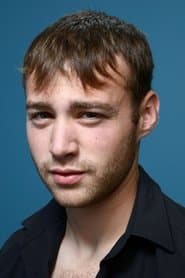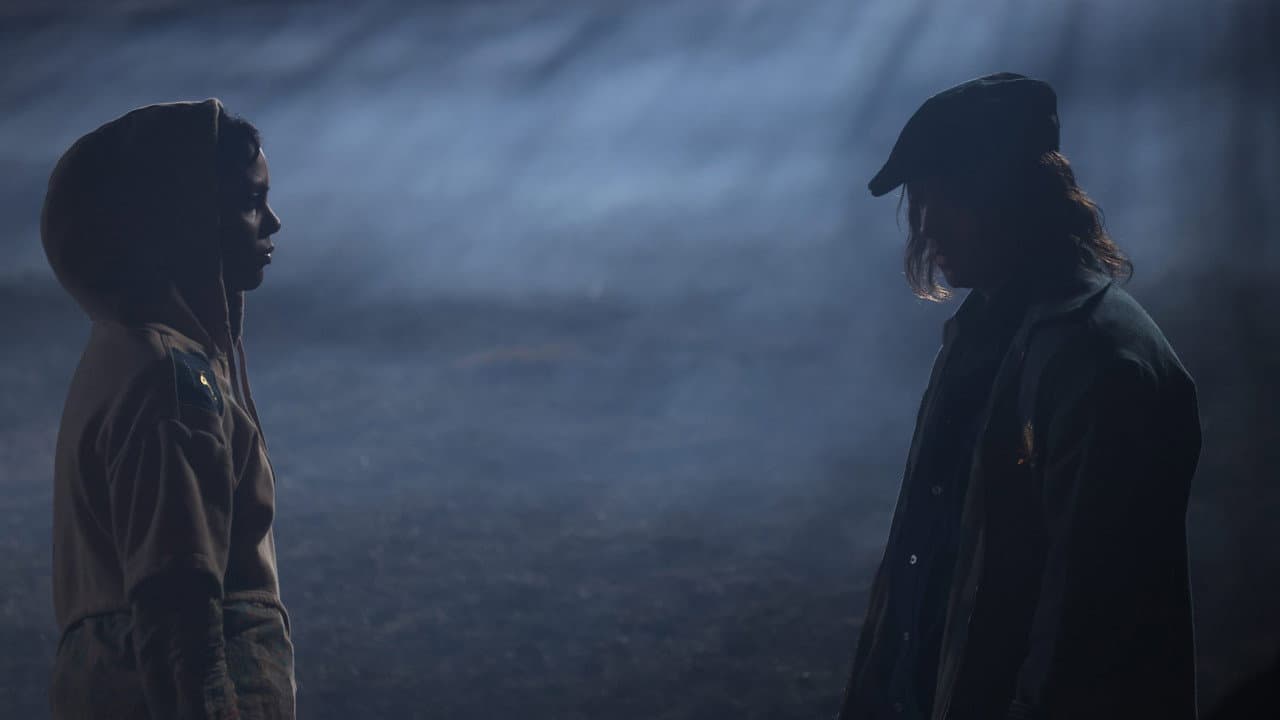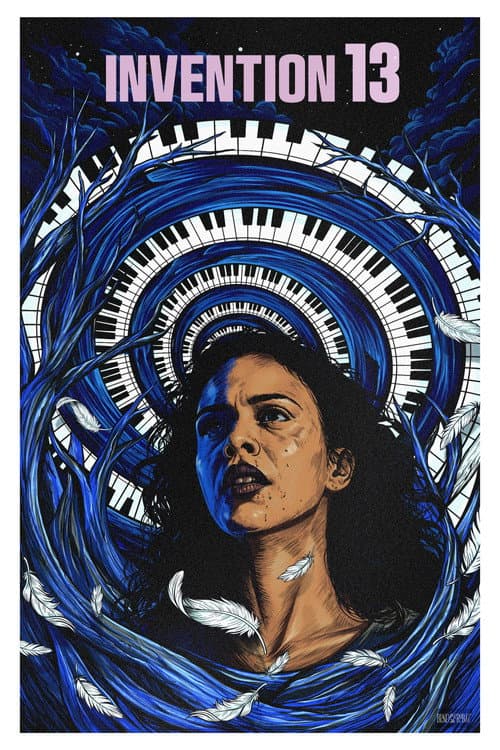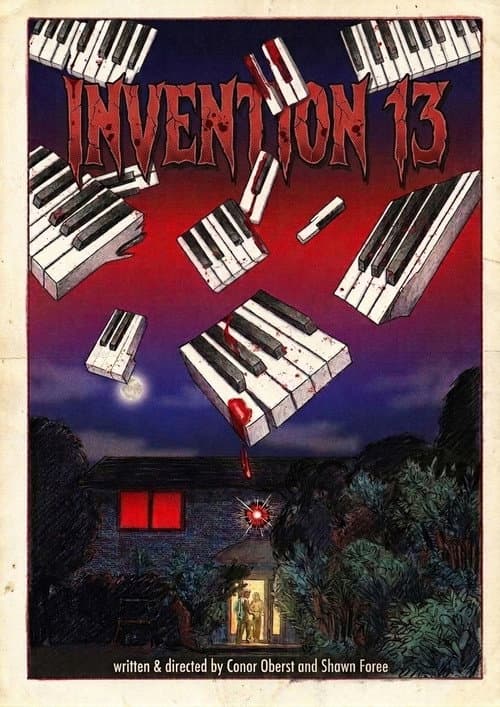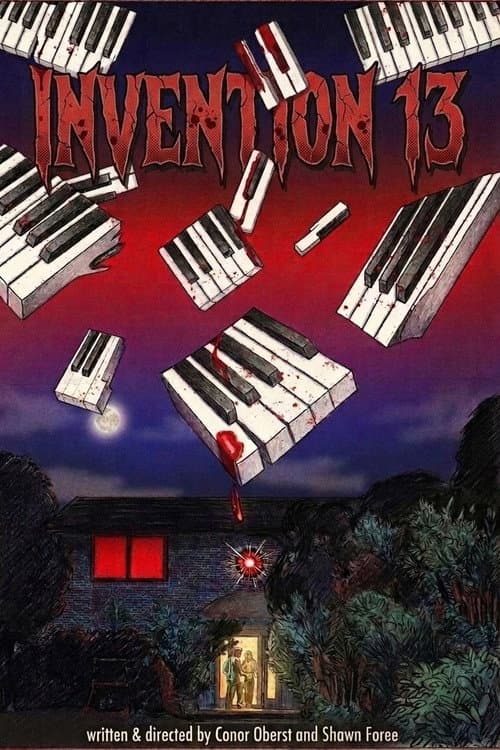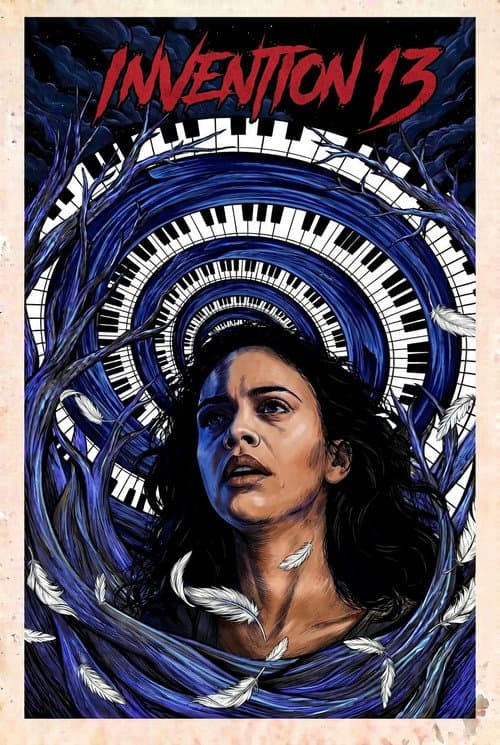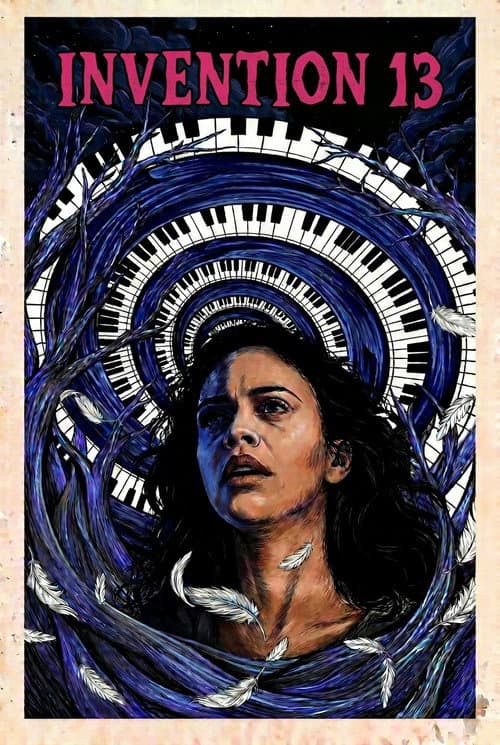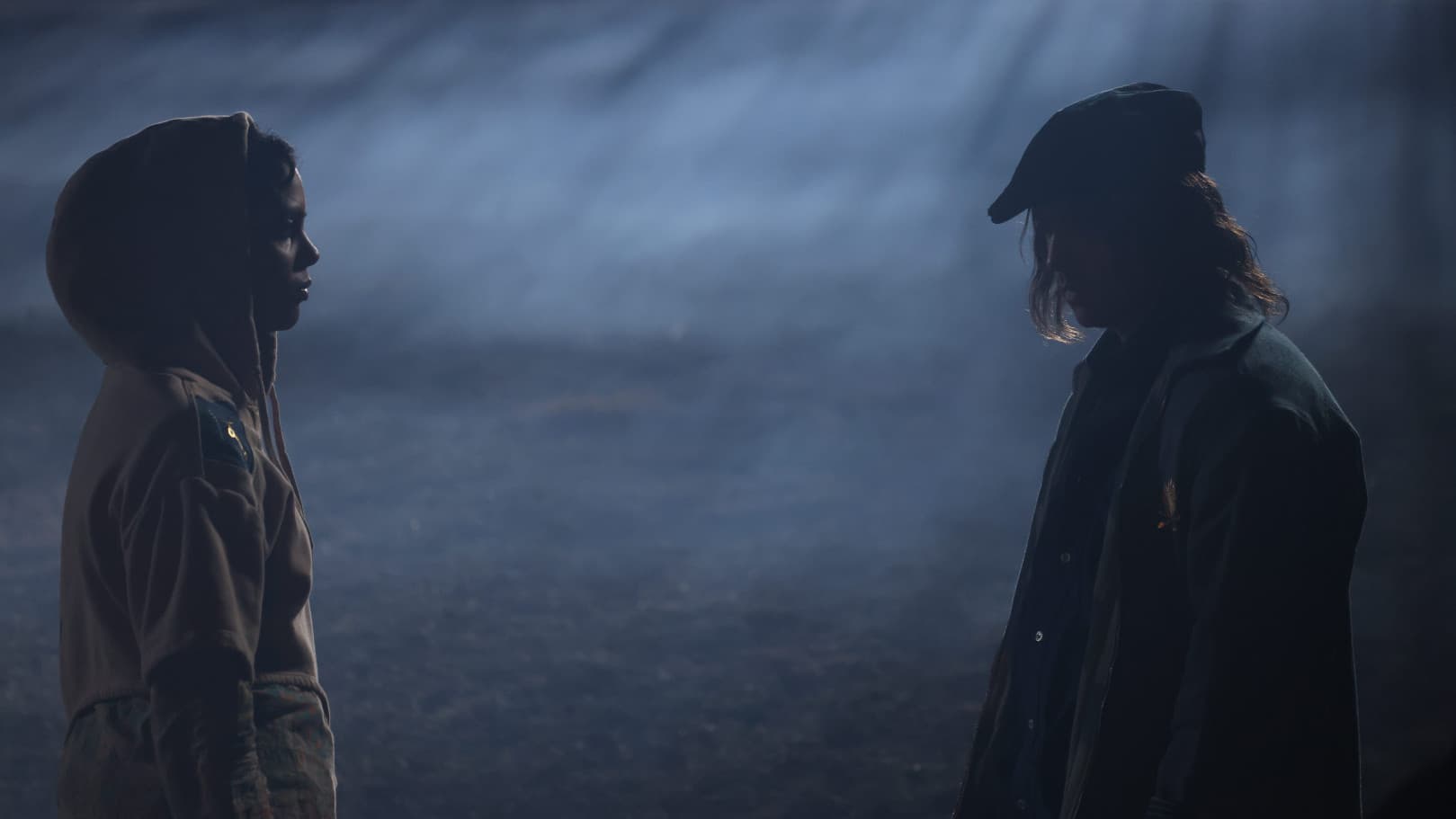
Christopher (Emory Cohen) is a pianist holed up on a cold, windy night, attempting to wrestle Bach's Invention No. 13 into submission. Any pianist will tell you this is not the hardest piece in the repertoire, but it is one of the most merciless in its demands for evenness and independent hands. Christopher is not even. Christopher's hands are not independent. And as the night deepens, the obstacles he faces stop being merely technical.
Monique (Olivia Howard) drifts through his orbit, offering a grounding human presence, while Tabitha (voiced by Phoebe Bridgers) exists largely as a disembodied guide or goad, pushing him further into the labyrinth. Then there is Nelly Morville's Future Dusk, a figure whose name alone tells you the film is reaching for something larger than a bad practice session. The score becomes a maze, the room becomes strange, and Christopher's frustration becomes something closer to a haunting.
At its best, the story works as a literalization of every musician's private war with a piece of music that seems to know more than they do. At its weakest, it gestures toward profundity without quite earning it. Fifteen minutes is not much time to build a mythology, and Oberst occasionally mistakes atmosphere for meaning.