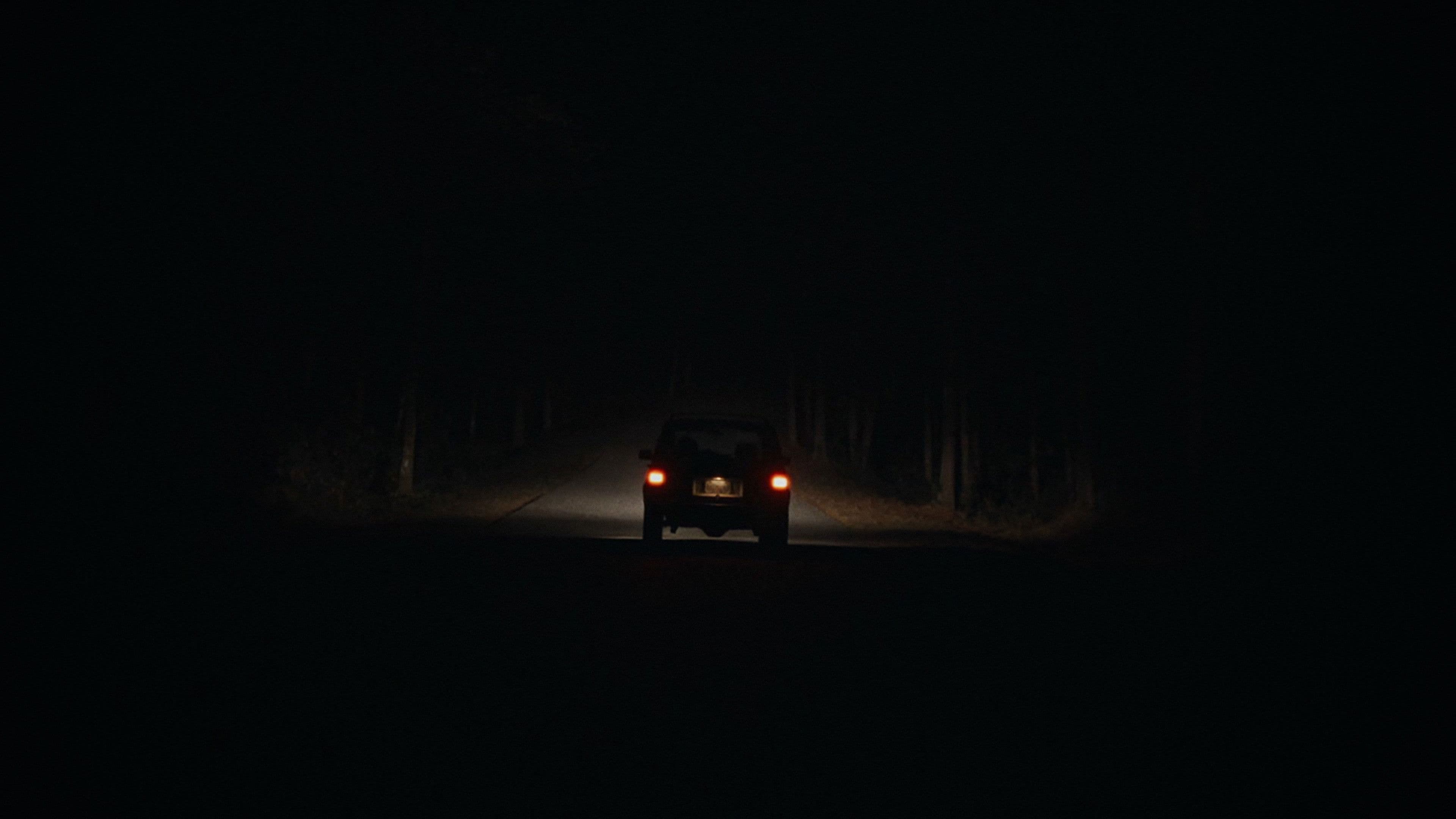
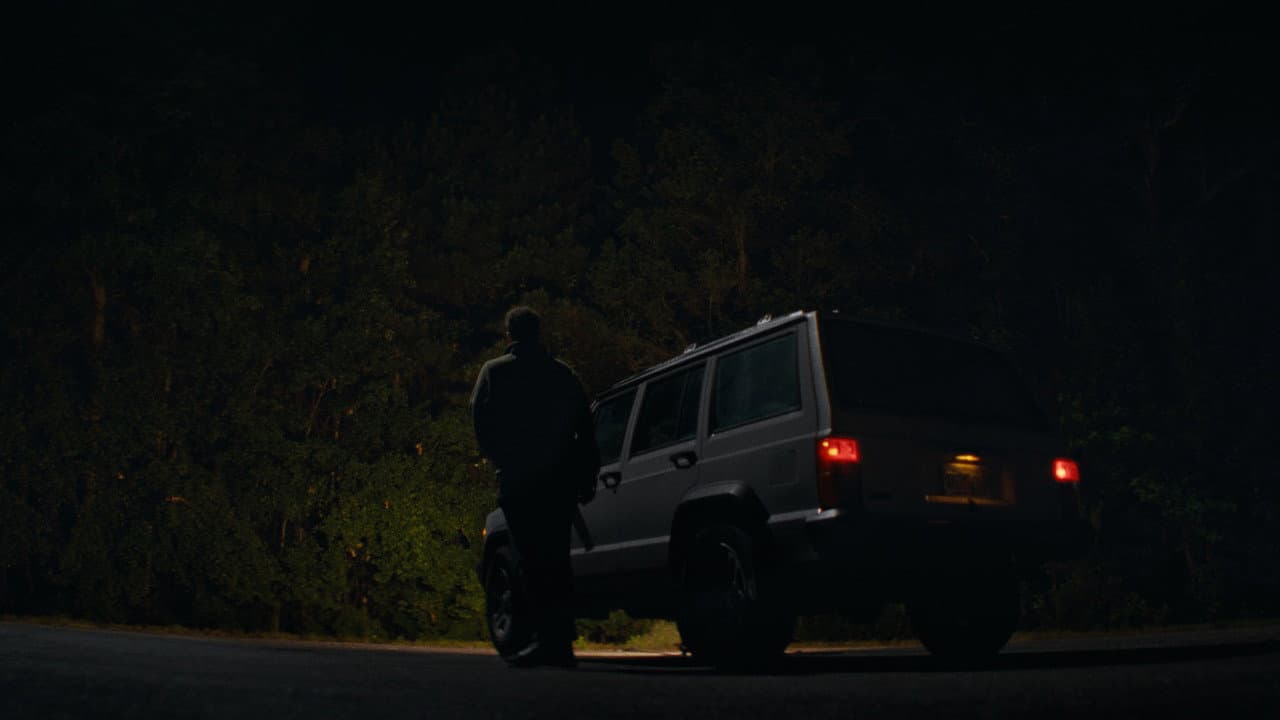
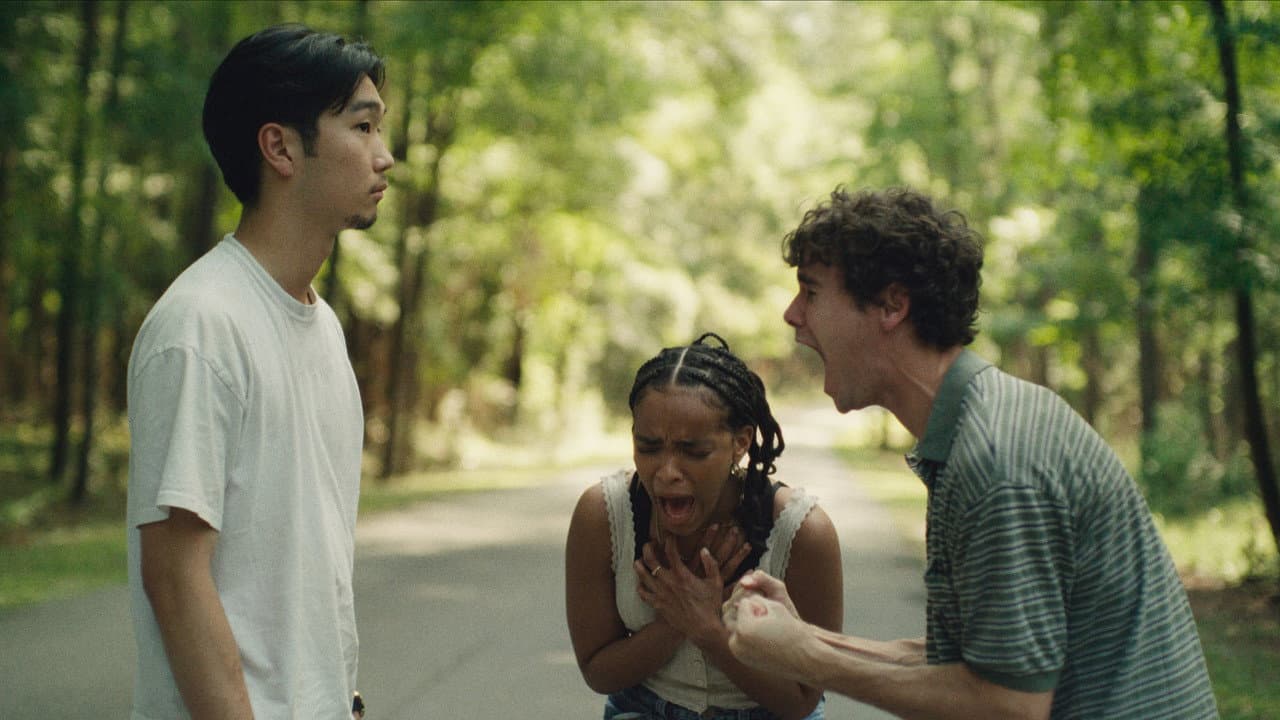
The premise is elegantly simple. Four recent graduates - James, Day, Fisher, and Tyler - decide to grab a late-night bite, desperately clinging to the last embers of their shared friendship. Their casual banter about the future is sharply interrupted when they take a wrong turn. Suddenly, the familiar suburban roads dissolve into an endless, two-lane purgatory. The road repeats, the scenery is a static, lifeless void, and the radio only plays a sinister, looping hum. As the miles tick by without end, the group’s sanity begins unraveling. They encounter solitary, broken figures on the roadside, and their initial camaraderie splinters into paranoia, desperation, and accusations. The core conflict isn’t just against the environment, but against the psychological toll of being irrevocably lost, forcing them to decide whether to accept this new reality or drive toward a futile confrontation with the unknown.
Advertisement
160×600
Left Ad
It Ends (2026) Review: Post-Grad Horror on the Road
Alexander Ullom's 89-minute horror traps four friends in a Jeep with cosmic dread. A claustrophobic, myth-free scream about post-grad anxiety.
Director
Alexander Ullom
Language
EN
Release
2026-08-21
Runtime
89 min
Quick Verdict
A tense, low-budget descent into madness that prioritizes sustained dread over explanation. “It Ends” is a lean, mean genre exercise that suffers from an ending as ambiguous as its title, but it delivers some genuinely unsettling sequences and a strong sense of atmospheric doom. It’s less a conventional narrative and more a fever dream, best appreciated by those who value mood and implication over clear-cut resolutions.
Story
Review
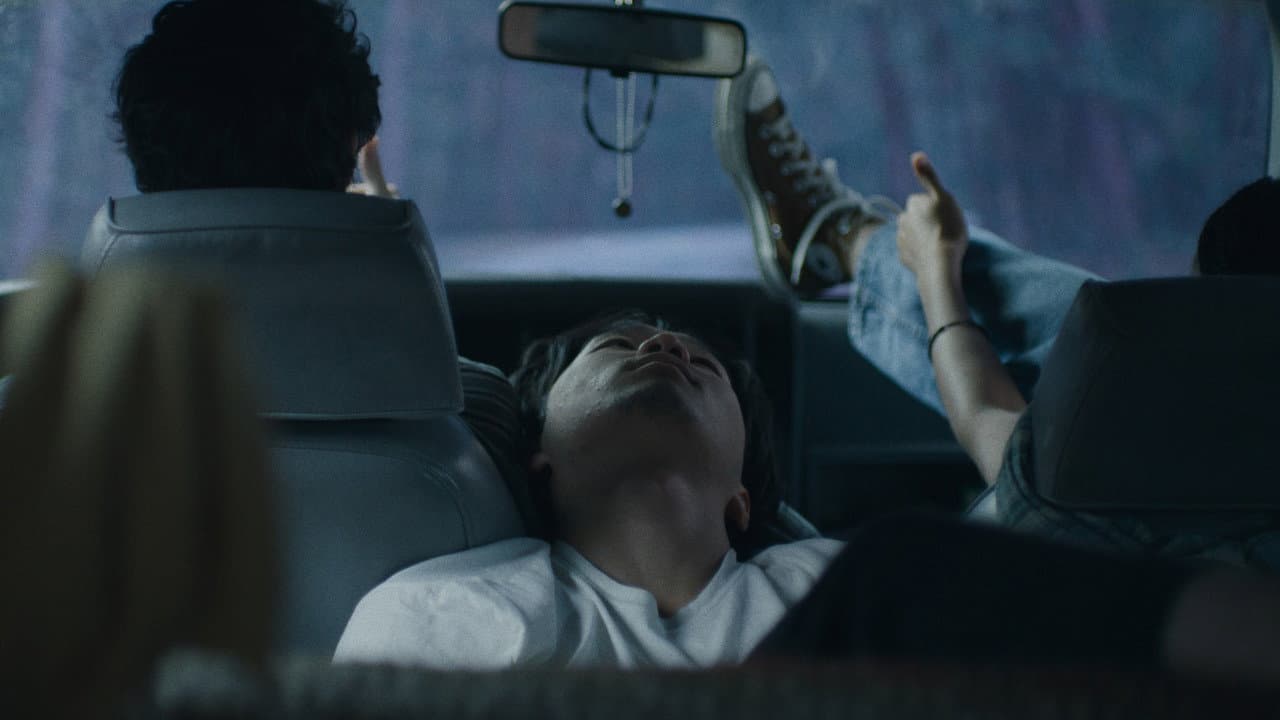
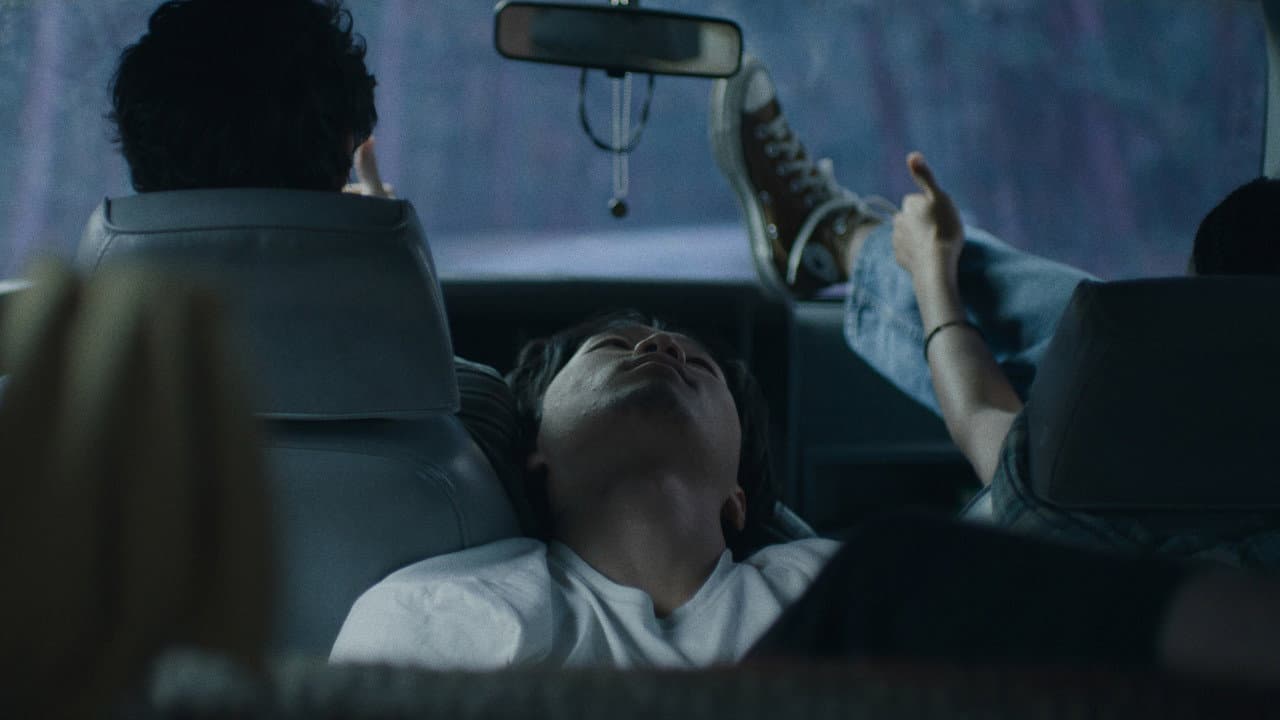
Ullom’s directorial hand is remarkably assured, especially considering the project’s inherent constraints. The film’s strength is its masterful use of confinement. The cramped confines of the Jeep become a pressure cooker, and the camera work - often lingering on the actors’ faces in tight close-up - captures every micro-expression of fear and doubt. There’s a visceral realism to the performances; Phinehas Yoon’s James slowly morphs from optimistic leader to paranoid wreck, while Akira Jackson’s Day provides the steely, rational counterpoint. They don’t feel like actors spouting exposition, but like real friends whose chemistry is being corroded by an impossible situation.
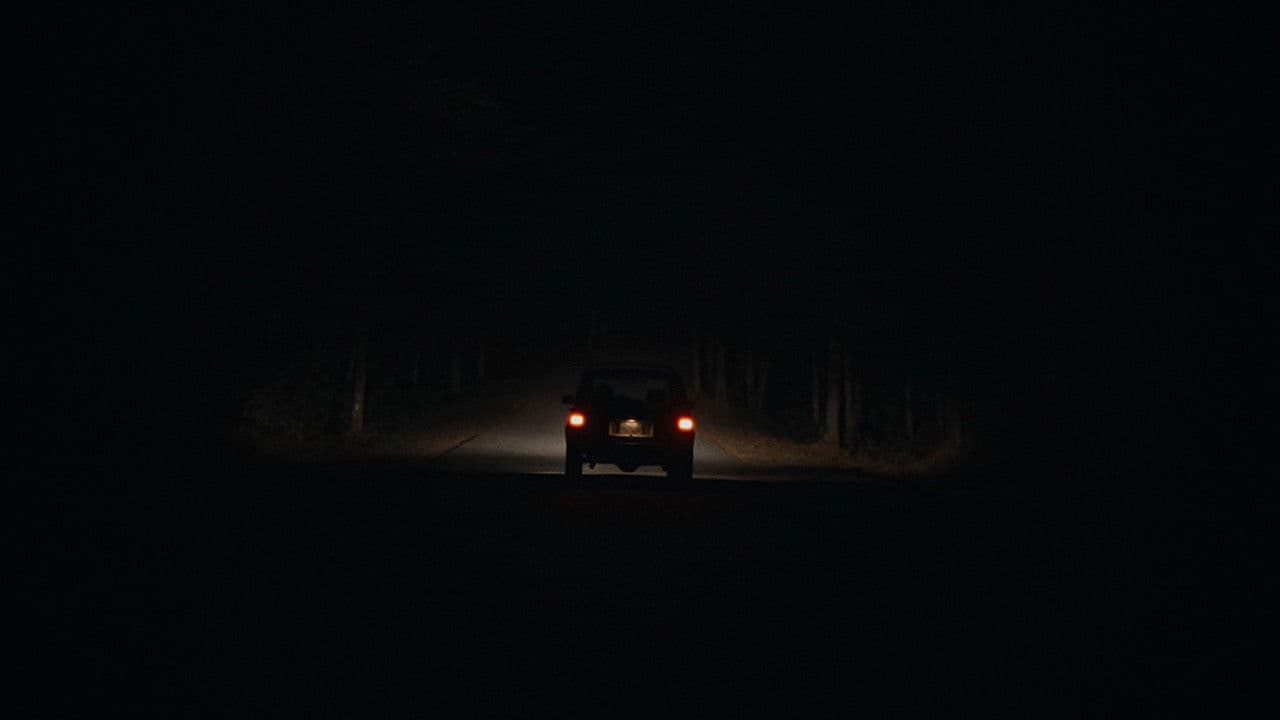
The horror here is less about what jumps out of the dark and more about the insidious dread of the unchanging. The production design brilliantly realizes the "hellscape": the sky is a permanent, starless black, and the scenery is a oppressive, unnatural flatness. The sound design deserves significant credit - the low, droning hum of the car engine and the oppressive silence of the outside world create a lingering sense of unease that never truly dissipates.
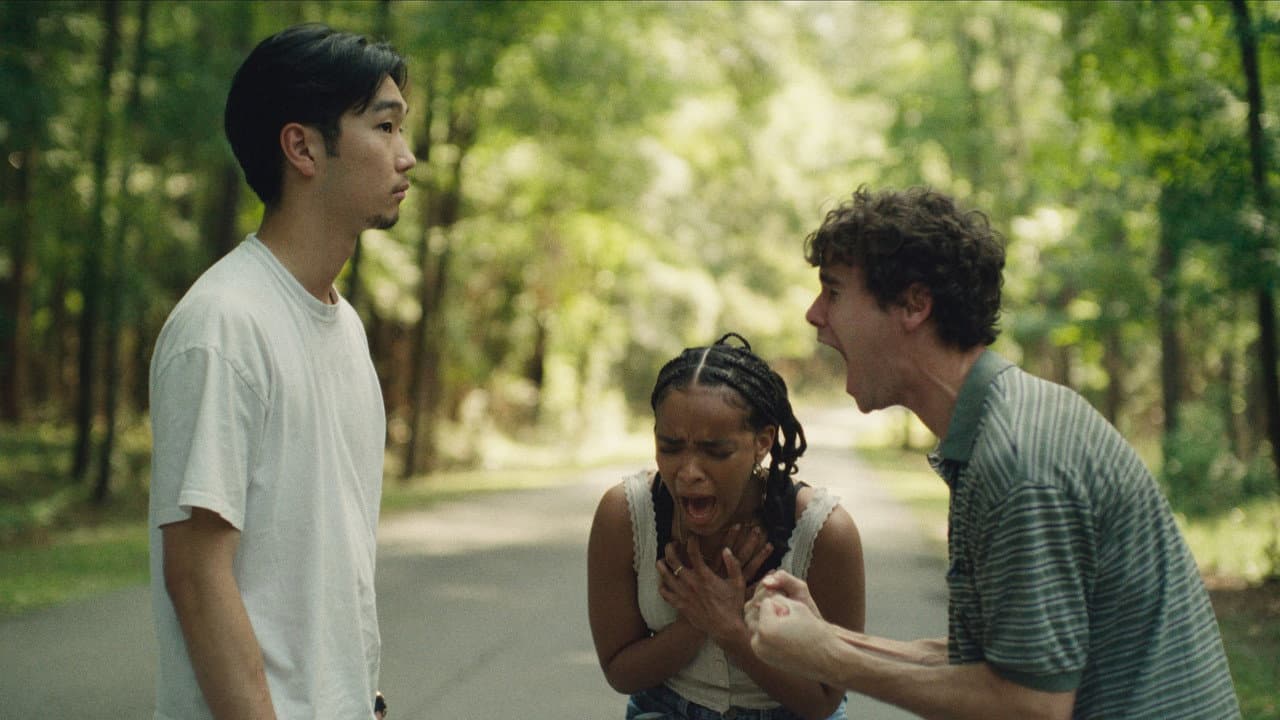
Where the film stumbles is in its narrative momentum. There are only so many times two characters can argue about whether to get out of the car before the repetition begins to feel stale rather than intentionally cyclical. The middle act drags, and while the encounters with the "Lost Man" (Ian Weir) and the "Interrogated Man" (Jon Linstad) are appropriately bizarre, they feel like fragments of a larger, more complex puzzle that the film ultimately refuses to show us. The finale is a triumph of visceral imagery, leaning into pseudo-spiritual horror to leave the audience with a powerful, disorienting gut-punch. But it’s a confusing gut-punch. The thematic threads about grief, letting go, and the fear of the future are present, but they’re woven so deeply into the ambiguity that they risk becoming lost in the noise.
This is a film that demands you accept its own internal logic, and it offers little in return in terms of concrete answers. That will infuriate some viewers, but for those who, like the characters, are willing to embrace the new existence of an unresolved narrative, the experience lingers long after the final frame. It is a flawed but fiercely ambitious piece of work - a studio horror film wearing the skin of an indie art-house flick.
Pros & Cons
Pros
- Tremendous atmosphere: the isolation and dread are palpable.
- Strong, believable performances from the core cast.
- Masterful use of sound design to maintain tension.
- A compellingly minimalist premise executed with confidence.
- The final sequence is a striking piece of surreal horror.
Cons
- Pacing issues in the middle act; the repetition can become tedious.
- The ambiguous ending will frustrate viewers seeking concrete answers.
- Thematically rich but frustratingly opaque.
- Some plot threads feel underdeveloped.
Rating Breakdown
Final Verdict
“It Ends” is not a comfortable watch, nor is it a particularly rewarding one in a traditional sense. It’s a feverish, low-budget gut-check that proves a simple premise and a talented cast can sustain a feature-length film through sheer nerve and atmosphere. For horror aficionados who prefer their scares existential and their narratives oblique, this is a worthwhile ride. For everyone else looking for a quick and tidy scare, this endless drive might just be too much of a trip. It is an imperfect, frustrating, and genuinely unique entry into the genre, one that is far more concerned with asking the right questions than offering any easy answers. It’s a 5.2/10 on TMDb, and that feels about right - a deeply flawed film with a beating, bloody heart.
Cast

Phinehas Yoon
James

Akira Jackson
Day

Noah Toth
Fisher

Mitchell Cole
Tyler
Jenny Doyle
Fisher's Mom (voice)
Jon Linstad
Interrogated Man
Ian Weir
Lost Man

Alexander Ullom
Passenger

Antonio Andrés Rosello
Background Cast
Dakota Shiver
Background Cast
Dennis Brewer
Background Cast

Grace Wu
Background Cast
Gallery


Similar Movies
Related Reviews

Advertisement
160×600
Right Ad