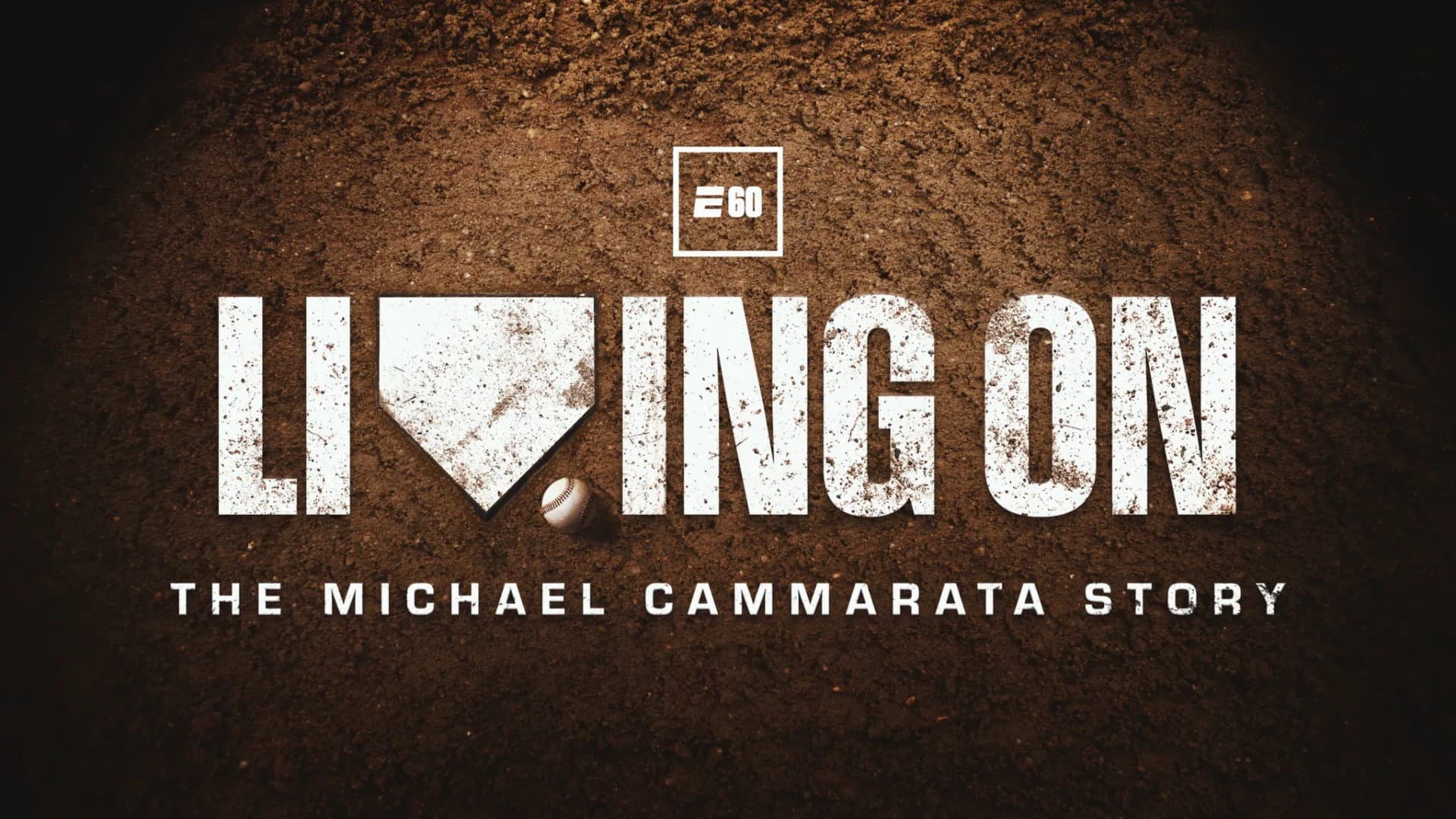
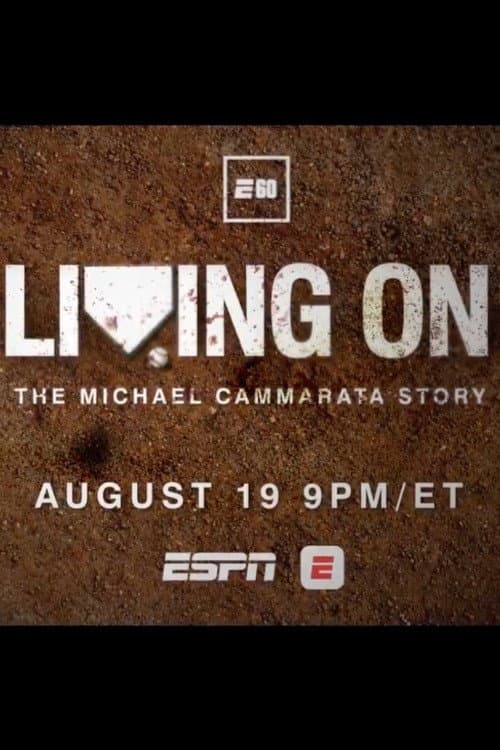
The Little League World Series is a summer ritual, a cacophony of aluminum bats, parental anxiety, and small-town dreams broadcast on ESPN. For over seven decades, more than 11,000 kids have sprinted out of that iconic dugout in Williamsport, Pennsylvania. They all share the same uniform, the same field, and the same fleeting shot at glory. Yet, in all that history, only one player has ever had his number retired. That singular honor belongs to a 12-year-old from Staten Island who never got to play in the championship game - and who left an indelible mark on the sport without ever swinging a bat in the final. Living On: The Michael Cammarata Story, premiering today, August 19, 2026, is a 60-minute documentary that unpacks that extraordinary legacy, and it arrives just in time for the emotional peak of this year’s tournament.
Release Date & Where to Watch
Mark your calendars for today, Wednesday, August 19, 2026. The documentary drops exclusively on OTT Stories, the streaming platform that has carved a niche for deeply reported, human-centric sports features. Unlike a theatrical release with a limited run or a network broadcast tied to a specific time slot, OTT Stories will make the film available on demand at 12:01 AM PT, so you can watch it whenever the mood strikes - whether that’s before the evening’s US bracket games or as a quiet, reflective counterpoint to the day’s high-decibel action. There’s no additional rental fee for subscribers; it’s included in the standard monthly plan. For the uninitiated, OTT Stories has become the go-to home for documentaries that prioritize emotional texture over highlight reels, and this 60-minute runtime is designed for a single, focused sitting - no need to carve out a three-hour epic.
Cast & Crew
At the helm is director Gus Pfisterer, a filmmaker whose previous work in short-form sports docs (he’s a veteran of the acclaimed Frozen Ropes series) has shown a knack for finding the quiet, devastating moments between the cheers. Pfisterer doesn’t just point cameras at his subject; he sits with him. The film’s anchor is Michael Cammarata himself, now a young man reflecting on a childhood that was equal parts triumph and tragedy. He’s not the only Cammarata in the credits, though. The documentary leans heavily on the familial network that surrounded him: his father, Joseph Cammarata Sr., and his brother, Joe Cammerata (note the spelling discrepancy in the credits, a quirk that goes unaddressed but feels authentic), alongside his mother, Kim Cammarata. Their interviews provide a raw, unfiltered view of grief and pride that no outside narrator could replicate.
The film also benefits from a roster of seasoned baseball voices. Jeremy Schaap, the ESPN veteran and author, offers historical context and gravitas, while former major league pitcher Jason Marquis - himself a Williamsport alum - connects Michael’s story to the broader fraternity of kids who almost made it. James Corson, who served as a coach during that pivotal season, adds an on-the-ground perspective, and Mike Wissel, a former Little League executive, explains the unprecedented decision to retire a number. There’s no celebrity stunt casting here; every voice serves the narrative, and the result feels like a family scrapbook curated by a professional archivist.
Story & What to Expect
The film opens not with a baseball, but with a hospital beeping. Michael Cammarata was a dynamic outfielder for the Mid-Island Little League team in 2001, a kid with a cannon for an arm and a smile that cameras loved. During the Mid-Atlantic Regional final - the game that would punch their ticket to Williamsport - he collided with a teammate while chasing a fly ball. The collision broke his jaw and caused significant facial fractures, requiring emergency surgery. He missed the entire World Series, watching from the stands with a swollen face and a heart full of FOMO. That alone would be a bittersweet footnote in Little League lore. But the story doesn’t end there. Months later, a routine follow-up revealed a more insidious threat: a cancerous tumor in his sinus cavity, likely undetected during the earlier trauma. The baseball injury, in a cruel twist of fate, may have saved his life by forcing the scans that caught the cancer early.
Pfisterer directs with restraint, letting the timeline unfold naturally. You expect montages set to uplifting acoustic guitar; instead, you get long, unbroken takes of family members sorting through photo albums. There are no reenactments, no shadowy actors playing doctors. The director relies on archival footage from the 2001 regionals, grainy and slightly warped, juxtaposed with modern-day interviews where Michael - now a healthy, articulate adult - touches his jaw as a reflexive habit. The documentary’s emotional apex arrives when the Little League organization explains its decision to retire his number (he wore No. 12). It wasn’t for athletic achievement, they admit. It was for resilience, for the way a kid who couldn’t play became the team’s loudest cheerleader, signing autographs for fans while in a hospital bed and rallying his teammates via phone calls from his recovery room. The film argues that Cammarata redefined what it means to be a "player." He showed that leadership isn’t about stats; it’s about presence.
Why It's Worth Watching
In an era where sports documentaries often chase controversy or trade in hyperbole, Living On is a quiet gut-punch. It’s not about winning; it’s about the aftermath of losing. The TMDb rating sits at 0/10 only because it hasn’t been reviewed yet - this is a premiere, not a re-release - but don’t let that empty score fool you. This is a film that understands the unspoken pact between a parent and a child. Joseph Cammarata Sr. tells a story about sitting in the hospital hallway, sobbing, only for Michael to wheel himself out and ask, "Dad, why are you crying? I’m going to be fine." That moment, captured in the trailer, encapsulates the film’s thesis: that courage is often a performance for the sake of others.
It’s also a time capsule for fans of a specific, pre-social-media era of youth sports, where kids played for local pride and the biggest prize was a patch on a jacket. The documentary gently critiques the modern hyper-competitive youth sports machine, but it never gets preachy. Mostly, it’s a reminder that the Little League World Series, for all its neon-green grass and ridiculous jingles, occasionally produces a story that transcends the box score. Michael Cammarata’s number hangs in the Lamade Stadium rafters now, a permanent fixture among the flags. This film explains why, and it does so with a tenderness that’ll likely make you call your own parents afterward. It’s not a baseball story; it’s a story about how a family finds strength in the unlikeliest of innings. Go in for the history, stay for the emotional wreckage that feels strangely healing. It’s 60 minutes well spent - maybe the most worthwhile hour of the entire tournament.