The most compelling stories often arrive unannounced, wrapped in the gauzy light of a summer holiday. On August 31, 2026, OTT Stories is proud to premiere Loinnir, a six-minute meditation on friendship, memory, and the inescapable pull of the Atlantic coast. This is not a film born of soundstages or green screens; it is a love letter written in silver halide, a delicate fragment from a larger, ongoing autobiography. For those who crave cinema as a tactile, personal artifact, this is an essential viewing.
Release Date & Where to Watch
Mark your calendars for the final day of August. Loinnir will be available for streaming exclusively on OTT Stories starting Monday, August 31, 2026. The platform, known for championing bold, unconventional voices, will host the film as a centerpiece of its “Short Form Sunday” - a slight misnomer, given the Monday drop, but a clear signal of their commitment to avant-garde work. Given the film’s brief six-minute runtime, it is perfectly positioned for a quiet evening watch, a single-serving piece of art meant to be savored without interruption. There is no theatrical rollout planned; this is a digital-native premiere, designed for the intimate glow of a screen in a darkened room. As with all OTT Stories exclusives, it will be available in full HD, though one suspects the grain of the original 16mm will translate with a warmth that digital sharpness cannot diminish.
Cast & Crew
Herein lies the mystery, and perhaps the charm. The verified metadata for Loinnir is delightfully sparse: the director is unknown, and the cast is listed as unknown. In an era of relentless pre-release hype, this anonymity is a radical act. We are not given a name to praise or a star to follow; we are simply presented with the work. What we do know is that the film was shot on vacation with dear friends near Magheraroarty and on Tory Island, Ireland. The crew, therefore, is a loose collective of companions, capturing each other in the unguarded moments that define true intimacy. The technical artistry is credited to the filmmaker’s own hands, having shot the piece on two rolls of 16mm, using the vibrant hues of Kodak Vision3 50D and the iconic, color-shifting magic of Ektachrome. The only other name attached is that of the project’s umbrella: Self Portrait at 34, a longer work in progress. One gets the sense that the "cast" includes the wind off the Atlantic, the weathered stone of Tory Island, and the unfiltered laughter of friends.
Story & What to Expect
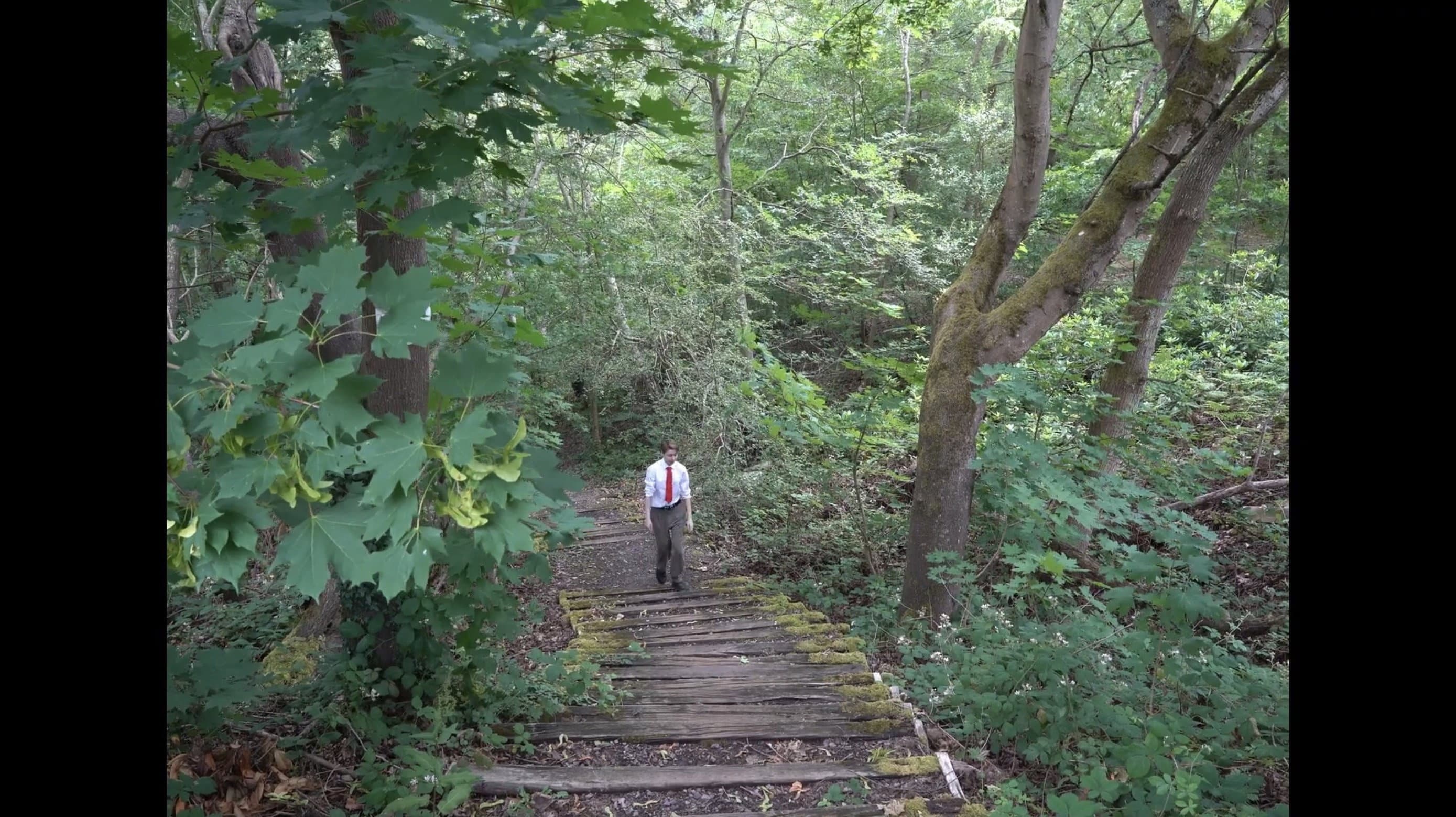
The story is less a narrative and more an impression, a sensory postcard from a specific time and place. Filmed in the northwest corner of Donegal, the geography is a character in itself. Magheraroarty offers sweeping, melancholic beaches and a view toward the mountains, while Tory Island, accessible only by a rough ferry ride, is famed for its isolation, its ancient ruins, and its fiercely independent community. The film, per its creator, is an excerpt from the larger Self Portrait at 34, suggesting a deeply personal project - an attempt to capture the self not in isolation, but in relation to one’s chosen family.
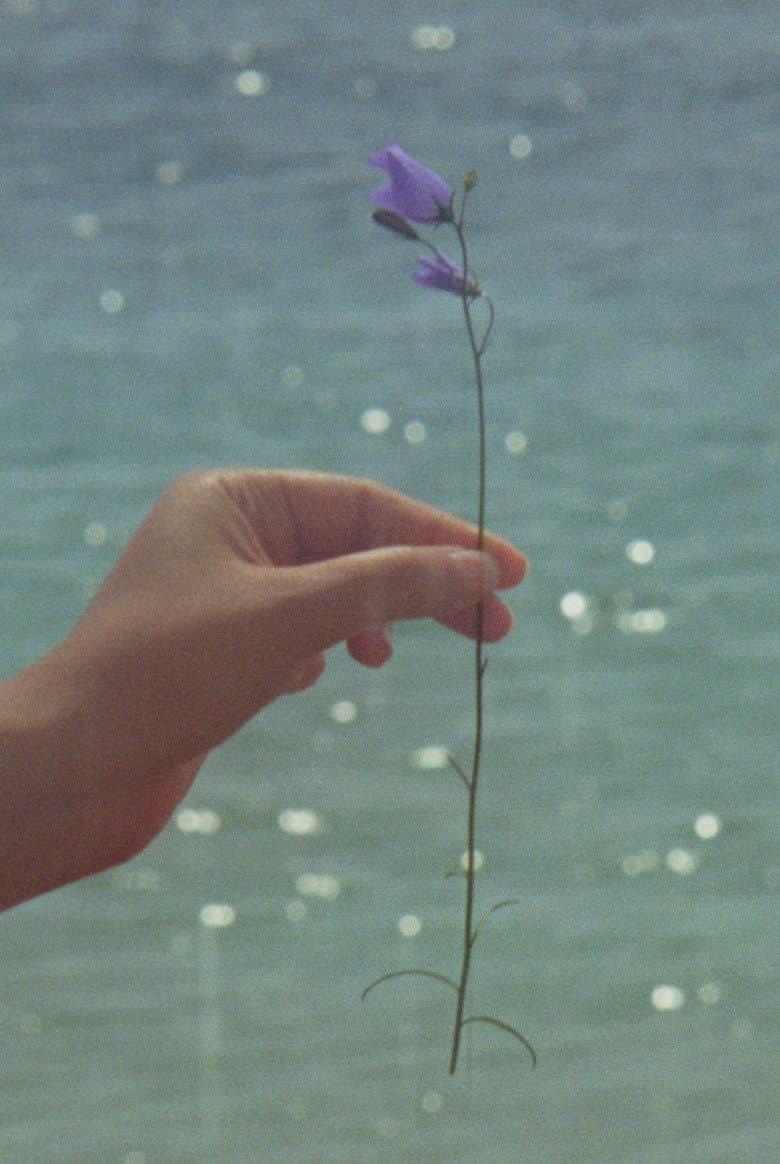
Expect visual poetry. The choice of film stock is crucial: 50D is a slow, fine-grained stock, perfect for the bright, overcast skies and lush greens of the Irish coast, rendering them with a creamy, painterly softness. Ektachrome, previously discontinued and now resurrected, is known for its high contrast and vivid, almost surreal color palette - blues that sing and reds that pulse. Shifting between these two stocks, edited entirely in-camera, means the film is a pure, unmediated document of the moment. The "editing" is a physical act of discipline, deciding the final sequence while standing in the field, not in a post-production suite. There are no special effects, no score, only the ambient sounds of the sea and wind, a genuine record of a holiday spent with dear friends. The closing phrase, "Erin go bragh!" - a traditional expression of Irish loyalty and affection - resonates not as a political slogan, but as a heartfelt, final toast to the land and the moment.
Why It's Worth Watching
In a landscape cluttered with algorithm-driven content and bloated runtimes, Loinnir is a refreshing sip of cold spring water. It is a reminder that cinema does not require a $100 million budget or a three-act structure to be profound. This is a work of pure, unadulterated joy, a captured vibration of happiness. The decision to cut the film in-camera is a discipline that most modern filmmakers would find terrifying; it imbues every frame with intention. There is no safety net here, no ability to fix a mistake in the edit - just the raw, beautiful consequence of being present.
For audiences, this is a unique opportunity to witness a masterclass in materiality. The grain of the film, the subtle flicker of the projector, the chemical imperfections of the Ektachrome - these are not flaws, but signatures of authenticity. The unknown status of the director and cast allows you to engage with the film purely on its material and emotional merits. You are not watching a movie; you are watching a memory being made, a moment in the life of a person at 34, shared with the people they love. It evokes the work of experimental filmmakers like Peter Hutton or Nathaniel Dorsky, yet it feels refreshingly unpretentious - a home movie elevated to art. Loinnir is a fleeting, luminous piece that asks only for six minutes of your attention and leaves you with a lingering ache for the wild, beautiful coast of Ireland and the fleeting time we get with the people who matter most. It is, in the truest sense, a little jewel of a film.