Netflix has confirmed the singles set to take part in its first Dutch adaptation of the global dating phenomenon Love is Blind, with the streaming service announcing the cast for a series that arrives on 30 September 2026. The show transplants the format's central premise to the Netherlands, following a group of Dutch men and women who attempt to build romantic connections through conversation alone, never once seeing the face of the person on the other side of the wall.
Produced under the Dutch-language title Love is Blind: Netherlands, the series carries an original language of Dutch and sits squarely within the reality genre that has made the franchise one of Netflix's most durable unscripted properties. Details of the individual participants remain closely guarded beyond their names, but the reveal marks the point at which months of speculation about a Benelux version of the show finally gives way to something concrete for subscribers in the region.
A Format Built on Withholding
Few reality formats have travelled as widely, or as reliably, as this one. The rules are deliberately simple: singles enter purpose-built pods where they can hear one another but not see one another. Conversation replaces appearance as the primary currency of attraction, and the experiment's stated goal is to test whether emotional intimacy can survive without the visual cues that usually shape early romance.
Couples who believe they have found something real become engaged before they ever stand in the same room. Only then does the physical reveal take place, followed by a stretch of time in which the couples live together and confront the gap between the person they imagined and the person in front of them. Weddings, or the decision to walk away, close out the season.
The Dutch edition applies that template without apparent reinvention. According to Netflix's own description of the series, the participants "date, fall in love and get engaged, all before meeting face-to-face." That single sentence contains both the pitch and the risk: the audience knows, long before the cast does, exactly how much can go wrong between the proposal and the aisle.
A Familiar Hosting Pairing
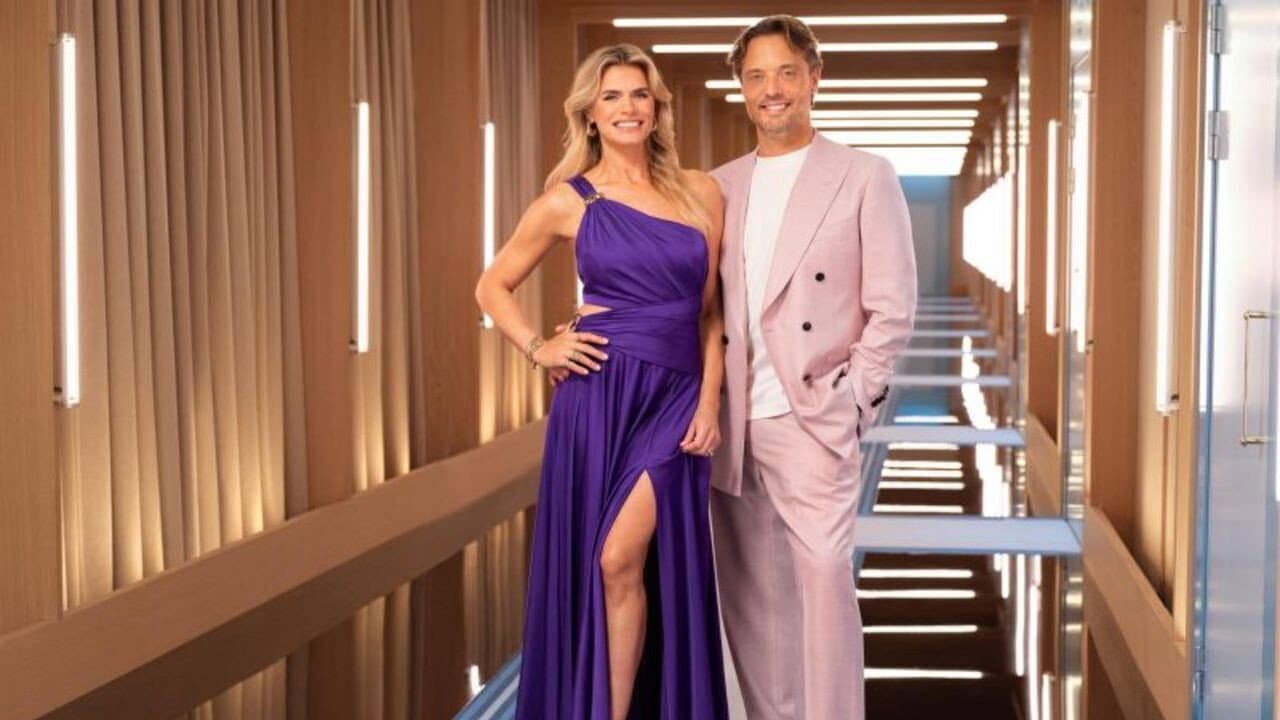
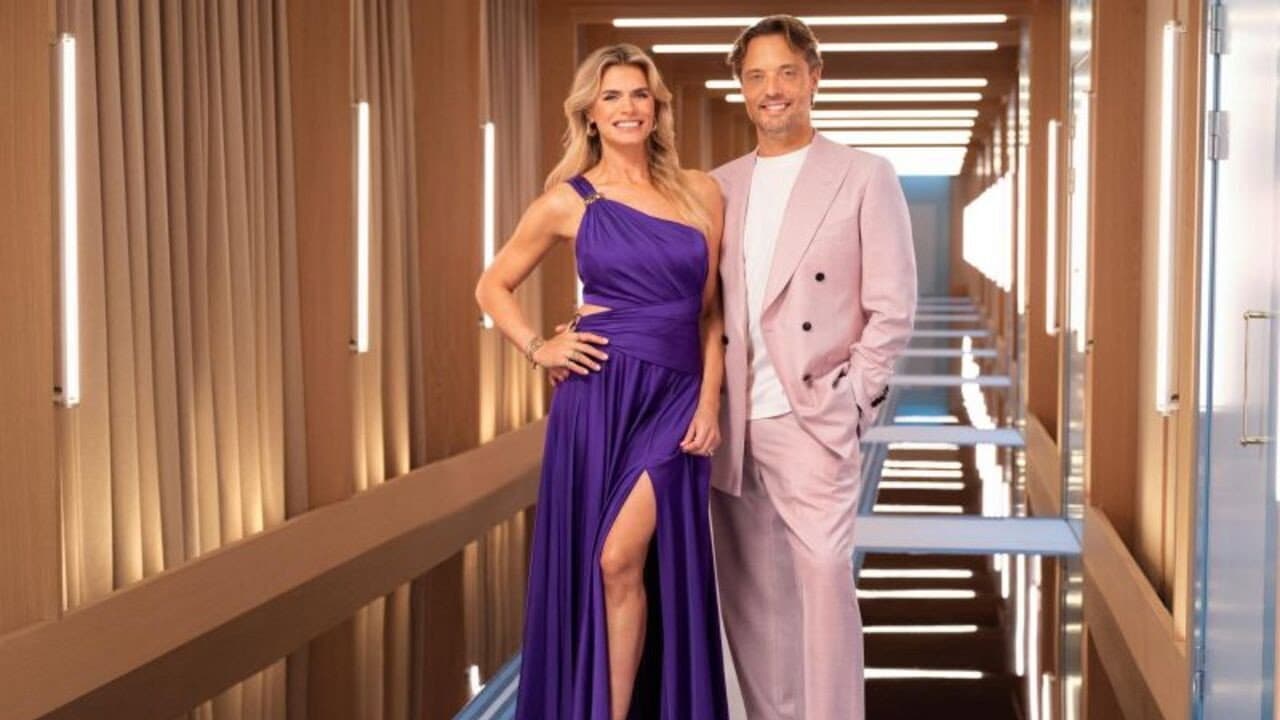
Steering the Dutch instalment are Nicolette van Dam and Bas Smit, both credited as presenters. The pairing brings together two well-known Dutch television personalities, and their role places them in the same lineage as the hosts who have guided the franchise through its various international iterations - part narrator, part confidant, and occasional deliverer of uncomfortable news.
Hosting a show of this kind demands a particular register. The presenters must remain warm enough to keep contestants steady during the emotionally exposed moments that the format depends on, while staying detached enough to let the drama unfold without interference. How van Dam and Smit calibrate that balance will shape much of the series' tone.
A Franchise That Keeps Expanding
Love is Blind began in the United States and has since been remade across multiple territories, each time adjusting only the participants and the language while leaving the architecture untouched. The model has proven unusually portable, partly because the pods themselves are a self-contained dramatic engine and partly because the questions the show raises - about attraction, honesty, and whether love can be built blind - translate without friction.
For Netflix, local-language reality commissions have become a core part of the strategy in smaller European markets. A Dutch version serves subscribers in the Netherlands directly while also slotting into a catalogue that audiences elsewhere have shown a willingness to sample, subtitles and all. The show's availability beyond its home territory is standard for the platform's approach to non-English unscripted content.
The broader franchise has not been without criticism. Former participants across several editions have spoken publicly about the pressure of the filming process, the intensity of the compressed timeline, and the difficulty of returning to ordinary life once a season airs. Whether the Dutch production has adopted additional safeguards has not been disclosed.
What Comes Next
With the premiere set for the end of September, attention now shifts to the episodes themselves. The central question for any new edition is whether the cast produces the kind of genuine, messy, and occasionally painful decision-making that keeps viewers invested across a full season. Chemistry inside the pods cannot be manufactured, and no amount of format engineering guarantees that two people will find it.
Netflix has not yet confirmed the total number of episodes, the release schedule beyond the debut date, or whether the season will conclude with a reunion special. Runtime information also remains unlisted. For now, the confirmed facts are the cast, the hosts, the Dutch-language production, and the 30 September arrival.
For audiences in the Netherlands and beyond, the appeal of the experiment is unchanged from the first time it aired: the hope that someone might choose a person over a picture, and the uncomfortable possibility that they will not.
Source: Netflix Newsroom