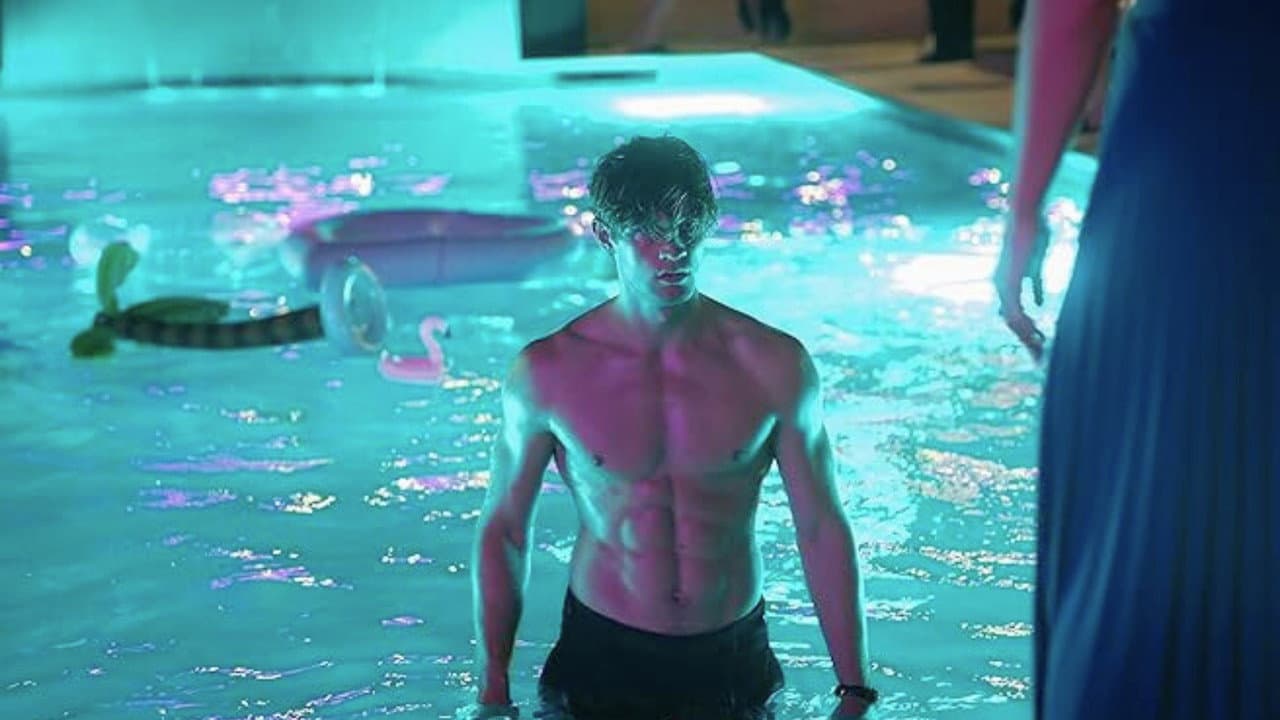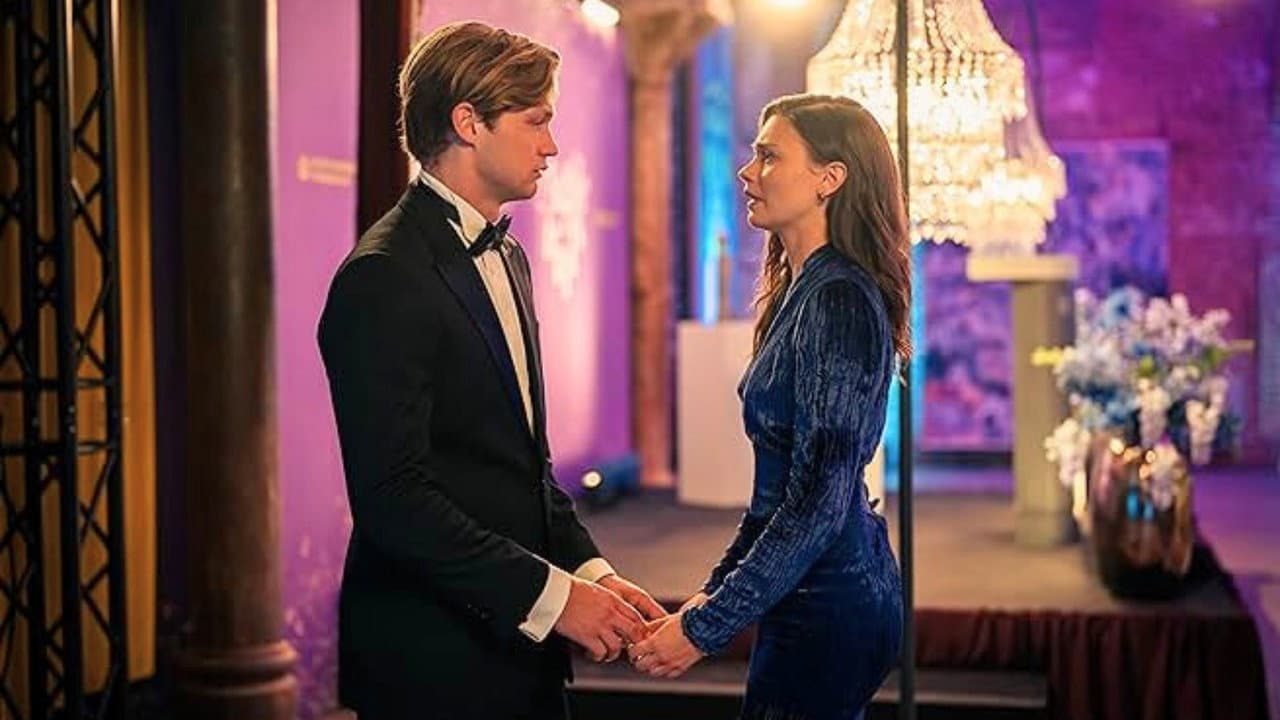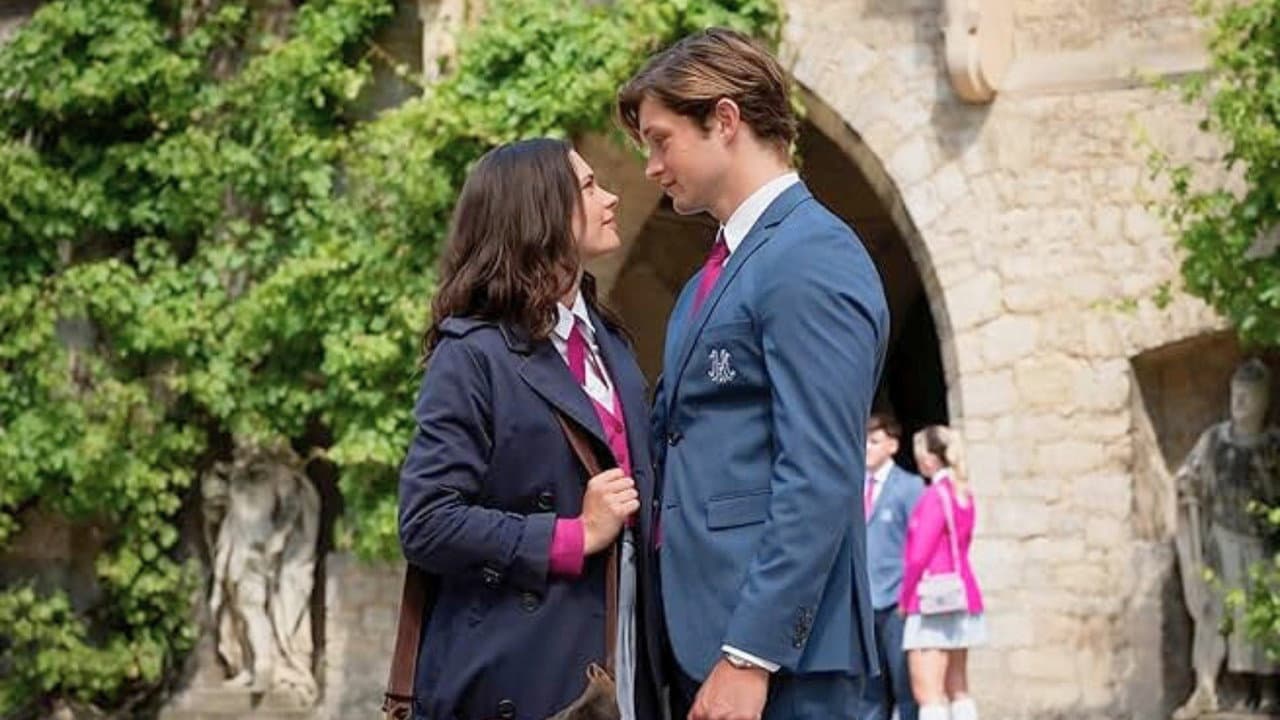
Prime Video has begun rolling out a new lip-sync technology on its German-language documentary Maxton Hall, the 2025 behind-the-scenes feature that reunited the series cast ahead of its second season. The update, which the streamer has been quietly testing on a limited slate of titles, uses an automated dubbing tool to match performers' mouth movements to alternate-language audio tracks. Maxton Hall is among the first European productions to receive the treatment.
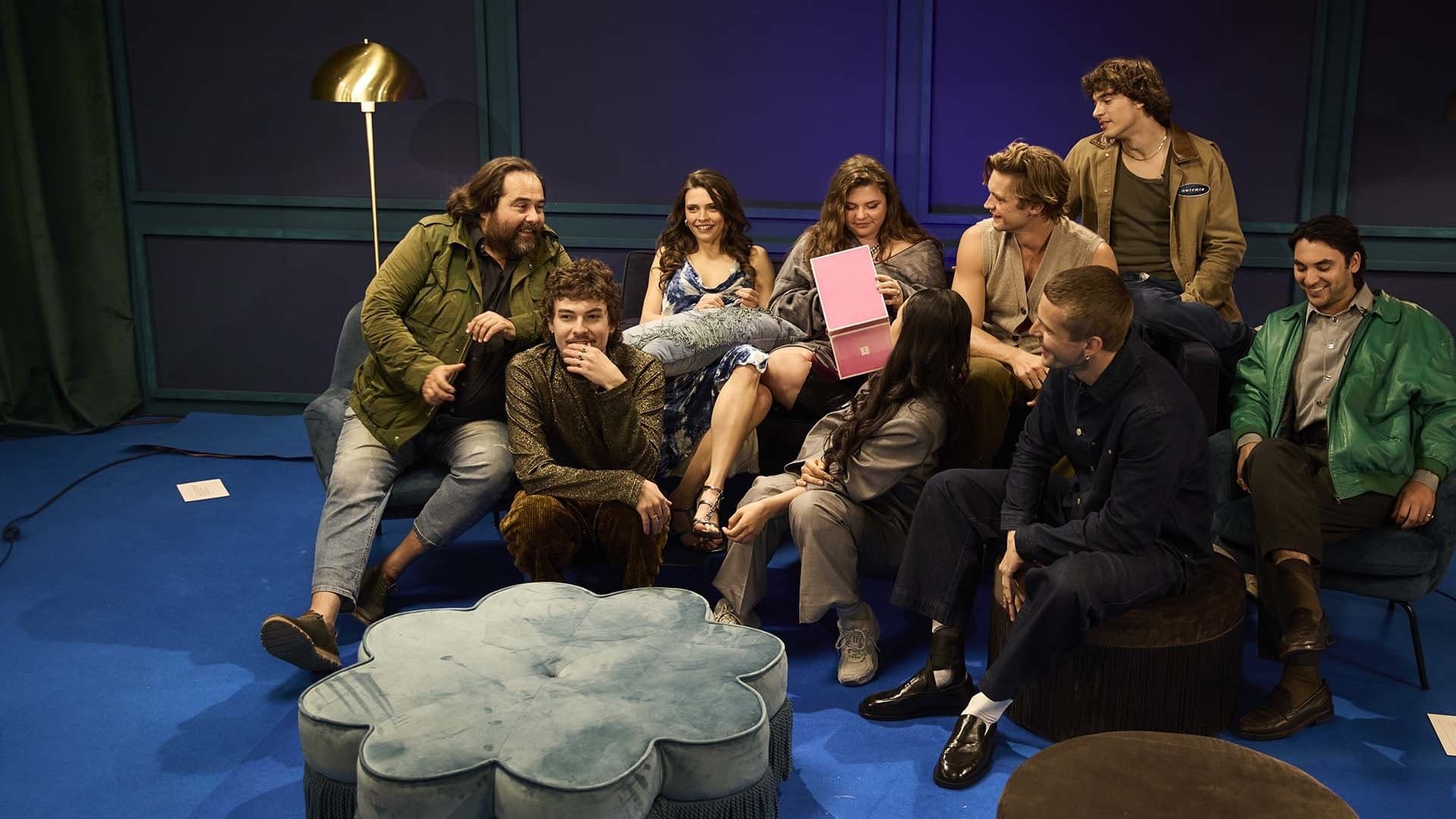
The 38-minute documentary, directed by Sebastian Weimar, follows the cast of the hit series as they return to Marienburg Castle - the real-life location standing in for the fictional boarding school - to reminisce about the shoot and preview what lies ahead in Season 2. It features Damian Hardung, Harriet Herbig-Matten, Sonja Weißer, Ben Felipe, Martin Neuhaus, Govinda Cholleti, Eli Riccardi, and Andrea Guo, all appearing as themselves. The special originally released on August 26, 2025.
A technical fix for a familiar problem
Dubbing has long been a sore spot for international viewers. Traditional voice replacement leaves a visible mismatch between an actor's lips and the words coming out of their mouth, a discrepancy that can pull audiences out of a scene even when the new performance is strong. Prime Video's lip-sync tool attempts to close that gap by digitally adjusting mouth shapes in the original footage so they align with the dubbed dialogue.
The approach is not entirely new - several studios and research labs have demonstrated similar systems in recent years - but its deployment on a completed, released title marks a shift from experimental demos to catalog-wide application. For a documentary built around cast interviews and location footage, the challenge is different from scripted drama. Talking-head segments and candid conversations demand precise synchronization, and any artificiality is immediately noticeable when viewers are looking directly at the speakers' faces.
Why Maxton Hall is a logical test case
The underlying series has become one of Prime Video's most-watched non-English originals, drawing a vocal international audience that extends well beyond German-speaking territories. That popularity makes the companion documentary an attractive candidate for localization upgrades: fans who discovered the show through subtitles or conventional dubbing are precisely the viewers most likely to notice the improvement.
The German-language original remains intact. The lip-sync adjustment applies to alternate audio tracks, meaning subscribers watching in English, Spanish, Portuguese, or other supported languages will see the modified footage, while German viewers see the documentary as it was always intended. Prime Video has not said whether the change is permanent or part of an ongoing trial.
What the cast documentary covers
For those who have not yet watched, Maxton Hall functions as a bridge between seasons. The cast walks through the locations that defined the series, with Marienburg Castle serving as the centerpiece. The documentary mixes nostalgia with anticipation: the actors look back on the friendships and difficulties of the first shoot while teasing what viewers can expect when Season 2 arrives.
Its 38-minute runtime keeps the pace brisk, and its TMDb rating sits at 6/10 - respectable for a promotional documentary, though notably below the scores the scripted series itself commands. The special is categorized as a documentary and carries no fictional narrative of its own.
The broader stakes for streaming
Prime Video's move reflects an industry-wide bet that language barriers are the next frontier in subscriber growth. As growth slows in English-speaking markets, platforms are pouring resources into making non-English titles travel. Subtitling is cheap but alienates viewers who dislike reading; dubbing is expensive and often distracting. Automated lip-sync sits between the two, promising the accessibility of dubbing without the uncanny mismatch.
Whether audiences accept the result is another matter. Digitally altered faces raise questions about performance integrity and actor consent, and some viewers find the effect unsettling even when executed well. Prime Video has not disclosed how the cast or director Sebastian Weimar were consulted about the modification, nor whether the technology will extend to the main Maxton Hall series itself.
For now, the experiment lives on a single documentary - a low-stakes proving ground. If the feedback is positive, expect the tool to appear on more titles, including the scripted dramas that made the platform's German slate a success in the first place. If it draws complaints, Prime Video can quietly retire it without having touched its flagship shows.
The updated version of Maxton Hall is available to stream now on Prime Video.
Source: About Amazon