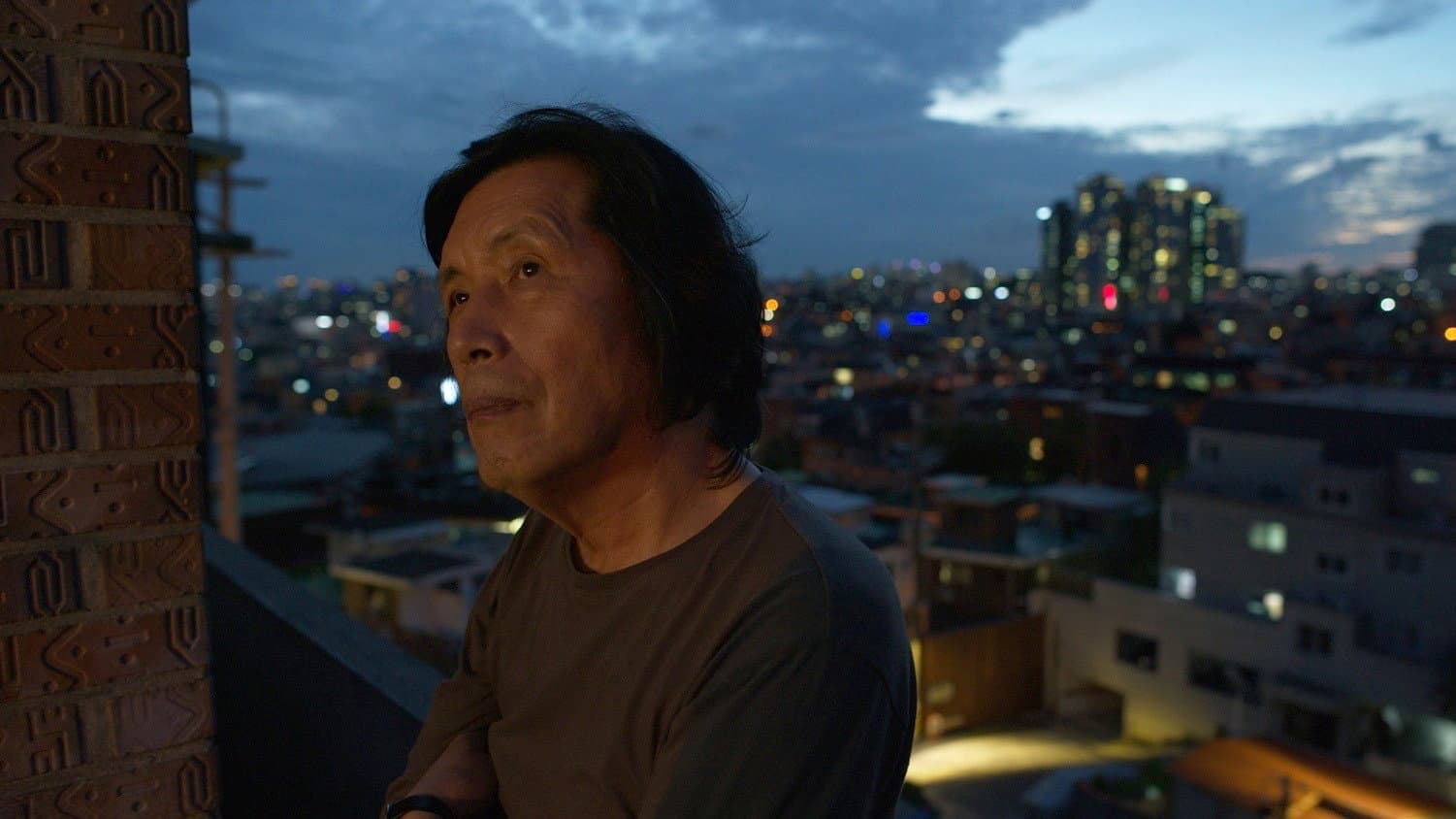
Netflix has added a selection of Lee Chang-dong's most celebrated features to its global catalog, giving subscribers worldwide a chance to revisit - or discover for the first time - the work of one of South Korea's most respected filmmakers. The titles now streaming span several phases of the director's career, from his early breakthroughs to the slow-burning psychological drama that brought him renewed international attention in recent years. For viewers who know Lee mainly through a single film, the collection amounts to a fuller portrait of an artist who has never been easy to categorize.
Lee came to prominence in the late 1990s after years spent as a novelist and screenwriter, and that literary background shows in nearly everything he has directed. His films tend to favor character over plot, mood over momentum, and quiet observation over easy resolution. The result is a body of work that has earned admiration from critics and fellow filmmakers while remaining, for many casual viewers, something of a blind spot. Netflix's move looks designed to close that gap.
A Career Built on Reinvention
Few Korean directors have moved through as many registers as Lee. His debut, "Green Fish," arrived in 1997 and examined a young man pulled into the orbit of organized crime - familiar territory, but handled with an emotional restraint that set it apart from the gangster films of its era. He followed it with "Peppermint Candy," a reverse-chronological portrait of a man undone by decades of political and personal upheaval, a structure that turned a single life into a diagnosis of a nation's recent history.
The films that followed only widened his range. "Oasis" centered on a romance between two people society would rather ignore, and it won him international awards while drawing attention to its lead performances. "Secret Sunshine" then took a story about grief and religious faith and pushed it into uncomfortable territory, anchored by a performance that remains one of the most talked-about in modern Korean cinema. "Poetry," perhaps his most tender work, followed an older woman confronting memory loss and a family crisis at the same time.
Then came "Burning," a film that reintroduced Lee to a younger global audience and became the high-water mark of his international profile. Adapted from a Haruki Murakami short story, it unfolded as a mystery that refused to solve itself, following a drifting young man, a woman who vanishes, and a wealthy rival whose motives stay maddeningly unclear. The film played major festivals, drew widespread critical praise, and cemented Lee's reputation as a director willing to leave audiences unsettled.
Why This Matters for Streaming Audiences
Lee's films have long been available on physical media and at repertory screenings, but streaming access has been inconsistent from country to country. Bringing a batch of them under one roof changes the calculus for viewers who might otherwise never encounter them. It also fits a broader pattern at Netflix, which has leaned into licensing acclaimed international cinema alongside its own productions, betting that subscribers want more than algorithmic comfort food.
There is a practical benefit for the director as well. Lee has spoken in interviews about the difficulty of getting ambitious, slower-paced films financed, and about how streaming platforms have altered the economics of art cinema. A title that might once have played a handful of theaters and then disappeared can now find viewers across dozens of markets at once. Whether that translates into new projects remains to be seen, but it keeps his existing work in circulation.
For anyone approaching Lee for the first time, the catalog offers a natural entry point. "Burning" is the most accessible in terms of its thriller framing, while "Poetry" and "Secret Sunshine" reward patience and attention. Watching them together reveals the throughline in his work: an interest in people under pressure, and in the small, often devastating choices that shape a life.
A Director Who Resists Easy Answers
What sets Lee apart is his refusal to console. His endings rarely resolve cleanly, and his characters seldom get the catharsis they seem to deserve. That quality has made him a favorite of critics and a challenge for distributors, but it is also precisely what makes his films linger.
Netflix's decision to carry this work is a reminder that streaming can serve as an archive as much as an entertainment service. For audiences who have only heard the name Lee Chang-dong in passing, the collection is an invitation. For those who already know him, it is a chance to watch the films again - and to notice, on a second viewing, just how much he leaves unsaid.
Source: Netflix Newsroom