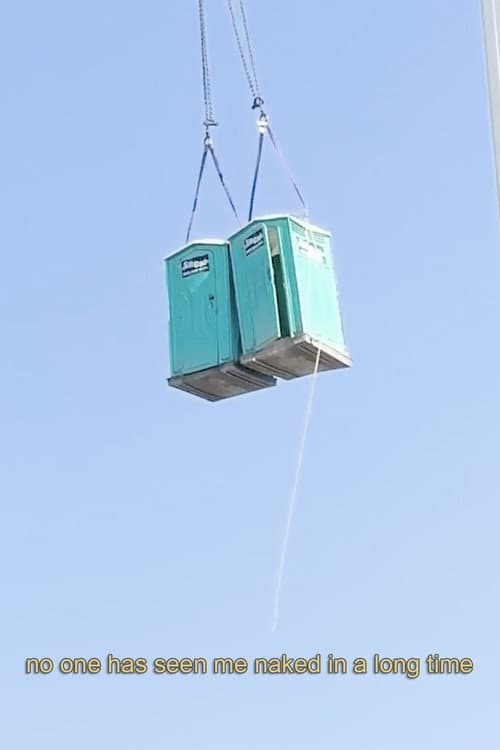
It’s a deceptively simple phrase, almost a whisper of a confession: no one has seen me naked in a long time. As a title, it hangs in the air with a mix of vulnerability and defiance, daring you to lean in closer. On August 10, 2026, filmmaker and performer Shereen Lani Younes invites us into that intimate space with an 11-minute experimental short that promises to be less about the body and more about the soul's quiet ache for recognition. This isn't a traditional narrative; it’s a meditation, a cinematic essay that asks a question we all carry but rarely voice: What does it mean to be truly seen, not just by others, but by ourselves across the relentless march of time?
Release Date & Where to Watch
Mark your calendars for a Monday evening premiere. no one has seen me naked in a long time arrives exclusively on OTT Stories on August 10, 2026. As a platform dedicated to bold, unconventional voices, OTT Stories is the perfect home for this kind of introspective work - a film that prioritizes mood over plot and feeling over exposition. At just 11 minutes, it’s designed to be a complete, digestible experience, ideal for a quiet evening when you want something that lingers long after the credits roll. There’s no theatrical rollout planned, no multi-platform simulcast; this is a direct-to-streaming gem, debuting globally on the service. Whether you’re a devoted fan of avant-garde cinema or simply curious about a title that grabs you by the collar, the only place to experience this is on OTT Stories, starting this very Monday. Given its brief runtime, it’s the perfect palate cleanser between binge-watches, but don’t let its length fool you - this one demands your full, unfiltered attention.
Cast & Crew
At the helm is Shereen Lani Younes, a multidisciplinary artist whose work traverses film, performance, and visual art. Here, she takes on a dual role that blurs the line between creator and subject: she serves as both the director and the sole cast member, appearing as "Self." This is not a vanity project but a deliberate artistic choice. By placing herself in front of the camera, Younes transforms the film into a raw, first-person document. There’s no character to hide behind, no scripted alter ego to shield her - or us - from the material. She is both the observer and the observed, collapsing the distance between the gaze and the one who is gazed upon. The production team remains largely under wraps, which feels appropriate for a work of this scale; the focus is squarely on Younes’ singular vision. With a TMDb rating currently sitting at a clean zero - simply reflecting that no public reviews have been logged yet - this is a blank slate, an undiscovered country waiting for an audience to assign its first value. There are no prior box-office receipts to guide expectations, only the promise of a bold, personal statement.
Story & What to Expect
If you’re looking for a conventional plot with a three-act structure, you’ll be searching in vain. The title serves not as a logline but as a thematic anchor. The film is described as "a reflection on the intimacy of being seen and our perception of time," and that’s precisely the terrain Younes navigates. Expect a non-linear, almost lyrical stream of consciousness. The narrative - such as it is - unfolds through a series of vignettes, monologues, and visual metaphors. Younes explores the paradox of physical exposure versus emotional concealment. Being "naked" here isn't merely about shedding clothes; it's about shedding pretenses, histories, and the armor we build over years. The question of time is equally central: how does the way we view our own bodies change as the years pass? How does the memory of being seen - in passion, in tenderness, in clinical observation - color our present perception of self?
The 11-minute runtime is likely an exercise in compression, a tight, poetic burst rather than an expansive narrative. You can expect a heavy reliance on close-ups, ambient sound, and moments of deliberate silence. Younes’ voiceover will likely be intimate, as if whispering directly into the viewer’s ear. There’s a confessional quality to the premise, but it’s filtered through an artist’s lens, suggesting a formal experimentation that keeps it from feeling like mere self-indulgence. It’s a film that will reward patience and active viewing. You aren't watching to find out what happens next; you're watching to feel what happens next. The film likely presents a fragmented map of memory, where a glance in a mirror is as significant as a recalled encounter. It’s about the tension between the body we inhabit and the self that observes it, and the profound loneliness - and occasional relief - that comes from a prolonged period of not being seen.
Why It's Worth Watching
In a streaming landscape dominated by loud blockbusters and endless series, a quiet, provocative short like this is a rare commodity. It's an invitation to slow down and consider something fundamental about the human condition. Younes is offering us a glimpse into a private reckoning, and in doing so, she holds a mirror to our own unspoken vulnerabilities. The title alone is a hook, but the experience is a space for contemplation. It feels like a challenge: are you brave enough to watch someone wrestle with their own visibility? Are we comfortable with our own relationship to being seen, or unseen, by others?
This is for the viewer who craves substance over spectacle, who enjoys cinema that functions more like a poem than a paragraph. It’s the kind of film that sparks conversation, that you’ll want to rewatch immediately to catch the nuances you missed. The singular vision of Shereen Lani Younes, operating as both artist and subject, creates an unparalleled level of verisimilitude. You’re not watching an actress pretend; you’re witnessing an artist meditate on a deeply personal truth. For those weary of polished, predictable fare, no one has seen me naked in a long time is a refreshing plunge into the unknown. It’s a testament to the power of small, focused storytelling. In just 11 minutes, Younes might just change the way you think about your own reflection. It’s an ephemeral, tender, and quietly radical piece of work - a reminder that sometimes the most revolutionary act is simply to say, "Look at me," and mean it.