Manaus is a city of contradictions - sprawling modern malls with multiplexes on every corner, yet tucked into its crumbling historic center, two stubborn relics refuse to die. On August 27, 2026, director Thallys Neutron releases O Cinema e o Centro, a 32-minute documentary that doesn’t just mourn the past but sits with the people keeping it alive. This isn’t a nostalgic postcard; it’s a frontline report from the battle between memory and convenience.
Release Date & Where to Watch
Mark your calendars: O Cinema e o Centro debuts today, August 27, 2026, exclusively on OTT Stories. Given its concise 32-minute runtime, this is designed for a single, focused sitting - no binge-commitment required, just a sharp, immersive detour from your algorithm-fed queue. The platform hasn’t announced a theatrical run, which feels appropriate; this is a film about screens, and it will find its audience on one. But don’t let the short length fool you into thinking it’s a footnote. OTT Stories has been carving a niche for regional documentaries that punch above their weight, and this release slots neatly into that slate. No word yet on international subtitles, but given the film’s universal themes - urban decay, cultural preservation, the loneliness of digital life - expect it to travel well beyond Brazil’s borders in the coming months.
Cast & Crew
At the helm is Thallys Neutron, a director whose previous short-form work has focused on Amazonian subcultures and the people who inhabit the margins of glossy narratives. Here, Neutron steps back from auteur flourishes and lets his subjects breathe. The film’s backbone is its trio of voices: Rejane Brito, a longtime projectionist and informal historian of Cine Carmen Miranda; Michel Guerrero, the pragmatic manager of Casarão de Ideias who has turned a leaky-roofed venue into a community anchor; and Joaquim Loureiro, an urban studies scholar who provides the larger context without slipping into academic jargon. No big-name stars, no celebrity narrators - just people whose daily labor is the real script. Neutron reportedly shot in available light, often during actual screenings, which gives the footage a tactile, slightly grainy warmth. You can practically smell the popcorn oil and old upholstery. The crew is lean, and the production feels scrappy in the best way, prioritizing intimacy over polish.
Story & What to Expect
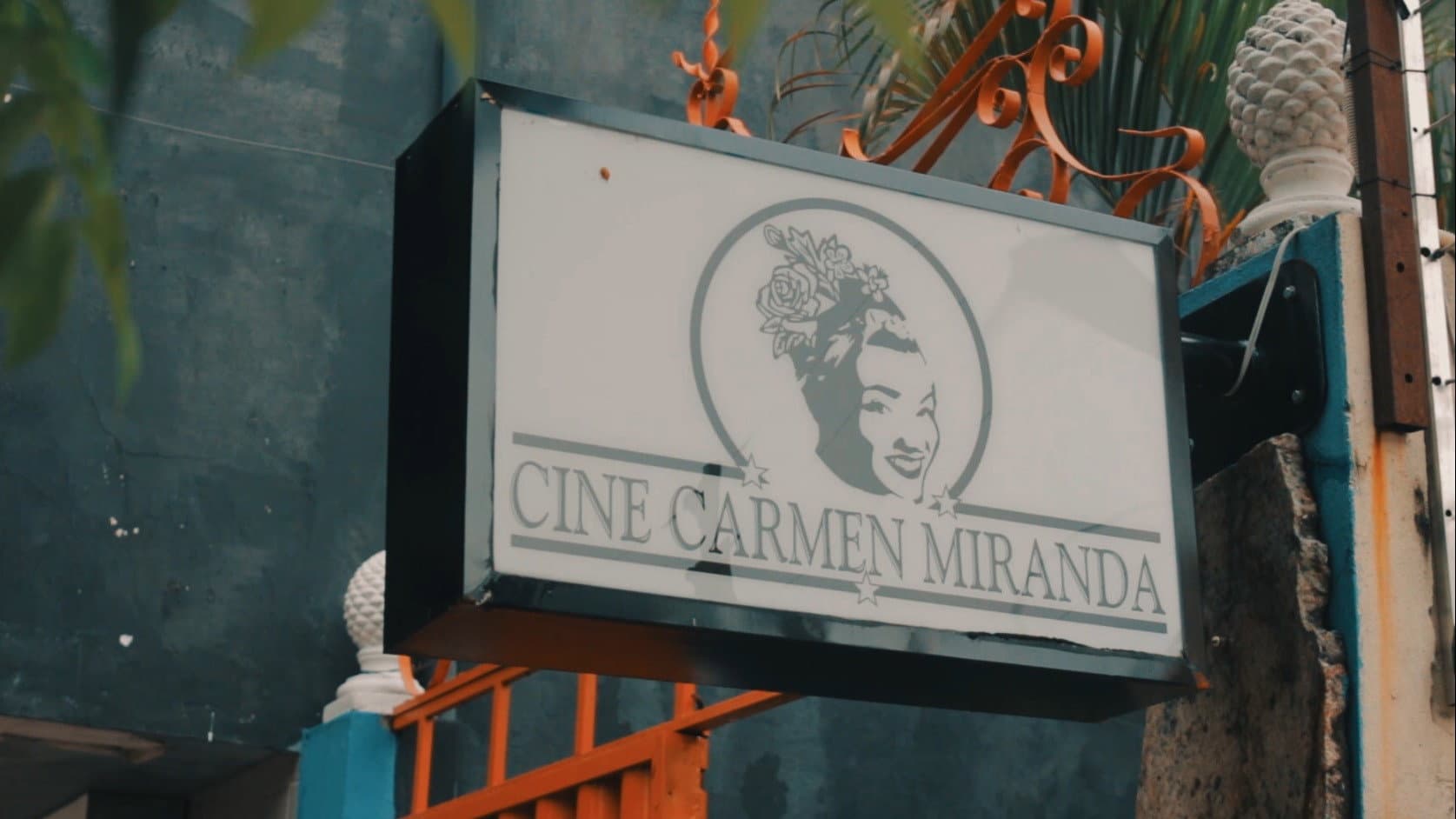
The film opens not with a title card but with the hum of a projector warming up - a sound that, for anyone under thirty, might as well be a whale song. We’re introduced to the Cine Carmen Miranda, named after the iconic singer, a once-glamorous single-screen theater that now survives on a diet of cult repertory screenings, indie Brazilian flicks, and the occasional community debate. Across the cobblestones sits Casarão de Ideias, a slightly newer but equally fragile space that hosts film clubs, live music, and workshops. These aren’t just venues; they’re lifelines for a neighborhood being squeezed by gentrification and neglect.
Neutron’s camera lingers on the architecture: cracked tiles, faded art-deco lettering, seats that squeak like wounded birds. But the heart of O Cinema e o Centro is the human ecosystem. Brito talks about the regulars who come not for a specific movie but for the ritual of sitting in the dark together. Guerrero walks us through the logistics of keeping a digital projector alive when spare parts are ordered from abroad and arrive three weeks late. Loureiro frames it bluntly: “A city that loses its gathering spaces loses its memory, and a memory that isn’t exercised atrophies.” The documentary doesn’t romanticize these places as flawless utopias - it shows a screening with three attendees, a heated argument over programming choices, a broken air conditioner on a 38°C night. But it also captures the moments that make it worth it: a kid’s first silent film, an elderly couple dancing in the aisle during a musical intermission, a standing-room-only debate about local politics.
What you won’t get is a doom-and-gloom eulogy. The tone is resilient, even wry at times. One sequence contrasts the manicured sterility of a shopping mall cinema - where audiences check phones mid-scene and nothing is shared - with the messy, interactive energy of these historic houses, where a bad joke gets a boo and a good plot twist gets spontaneous applause. The film argues, quietly but firmly, that streaming hasn’t killed cinema; it has just relocated it to a solitary couch. These theaters offer something else: the risk of a stranger’s laugh, the pressure of a collective silence, the shock of shared emotion.
Why It's Worth Watching
In an era where every documentary feels compelled to run 90 minutes and deliver a TED Talk thesis, O Cinema e o Centro is refreshingly compact and unpretentious. It doesn’t answer whether these spaces will survive another decade - that uncertainty is part of the tension. But it does something more valuable: it makes you care about their survival on a visceral level. You’ll finish the 32 minutes and feel an inexplicable urge to find your nearest independent theater and buy a ticket, just because.
The film also sidesteps the usual “technology bad” clichés. It acknowledges that Netflix and social media are simply part of life now, but it asks a sharper question: what are we losing when our entertainment requires zero effort to access and zero emotional risk to consume? Through Brito’s weathered hands as she threads a reel, or Guerrero’s patient scheduling of a kids’ animation matinee, the answer emerges - not in words, but in gestures. This is a love letter to inconvenience, to the friction of actually showing up somewhere at a set time and sitting next to strangers.
Don’t expect a technical marvel. The editing occasionally lingers too long on a static shot, and the sound mix has a raw, unpolished edge. But that’s the point. O Cinema e o Centro practices what it preaches: it’s imperfect, human, and alive. For anyone who has ever mourned a shuttered movie house or cheered for a community that refuses to fold, this is a quiet, powerful reminder that the show doesn’t have to be over. In a year of bloated blockbusters, 32 minutes of honest resistance feels like a revelation. Watch it today - and maybe, just maybe, go sit in a dark room with other people afterward.