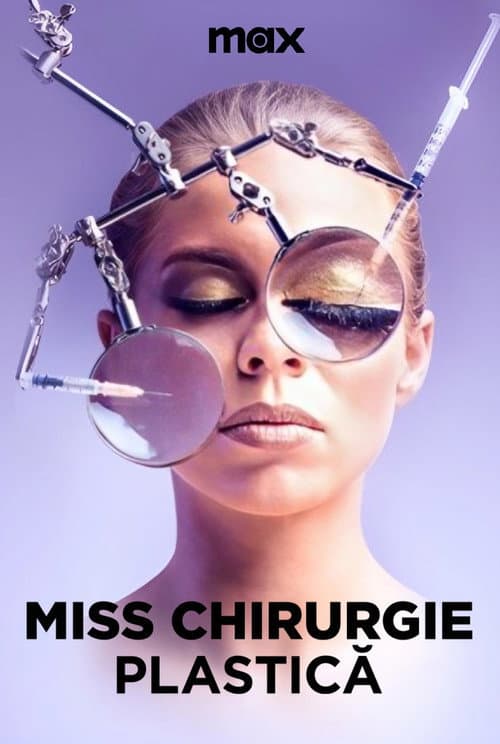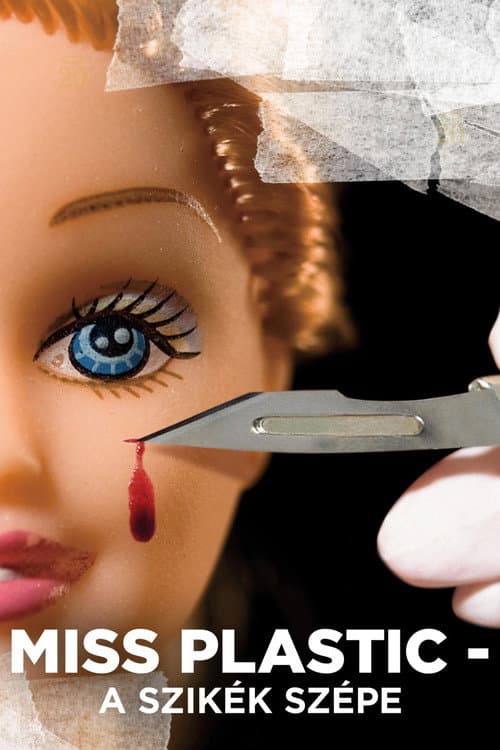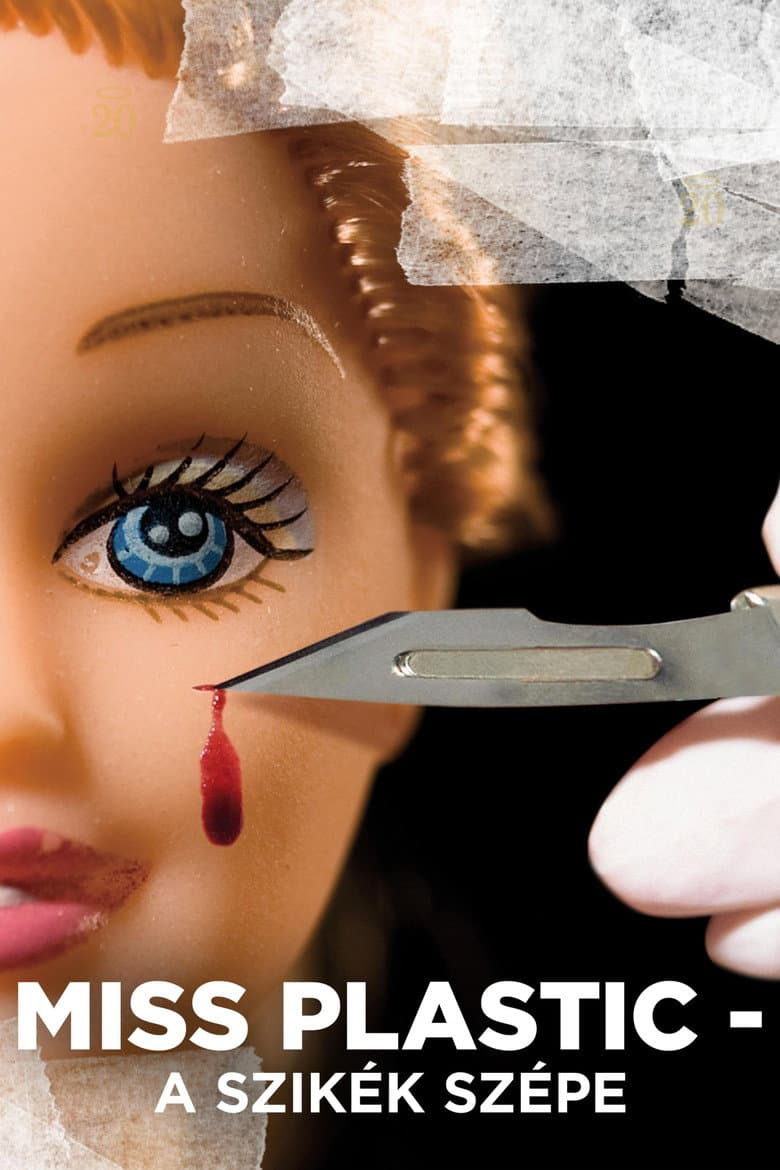
The first official trailer and key art for the documentary Plastic Beauty have landed, offering a glimpse into a world where physical transformation meets public judgment. The film, which holds a perfect 10/10 score on TMDb, is slated to premiere on September 17 and tells the startling story of the women who entered Miss Plastic Hungary, a pageant unique in its celebration of surgical enhancement.
Directed by Spáh Dávid, the 57-minute documentary goes beyond the glitz of the runway to question a fundamental dilemma: does the pursuit of an idealised appearance bring genuine happiness, or does it trap individuals in an endless cycle of insecurity? The newly released trailer captures this tension with striking visuals of contestants preparing backstage, juxtaposed with their candid reflections on identity and self-worth. The key art, featuring a crown hovering over a fractured mirror, visually alludes to the film’s central theme of fractured perceptions.
The project centres on Edina Kulcsár, a prominent figure in the pageant circuit, whose journey anchors the narrative. Through her story and those of her fellow competitors, the documentary explores the motivations behind extreme cosmetic procedures, the societal pressures that fuel them, and the personal cost often hidden beneath the surface. The trailer hints at intimate interviews where these women confront the question head-on: is their new beauty a key to opportunity, or a cage of their own making?
Originally produced in Hungarian and released in December 2009, Plastic Beauty has waited over a decade and a half for its moment in the international spotlight. Its late arrival to streaming platforms, however, feels remarkably timely. With ongoing global debates about body image, the rise of filter culture, and the normalisation of cosmetic procedures among younger generations, the film’s questions resonate far beyond the borders of Hungary. The documentary does not simply chronicle a contest; it holds up a mirror to a society increasingly obsessed with surface-level perfection.
The narrative structure avoids simple moralising. Instead, it presents a mosaic of experiences, from elation at winning a title to the quiet dread of seeing one’s own face become unrecognisable. The director’s approach here is observational, allowing the subjects’ own words to carry the weight. One sequence in the trailer shows a contestant tracing her jawline with a finger, noting how many times she has altered it, while another celebrates the freedom she feels in her new body. There is no single answer offered, which is precisely the point.
The pageant itself, Miss Plastic Hungary, serves as a provocative backdrop. For participants, it is a platform to reclaim agency over their bodies; for critics, it is a symptom of a deeper cultural sickness. The documentary captures this dichotomy without resolution, presenting the event as both a spectacle and a serious examination of choice. The 57-minute runtime is tight, moving swiftly from pre-contest preparations to the climactic crowning, never allowing the viewer to settle into a comfortable moral stance.
Given the perfect critical rating attached to the film, expectations are understandably high. The trailer suggests a work that is as emotionally resonant as it is intellectually challenging. It does not shy away from the contradictions of its subjects, who can be simultaneously proud of their surgeries and vulnerable about the reasons that drove them under the knife. This complexity is likely what earned the film such acclaim in its original release, and it remains its chief asset for new audiences.
The September 17 premiere on OTT Stories positions Plastic Beauty as a significant addition to the platform's documentary slate. It offers viewers a chance to engage with a story that is at once specific to a particular time and place and universal in its exploration of human vanity and resilience. The key art, with its cracked mirror, serves as a fitting metaphor for the film’s ambition: to show not just what these women see when they look at themselves, but what they fear, hope, and ultimately refuse to see.
As the release date approaches, the conversation the film is likely to spark appears already underway. Is beauty a passport to a better life, or a relentless demand that can never be fully met? The trailer ends with a slow zoom on Kulcsár’s face, her expression unreadable, as a voice asks, "Are you happy now?" It is a question the film leaves hauntingly open, and one that will likely linger long after the credits roll on September 17.
Source: Netflix Newsroom