Somewhere between a hangout movie, a backstage comedy, and a gentle mockumentary lies Plonternish, a 54-minute curiosity that arrives just in time to close out the dog days of summer. It’s a small film with a deliberately modest premise - a writer sits down to write a play - but the execution is anything but lazy. Premiering today, August 30, 2026, this is the kind of project that feels less like a traditional release and more like a hand-delivered invitation into someone’s creative chaos. And for those who crave intimacy over spectacle, that’s exactly the point.
Release Date & Where to Watch
Plonternish officially lands on OTT Stories today, August 30, 2026. That means it’s available right now, no theatrical window, no waiting for a digital drop. The streaming platform has positioned it as a quiet counterprogramming move against the usual late-summer blockbuster heavies. With a runtime of just 54 minutes, it’s an easy, one-sitting watch - practically a short film stretched to feature length, or a feature compressed into an afternoon nap’s worth of time. You won’t need to carve out an entire evening; just a lunch break with a glass of something cold and a willingness to let the narrative wander.
Cast & Crew
At the helm is Eli Woloshin, who pulls triple duty as writer, director, and star. Woloshin plays Eli, a fictionalized version of himself navigating the uneasy gap between ambition and execution. It’s a meta layer that could easily collapse into navel-gazing, but the supporting cast keeps things grounded. Sabrina Kissack plays Sabrina, a presence who feels like both muse and critic. Ben Brandwein doubles as Ben Goldberg and Lazlo, giving the film two distinct energies from one performer - a neat trick that hints at the play-within-the-film’s shape-shifting nature. Alice Burg splits her time between Alice and Iris, while Alex Lukmann handles the dual roles of Alex and a Waiter. Jonah Slaghekke shows up as both Jonah and Fergus, with Luan Rogers as Ben’s Date and Lucia Pompetti as Lucia rounding out the ensemble.
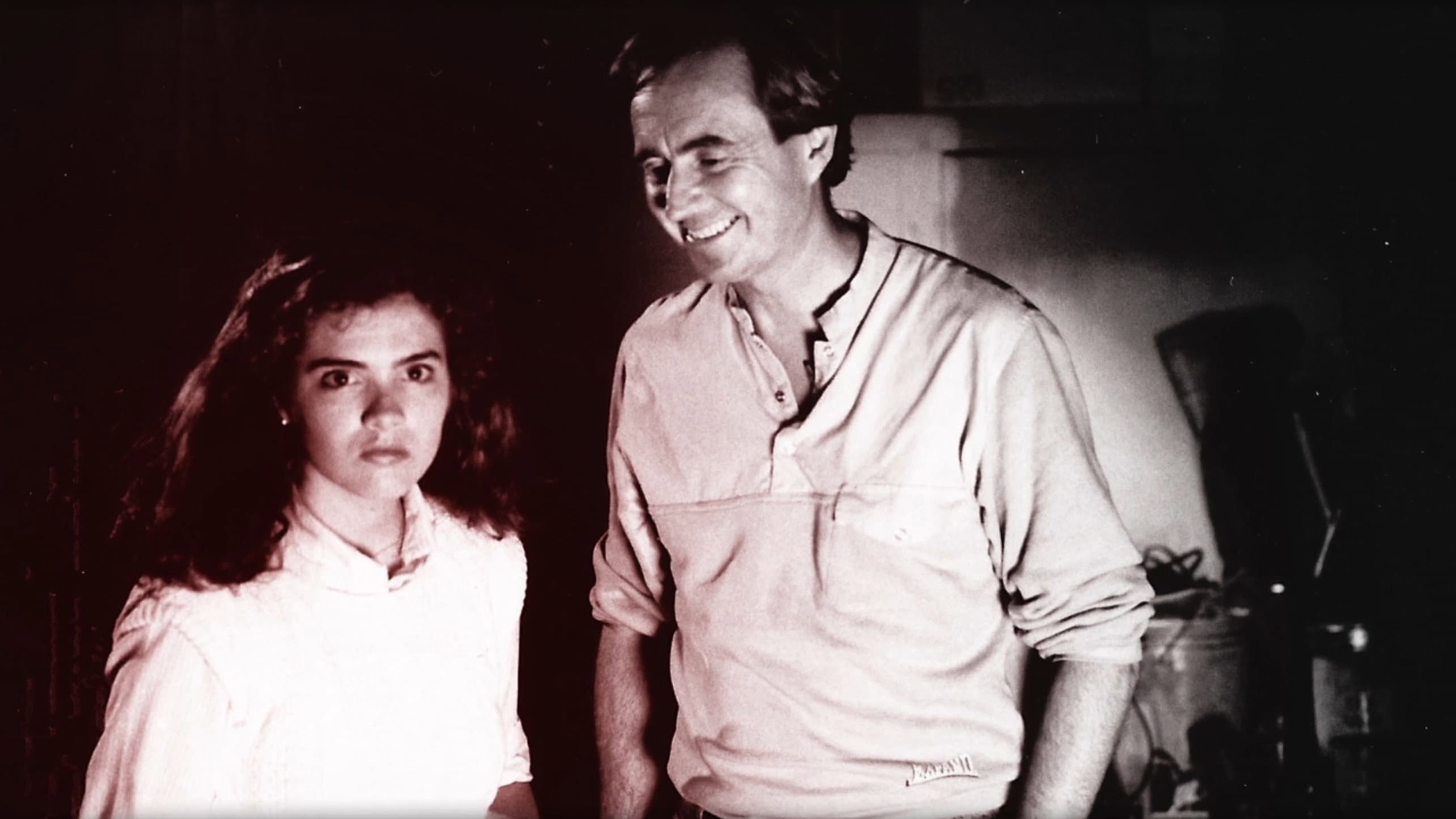
Woloshin’s direction is loose, almost documentary-like. The “Documentary” genre tag isn’t a gimmick; the camera lingers on awkward silences, captures half-finished sentences, and treats rehearsal-room banter with the same weight as more scripted moments. The cast clearly shares a shorthand - many of them feel like friends who wandered into frame and just started talking. That naturalism is the film’s secret weapon.
Story & What to Expect
The plot, such as it is, follows Eli as he attempts to write a play. There’s no inciting explosion, no deadline pressure, no desperate muse. Instead, we watch him circle the blank page, talk through ideas with Sabrina, bounce scenes off Ben, and occasionally get lost in rehearsals that blur the line between reality and the play he’s trying to write. Characters appear in dual roles - Ben Goldberg/Lazlo, Alice/Iris - suggesting that the boundaries between the “real” people and their fictional counterparts are intentionally porous. Are we watching the play take shape, or are we watching Eli’s life get absorbed by it? The film never answers definitively, and that’s the charm.
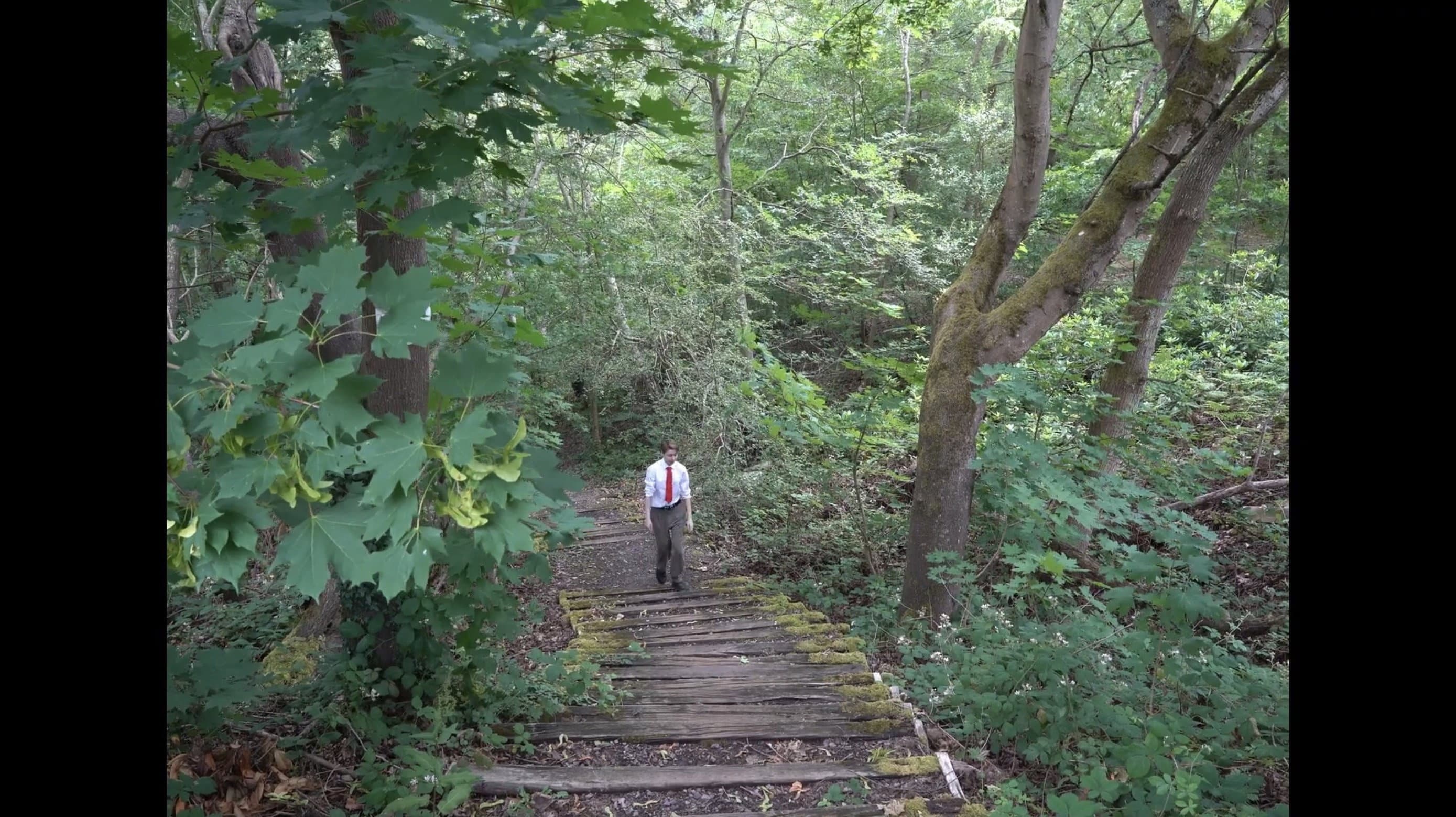
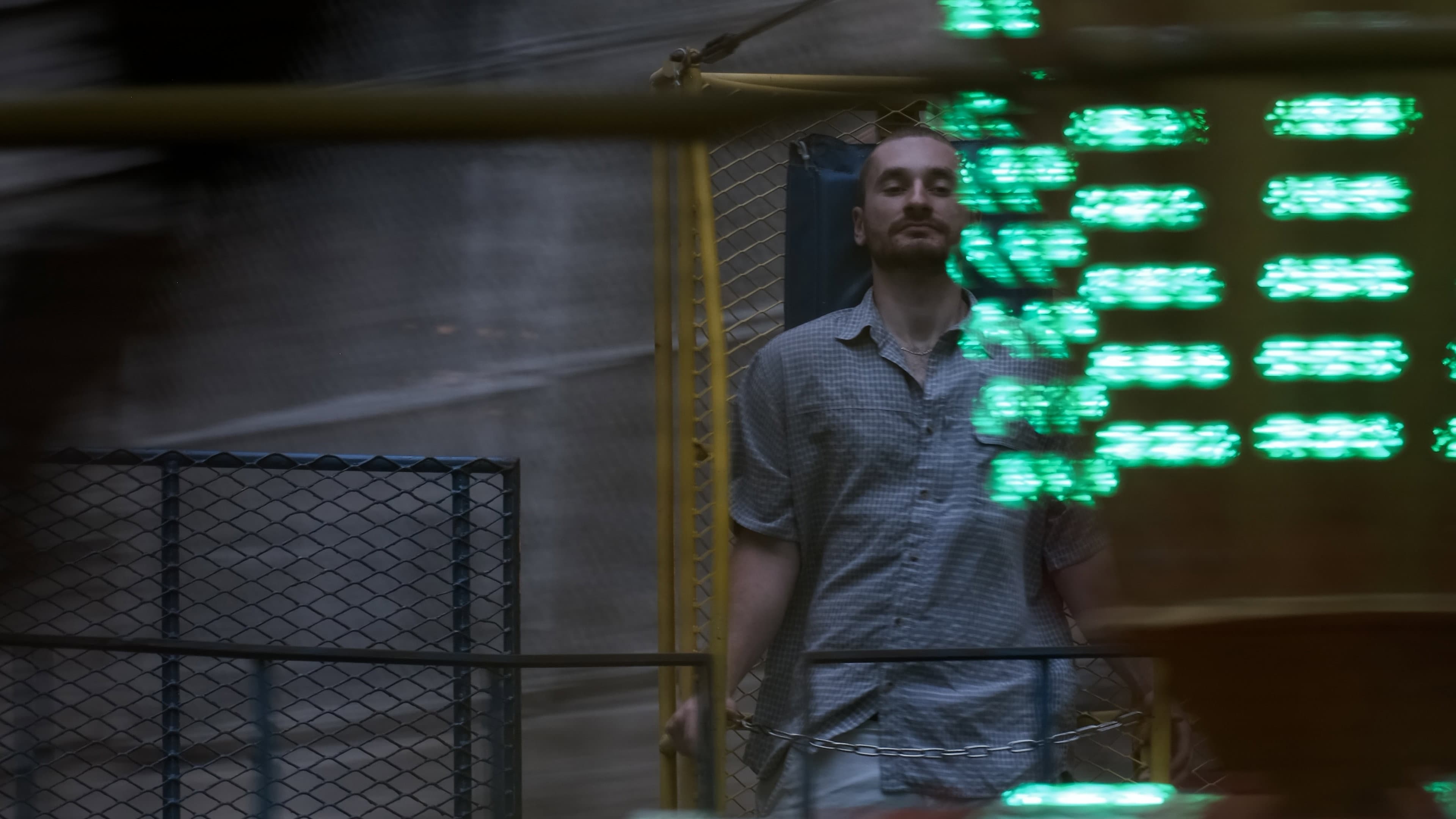
Expect a lot of talking. This is not a visual spectacle; it’s a dialogue-driven piece that thrives on verbal sparring, half-jokes, and the occasional flash of genuine vulnerability. The comedy is dry and understated, the drama emerges in small doses - a frustrated sigh, a glance that lingers a beat too long. The documentary framing means we get handheld camerawork, natural lighting, and a sense that things could go off-script at any moment. The play itself, whatever it ends up being, feels almost secondary to the process of its creation. And that’s fine. Plonternish is less concerned with the finished product than with the messy, repetitive, often hilarious labor of making something from nothing.
There’s also a quiet intimacy to the 54-minute runtime. It’s short enough to feel like a vignette, but long enough to give each character a moment to breathe. The dual casting adds a playful theatricality - you’re never quite sure if you’re watching a scene from Eli’s life or a scene from his play, and the ambiguity is deliberate. The TMDb rating sits at a pristine 0/10, which is less a critique and more a blank slate. This is a film that hasn’t been talked about yet; it’s waiting to be discovered.
Why It's Worth Watching
In an era where every streaming release feels like it needs a franchise hook or a star-studded budget, Plonternish dares to be small. That’s its greatest strength. Woloshin has crafted a work that feels personal without being precious, funny without punchlines, and dramatic without melodrama. The documentary tag is earned - there’s a rawness here that scripted drama often smooths away. You get the sense that some of these conversations might have happened in real life, that the characters are barely fictionalized, and that the line between artist and art is thinner than we usually admit.
The performances are uniformly naturalistic. Kissack brings a warm, slightly sardonic energy that balances Woloshin’s more anxious protagonist. Brandwein’s dual roles give him room to show range, while Burg and Lukmann handle their split duties with ease. But the real draw is watching someone try to create under the gaze of their own friends - the fear of being judged, the hope of being understood, the weird alchemy that turns personal insecurity into something publicly watchable. Plonternish is about that leap, and it makes the leap willingly.
It’s also refreshingly brief. At 54 minutes, it respects your time. You can watch it twice in the same evening if it clicks. And if it doesn’t click, you’ve lost less than an hour. But odds are it will at least make you think - or better yet, make you want to write something yourself. For fans of meta-comedy, low-stakes drama, and the kind of film that feels like a conversation you’re lucky to be eavesdropping on, Plonternish is a quiet, worthy detour. Just don’t expect a big finale. The point isn’t the play. It’s the trying.