
There is a particular kind of pressure that comes with adapting Jane Austen. Do it too faithfully and you're accused of embalming the material; do it too loosely and you've betrayed the congregation. Georgia Oakley, whose debut feature "Blue Jean" announced her as a filmmaker of uncommon emotional precision, has now stepped into that minefield with "Sense and Sensibility," and the result is a film that feels less like a museum piece and more like a conversation with an old friend who has, somehow, gotten wiser with age.
Released on September 23 and arriving on streaming platforms this month, this 132-minute Hollywood production understands something fundamental that many Austen adaptations forget: the Dashwood sisters are not archetypes. They are young women figuring out how to survive heartbreak in real time.
Daisy Edgar-Jones anchors the film as Elinor, the elder Dashwood whose composure has always been her armor and her cage. It's a performance of extraordinary restraint. Edgar-Jones has built a career on characters who feel deeply while showing little, and here she calibrates every flicker of the eye, every tightening of the jaw, to convey the cost of being the responsible one. When Elinor finally cracks, it lands like a thunderclap precisely because she has spent two hours refusing to.
Opposite her, Esmé Creed-Miles brings a feral, reckless energy to Marianne that rescues the younger sister from mere romantic folly. This Marianne isn't just a girl who reads too much poetry; she's a young woman who has decided that feeling everything at maximum volume is a form of integrity. Creed-Miles makes that conviction both admirable and alarming, which is exactly right.
The supporting cast is, frankly, absurd in the best way. Caitríona Balfe's Mrs. Dashwood carries the weariness of a woman who has watched her daughters' futures shrink through no fault of their own. Fiona Shaw turns Mrs. Jennings into something far more interesting than the comic busybody the role often becomes, finding genuine warmth beneath the meddling. George MacKay's Edward Ferrars is suitably awkward and decent, a man whose goodness is so unglamorous that it takes the whole film to recognize it as heroic. Frank Dillane's Willoughby is all charm and no floorboards, and Herbert Nordrum gives Colonel Brandon a quiet dignity that sneaks up on you.
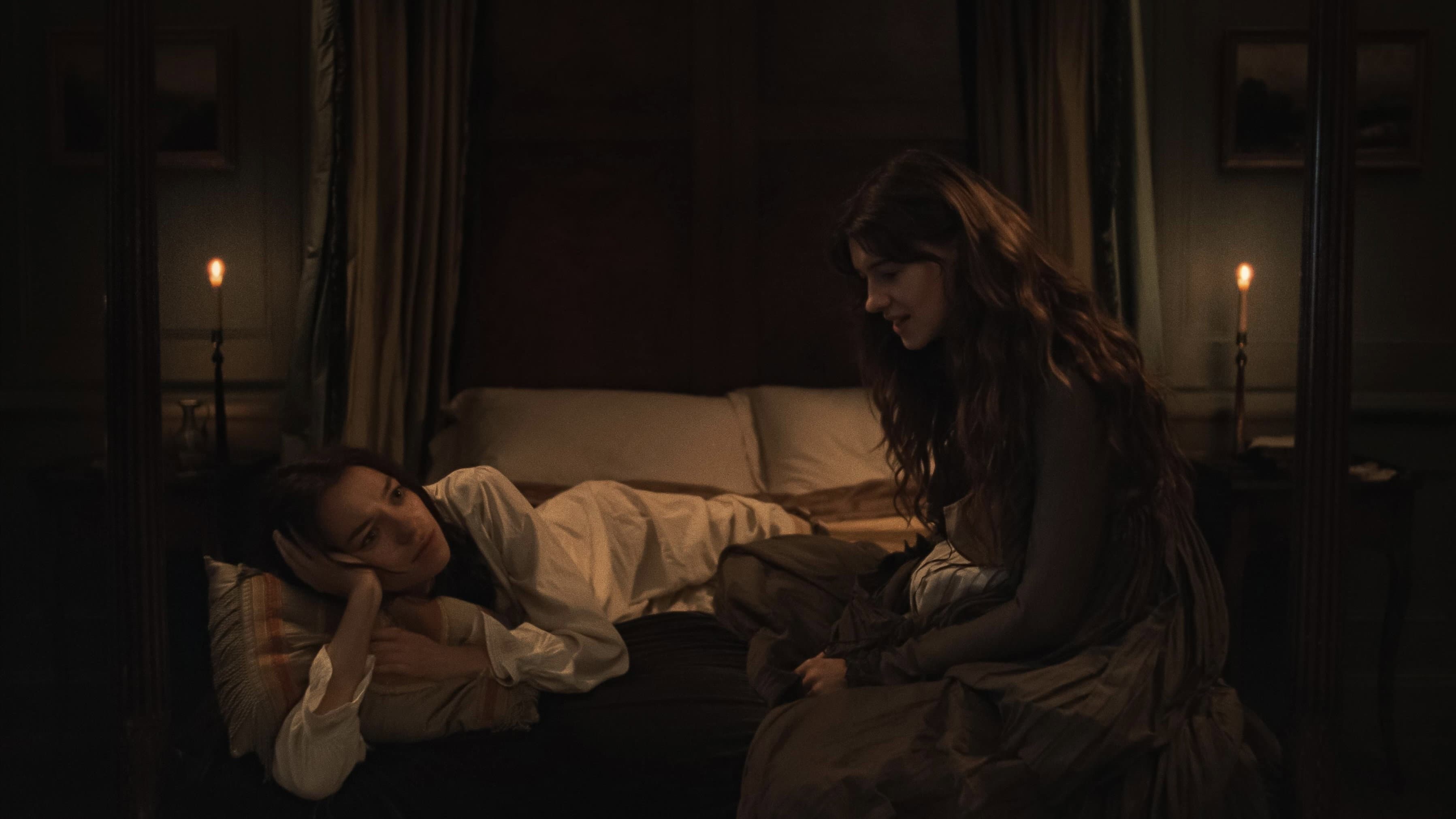
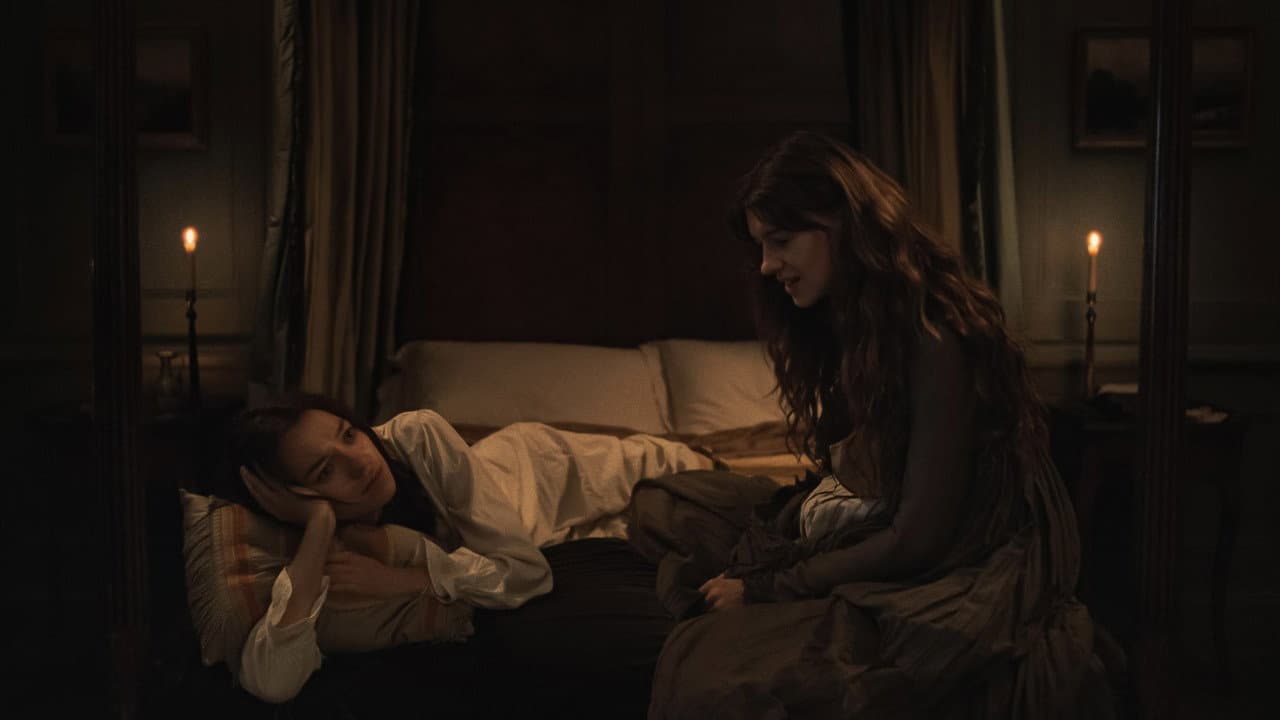
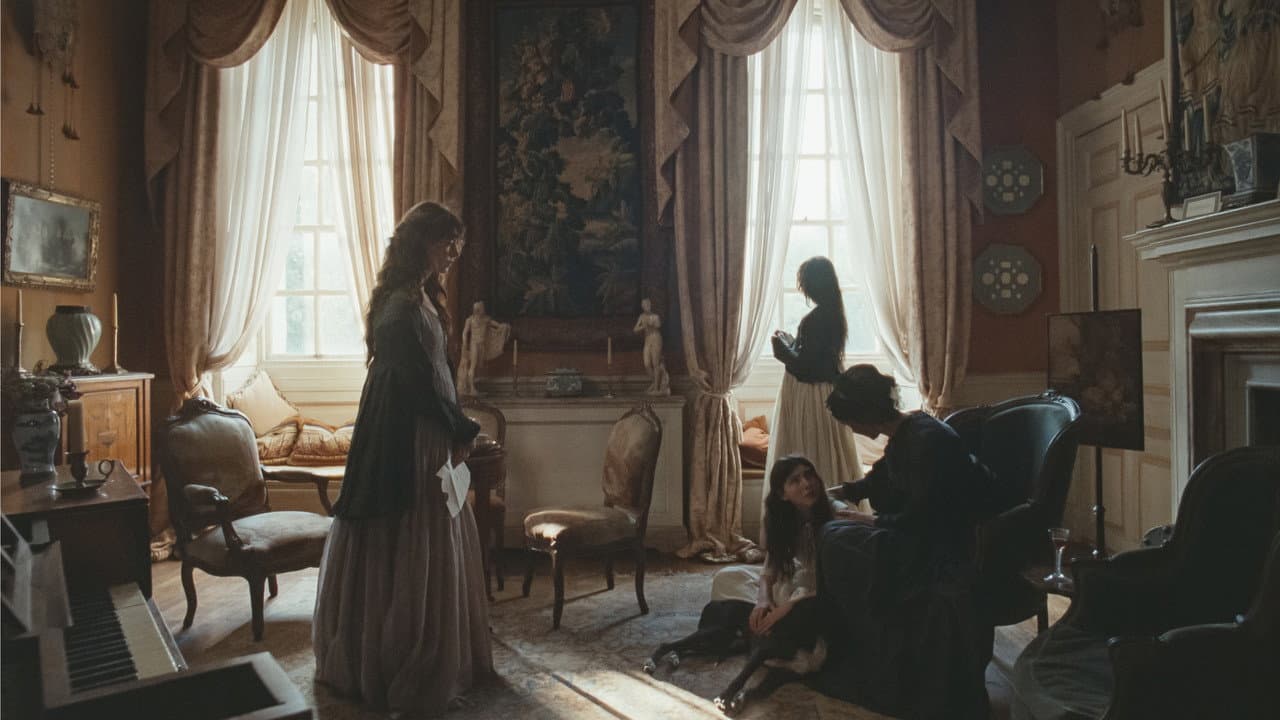
Oakley's direction is patient. She lets silences breathe. The film's palette leans into muted greens and soft grays, a visual language that suggests a world where emotions are felt intensely but expressed carefully. It's a smart choice for a story about the gap between what people feel and what they allow themselves to show.
At two hours and twelve minutes, the film earns its runtime by giving the quieter moments room to resonate. This isn't a sprint through plot points; it's a study of how two sisters navigate a society that offers them very few viable options and even fewer second chances.
The ratings tell a story of their own. A 7.357 on TMDb and a 7.2 on IMDb suggest a film that has connected with audiences without generating the kind of frothy hysteria that sometimes accompanies period adaptations. This is a movie people respect and, more importantly, feel something for.
What makes this "Sense and Sensibility" worth your evening is its refusal to condescend to its characters. Oakley treats Elinor's pragmatism and Marianne's romanticism as equally valid responses to a world that punishes women for either. The film doesn't ask you to choose a side. It asks you to understand why both sisters need each other.
In an era when period dramas often feel like they're apologizing for existing, this one stands tall. It's a story about love, yes, but also about the economics of survival, the tyranny of gossip, and the radical act of allowing yourself to be known. Nearly two centuries after Austen wrote it, that still feels urgently true.