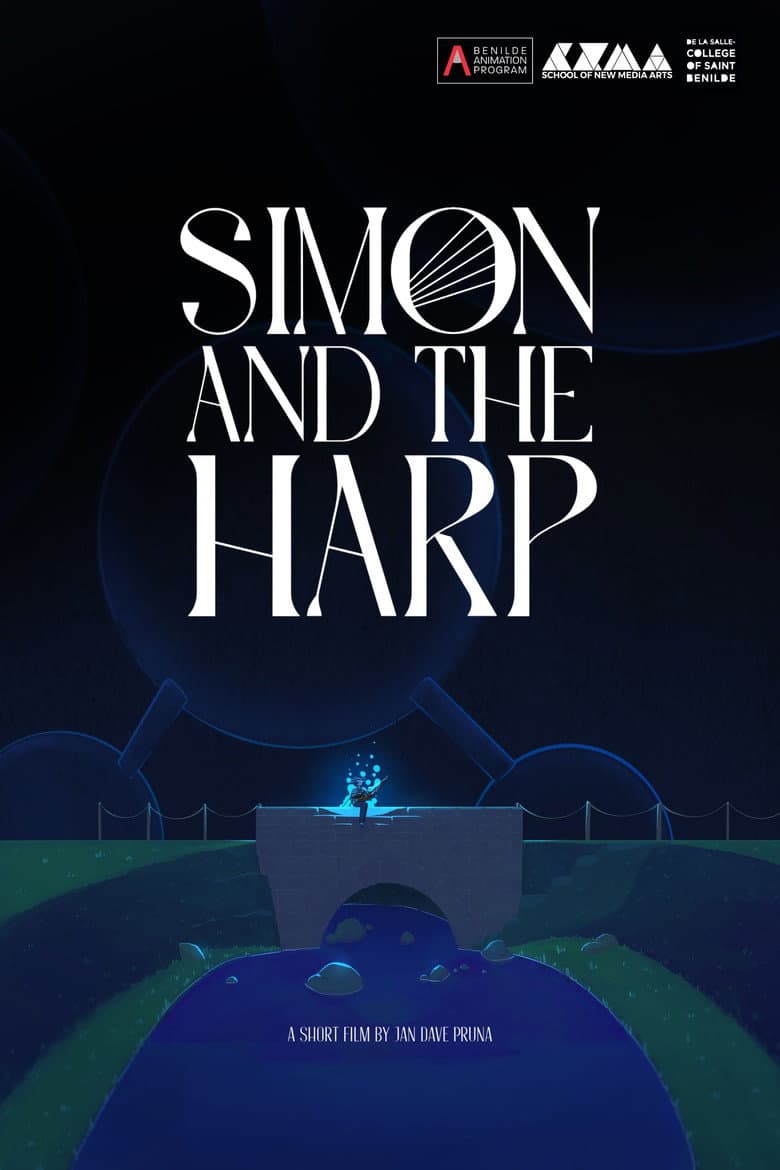
The chime of a harp isn’t the first sound you’d expect to echo through the sterile glass walls of a corporate terrarium. But that’s precisely the strange, gentle hook of Simon and the Harp, a compact 10-minute short that arrives on OTT Stories today, August 12, 2026. It’s a quiet film, one that trades explosive spectacle for the delicate flutter of a dragonfly’s wings, and in doing so, it might just be the most soothing thing you stream all week. Directed by Jan Dave Pruna, this is a piece that understands the profound weight of small moments - and how a single, unexpected melody can rewire an entire existence.
Release Date & Where to Watch
Mark your calendars for today: Simon and the Harp officially lands on OTT Stories on Wednesday, August 12, 2026. There’s no theatrical rollout, no massive marketing blitz - just a direct-to-streaming debut that feels perfectly suited to its intimate, fable-like nature. If you’re a subscriber to OTT Stories, you’ll find it waiting in the shorts and independent features section, likely nestled alongside other bite-sized gems that prioritize atmosphere over runtime. The platform has increasingly become a home for experimental animation and mood-driven storytelling, and this 10-minute piece fits that bill snugly. Given its brevity, it’s the kind of film you can fit into a lunch break or a late-night wind-down without committing to a full feature. And given its visual style - all lush, crystalline environments - it’s best watched on a decent screen where the colors can breathe. Glance at your phone’s screen, and you might miss the point; sink into it on a proper display, and the terrarium world feels genuinely immersive.
Cast & Crew
The creative force here is director Jan Dave Pruna, whose name may not yet be a household one, but who demonstrates a keen eye for visual metaphor in this short. Pruna’s direction favors patience - the camera lingers, letting the environment speak before the story pushes forward. The film is essentially a one-character piece, centered entirely on Simon, the blue dragonfly. The voice cast remains under wraps, with no official credits released as of yet. That’s a deliberate choice, perhaps; it keeps the focus on the character’s physicality and the expressive animation of his tiny, spindly frame. The lack of star power isn’t a detraction, but rather a signal that this is a director-first project, one where the atmosphere and the rhythm of the edit carry the emotional load. The sound design, too, deserves a mention - the harpsichord-like plucks of Simon’s instrument are rendered with tactile clarity, making you feel every string vibration in your chest. While we can’t name the animators or the composer, their fingerprints are all over the piece, crafting a world that feels both confined and boundless.
Story & What to Expect
Don’t let the whimsical premise fool you: Simon and the Harp opens in a state of quiet desperation. Simon is a blue dragonfly trapped in a vast network of glass terraria - biospheres that shimmer with artificial light but offer no real escape. He’s not a hero; he’s an office worker. His days blur into a monotonous loop of administrative tasks, clicking through screens, stamping documents, and staring at data that never seems to end. The film captures the suffocating rhythm of modern work with alarming precision, even through an insectoid lens. The glass walls are clean and transparent, yet they feel like bars. Simon’s loneliness isn’t shouted; it’s visible in the slump of his shoulders, the way he shuffles through corridors, and the long, silent pauses when he’s alone.
The turning point arrives not as a revelation, but as a collapse. Exhaustion finally claims him one afternoon, and he crumples, waking later outside the terrarium complex, by a river he’s never seen before. There, half-buried in the reeds, sits an old, neglected harp. It’s an absurd object - grand, ornate, and utterly out of place. But Simon, driven by a flicker of curiosity, touches the strings. The first note is hesitant, almost off-key. The second is clearer. Soon, he’s playing with a tentative joy that transforms his entire demeanor. What Simon doesn’t initially realize is that his music isn’t just a personal salve; it’s a resonant force. The harmonies ripple through the air, attracting other creatures from the surrounding area - moths, beetles, even a cautious frog - who gather to listen. The harp becomes a conduit, turning his private sorrow into a shared experience. The short builds to a gentle climax where Simon’s world, once sealed and silent, opens up to include others, not through grand speeches, but through the universal language of melody. Expect a meditative pace, sparse dialogue (if any), and a visual storytelling style that leans heavily on expression and light.
Why It's Worth Watching
In an era where most shorts try to be punchy or ironic, Simon and the Harp dares to be tender. Its 10-minute runtime is an asset, not a limitation; it forces the narrative to be economical, cutting away any fat and leaving only the emotional core. There’s a profound relatability in Simon’s struggle - the feeling of being a tiny cog in a gleaming machine, of pouring energy into tasks that drain the soul. His discovery isn’t about fame or success; it’s about reconnection. It’s about finding a piece of yourself you forgot existed and, through that discovery, accidentally building a bridge to others. The animation style is likely to draw comparisons to other minimalist, environment-focused works, but Pruna’s direction gives it a distinct melancholy warmth.
The film doesn’t offer easy answers. It doesn’t show Simon quitting his job or smashing the terraria. Instead, it suggests that sometimes, redemption isn’t about escape - it’s about finding something beautiful to carry with you, even inside a cage. The image of a tiny dragonfly, hunched over a massive harp by a moonlit river, is one that lingers long after the credits roll. It’s a reminder that creative fulfillment can be a lifeline, a way to pierce through isolation that no amount of policy or productivity can replicate. For those weary of loud, cynical content, Simon and the Harp is a balm. It’s brief, yes, but it’s also the kind of quiet, resonant piece that makes you want to sit still for a moment after it ends, listening to your own silence. Give it ten minutes today; it might just change the key of your entire evening.