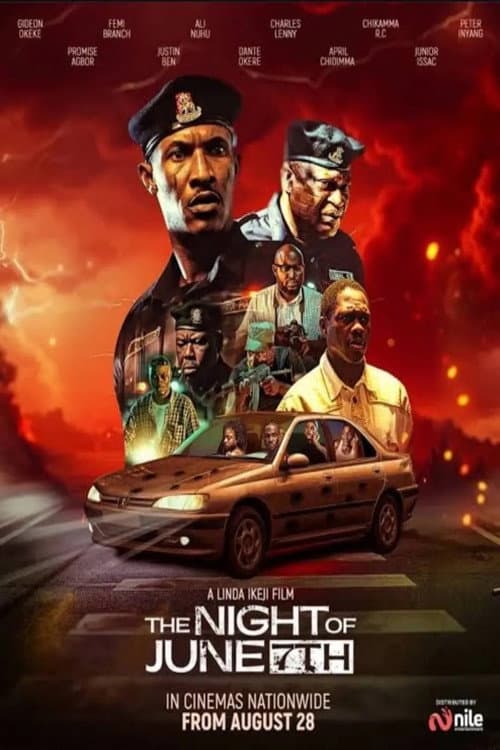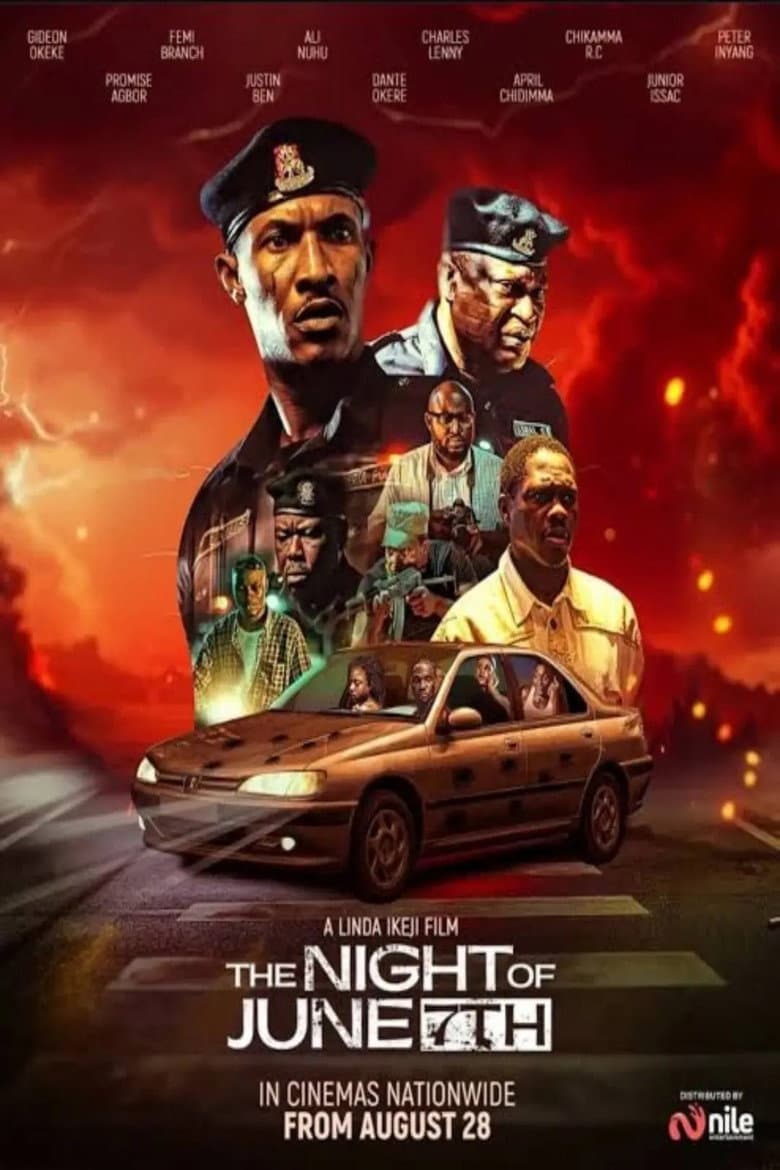
It is a date that will be etched into the memory of anyone who watches it: June 7th. But for the six young men at the center of The Night of June 7th, it is not a memory - it is a final, brutal punctuation mark. Opening in select theaters and on streaming platforms today, August 28, 2026, Director Toka Mcbaror’s new crime thriller isn’t here to entertain you with shootouts. It’s here to make you uncomfortable, to force you to stare at a system that ate its own young and then tried to bury the evidence.
This is a film that arrives with the weight of a sledgehammer. It’s not a whodunit; we know who did it from the opening frames. The question is whether anyone will pay, and how far the truth will have to travel before it sees daylight.
Release Date & Where to Watch
Mark your calendars: The Night of June 7th officially premieres today, August 28, 2026. While its initial rollout includes a limited theatrical run in select arthouse cinemas, the primary home for most viewers will be OTT. The film is available for streaming on all major digital platforms as of midnight, so you can watch it from the comfort of your couch tonight. Given its runtime of 105 minutes, it’s a tight, focused experience - no filler, no unnecessary digressions. It is rated for mature audiences due to its graphic depiction of violence and systemic abuse, so keep that in mind before hitting play with the family.
Cast & Crew
The talent behind this project is where the promise of quality begins. At the helm is Toka Mcbaror, a director known for his uncompromising visual style and his ability to coax raw, physical performances from his actors. He doesn’t let the camera flinch, and neither should you.
The cast is a masterclass in veteran gravitas. Femi Branch delivers a chillingly composed performance as the lead detective orchestrating the cover-up; his calm, bureaucratic evil is more terrifying than any loud-mouthed villain. Ali Nuhu plays the conflicted internal affairs officer who knows the truth but must decide if his career is worth more than his conscience. His scenes are the film’s moral center. Gideon Okeke brings a frantic, desperate energy as the lead family advocate, a man running on fumes and grief. Newer names like Charles Lenny and Justin Ben round out the ensemble, playing two of the doomed traders with a heartbreaking sense of hope that makes their fates all the harder to watch.
There is no weak link in this chain. Mcbaror lets the camera linger on faces - waiting, watching, judging - and his actors reward him with layered, deeply human portrayals.
Story & What to Expect
Don’t expect a conventional legal drama. The Night of June 7th is structured like a thriller, but it plays like a nightmare. The narrative opens in the bustling financial district of Abuja, where six young traders are finishing a late night of work. They are ambitious, energetic, and completely oblivious to the fact that their vehicle has been flagged.
The film’s terrifying thesis is simple: a rogue police squad, acting on a corrupt intelligence tip, mistakes these kids for a bank robbery crew. There is no negotiation, no arrest, no due process. There is only the barrel of a gun and the flicker of muzzle fire in the dark. Mcbaror doesn’t sugarcoat the violence; it is sudden, graceless, and ugly. The six are executed in a muddy gutter, their bodies left to be discovered by a street sweeper at dawn.
What follows is the real heart of the film: the fight. The families are left with nothing but shell casings and a web of contradictions. The police report calls them armed robbers. The autopsy photos show a different story. The film follows the lawyers and the mothers as they navigate a labyrinth of faked evidence, intimidated witnesses, and a police force that closes ranks like a clenched fist.
The pacing is relentless. Information is doled out like rationed water - every new document, every leak, every anonymous phone call tightens the noose around the audience’s throat. You will feel the frustration of the characters as they slam against a system that refuses to be broken. The tension isn’t in wondering if justice will be served, but in watching how the powerful manipulate language and protocol to make murder look like self-defense.
Why It's Worth Watching
In a landscape crowded with superhero spectacle and feel-good comedies, The Night of June 7th stands apart because it demands something from you. It is not an easy watch. It is a film that operates on righteous anger, and it weaponizes your empathy against you.
First, the technical craft is superb. The sound design is unsettling - the wet thud of a body hitting the ground, the static crackle of police radios, the deafening silence of a mother who can't cry anymore. Mcbaror uses the environment of Abuja not as a backdrop, but as a character. The shiny glass towers of the financial district contrast starkly with the grim, unlit alleys where the crimes occur.
Second, the film avoids preachy melodrama. It trusts its audience to connect the dots. There are no villains twirling mustaches; instead, we get men in uniform who genuinely believe they are protecting their own. That is what makes it truly disturbing. It’s a story about institutional rot, about how the badge becomes a shield for sin.
But more than anything, it is a film about perseverance. Watching these families piece together their shattered lives, watching them refuse to accept "case closed" as an answer, is genuinely heroic. The Night of June 7th is a bitter pill, but it is an essential one. It reminds us that when the state fails its citizens, the only remaining weapon is the truth - and sometimes, even that isn’t enough. If you are looking for a film that stays with you long after the credits roll, that makes you think about the world we live in, this is your pick. Turn down the lights, and prepare for a long, dark night.