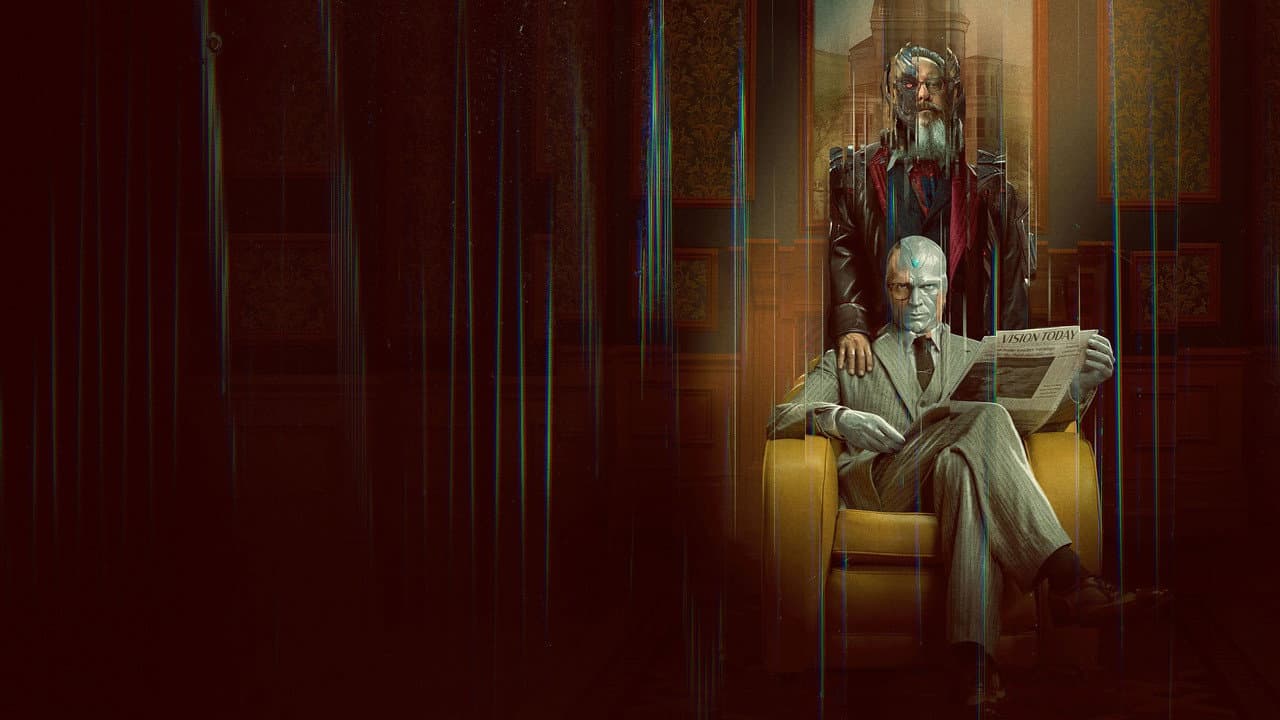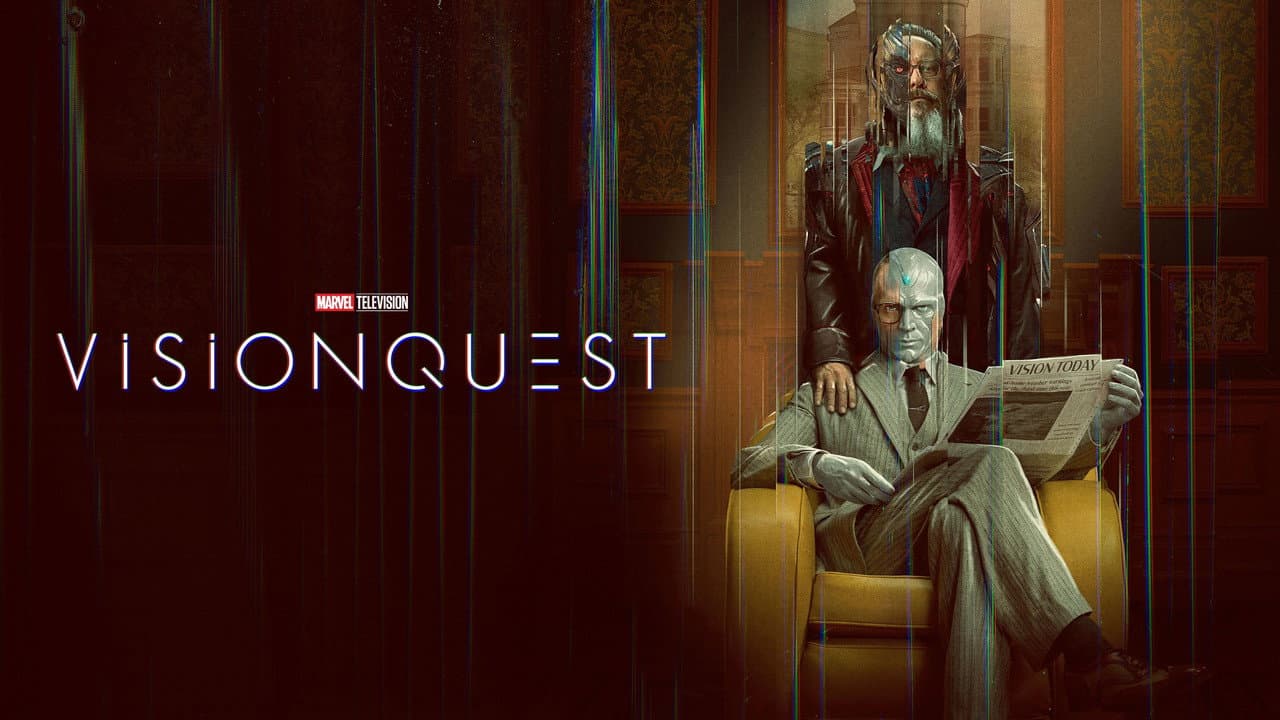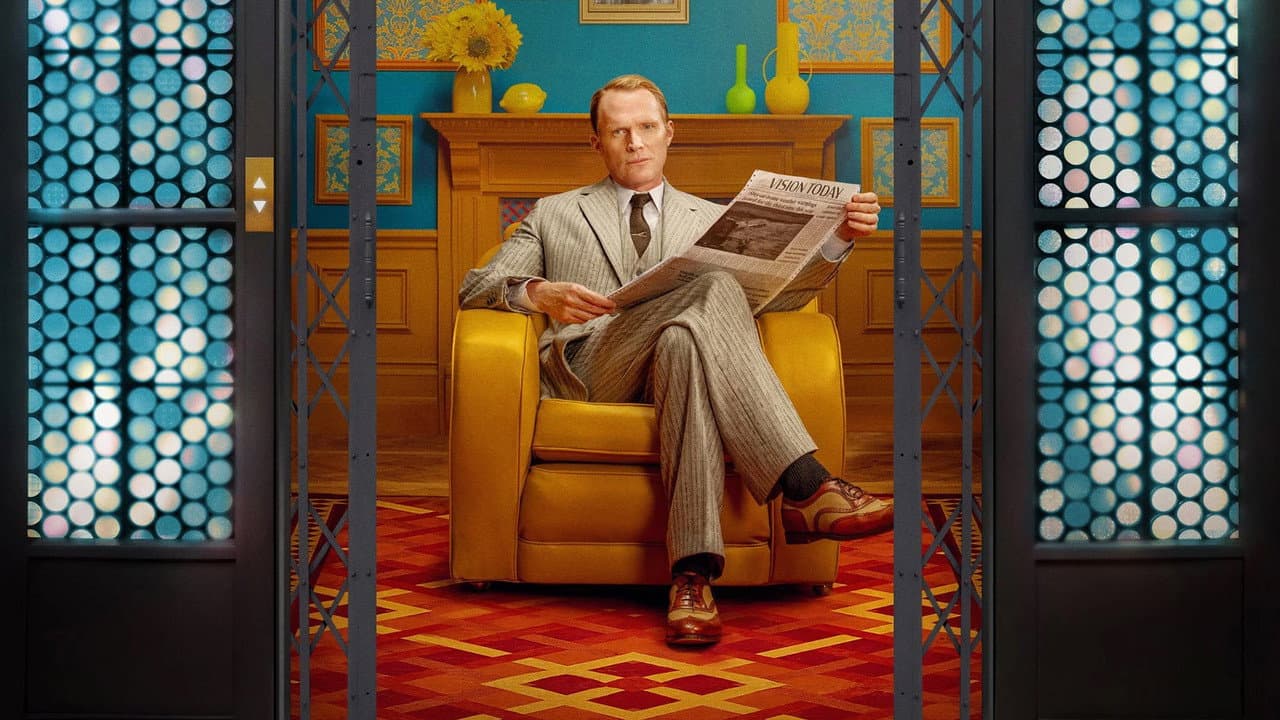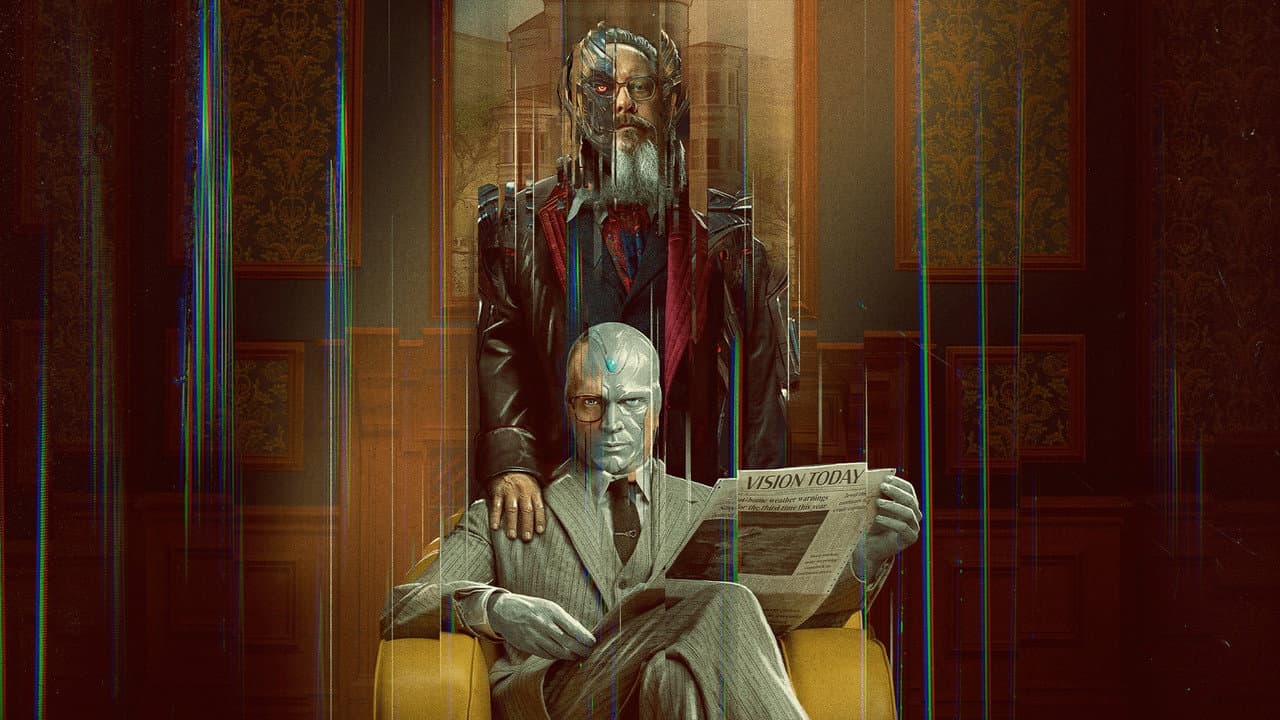
Marvel Television's VisionQuest has arrived, and with it one of the more unusual character studies the studio has attempted: a story about an android asking what, exactly, he is - while an older, angrier artificial intelligence tries to answer for him. The series released on October 13, 2026, and it currently sits at a 9.153/10 rating on TMDb, a figure that suggests audiences are responding to the material even before word-of-mouth has fully settled.
The premise is deceptively simple. Vision, played once again by Paul Bettany, finds himself hunted. There is a bounty on his head, and survival means doing more than outrunning whoever is chasing him; it means confronting his own nature and resisting the influence of Ultron. That second part carries the weight of the series, because Ultron is not a new threat so much as an old one wearing a familiar voice. James Spader returns to the role he originated in Avengers: Age of Ultron, and the dynamic between the two synthezoids is the engine driving the show's drama.
Bettany has lived with this character for more than a decade, across films and the acclaimed WandaVision, but VisionQuest appears to be asking something different of him. The overview frames the story as an internal struggle as much as an external one - a bounty hunter narrative wrapped around a question of identity. Vision has always been the most philosophical figure in the Marvel stable, a being who quotes Shakespeare and worries about what counts as a soul. Here, that tendency becomes the plot rather than a quirk.
Ultron's Return and the Supporting Ensemble
Spader's Ultron was last seen as a one-film antagonist, charismatic and genocidal, destroyed but never quite erased from the franchise's memory. His reappearance opposite Vision is a logical collision: two minds born from the same source, one committed to protecting life, the other to pruning it. How the series resolves that inheritance - whether Ultron functions as tempter, mirror, or something stranger - is likely to define how viewers judge the season.
The cast around them is notably eclectic. Ruaridh Mollica plays Thomas, Todd Stashwick appears as Paladin, and Lauren Morais plays Lisa Molinari. Orla Brady voices F.R.I.D.A.Y., the AI assistant long associated with Tony Stark's systems, while Diane Morgan takes on a role listed as Handler and Ben Crompton plays Clancy. The presence of Morgan, best known for her deadpan comedy work, suggests the series is not abandoning the tonal variety that made WandaVision such a critical success.
A Bounty Story With an Interior Life
What stands out in the official synopsis is the pairing of a genre hook with an existential one. A bounty on Vision's head gives the show forward momentum - pursuit, evasion, confrontation - while the demand that he "confront his nature" gives it a spine. Marvel has tried self-discovery arcs before, but rarely with a protagonist whose entire existence is a philosophical problem. Vision was created by Ultron, killed by Thanos, rebuilt by grief, and now finds himself the target of forces that may or may not share Ultron's logic.
The genres attached to the series - Science Fiction & Fantasy alongside Drama - reflect that split. This is not positioned as an action-first property. It is a drama about a machine learning what it means to be a person, with a bounty hunter plot providing the pressure that forces the question.
Where It Fits in Marvel's Television Slate
VisionQuest lands at a moment when Marvel Television has been experimenting with form. The studio has moved between limited series, continuing dramas, and character pieces that sit at the edges of the larger continuity. Vision is a useful figure for that strategy: central enough to matter, strange enough to support a story that does not need to end with a sky beam.
Bettany has spoken in the past about the pleasure of playing a character who thinks rather than punches, and this premise seems built around that instinct. Spader, meanwhile, gets to revisit a role he has described as one of his favorites, a villain whose intelligence is his weapon and whose resentment is his motive.
The release date puts the series in the thick of the fall television calendar, and the early TMDb score - high, though based on a limited sample - indicates that the first viewers are finding something worth discussing. Whether VisionQuest becomes a quieter entry in the Marvel catalog or a defining one for Bettany's tenure will depend on how well it balances its two halves: the chase outside and the argument within. For now, the show has a clear thesis. A machine with a bounty on his head and an old ghost in his ear has to decide, once again, who he is.
Source: D23