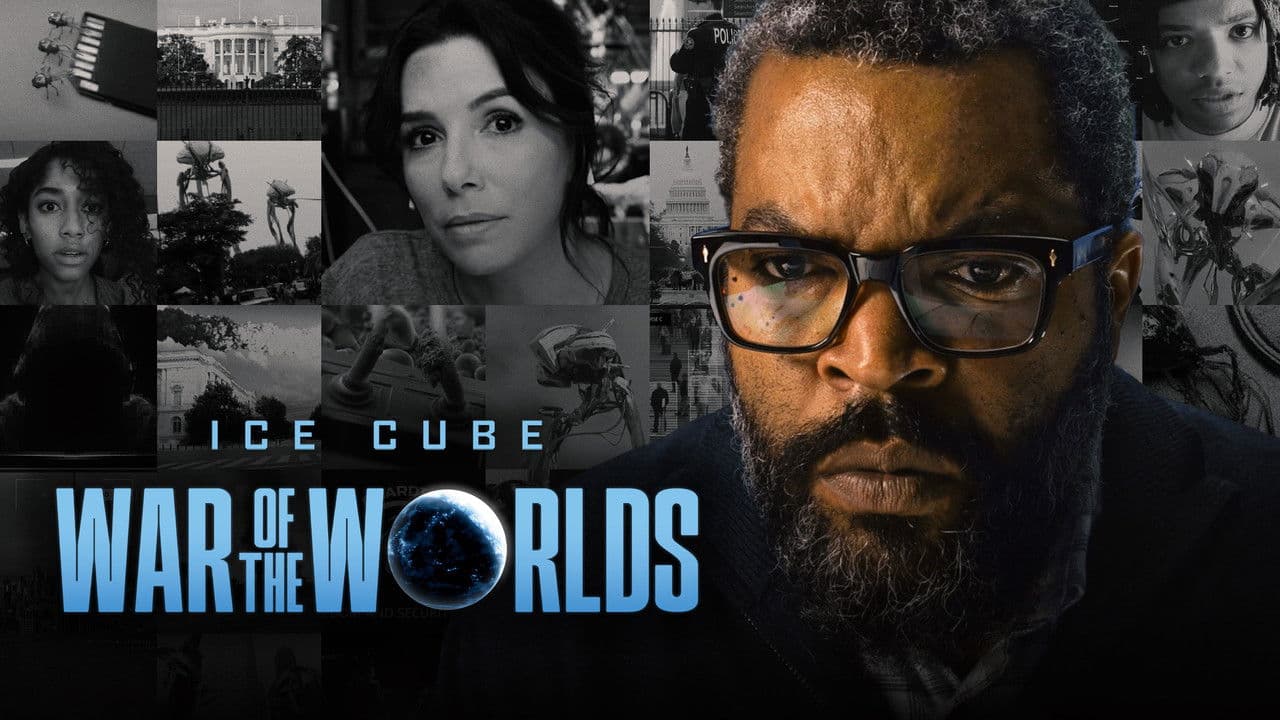
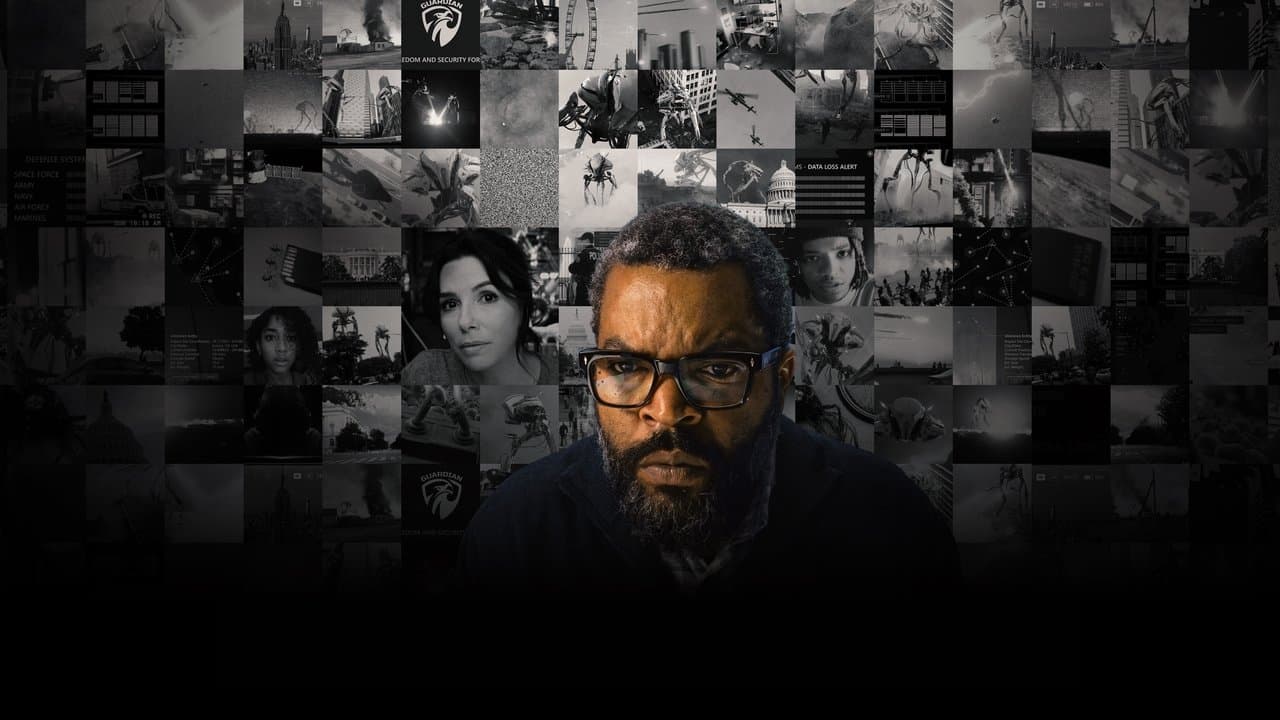
The summer of 2025 was a strange time for the multiplex. While audiences flocked to familiar franchises, a quieter, more paranoid kind of science fiction was sneaking onto streaming platforms. One such title, War of the Worlds, arrived on July 29 with a provocative premise and a grab-bag of actors you wouldn't normally expect to find in the same room. It’s a lean, 91-minute thriller that asks a simple question: what happens when the man watching the screens starts to doubt what’s on them?
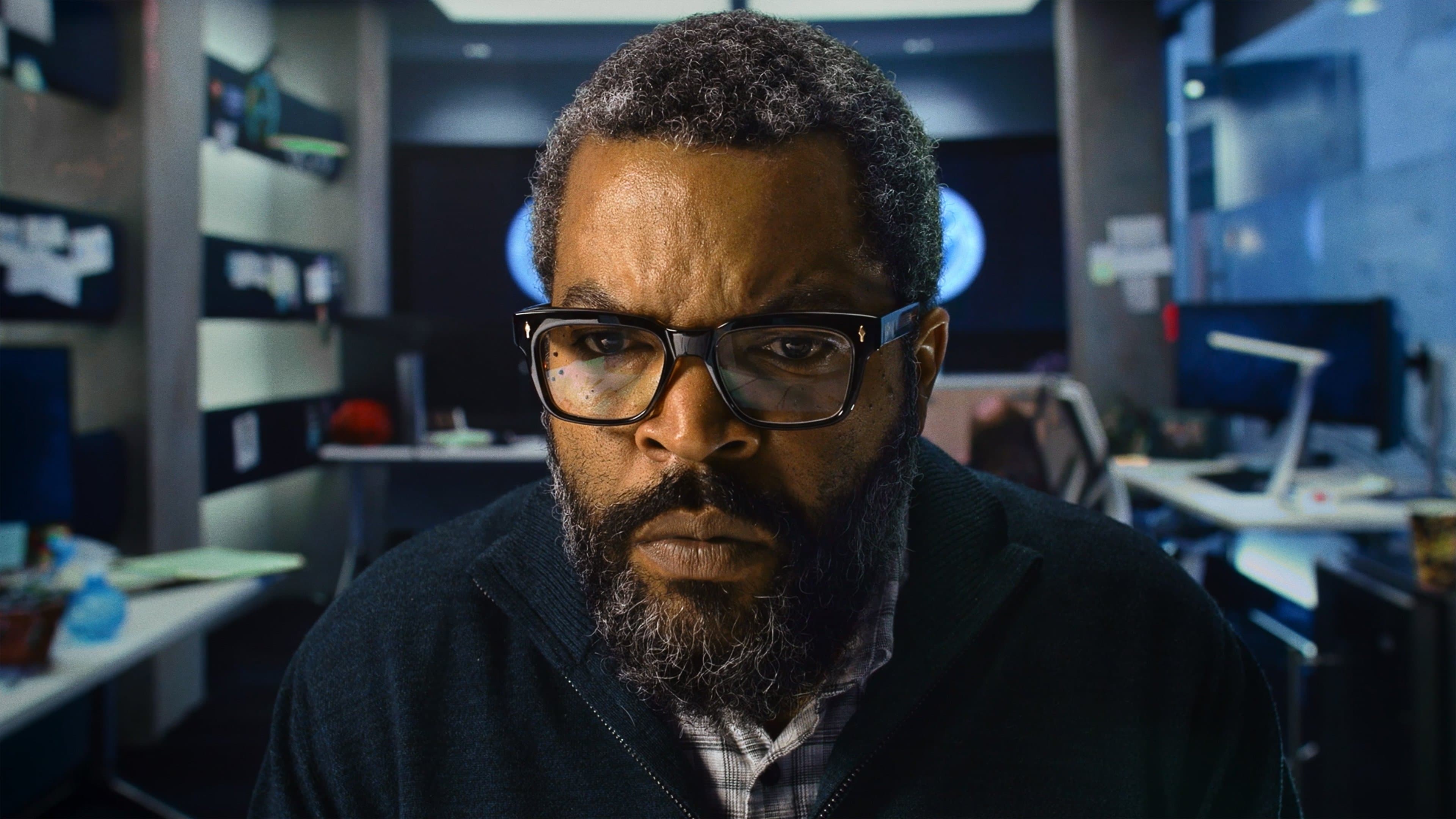
Director Rich Lee, known for his work in commercials and the 2011 film Limitless, brings a slick, polished sheen to this paranoid story. The film drops us into the world of Will Radford, played with a simmering intensity by Ice Cube. Radford is a top analyst for Homeland Security, a man who spends his days in a dimly lit, high-tech bunker, sifting through the digital exhaust of millions of lives. He’s not a field agent; he’s the guy who sees the patterns before they become problems. It’s a role that trades Cube’s usual comedic bravado for a quieter, more coiled energy. He spends a lot of time staring at screens, and he makes the tension of that vigilance feel real.
The plot kicks into gear when an attack, attributed to an unknown entity, rocks the country. In the chaos, Radford notices something in the data, a glitch, a discrepancy that doesn’t fit the official narrative. His attempts to flag it are met with a wall of bureaucratic resistance, led by Clarke Gregg’s NSA Director Donald Briggs. Gregg is a master of this specific kind of avuncular menace, and he plays Briggs with a smooth, unsettling calm that feels all too plausible. Suddenly, the analyst is a target, forced to go rogue with his own family in the crosshairs.
The film’s DNA is pure 1970s conspiracy thriller, filtered through a modern, surveillance-state lens. It owes a clear debt to The Conversation and Enemy of the State, but it also tries to graft on a contemporary fear: the unreliability of the very truth we source from our devices. The script, while not mind-bendingly complex, asks a decent question about the difference between a threat assessment and a cover-up. Does the government hide things from us to protect us, or to protect themselves? The film leans into the latter with a cynical, B-movie gusto.
Eva Longoria shows up as Sandra Salas, a NASA scientist who becomes an unlikely ally. Her role is functional, providing exposition and a tech-savvy lifeline to Radford, but she injects the scenes with a frantic credibility. The emotional core is meant to be Radford’s relationship with his kids, played by Iman Benson and Henry Hunter Hall. They’re both good, but the script gives them the classic "kids in peril" duties that feel a bit manufactured, especially as the plot races toward its conclusion. In a film about global paranoia, the most compelling moments are actually the small, intimate ones - a quiet plea for a father's attention against the backdrop of an incoming apocalypse.
On the tech side, the film feels current. It’s not about ray guns or tripods; the war here is waged with data streams, satellite imagery, and social media feeds. The threat is abstract for much of the runtime, which might frustrate some viewers. This isn't the H.G. Wells story of Martian death machines. This is a story where the "aliens" are just a catalyst for exploring human distrust. It’s a purpose-built streaming thriller, designed to be consumed in one sitting, and it has the strengths and weaknesses of that form. It’s paced efficiently, never overstaying its welcome, but it also skims the surface of its deeper themes.
The TMDb rating of 4.061/10 suggests it’s not winning any awards, but that feels a little harsh for what is a competently made, tense little potboiler. It might not be a great film, but it’s rarely a boring one. It’s the kind of movie you put on with the lights off, and it holds your attention for its 91 minutes, even if you’re picking at the plot holes by the time the credits roll. The ending, in particular, is a black-hole of ambiguity that will either feel like a cop-out or a sharp, cynical twist depending on your patience. There’s a distinctly gritty performance from Ice Cube at the center, holding the whole fragile thing together. He’s not a classic action hero here, but a smart guy who is freaking out, and that’s a much more interesting thing to watch. If you’ve ever wondered what happens when the system you serve turns on you, this War of the Worlds doesn't have an answer, but it’s a blast to watch it ask the question.