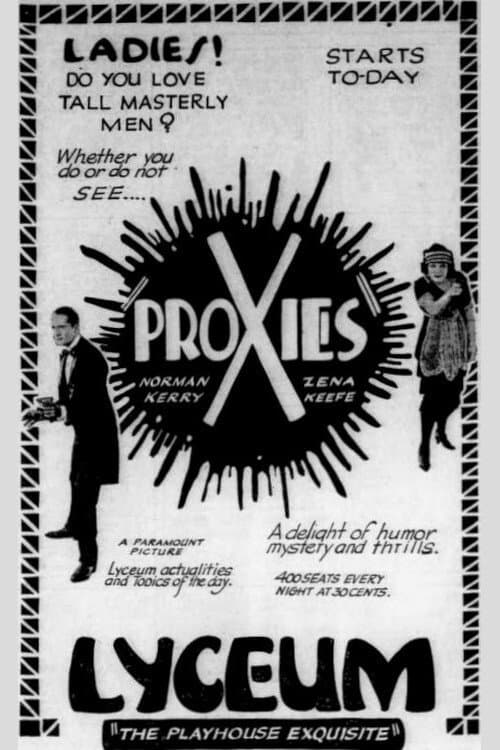
A century-old silent crime drama is getting a second life on Netflix. “Proxies,” George D. Baker’s 1921 film, will begin streaming on the platform on December 11, bringing a rarely seen piece of early Hollywood melodrama to a global audience.
The announcement is notable less for the film’s profile than for its obscurity. Released on May 1, 1921, “Proxies” runs just 70 minutes and pairs the conventions of crime fiction with a domestic drama built on longing and regret. Its arrival on Netflix marks an unusual moment for silent-era cinema, which rarely finds a place on mainstream streaming services alongside contemporary releases.
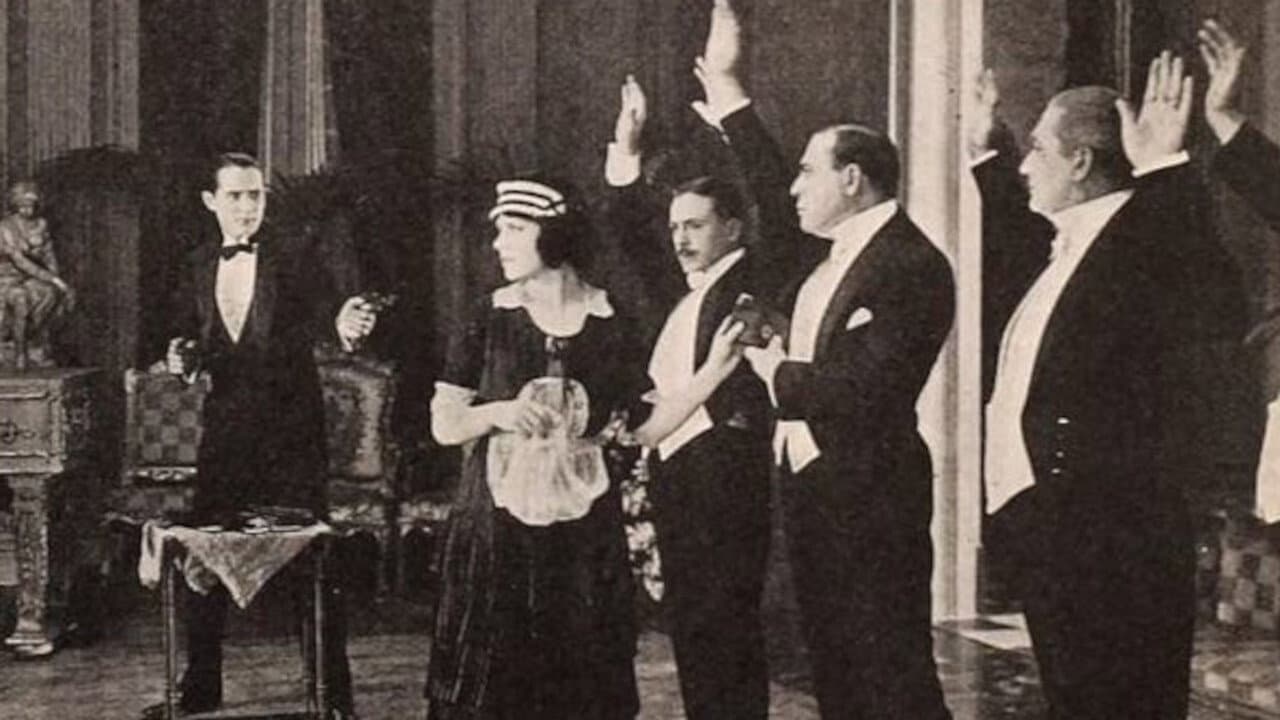
At the center of the story is Carlotta Darley, played by Raye Dean, who is engaged to Homer Carleton, portrayed by Jack Crosby. The engagement is not quite the romance Carlotta had imagined. According to the film’s official synopsis, she regrets that Homer is not as tall and handsome as the butler Peter, played by Norman Kerry. That simple premise powers a narrative that sits at the intersection of drama and crime, two genres the film is catalogued under.
A Cast of Familiar Silent-Era Players
“Proxies” features an ensemble drawn from the silent film world of the early 1920s. Alongside Dean, Crosby and Kerry, the cast includes Zena Keefe as Clare Conway, Paul Everton as John Stover, William H. Tooker as Christopher Darley, Mrs. Schaffer as Mrs. Darley and Robert Broderick as Detective Linton.
Kerry, who plays the butler Peter Mendoza, was among the more recognizable faces of the period. The presence of a detective character, Linton, points to the crime strand of the story, though the synopsis keeps its focus on the romantic triangle at the household’s heart.
Baker, the director, was a prolific figure in early American filmmaking, and “Proxies” reflects the kind of efficient, character-driven production that defined the era. At 70 minutes, the film fits the standard feature length of its time.
A High Rating, With a Caveat
On TMDb, the film carries a rating of 9 out of 10. That number deserves context: audience scores for films from this period are typically based on a small number of votes from dedicated viewers and archivists, so they reflect enthusiasm among a niche audience rather than broad consensus. Still, for a title that has spent decades on the margins of film history, such a rating suggests the film has found admirers among those who have sought it out.
The Netflix launch could change that dynamic. Streaming availability tends to invite first-time viewers who might never encounter a 1921 title through repertory screenings or physical media. For silent cinema, that exposure can be significant. Films from the era often survive in uneven condition, and their circulation has historically depended on festivals, archives and specialty labels.
Why a Silent Film on Netflix Matters
Netflix’s catalog is dominated by recent productions, so the addition of a film released more than a century ago stands out. It also raises questions about how a silent film will be presented: whether it will arrive with a newly recorded score, restored intertitles or other presentation choices. Those details have not been included in the announcement.
What is clear is the date. Subscribers in markets where the title is available will be able to watch “Proxies” from December 11. The film remains an English-language production, and its genres are listed as drama and crime.
For viewers accustomed to the pacing of modern television and film, a 70-minute silent feature can feel like a different register altogether. But the story’s central tension - a woman weighing the partner she has chosen against the one she quietly desires - is as old as storytelling itself. In Carlotta Darley’s dissatisfaction with Homer and her admiration for Peter, “Proxies” trades on a theme that needs no sound to land.
The film’s title hints at substitution and standing in for someone else, an idea that resonates with a plot about a butler who may embody what the fiancé lacks. How literally the film pursues that theme is something new viewers will be able to judge for themselves next month.
For now, the arrival of “Proxies” on Netflix is a small but genuine curiosity: a 1921 crime drama, directed by George D. Baker, arriving in the middle of a modern streaming slate. It begins streaming December 11.
Source: Netflix Newsroom