The people who make films audible for blind and low-vision audiences stepped into the spotlight this week, as industry groups marked a year of unusually ambitious audio description work on two of the most anticipated releases in recent memory. Practitioners gathering for the annual accessibility craft summit in Los Angeles singled out the description tracks for Netflix's "Happy Gilmore 2" and the fifth season of "Stranger Things," praising both for the precision with which they translate fast-moving comedy and dense supernatural action into spoken language.
Audio description is the narrated layer that sits alongside a film's dialogue and sound effects, conveying visual information - a character's expression, a sight gag, the layout of a room - to viewers who cannot see the screen. It is painstaking work, and the two titles honored this week represent opposite ends of its difficulty scale.
Finding the Joke Without Killing It
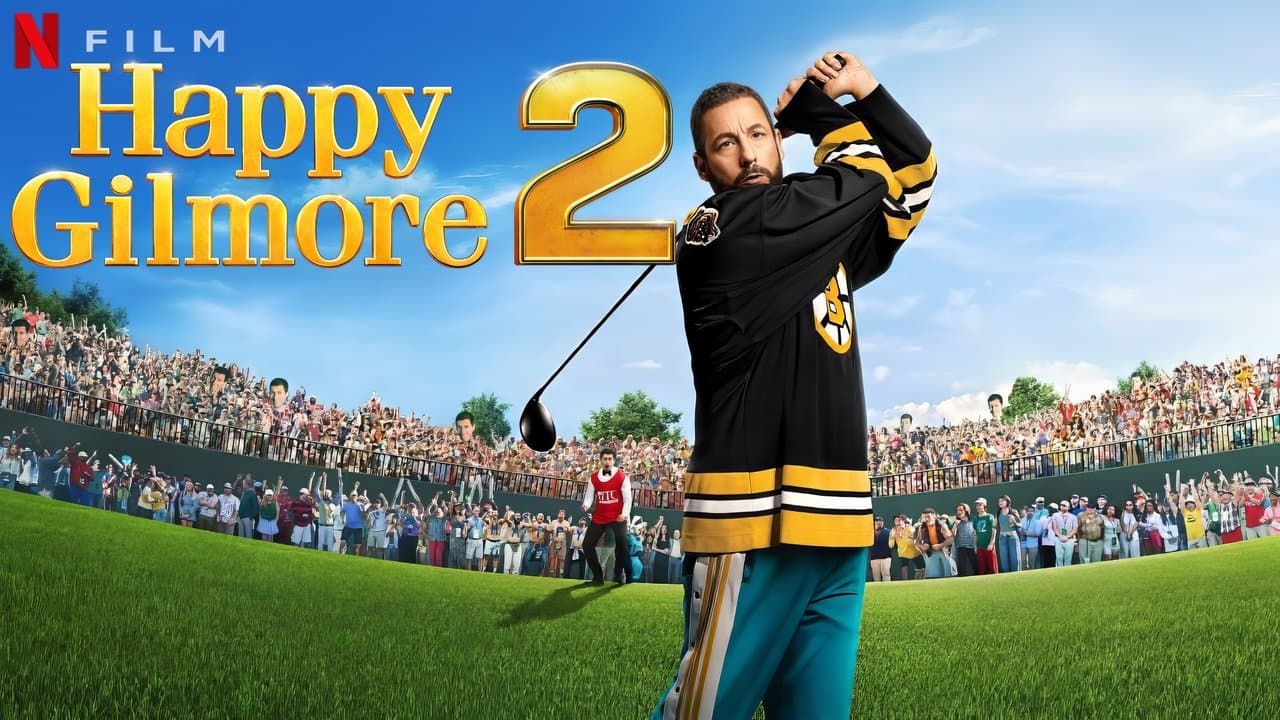
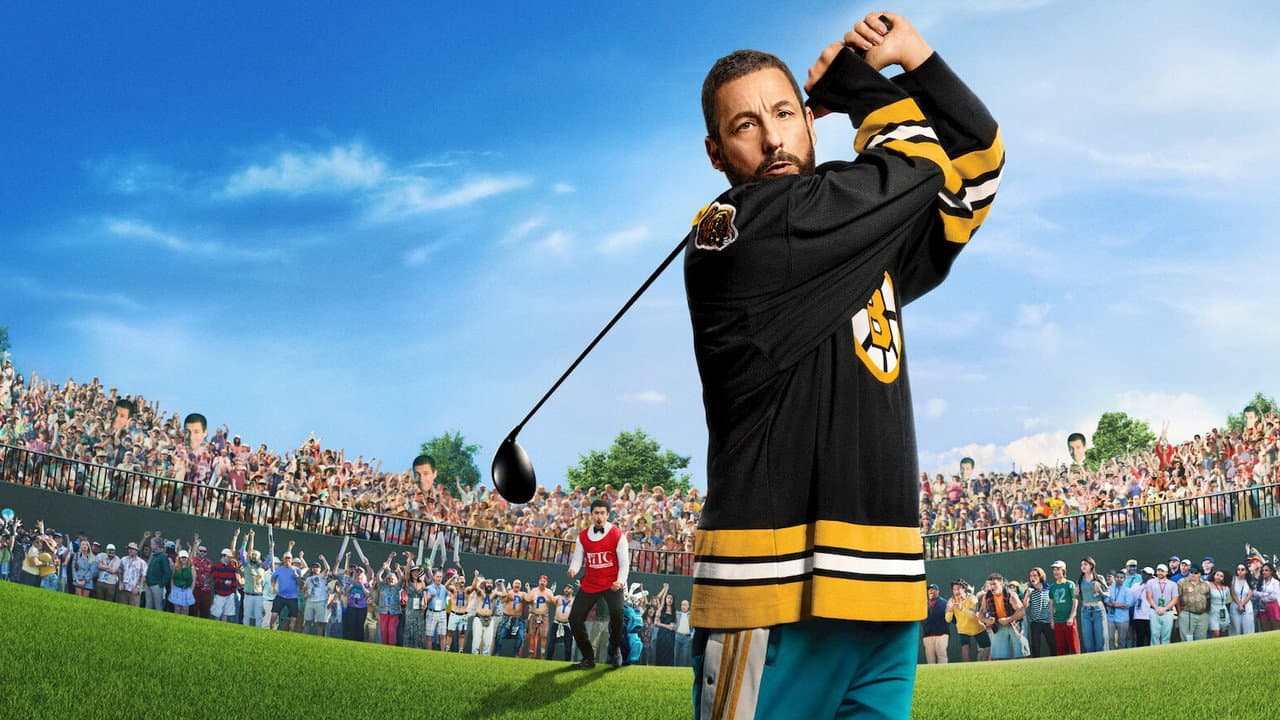
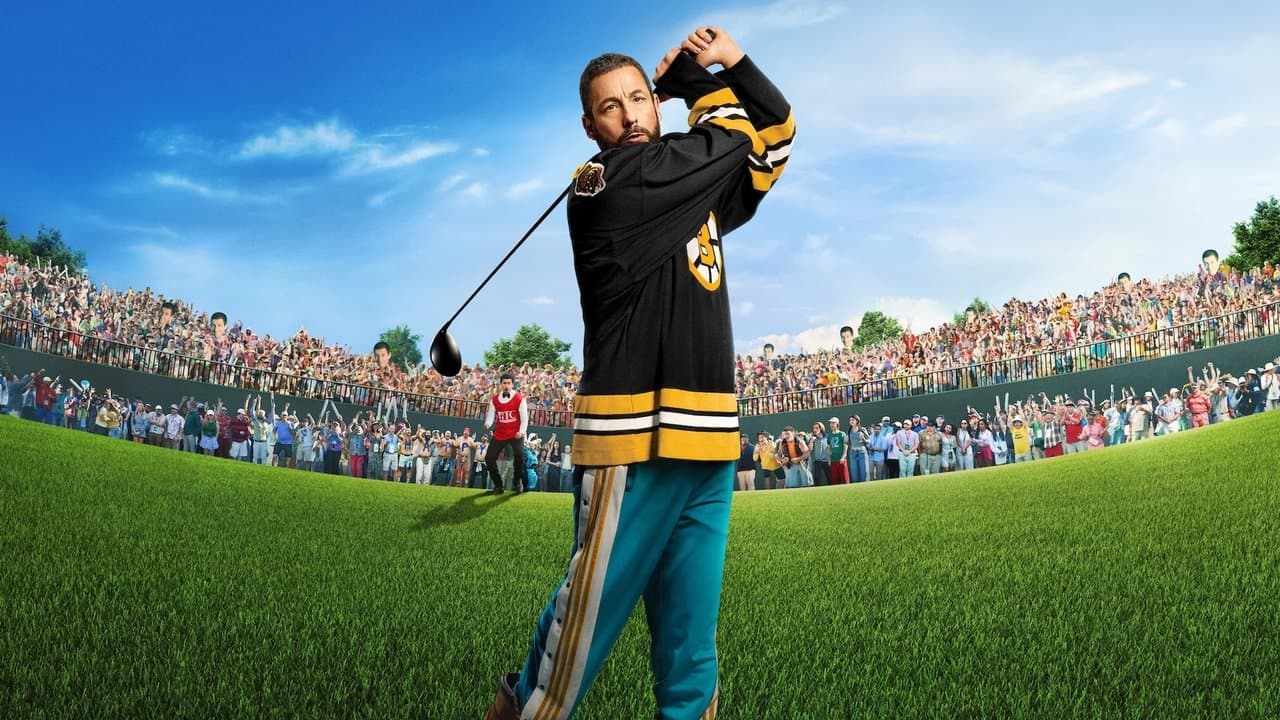
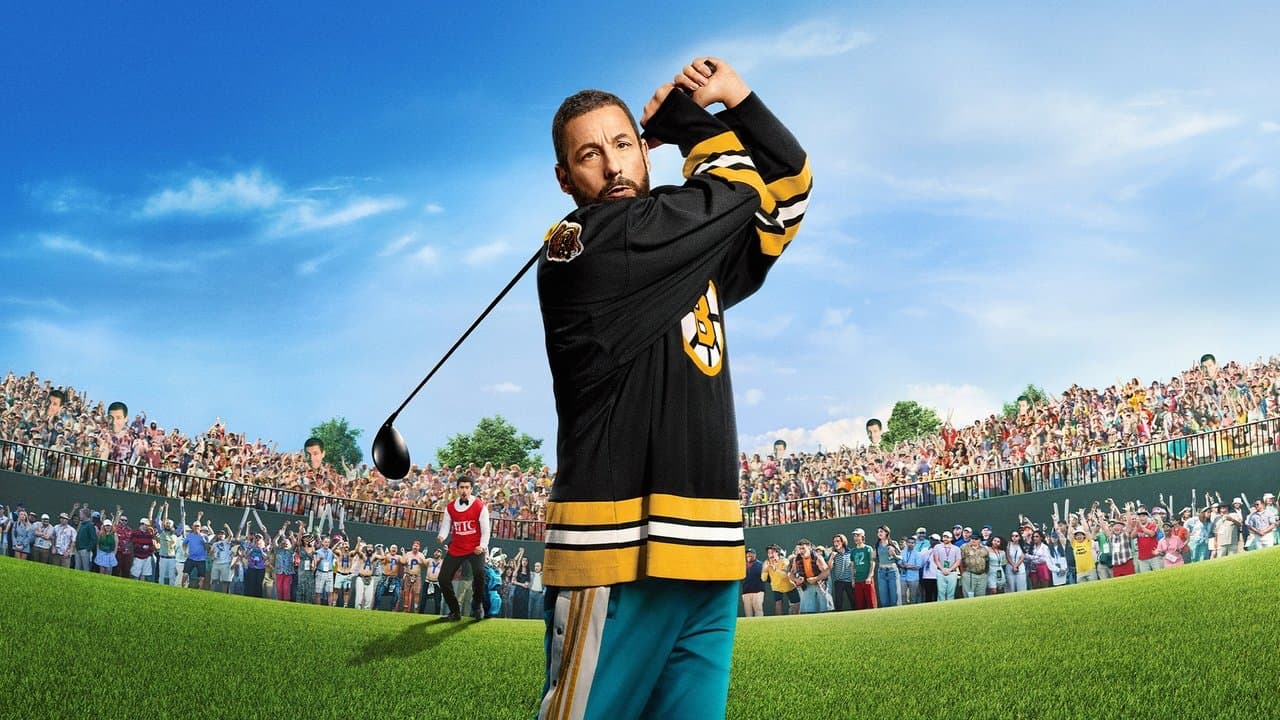
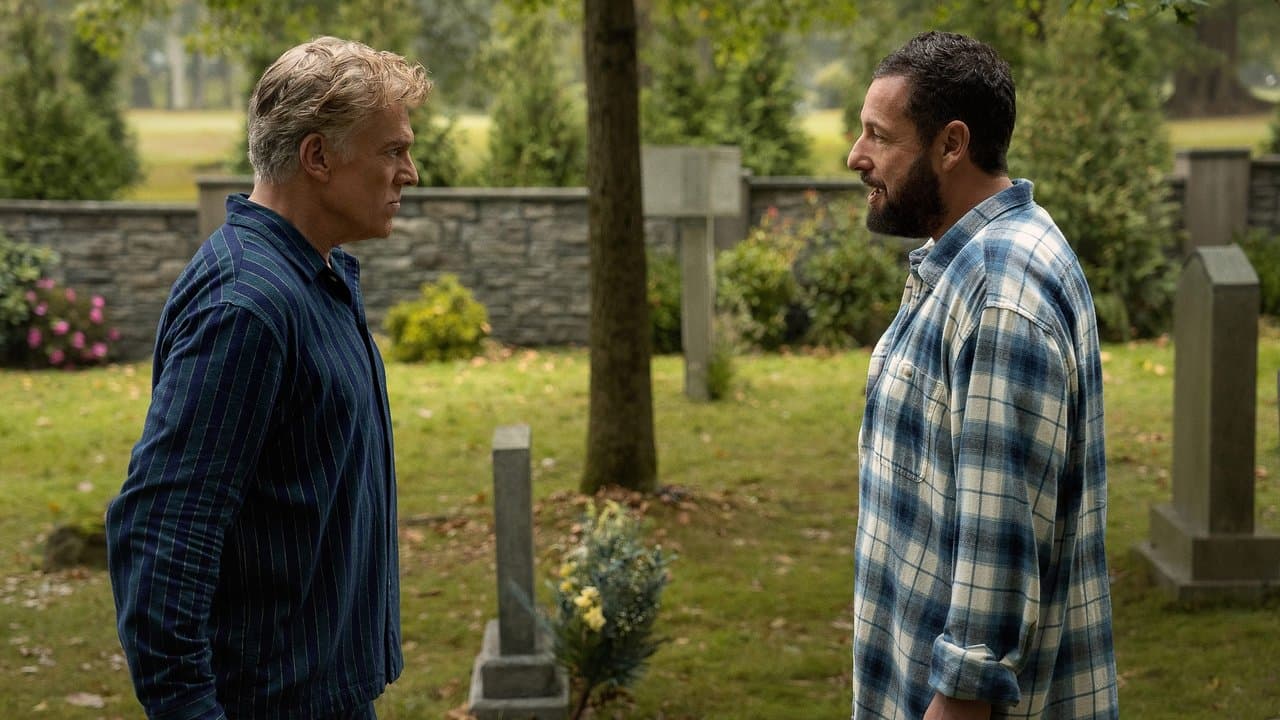
"Happy Gilmore 2," directed by Kyle Newacheck and released on Netflix on July 25, 2025, brought Adam Sandler back to the role that made him a comedy star. The film follows the retired golfer as he returns to the tour to help pay for his daughter's ballet classes, and it runs 114 minutes in English. Alongside Sandler, the cast includes Julie Bowen as Virginia, Christopher McDonald as Shooter McGavin, Benny Safdie as Frank Manatee, Ben Stiller as Hal L, Bad Bunny as Oscar Mejías, golfer John Daly as himself, and Dennis Dugan as Doug Thompson.
Describers said the comedy, which carries a 6.5 rating on TMDb and a 6.1 on IMDb, posed a particular challenge: much of its humor lives in silent reaction shots and physical business that resist literal narration. Writing a description line that explains a visual gag too thoroughly can smother the laugh, while describing it too vaguely leaves the audience behind. The team behind the "Happy Gilmore 2" track was credited with timing its narration to land in the gaps between punchlines rather than over them, a technique describers call "breathing the track."
The film's crowded ensemble also demanded careful vocal differentiation, so that listeners can track who is speaking or reacting without relying on sight. Sandler's return to a character first introduced in 1996 gave the describers an additional consideration: many audience members know the earlier film well, and the description was written to reward that familiarity without assuming it.
Precision Work on a Supernatural Epic
If "Happy Gilmore 2" tested the craft's comic timing, "Stranger Things" Season 5 tested its endurance. The final season of the Netflix series arrives with a large cast, parallel storylines, and near-constant visual effects, and describers described the workload as closer to narrating several films at once. With so much happening on screen simultaneously, the key discipline is prioritization - deciding which detail is essential to comprehension and which can be left to the sound mix. Action sequences in the season required the team to describe spatial relationships quickly and clearly, so that viewers understand where characters stand relative to one another during confrontations.
The season's darker visual palette reportedly added another layer of difficulty. Scenes set in low light forced describers to make careful judgments about how much detail can be conveyed before the narration overwhelms the atmosphere the filmmakers intended.
An Award That Looks Backstage
The recognition arrives as audio description has moved from DVD-era afterthought to a standard expectation on major streaming platforms, driven in part by accessibility regulations in several markets and by sustained advocacy from blind and low-vision viewers. Industry veterans at the summit noted that the craft is rarely visible to the general audience it serves indirectly - a good description track tends to disappear, letting the story carry the viewer rather than calling attention to itself.
That invisibility is precisely what this week's honors were meant to correct. Organizers said the gathering was designed to put writers, narrators, and quality reviewers in the same room with the filmmakers whose work they translate, and sessions included discussion of how description teams are briefed during production rather than after the fact.
Neither the "Happy Gilmore 2" nor the "Stranger Things" team has announced what comes next, but both were held up as models for how description can do more than report what is on screen. As one organizer put it over the course of the event, the goal is not to tell the audience what they are missing, but to make sure that, for a few hours, they are missing nothing at all.
Source: Netflix Newsroom