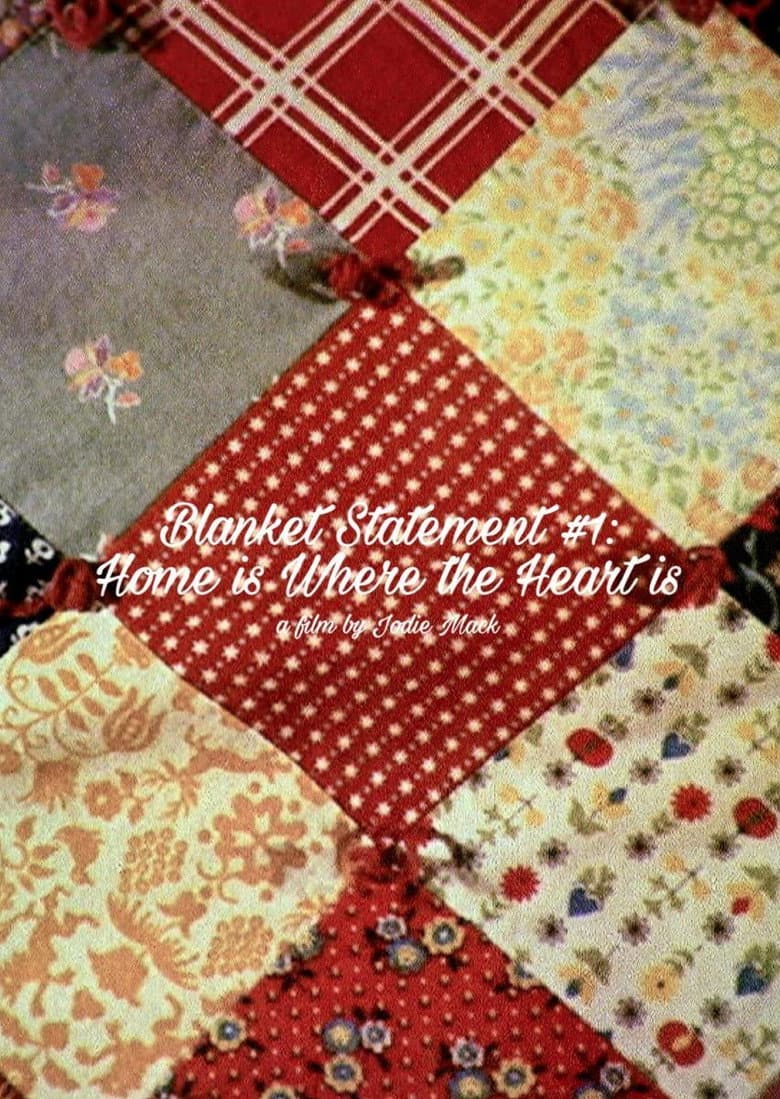
Netflix’s latest foray into short-form animation takes a decidedly unvarnished look at the concept of home, trading in warm nostalgia for a raw, three-minute examination of domestic friction. The newly available title, Home Is Where the Heart Is, positions itself as part of a broader trend toward comfort storytelling on the platform, though its approach to comfort is far from conventional.
Described in its official synopsis as “discordant dysfunction down to the nitty gritty,” the 2012 animated short strips away the idealized veneer of family life. Rather than offering a soothing escape, the film, directed by experimental animator Jodie Mack, plunges viewers into the chaotic underbelly of shared living spaces. It’s a stark counterpoint to the cozy, fireplace-lit aesthetic that often dominates feel-good streaming categories, instead finding its emotional resonance in the messy reality of interpersonal friction.
The project’s arrival on Netflix’s current slate signals a curious editorial choice for the streamer, which has leaned heavily into familiar, low-stakes narratives as a pillar of its subscriber retention strategy. While series like The Great British Baking Show or ambient titles such as Moving Art offer placid reassurance, Home Is Where the Heart Is challenges the very premise of that comfort. It suggests that genuine connection - and thus genuine comfort - might actually be found in acknowledging the friction that comes with being close to others, not in airbrushing it away.
Mack, known for her adventurous work with collage animation and stop-motion techniques, brings a tactile, frenetic energy to the piece. At just three minutes, the short functions as a concentrated burst of sensory input, likely reflecting her signature style of manipulating everyday materials to explore abstract emotional states. The exact narrative structure remains shrouded, largely because no primary cast members are listed for the production, and the project has not yet been reviewed by audiences on major aggregation platforms, leaving its thematic impact open to early interpretation.
Despite its 2012 release date, the short's thematic core feels eerily timely in 2026. As streaming platforms continue to codify wellness-oriented content - where categories like "cozy" and "feel-good" are clearly algorithmically curated - Mack’s work stands as a reminder that the comfort genre has limits. The film refuses to let viewers settle into a passive viewing state. The "dysfunction" referenced in the synopsis is not played for laughs or resolved neatly; it is presented as a fundamental texture of a life shared with others.
This is where the Netflix programmatic placement becomes interesting. By slotting this experimental work alongside its more mainstream comfort offerings, the streamer is effectively product-testing the boundaries of the subgenre. Is there a market for comfort that feels chaotic? Can a three-minute, dialogue-free (presumably) burst of animated anxiety soothe a viewer the way a 30-minute sitcom about a quirky family might? The answer, according to the film’s internal logic, is yes - provided the viewer is willing to accept that heartbreak and heartwarming are often the same feeling.
The short’s visual language, inferred from Mack’s previous body of work, likely relies on rapid-fire cuts, layered textures, and a palette that may not lean into pastel soothing tones. This tonal dissonance is precisely the point. In an era where "healing" content has been criticized for its superficiality, Home Is Where the Heart Is offers a grittier alternative. It argues that the "nitty gritty" of dysfunction - the slammed doors, the undone chores, the petty arguments - is not the enemy of comfort but its prerequisite. To feel truly at ease, the film suggests, one must first acknowledge the unease that lives in the same space.
Ultimately, the film's placement does more than just add a forgotten short to the streaming library; it engages in a silent dialogue with the viewer about what they are really seeking when they click play on a so-called comfort title. For the discerning viewer, it offers a lightning-fast, avant-garde palate cleanser. For those expecting a lullaby, it might be a jarring wake-up call. Either way, Home Is Where the Heart Is proves that in the landscape of digital comfort, there is plenty of room for the uncomfortable.
Source: Netflix Newsroom