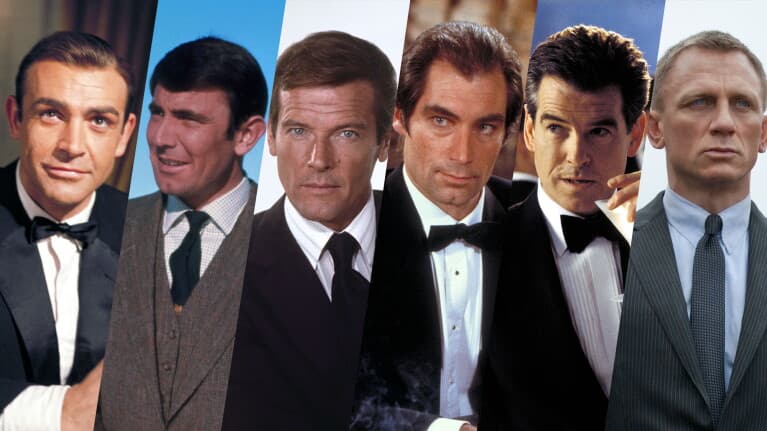
The 007 franchise remains one of the most valuable catalogues in streaming, and Prime Video subscribers in the United States now have access to the complete run of official Eon Productions James Bond films through a distribution arrangement with MGM, which Amazon acquired in 2022. For viewers who have never marathoned the series, or for longtime fans planning a rewatch, knowing the release order is essential, because the films trace more than six decades of shifting styles, from Cold War thrillers to globe-trotting action spectacles.
Where the franchise begins
The official series opened with "Dr. No" in 1962, introducing Sean Connery as the first cinematic Bond and establishing the template that would define the character for generations: the mission briefing, the villain's lair, the gadget-laden climax. Connery returned in "From Russia with Love" and "Goldfinger," the latter widely regarded as the film that cemented the franchise's global popularity, before "Thunderball," "You Only Live Twice" and "Diamonds Are Forever" rounded out his original tenure. George Lazenby stepped in for a single entry, "On Her Majesty's Secret Service," a film whose reputation has grown considerably over the years.
The many faces of 007
Roger Moore took over in 1973 with "Live and Let Die" and carried the role through seven films, a run that leaned increasingly toward humor and spectacle, ending with "A View to a Kill." Timothy Dalton's brief but tougher interpretation produced "The Living Daylights" and "Licence to Kill," the latter among the most violent entries in the series. Pierce Brosnan's four films, beginning with "GoldenEye" and continuing through "Tomorrow Never Dies," "The World Is Not Enough" and "Die Another Day," brought the character into the post-Cold War era.
Daniel Craig then redefined the role across five films, from "Casino Royale" through "Quantum of Solace," "Skyfall," "Spectre" and finally "No Time to Die," which concluded his arc and, for the first time in the franchise's history, gave the character a definitive ending. That creative choice has left the series at a genuine crossroads, with no actor yet confirmed to succeed Craig.
How the collection is organized on the platform
Prime Video presents the films as a dedicated collection, which makes navigating the catalogue easier than searching title by title. Viewers can work through the Connery era, jump to the Moore comedies, or start with Craig's reboot, which functions as a self-contained continuity and is often recommended as an entry point for newcomers. The platform's interface typically groups the collection together so that the films appear in release order once users locate the hub, though availability of individual titles can vary by region and licensing window, so subscribers outside the United States should check their local catalogue before committing to a marathon.
Why the ordering matters
Watching in release order offers something a chronological-by-story approach cannot: a visible record of how the films responded to their moment. The early Connery entries reflect the anxieties of the Cold War; the Moore films mirror the escapism of the late seventies and eighties; the Brosnan era engages with new technology and media; and the Craig films adopt serialized storytelling and a more emotionally exposed protagonist. None of the films require homework, but the sequence rewards attention.
What comes next
The franchise's future remains unsettled. Amazon's stewardship of MGM has prompted industry-wide speculation about how the next Bond will be developed and distributed, though no official announcement regarding a new lead actor or a release date has been made. For now, the streaming catalogue stands as the most complete way to survey the series, and Prime Video's organized collection gives both newcomers and completists a clear path through cinema's longest-running franchise.
Source: About Amazon