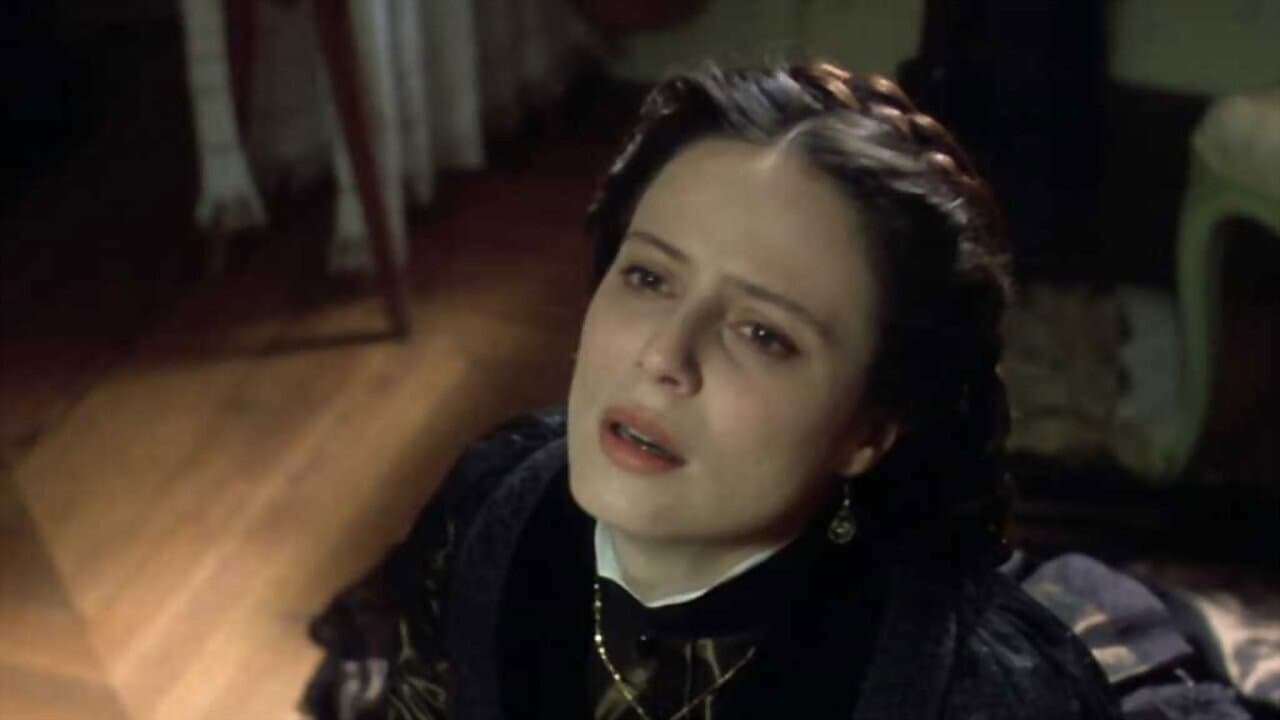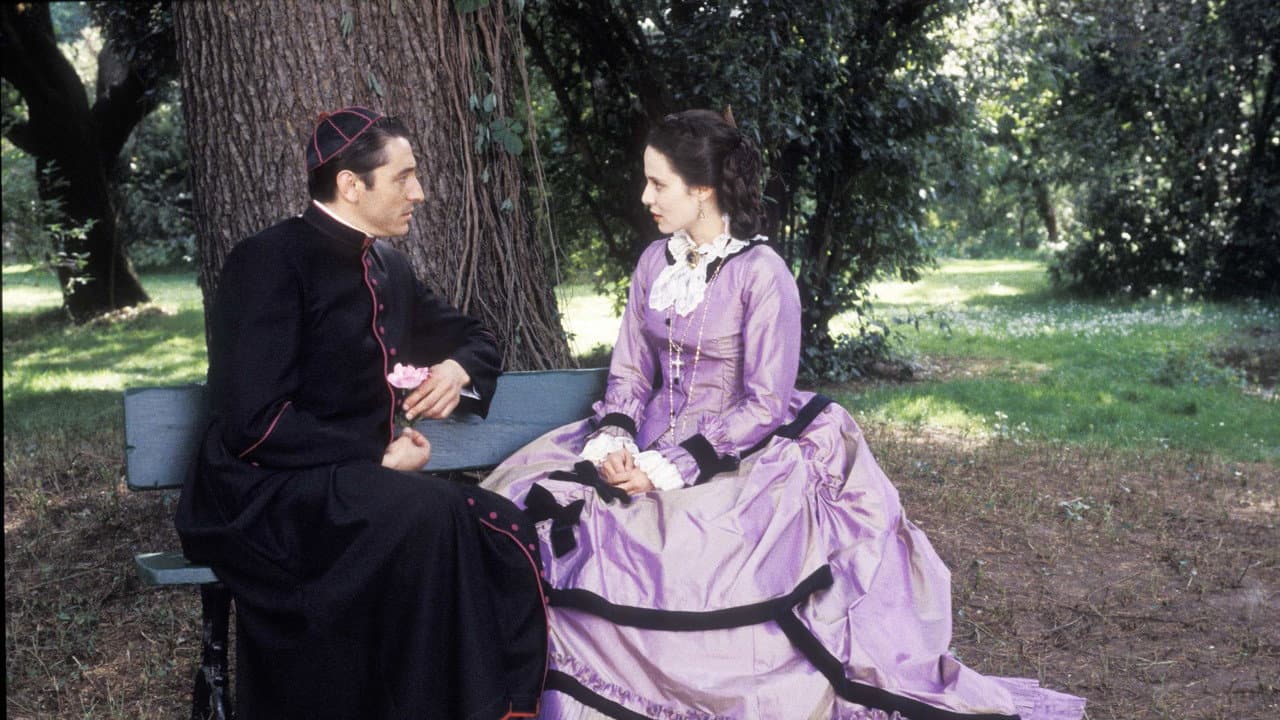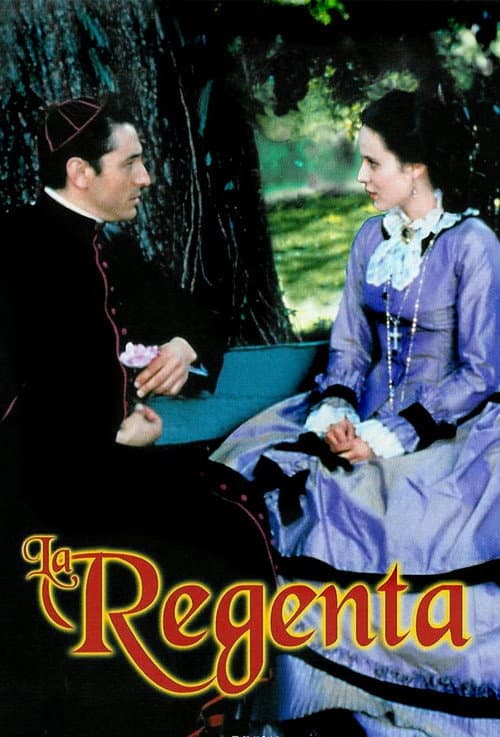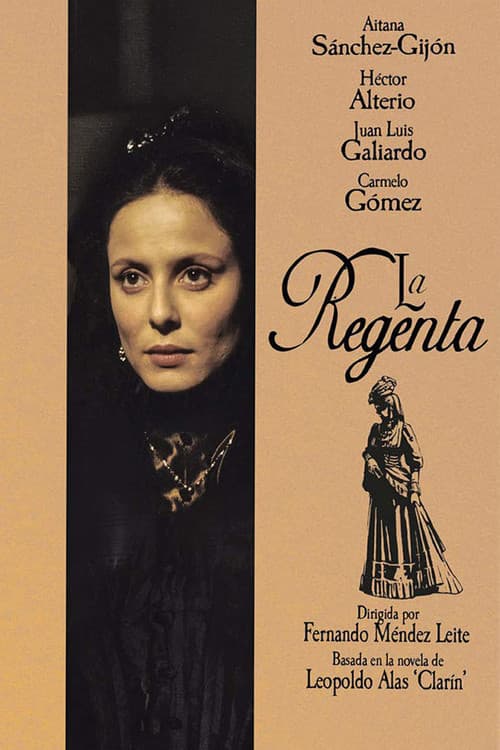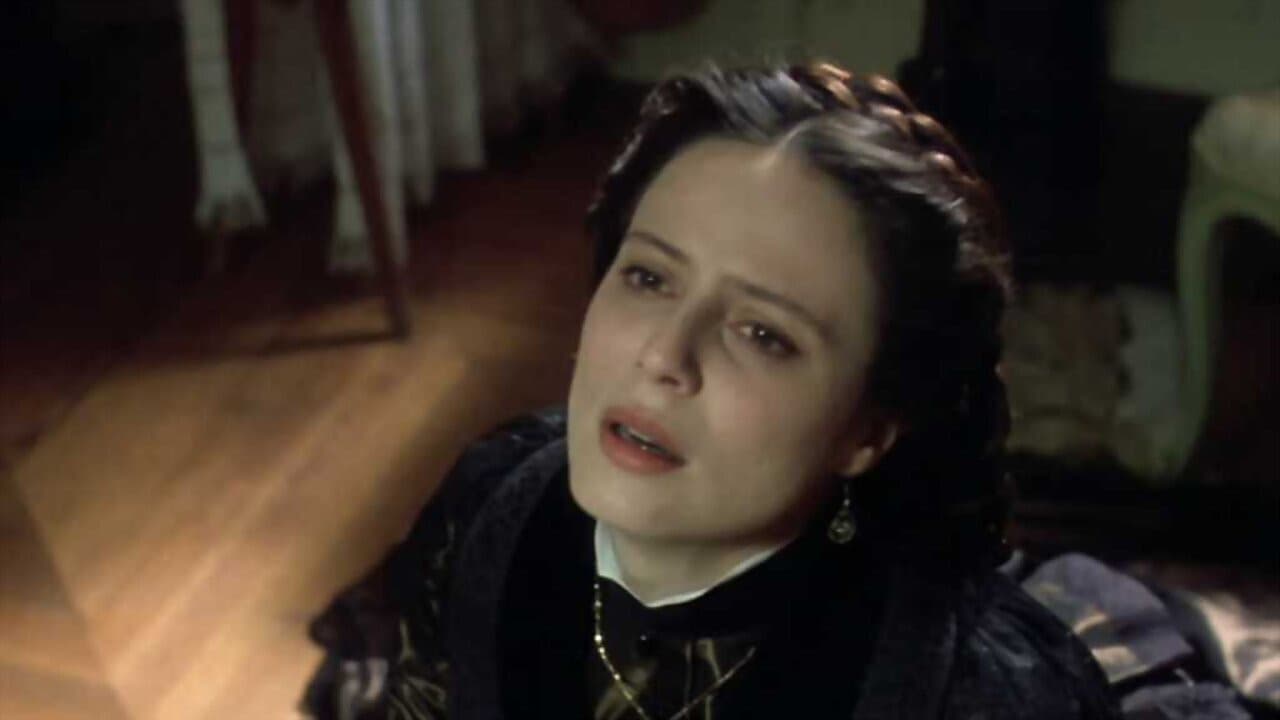
Production has officially begun on Netflix's adaptation of "La Regenta," one of the most celebrated works of Spanish literature, the streaming platform confirmed this week. The project brings Leopoldo Alas "Clarín"'s landmark novel back to the screen, more than three decades after director Fernando Méndez-Leite delivered a 302-minute television film version that premiered on January 17, 1995, with Aitana Sánchez-Gijón in the role of Ana Ozores. Details on casting and a release date for the new adaptation remain under wraps.
The novel, first published in the 1880s, follows Ana Ozores, the wife of a former magistrate in the fictional city of Vetusta, a place that stands as a symbol of anachronistic and oppressive traditions. There, hypocrisy and intolerance dominate daily life, making Ana's existence unbearable and her fate inevitably tragic. Clarín used the setting to dissect provincial society with a precision that has kept the book central to Spanish letters for well over a century.
A Landmark of Spanish Fiction Returns to the Screen
The original 1995 production assembled a formidable cast of Spanish and Argentine screen talent. Alongside Sánchez-Gijón, the film starred Héctor Alterio, Carmelo Gómez, Juan Luis Galiardo, Manuel Alexandre, Cristina Marcos, Francisco Merino and Amparo Rivelles. It has long been regarded in Spain as one of the most faithful and expansive treatments of the novel, running just over five hours and classified as a television movie in the drama and romance genres.
At the time, Sánchez-Gijón was at a pivotal point in her career, and her portrayal of Ana Ozores became one of the most discussed performances of her early filmography. Alterio, already a revered figure in Argentine and Spanish cinema, took a key supporting role, while the presence of Rivelles, a legend of Spanish stage and screen, lent the production an added air of prestige.
What the New Adaptation Faces
Any new adaptation will be measured against both the book and the 1995 film, and Méndez-Leite's version set a high bar for fidelity: its 302-minute runtime allowed it to traverse the novel's dense social panorama without heavy compression. Netflix has not yet indicated whether the new project will be a limited series, a feature film or something in between, nor has it announced who will direct or star.
Clarín's novel is a demanding source. Its portrait of Vetusta is deliberately claustrophobic, built around gossip, religious fervor and the quiet cruelties of a city that polices its residents. Ana's marriage to the much older Víctor Quintanar, her spiritual crisis and the courtly machinations of the town's power brokers drive a story that is as much about community pressure as personal tragedy. Translating that interiority to the screen requires patience and space, something the 1995 film had in abundance.
A Spanish-Language Production for a Global Platform
Netflix has steadily expanded its Spanish-language slate, and a new "La Regenta" fits a broader appetite for adaptations of canonical Iberian literature. Clarín's novel sits alongside works by Benito Pérez Galdós and Emilia Pardo Bazán in the realist tradition that the platform has been revisiting for modern audiences. For viewers outside Spain, the novel may be less familiar than its reputation suggests; the streamer will likely position the adaptation as a prestige costume drama with a timely story about a woman crushed by a stifling social order.
The source material also offers a wealth of roles for established performers. The Vetusta ensemble includes clerics, aristocrats and busybodies whose private desires clash with public morality, and any adaptation will rise or fall on how sharply those characters are drawn.
Production is now underway, though no filming locations or schedule have been shared. Fans of the novel and of Méndez-Leite's long-form take will be watching closely to see whether the new version captures the same suffocating atmosphere that made the 1995 film so distinctive. This time, though, it arrives in a very different era of television, one in which a story told slowly and at length is no longer an exception but an expectation.
Source: Netflix Newsroom