The elven realm of Rivendell is one of the most recognisable places in all of fantasy, and bringing it to the screen for The Lord of the Rings: The Rings of Power meant building it not once but twice. The first season of Amazon's ambitious series had to show the site before it became the refuge audiences know from earlier adaptations, while the second season, now streaming, had to depict a settlement in the making. According to the show's design team, that dual challenge shaped everything from the choice of location to the finish on the stonework.
The result is a Rivendell that reads as a working construction site rather than a finished sanctuary. Scaffolding, raw timber and freshly cut rock appear alongside the waterfalls and arched terraces viewers expect. The production's craftspeople have said in interviews that the goal was to make the valley feel inhabited during a period of relative peace, when an ensemble cast of characters confronts the re-emergence of evil in Middle-earth. Every stage of the build, in that sense, is a quiet piece of storytelling.
A Valley Built on Location and in the Studio
The series, which has a TMDb rating of 7.4/10 and runs 123 minutes in its theatrical presentation of the first two episodes, blends real landscapes with constructed sets. New Zealand locations supplied the scale and light, while soundstages housed the interiors and the most intricate architectural pieces. The designers have described the approach as a conversation between the two, with location footage guiding the palette of the sets and set-built details filling gaps the camera would otherwise expose.
The filmmaking team under director J. A. Bayona, who directed the first two episodes, treated the location as a character in its own right. Bayona's background in large-scale visual storytelling informed the way the valley is framed, with wide establishing shots giving way to intimate corners. Those working on the production have said the director pushed for practical detail wherever possible, so that performers could interact with real stone, water and wood rather than reacting to empty space.
Designing an Elven Home Before It Was a Refuge
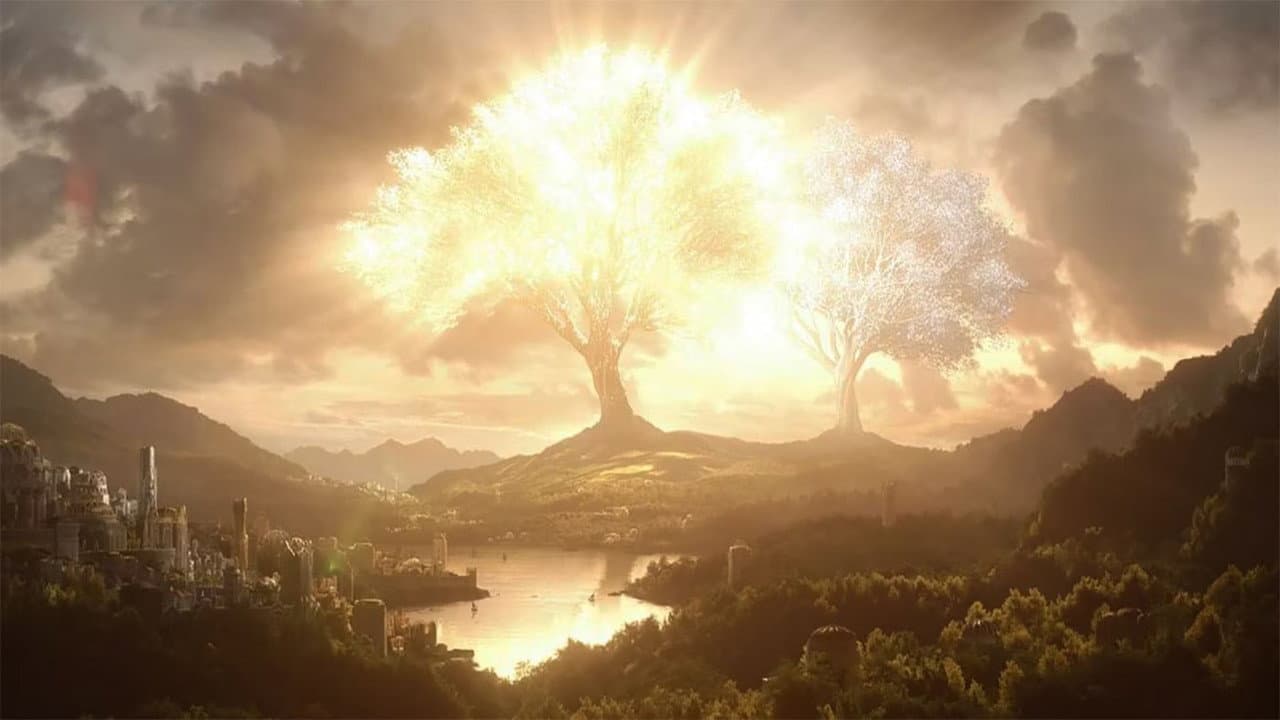
The central design question was chronological. Rivendell in the stories is ancient and settled; the version in this series is younger, its identity still forming. The art department chose a palette of warm stone and pale timber to suggest a place being coaxed out of the landscape rather than imposed upon it. Water channels, terraces and gardens were laid out in a sequence that implies ongoing work, so viewers can sense the labour behind the beauty.
Costume, prop and set departments coordinated closely to keep the settlement consistent with the wider elven aesthetic of the show. Smithies, forges and storehouses appear alongside living spaces, reinforcing the idea of a community that supports itself. The production has framed this as essential context: the valley's later role as a haven carries more weight if audiences have watched it being assembled.
The Cast Who Inhabit the Valley
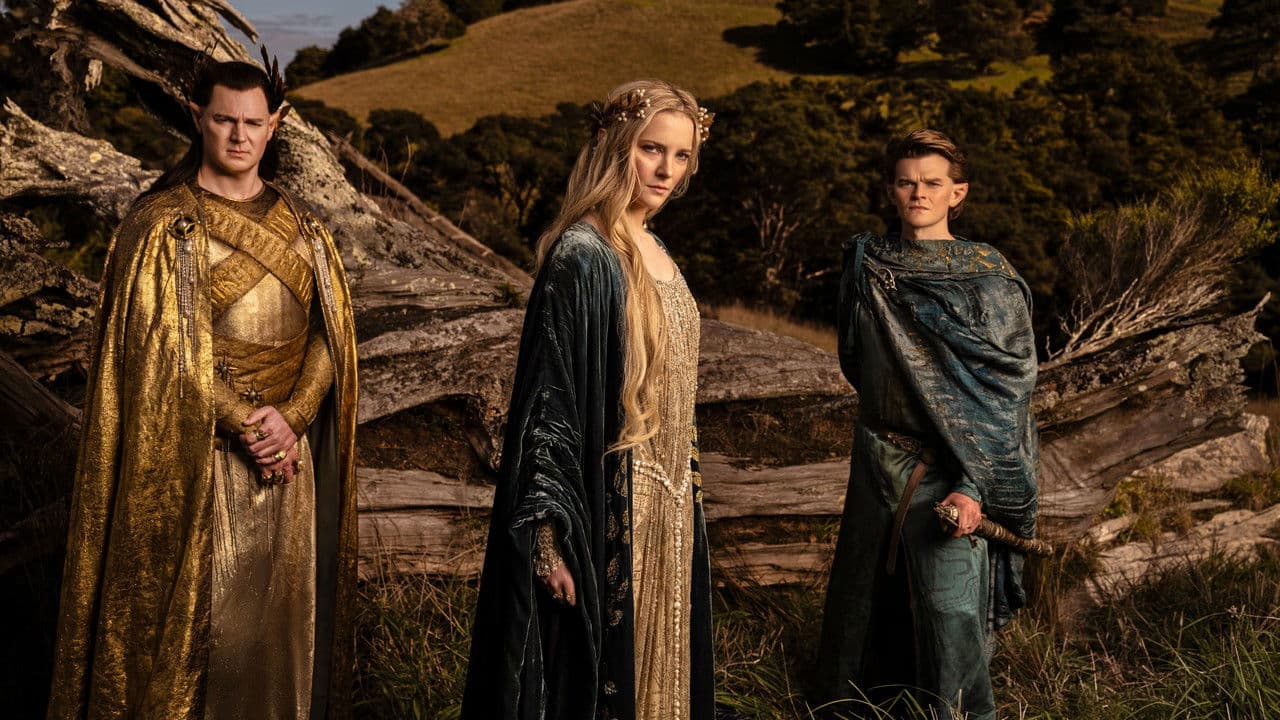
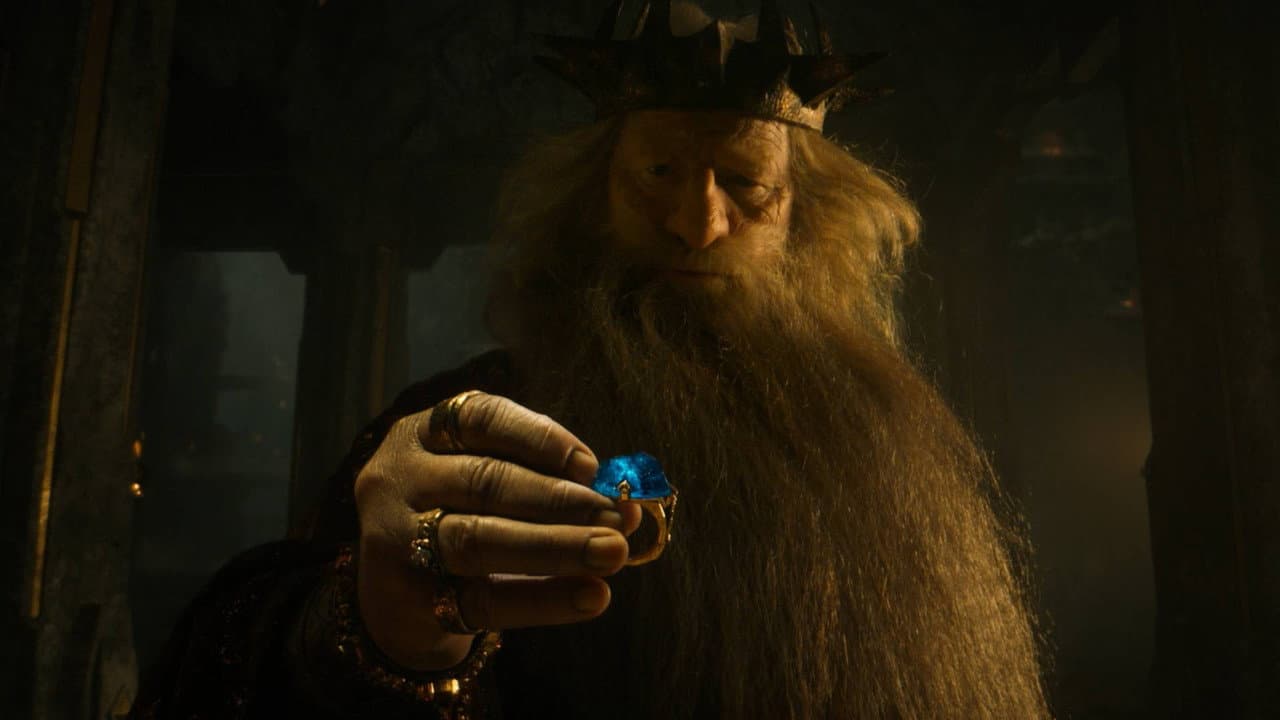
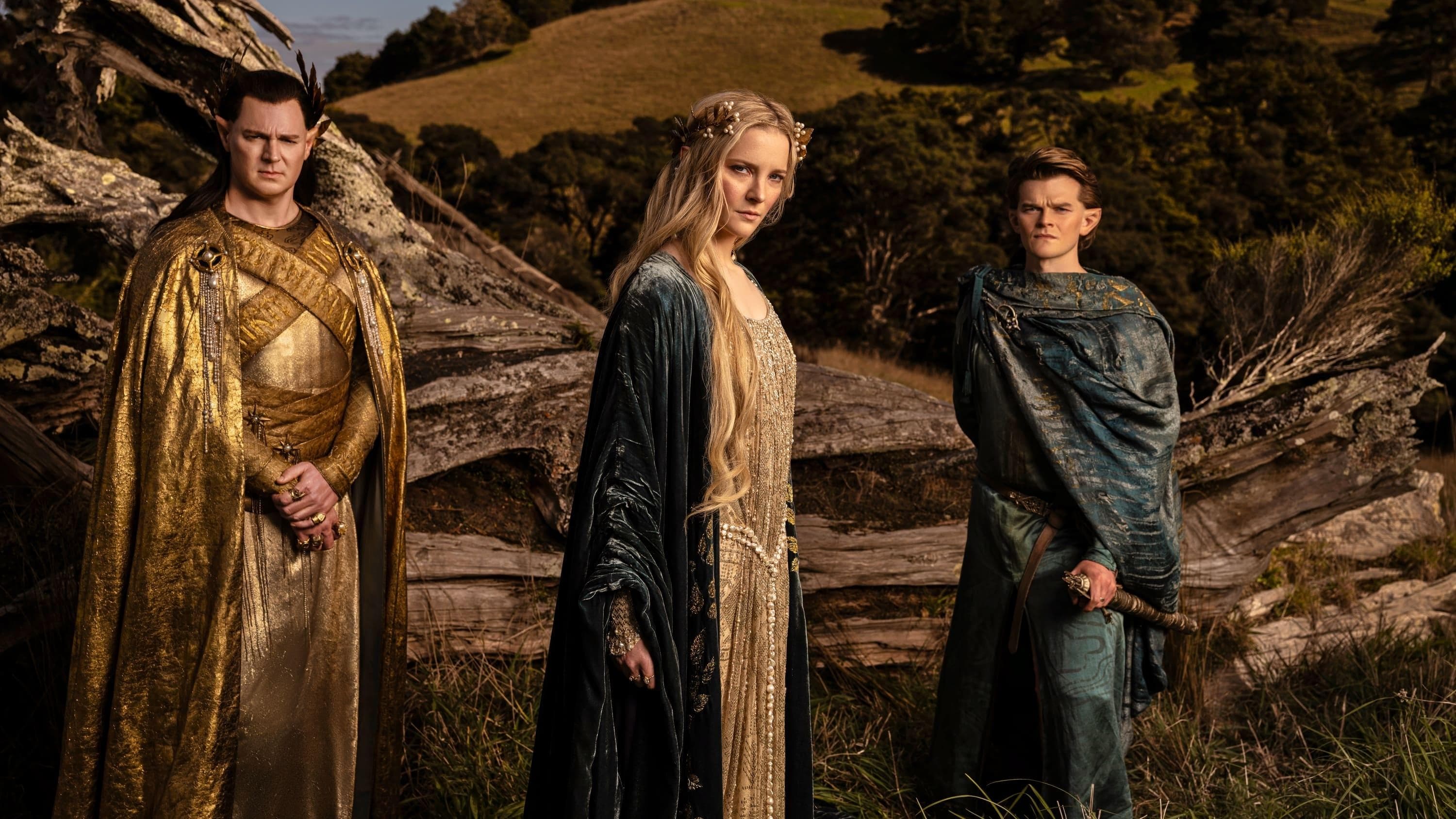
The series assembles a broad ensemble. Morfydd Clark plays Galadriel, whose determination drives much of the early narrative, while Robert Aramayo appears as Elrond, a figure closely tied to the valley's development. Benjamin Walker plays High King Gil-galad, Charles Edwards is Celebrimbor, and Charlie Vickers portrays Halbrand. Among the dwarven characters, Owain Arthur plays Prince Durin IV, Sophia Nomvete is Princess Disa, and Peter Mullan is King Durin III.
Several of these performers have spoken about the effect of walking onto the completed sets. The scale and craftsmanship, they have said, did much of the acting for them, lending authority to scenes of council and construction. For a fantasy series reliant on convincing its audience of an invented world, that credibility is not a minor detail.
Why Rivendell Still Matters
The valley occupies a singular place in the affections of readers and filmgoers alike, which raises the stakes for any new interpretation. The show's team has been careful to present its version as an origin rather than a replacement, with visual cues that connect the young settlement to the familiar later depiction. Fans who watched the theatrical presentation of the first two episodes in cinemas around the world in August 2022 saw an early glimpse of that ambition; the series has since expanded on it considerably.
The construction of Rivendell, in the end, is a story about patience. Stone by stone, scaffold by scaffold, the production built a place the audience already loves and asked them to watch it come into being. That the result feels both new and inevitable is a testament to the work behind the camera, and to a design philosophy that treats even the most beloved location as something that had to be made.
Source: About Amazon