After years in which the phrase "Netflix thriller" has come to signal glossy fiction, the streamer's library still holds one of its most sobering real-life entries: Secrets, Gavin Hood's 2019 dramatization of the Katharine Gun affair, which lands on the platform with a 112-minute running time and a story that predates the streaming era by more than a decade. The film, in English and released theatrically on August 30, 2019, recounts how a British intelligence translator leaked a classified National Security Agency memo in the run-up to the 2003 invasion of Iraq - a document that outlined a joint US-UK eavesdropping operation aimed at UN Security Council members and floated blackmail as a means of securing votes for war. It holds a 7.223/10 rating on TMDb and 7.3/10 on IMDb, scores that suggest audiences have responded to its blend of procedural tension and moral inquiry.
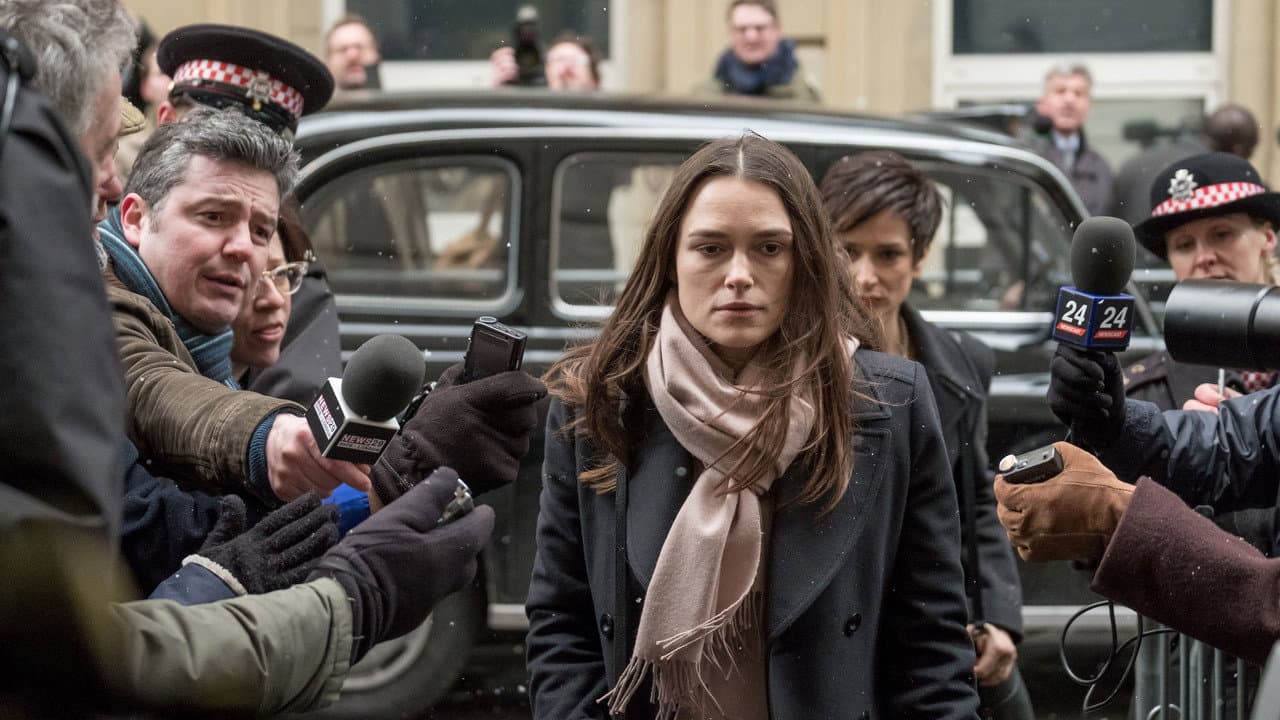
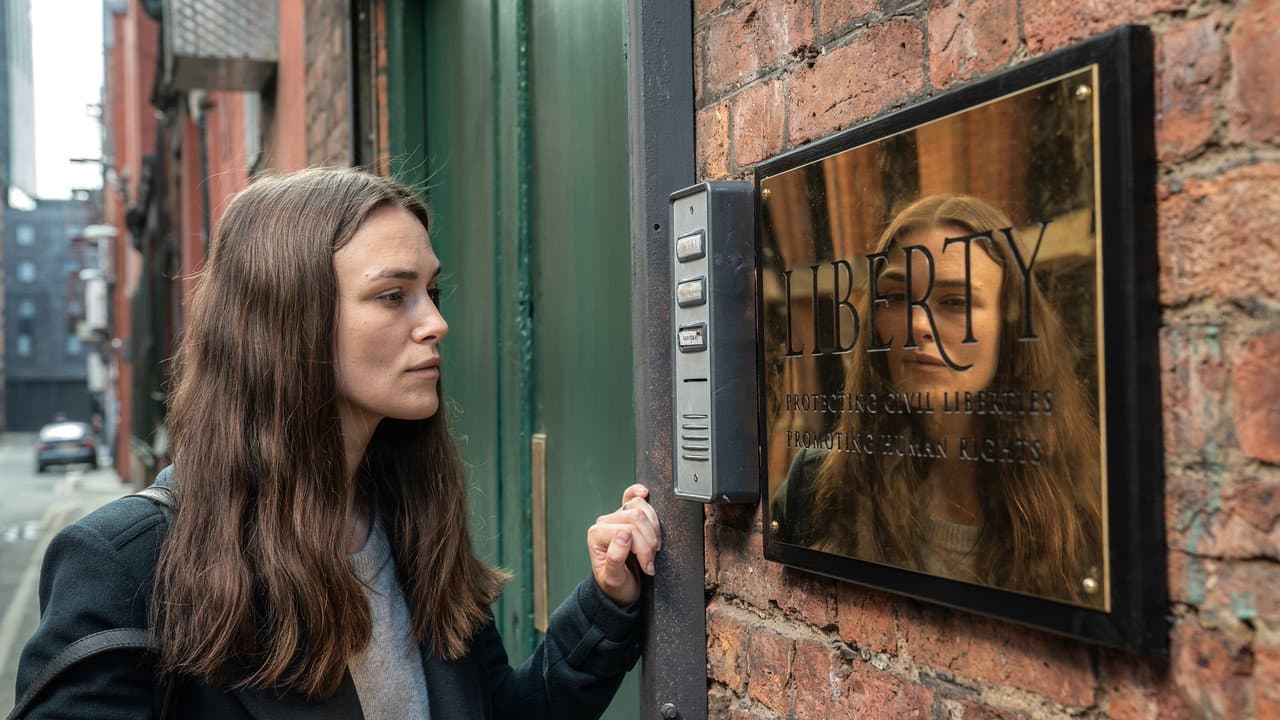
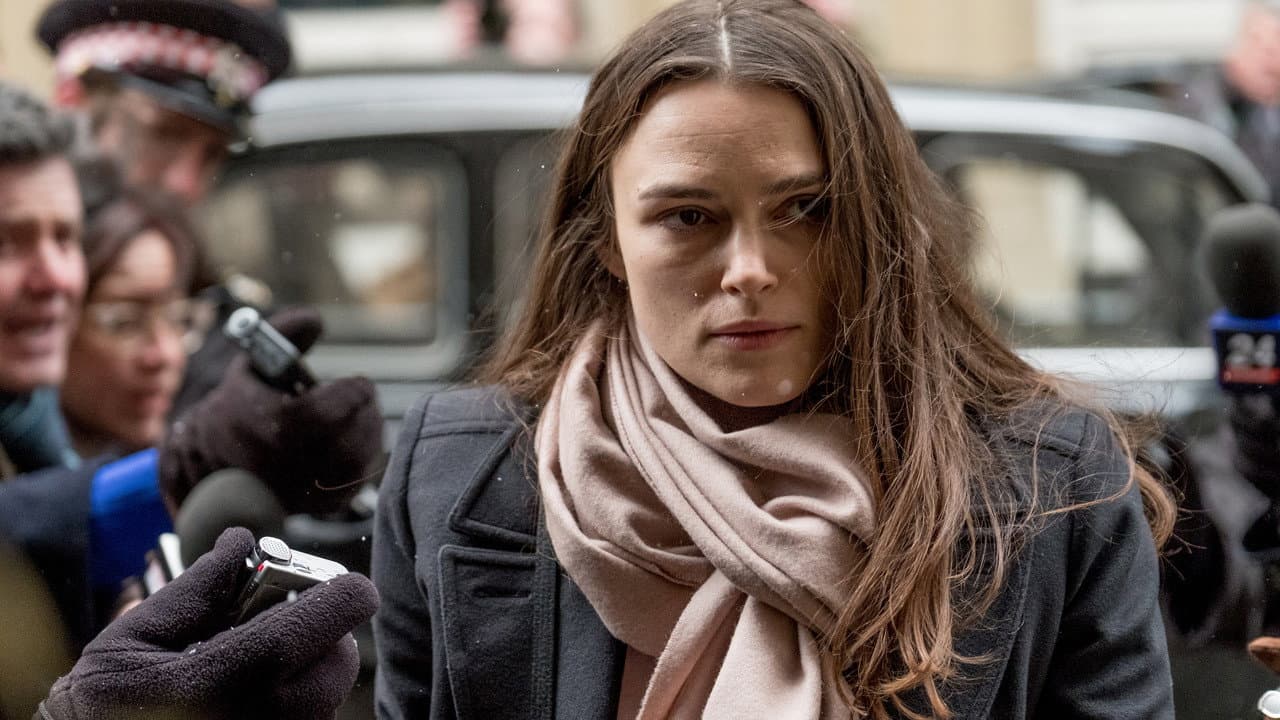
The movie's hook is not action but exposure. Keira Knightley plays Gun, the Government Communications Headquarters linguist who, having read the memo, chose disclosure over silence and faced prosecution under Britain's Official Secrets Act. Hood, working from a screenplay that draws on the reporting and testimony surrounding the case, keeps the camera close to the bureaucracy of dissent: copied documents, hushed meetings, and the slow machinery of newspapers deciding whether to publish. The result sits comfortably in the political-thriller tradition while resisting the genre's urge to turn its protagonist into a spycraft hero.
A cast built for quiet confrontation
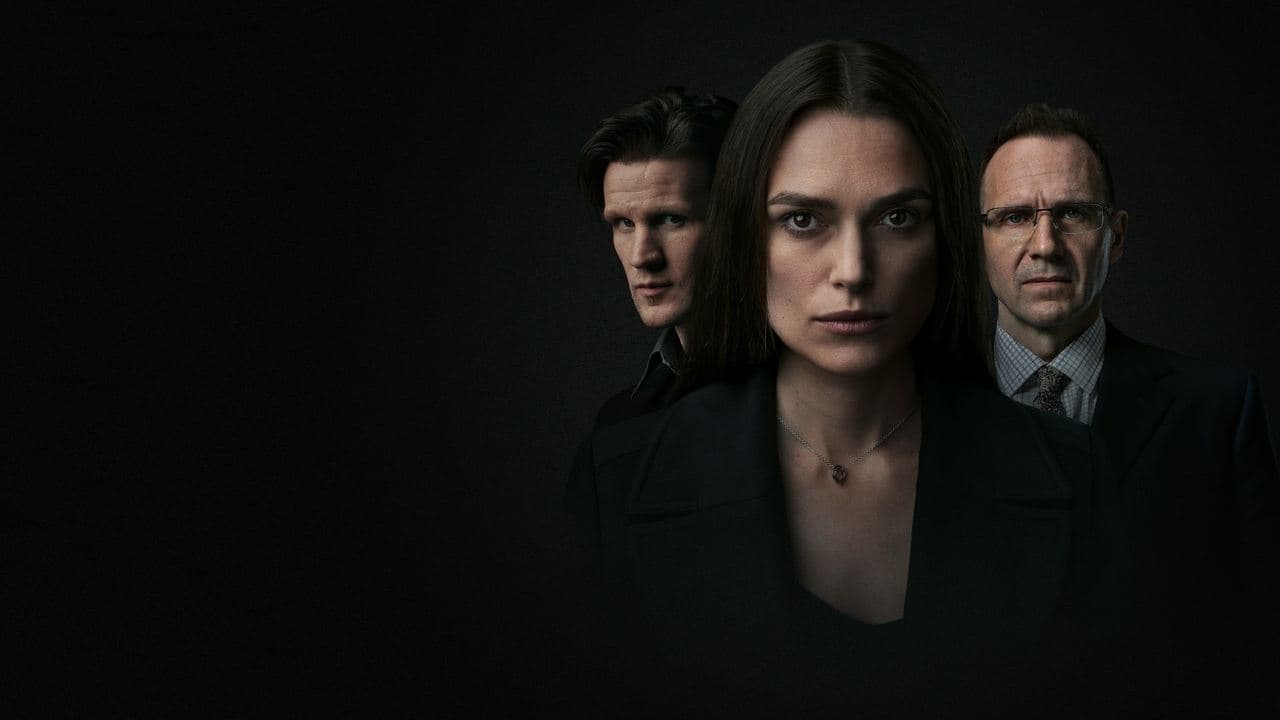
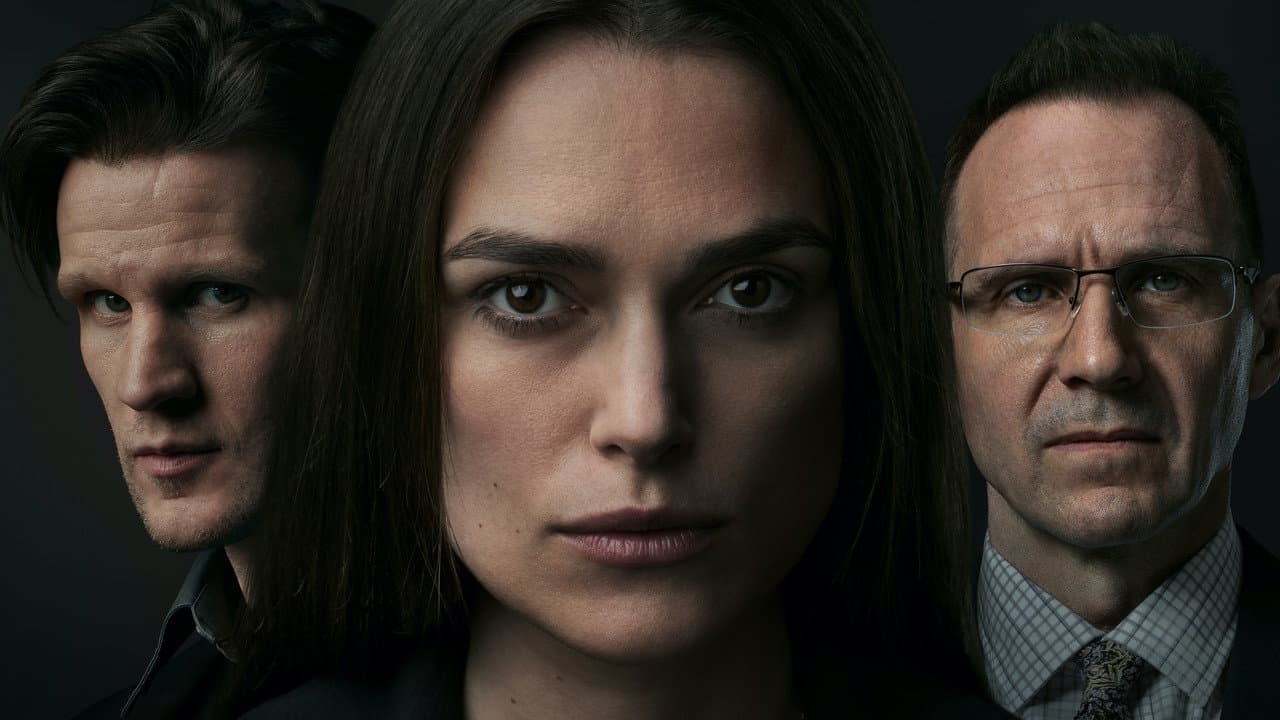
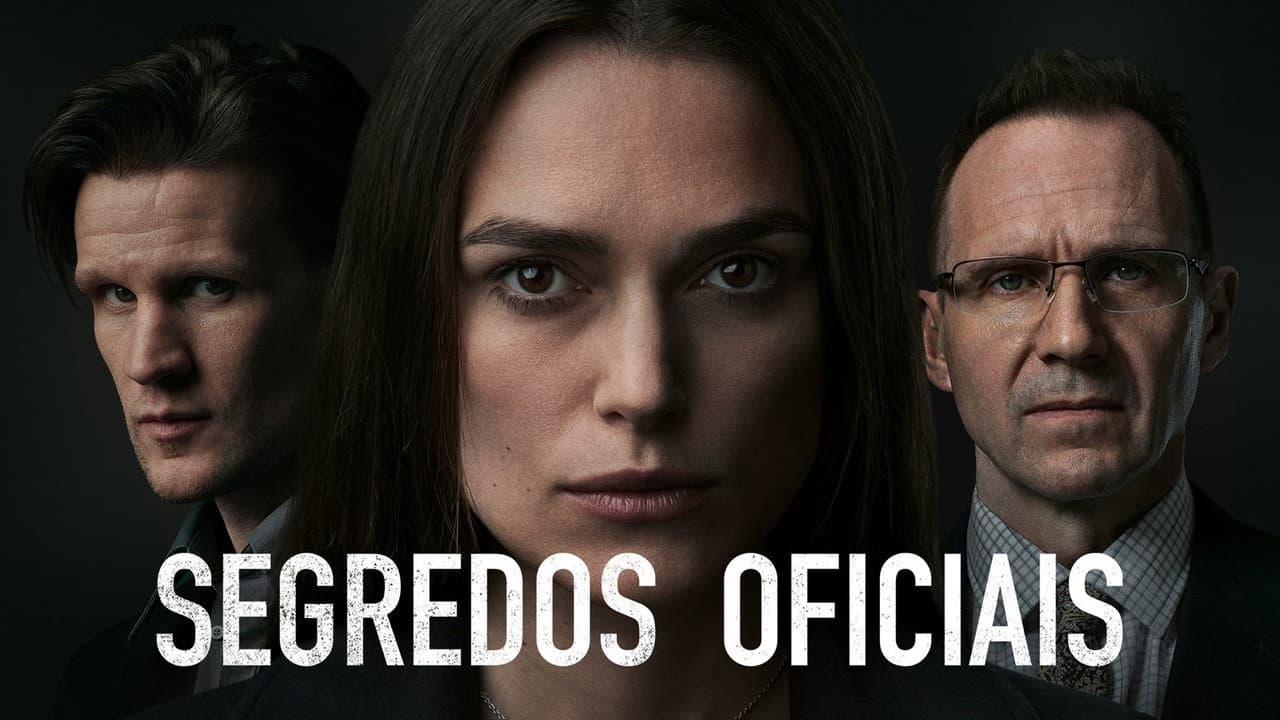
Knightley anchors the film, but the supporting ensemble is unusually deep for a drama of this scale. Matt Smith appears as Martin Bright, the journalist whose reporting helped bring the memo into public view, while Ralph Fiennes plays barrister Ben Emmerson, a figure central to Gun's legal defense. Adam Bakri is cast as Yasar Gun, and the newsroom ranks are filled out by Matthew Goode as Peter Beaumont and Rhys Ifans as Ed Vulliamy. Indira Varma plays Shami Chakrabarti, and John Heffernan rounds out the principal cast as James Welch.
That lineup gives Secrets a distinct advantage over leaner whistleblower dramas. The conflict is distributed across institutions - intelligence services, a national newspaper, the courts - rather than concentrated in a single interrogation room. Smith's reporter and Fiennes's lawyer each carry a strand of the narrative, so the film's tension comes from whether any of these parties will move before the war does.
Why the story still lands
The film arrives on streaming at a moment when debates over surveillance, leaked documents, and the uses and abuses of intelligence have lost none of their charge. What distinguishes Secrets from many post-2013 dramas is its setting: the leak here is not a digital-age phenomenon but a pre-war bureaucratic act, carried out through photocopiers and sealed envelopes. Its portrait of a memo proposing coercion of Security Council members remains uncomfortable precisely because it is presented as routine statecraft rather than villainy.
Critically, the film has generally been received as a sturdy, well-acted procedural rather than a revelation, and its dual ratings reflect that middle ground: strong approval without the fervor that accompanies the year's biggest awards players. For viewers encountering the story for the first time, the appeal is less novelty than clarity. The movie asks what an individual owes an institution that is, in its protagonist's assessment, acting unlawfully, and it does not pretend the answer is cost-free.
The bottom line
Secrets is a 112-minute historical thriller with a recognizable genre shape and an unfamiliar true story at its center. Its stars are well served by a script that trusts procedure over spectacle, and its arrival on Netflix gives the film the wide audience its subject arguably always deserved. For subscribers browsing for something weightier than a standard conspiracy thriller, it remains a pointed, disciplined choice.
Source: Netflix Newsroom