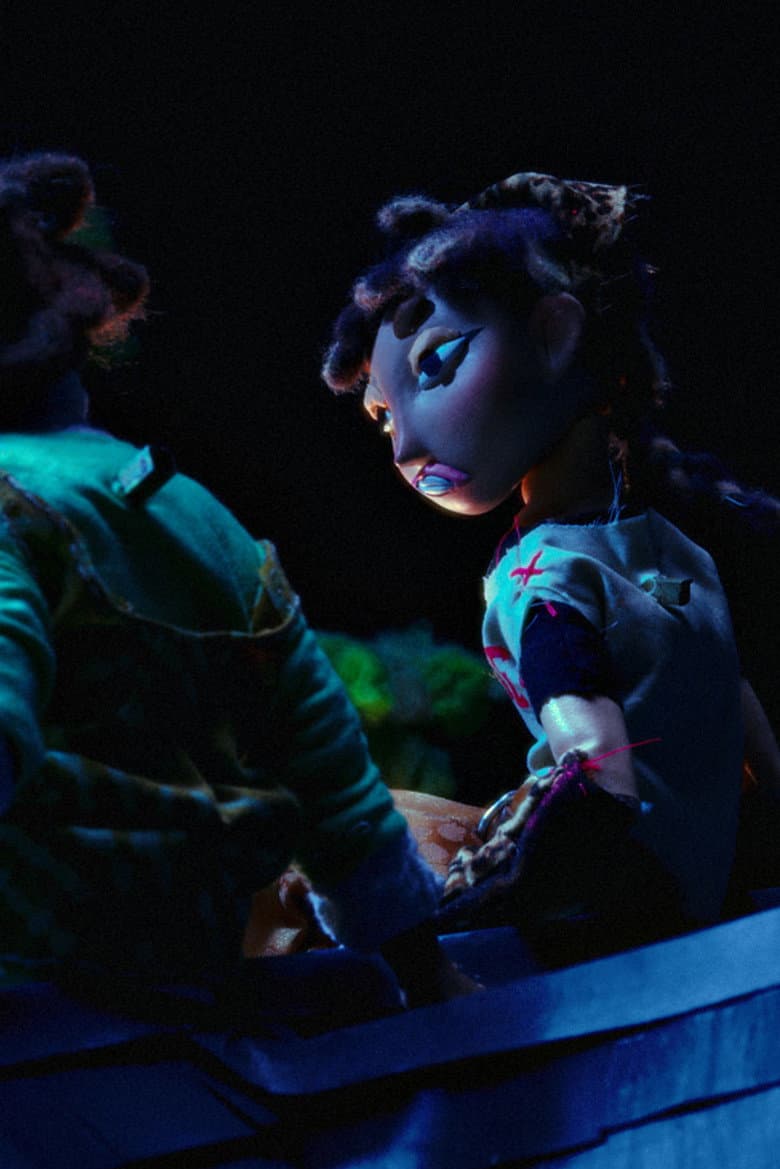
The elevator pitch alone is enough to stop you mid-scroll: a stop-motion horror film about a woman reclaiming her own body and desires in the immediate aftermath of her homophobic mother's death. That is the curious, unsettling little package that is Cabbageworm, a seven-minute short that has been quietly building word of mouth on the festival circuit and now lands on OTT Stories. It is the kind of title that reminds you how much narrative punch can be packed into a runtime shorter than most people's commute.
Release Date & Where to Watch
Cabbageworm is streaming now, exclusively on OTT Stories. The platform has carved out a niche for itself as a home for bold, risk-taking short-form work, and this acquisition fits that mandate to a tee. If you have been waiting for an excuse to finally activate that subscription, a seven-minute commitment is about as low-stakes as it gets. Just do not mistake brevity for lightness. This is a film that lingers well after the credits roll.
The short arrives without a wide theatrical window or a splashy marketing blitz, which is par for the course for independent stop-motion. Instead, it has traveled the old-fashioned way: through festival screenings and the persistent buzz of programmers who could not shake it from their heads. OTT Stories is betting that its subscribers will feel the same way. Early word suggests they are right.
Cast & Crew
Details around the production remain deliberately under wraps. The director's name has not been publicly confirmed, and the voice cast is likewise unannounced, which is an unusual but not unheard-of choice for a short aiming to let its imagery do the talking. What we do know is the craft on display. Stop-motion animation is among the most labor-intensive mediums in filmmaking, requiring weeks of painstaking frame-by-frame work for what amounts to seconds of screen time. A seven-minute short can represent months, sometimes years, of a small team's life.
That anonymity has its own effect. Without a familiar face or a marquee name to anchor the experience, Cabbageworm asks you to meet it on its own terms. The film's identity rests entirely on its artistic vision, and for a story this personal and this strange, that feels appropriate. Fans of the medium will recognize the fingerprints of the tradition: the tactile, handmade quality of the sets, the slight uncanniness of puppets in motion, the way stop-motion can make the mundane feel deeply wrong.
Story & What to Expect
Here is the premise, and it is a doozy. Michelle has just lost her mother, a woman who was both abusive and openly homophobic. What follows is not a straightforward grief narrative but something far stranger: a horror-inflected exploration of queer desire and emancipation, staged through the eerie grammar of stop-motion animation. The film treats the death as a kind of rupture, a door swinging open onto feelings that were long forbidden, and it refuses to prettify what comes through that door.
If you are expecting a tasteful, restrained meditation on loss, adjust your expectations. The very title, Cabbageworm, should tell you something about the film's willingness to get under your skin. There is a long tradition of using the grotesque and the insectile in horror to talk about bodies, appetites, and transformation, and this short appears to be working squarely in that lineage. Expect the physicality of the animation to amplify the unease. When a puppet's skin crawls, literally, the effect is closer to the bone than any CGI could manage.
What makes the concept especially thorny is its moral texture. This is a story about a daughter's freedom arriving through her abuser's death, and it does not promise to make that easy or clean. Liberation and horror are intertwined here, and the film's seven-minute runtime suggests a tight, sharp descent rather than a slow burn. You will not have time to get comfortable. That is almost certainly the point.
Why It's Worth Watching
First, there is the sheer novelty of the thing. A queer stop-motion horror short about grief and emancipation is not a combination you encounter every day, and OTT Stories deserves credit for platforming it. Second, there is the craft. Stop-motion remains a marginal art form in an industry that increasingly defaults to digital, and every new release in the medium is worth celebrating simply for existing.
But the deeper draw is thematic. Cabbageworm belongs to a growing wave of genre work that uses horror to process queer experience, treating the monstrous not as a threat from outside but as something generative and complicated from within. The film's framing of desire as a force that emerges only after the oppressor is gone raises genuinely provocative questions: What happens when the person who policed your identity is no longer there to do it? What does desire look like when it has been denied for so long? The horror form lets it answer those questions with images rather than arguments, and images, especially handmade ones, have a way of sticking.
At seven minutes, the investment is minimal and the potential payoff is high. Curl up, dim the lights, and give it a try. Just maybe not right before bed.