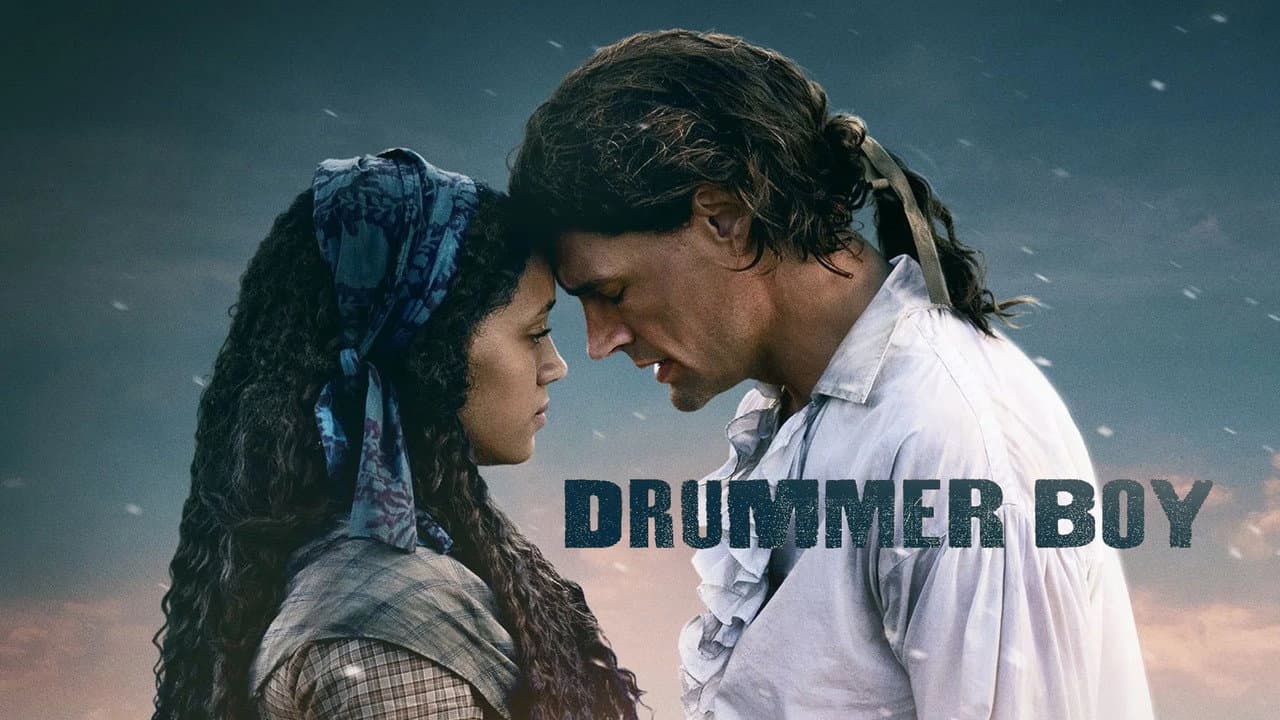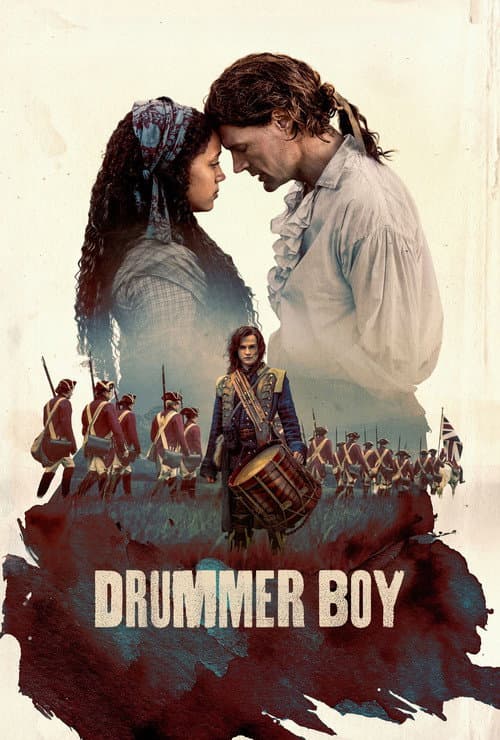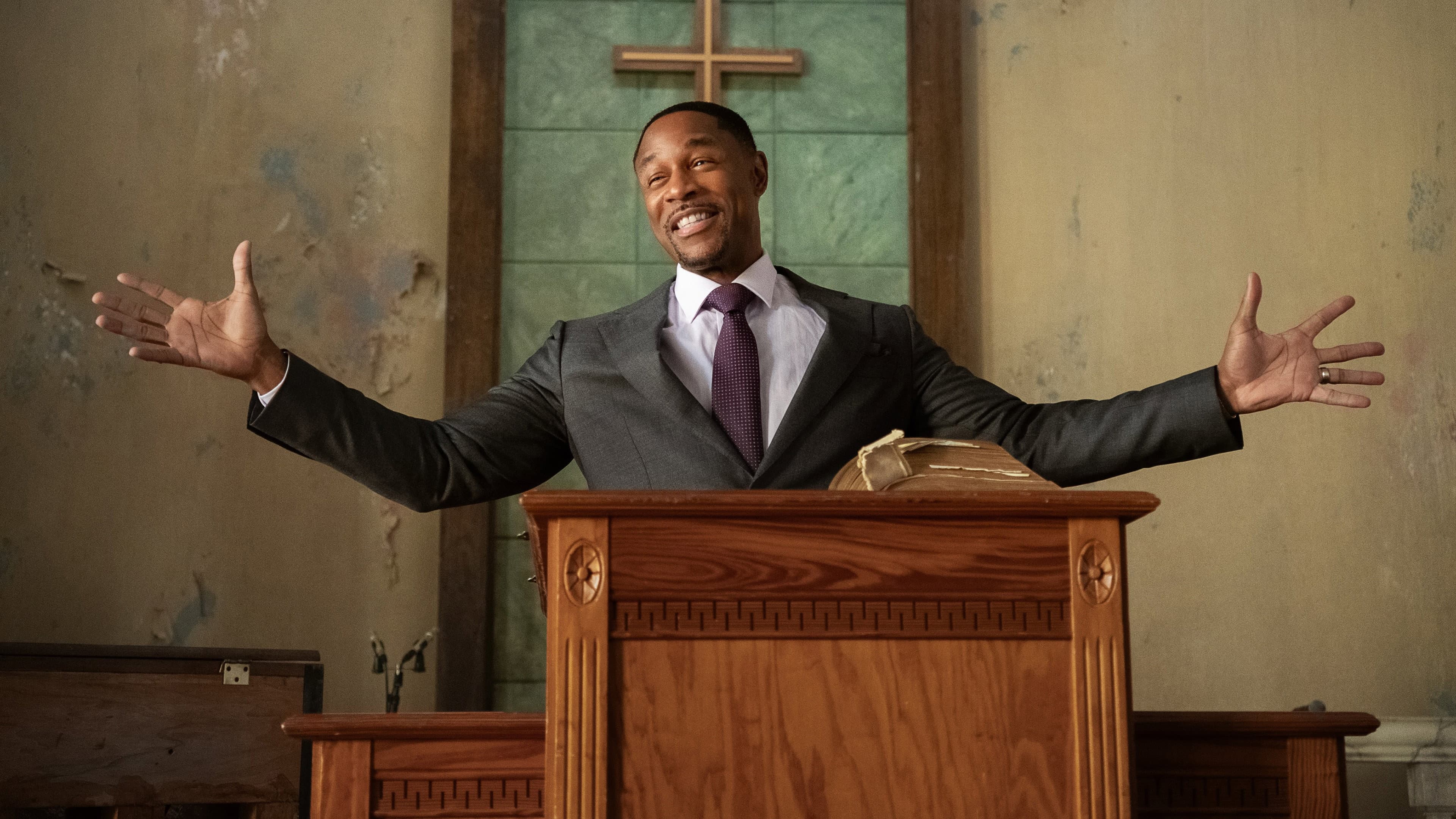

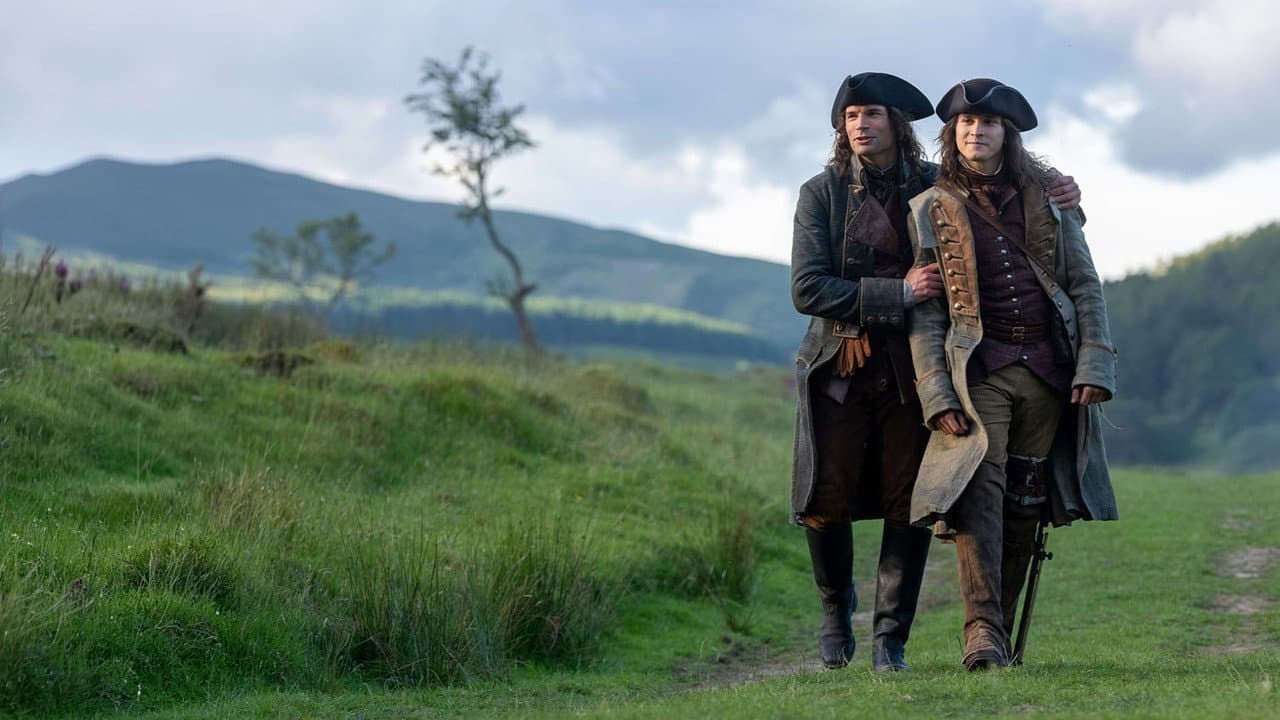
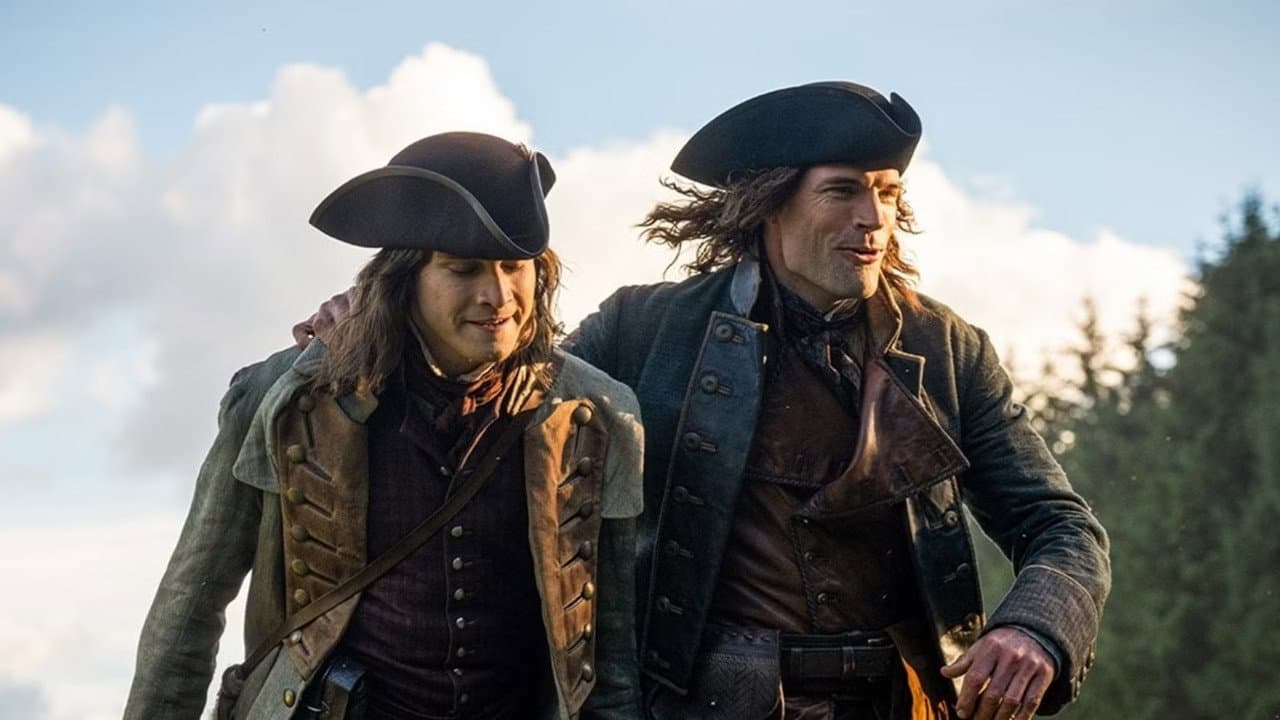
The year is 1776, and the Clem family is already fractured before the first shot is fired. Jeremiah Clem (Joel Smallbone) is a young man torn between his pacifist father Benjamin (Lucas Leach) and the rising tide of rebellion. When he impulsively enlists, he is assigned the role of a drummer boy - a position that marks him as a target as much as a signaler. Parallel to Jeremiah’s journey is that of Emmaline (India Brown), an enslaved woman on the Balfour plantation whose own quest for freedom becomes inextricably linked to the Clem family’s fate. Meanwhile, the plantation’s owners, Lord Balfour (Charles Esten) and his daughter Lady Elizabeth (Beth Easdown), find their loyalties to the Crown tested by the brutal realities of war.
Director Ben Smallbone weaves these threads together with a clear thematic throughline: the search for freedom in its many forms. The script, however, sometimes struggles to balance its three distinct narratives. Jeremiah’s arc is the most conventional, a coming-of-age story set against the backdrop of revolution. Emmaline’s journey, while given significant screen time, feels somewhat constrained by the perspective of the white characters around her, though India Brown imbues her with a quiet, devastating dignity. The Balfour storyline adds political intrigue but occasionally veers into melodrama. Yet, when these paths converge in the film’s final act, the cumulative emotional weight is undeniable. The music - both the diegetic drumming and the orchestral score - serves as the film’s emotional connective tissue, bridging divides that dialogue alone cannot.