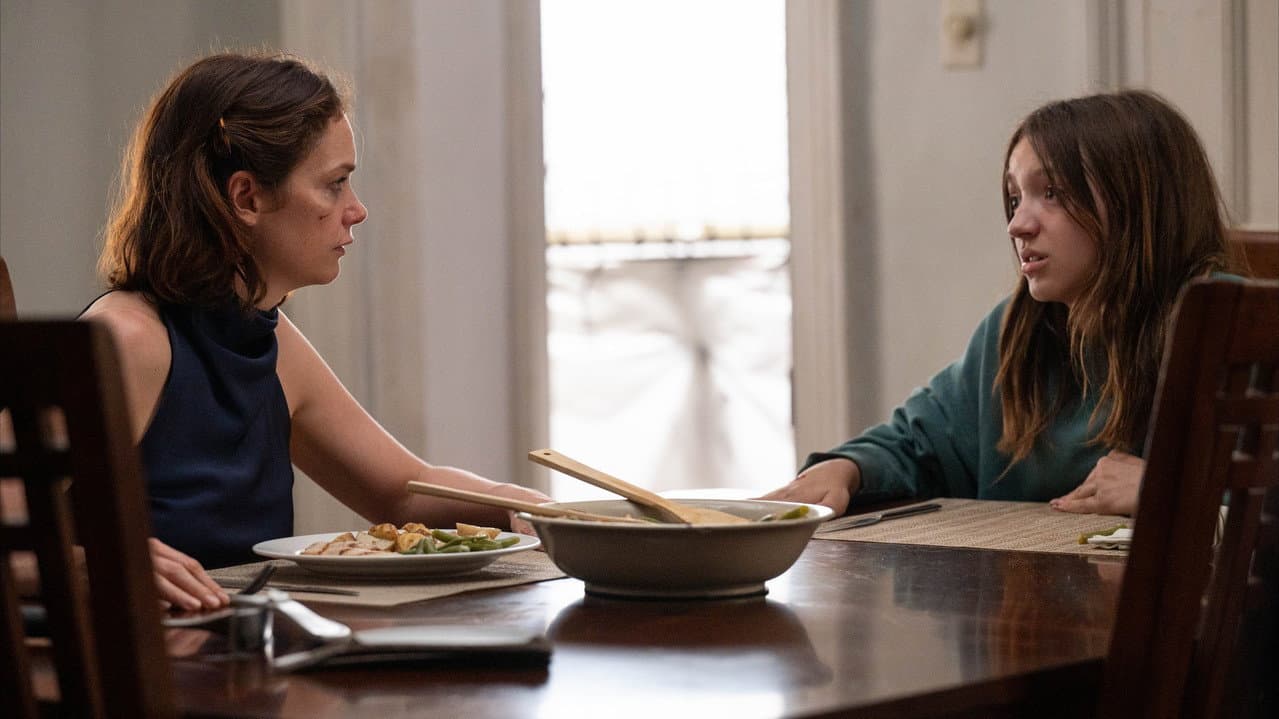
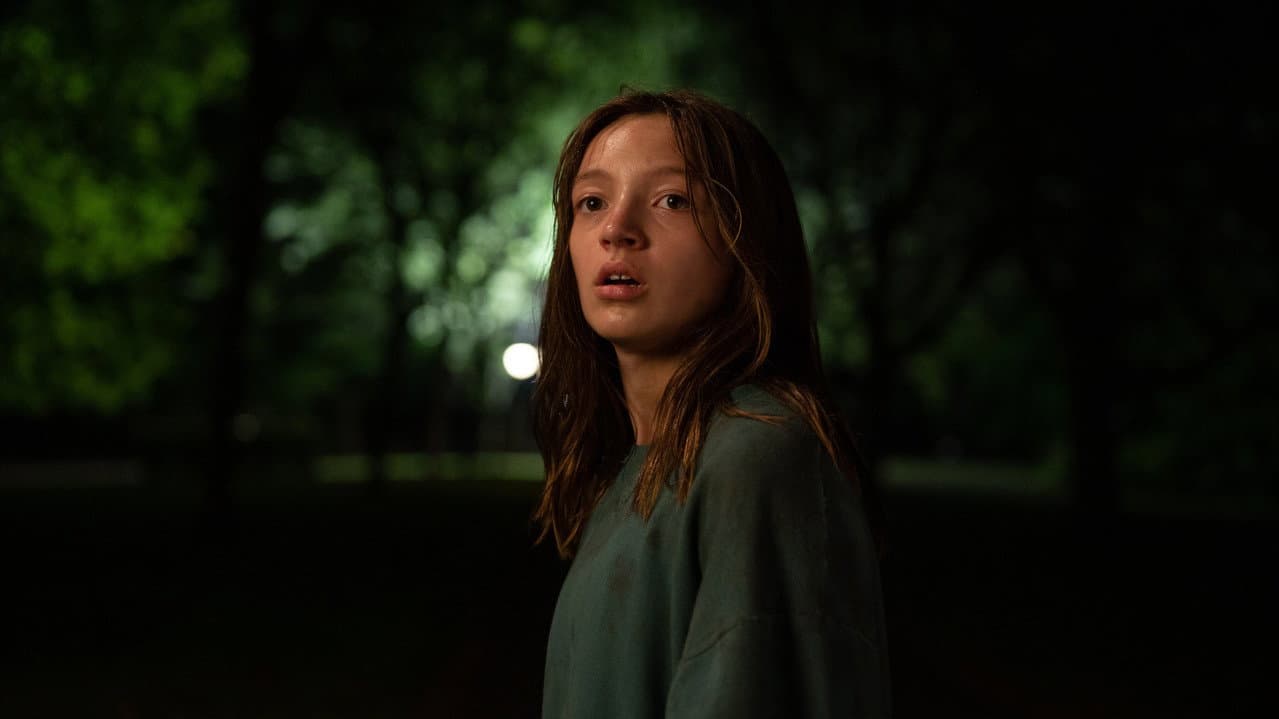
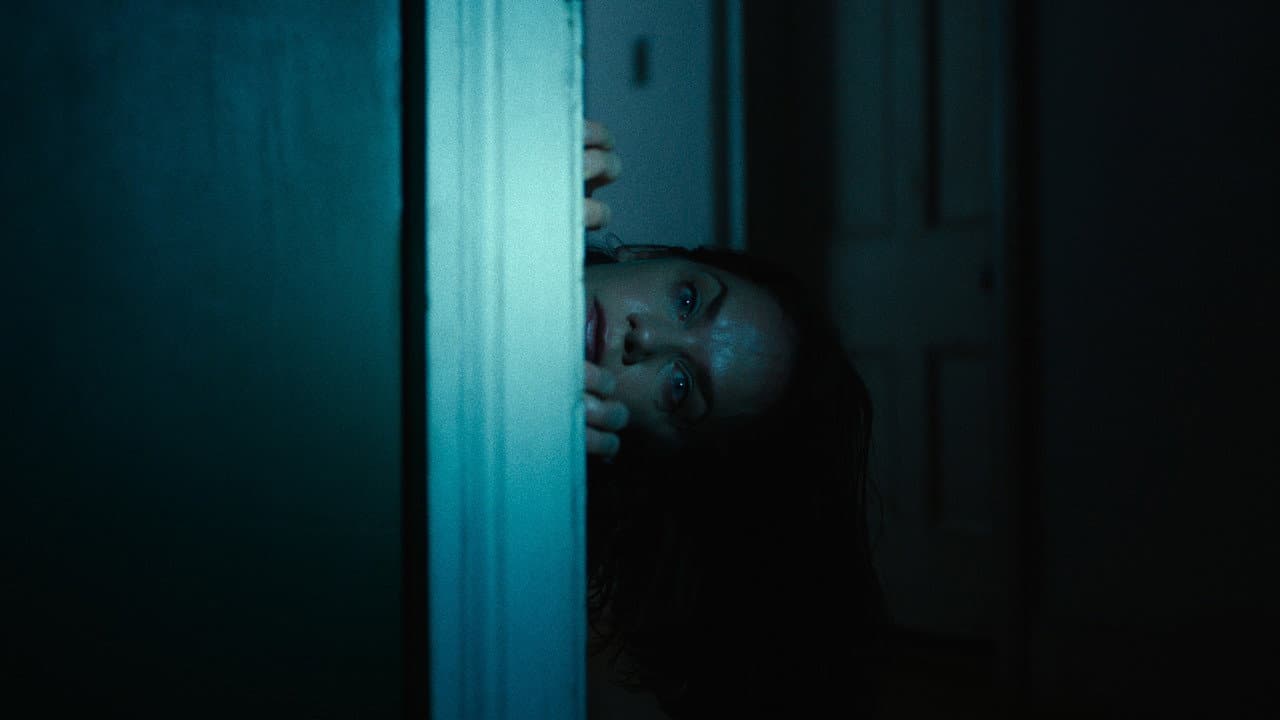
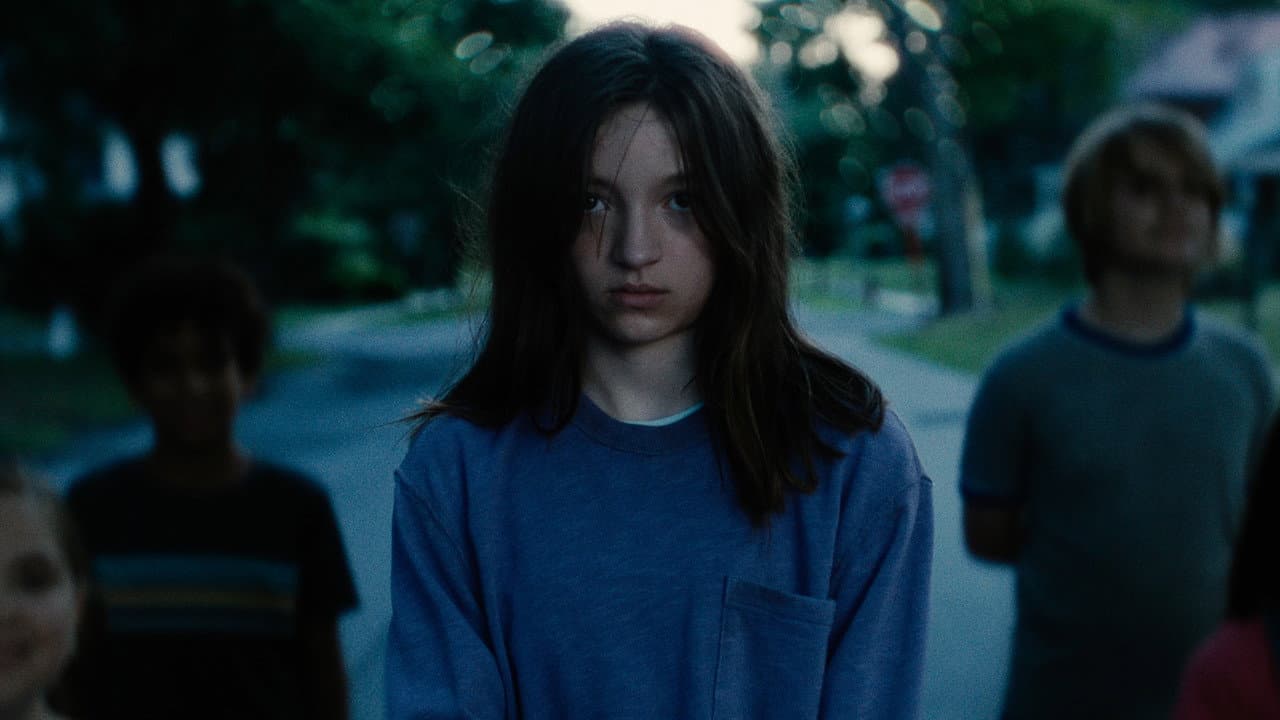
What separates Family from the well-worn “evil child” or “haunted house” subgenres is its perspective. We never leave Johanna’s point of view. There are no cutaways to the parents discussing their plan, no objective camera that confirms or denies the supernatural. Every creak, every closed door, every strained dinner-table silence is filtered through a ten-year-old’s escalating paranoia. The result is a film that feels less like a story and more like a symptom.
Cameron Dawson Gray’s performance is the film’s beating heart. Child actors in horror are often asked to do little more than stare blankly and scream on cue. Gray does something far more difficult: she shows a mind at war with itself. Her Johanna is not simply afraid - she is reasoning, testing, building a case, and slowly losing the ability to distinguish between what she knows and what she fears. It is a remarkably disciplined turn, and the film would collapse without it.
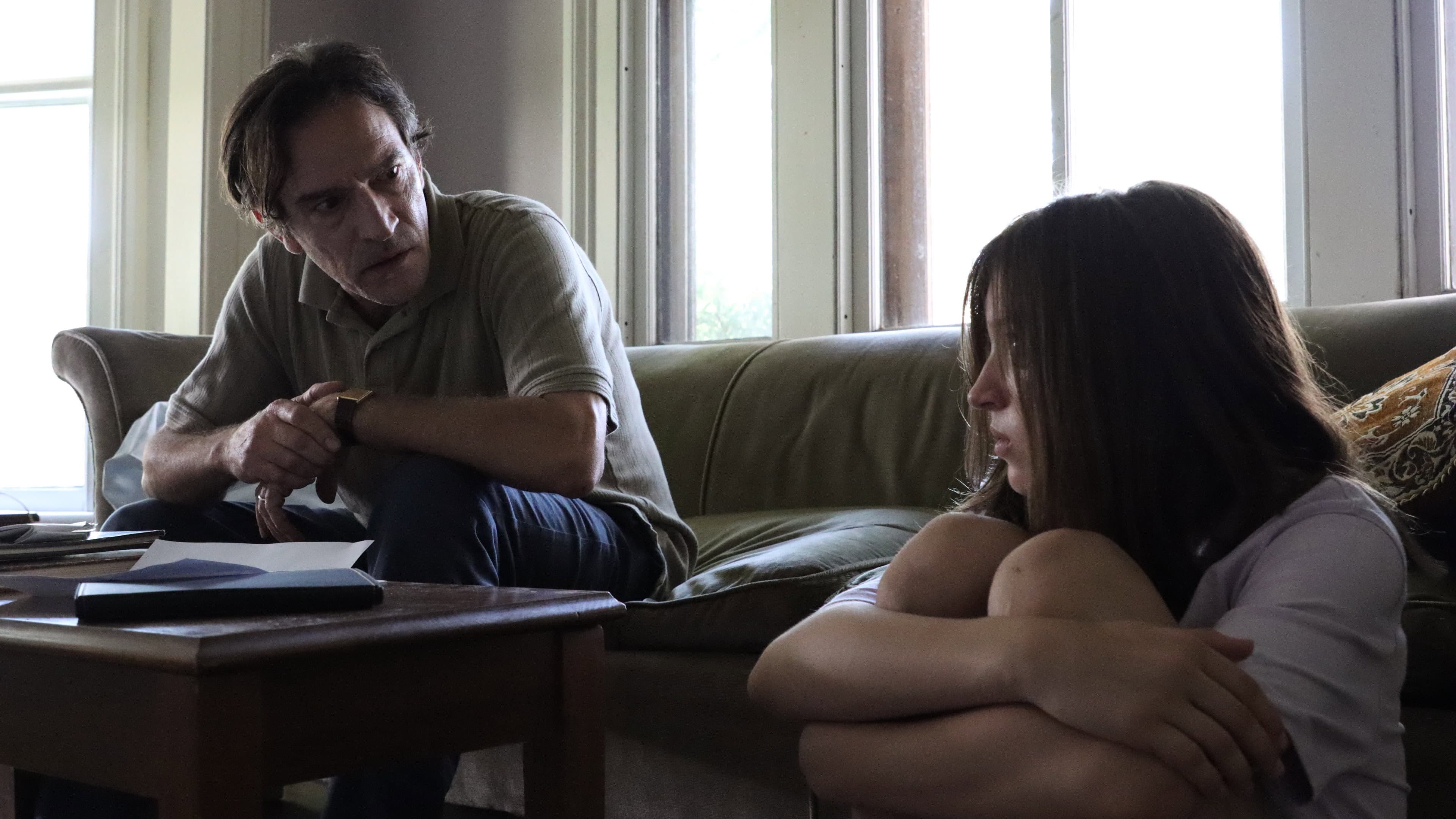
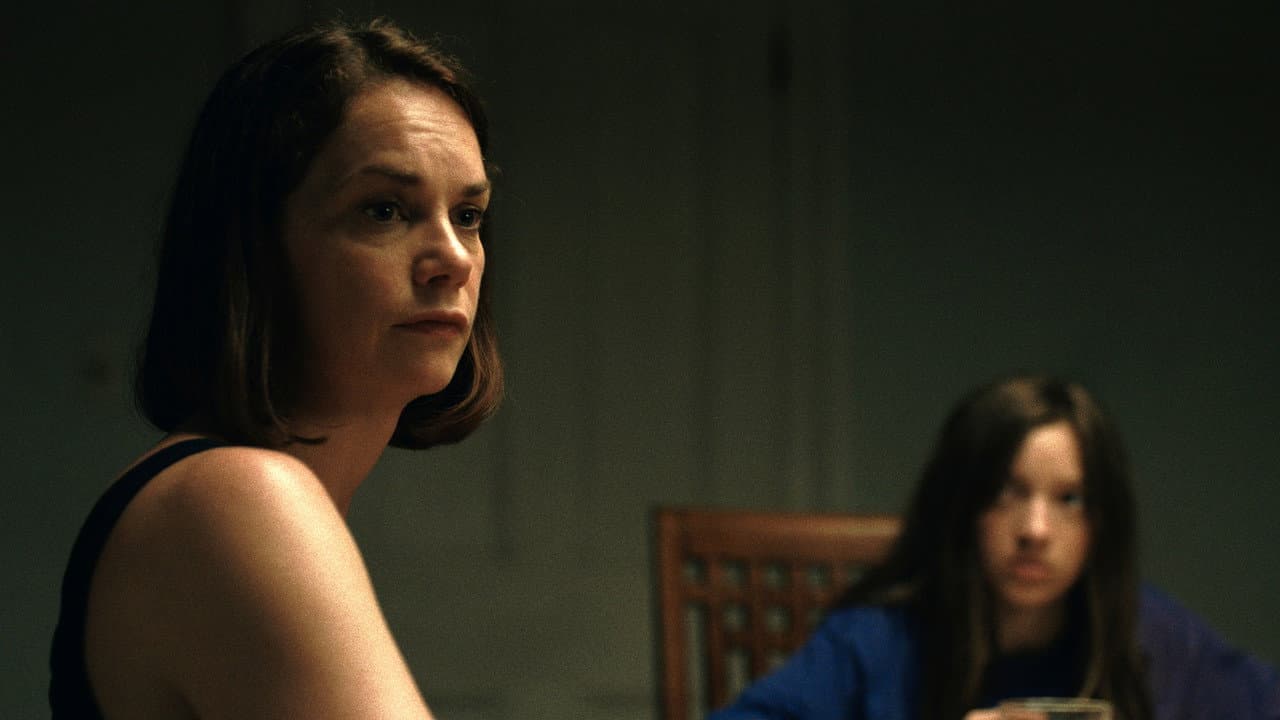
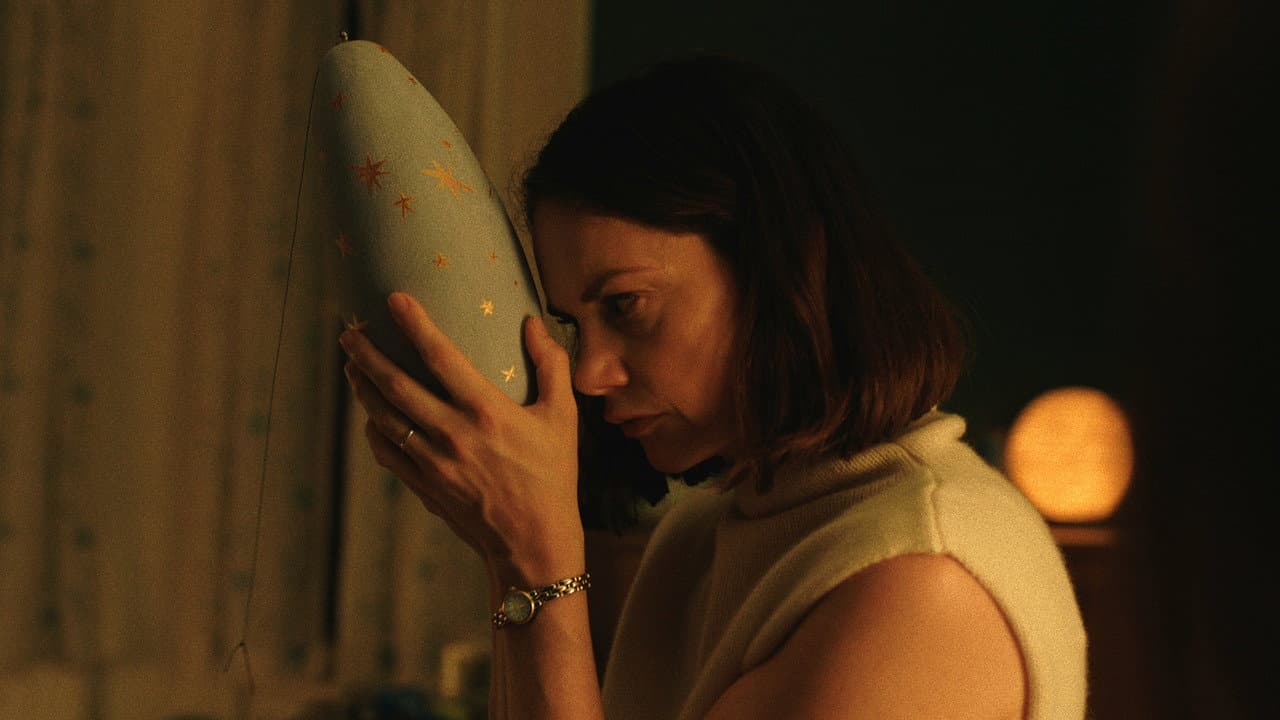
Ruth Wilson and Ben Chaplin are equally essential, and both understand the assignment. Wilson’s Naomi is warm in one scene and icy in the next, never in a way that signals a twist, but in a way that feels authentically parental - loving and exhausted and occasionally frightening, because children experience adults that way. Chaplin’s Harry is quieter, more withdrawn, and therefore more menacing. A scene in which he silently repairs a broken lock on Johanna’s bedroom door is easily the most disturbing sequence in the film, and nothing overtly violent happens in it.
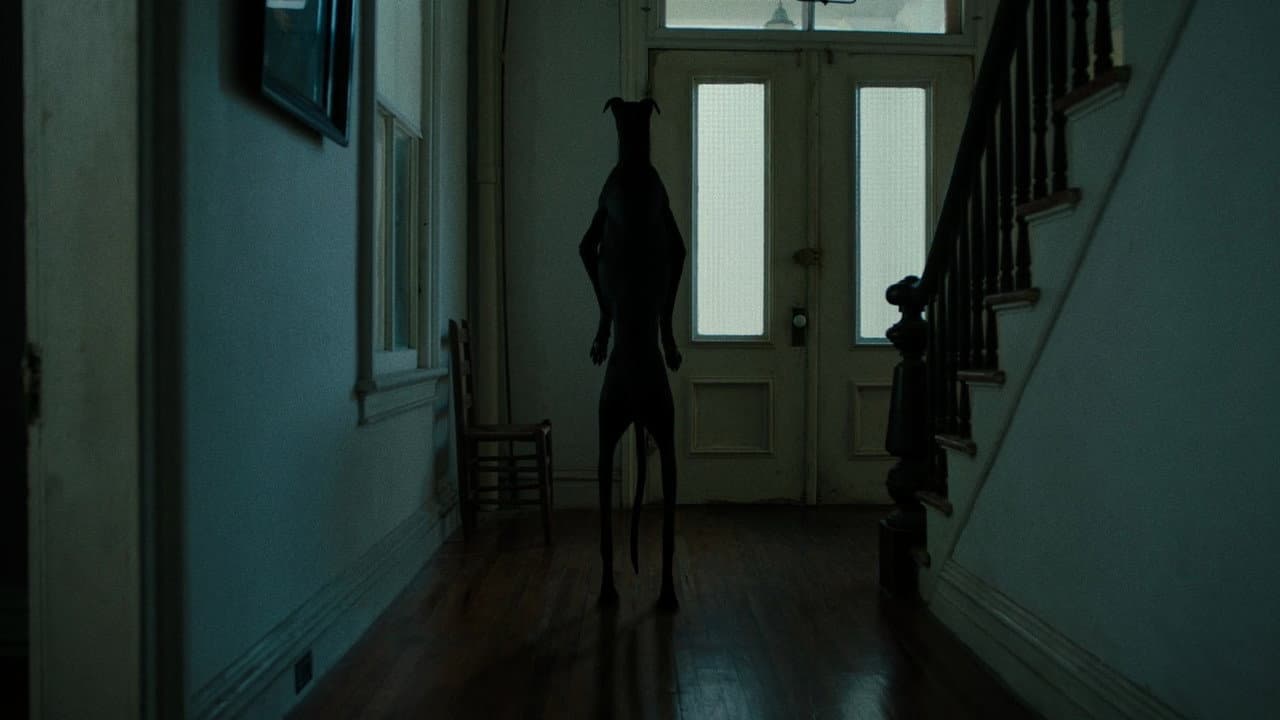
Finkel’s direction is patient. He favors long takes, natural light, and uncomfortable close-ups. The sound design deserves particular praise: a persistent low hum, like a refrigerator in an empty house, runs underneath entire scenes until you cannot tell whether it is coming from the film or your own head. The production design is deliberately sterile - beige walls, spotless kitchens, a home that looks like a showroom rather than a place where anyone actually lives. It is a brilliant visual metaphor for a family performing normality.
If there is a weakness, it is the third act, which gestures toward a more conventional horror resolution before pulling back. That pullback is thematically consistent, but it may frustrate viewers who want a firmer answer. Finkel is not interested in answering. He is interested in the question, and he trusts his audience to sit with it.