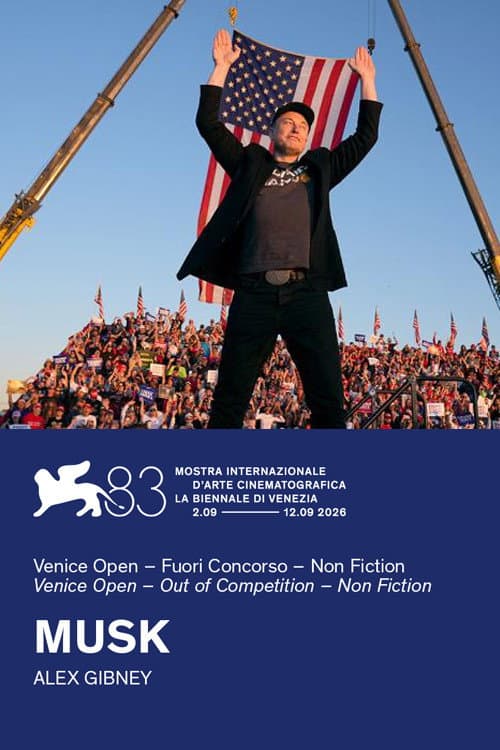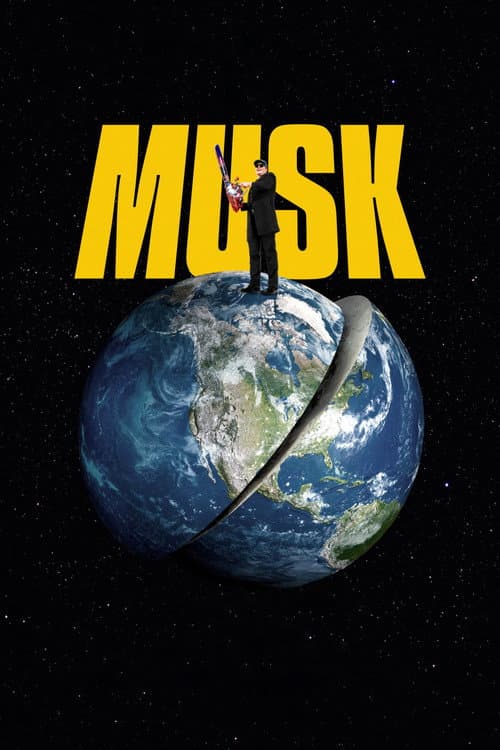
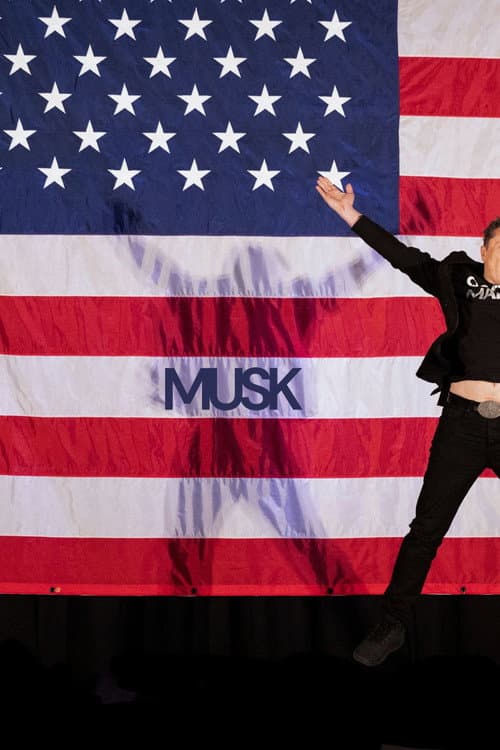
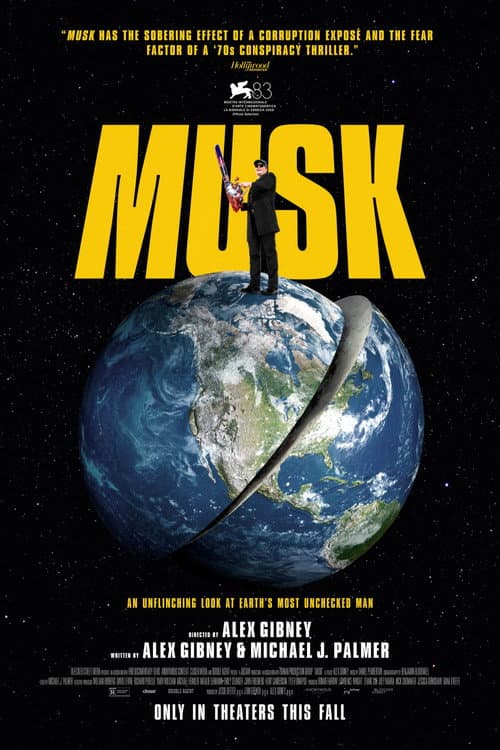
"Musks" opens not with a splashy montage of rockets and electric cars, but with historical context - archival material and testimony that trace the mythology back to its origins, before the legend outgrew the man. Gibney builds the film chronologically but thematically, moving from the early days of Silicon Valley ambition through the founding and fracturing of his companies, and then into the culture-defining chaos of the past several years.
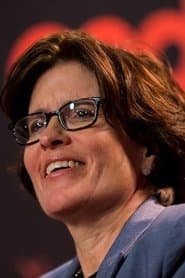
The film leans heavily on the voices of people who were in the room. Justine Musk, his first wife, offers candid reflections on the early years of their marriage and the personal cost of his relentless drive. Martin Eberhard, the co-founder of Tesla, provides crucial perspective on the company's origin story and the fight over who deserves credit for it. Journalist Zoë Schiffer contributes the kind of insider reporting that grounds the film in documented fact, while tech commentator Kara Swisher provides a broader contextual read on the ways his influence has shaped the industry and its public image. Ashley St. Clair's account adds another personal dimension to the narrative, and the inclusion of Geoffrey Hinton lends the film a wider frame - connecting one man's story to the larger questions about artificial intelligence that now loom over all of us.
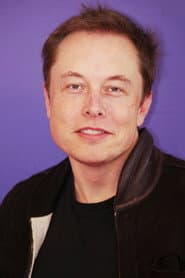
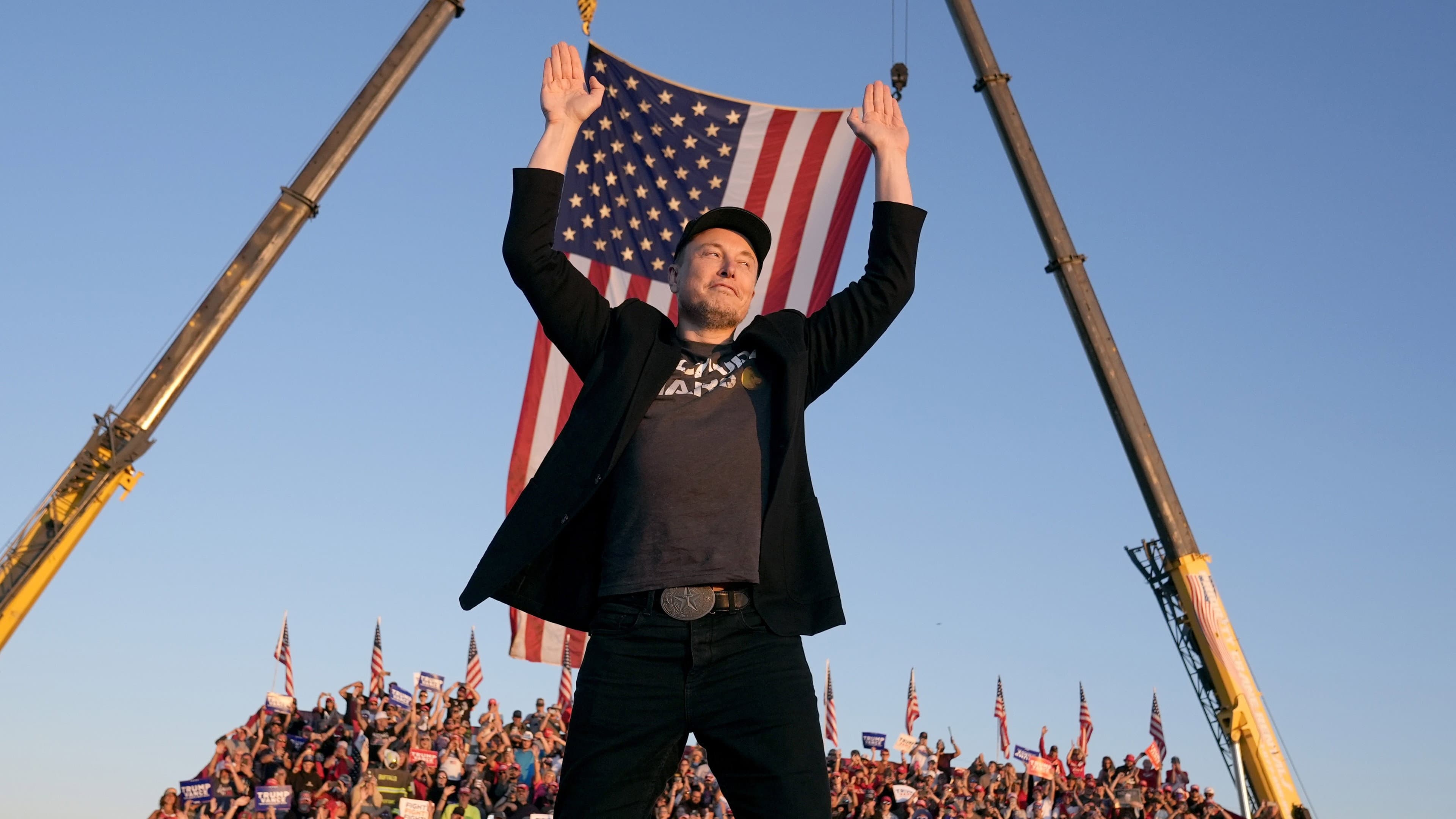
Elon Musk himself appears throughout, but exclusively through archive footage. It's a deliberate choice, and an effective one. Rather than giving its subject a platform to respond in real time, the film lets his own past statements and public appearances speak for themselves, often juxtaposing them against the testimony of those who had a very different experience. There's no narration-heavy moralizing here; Gibney largely lets the record do the arguing.