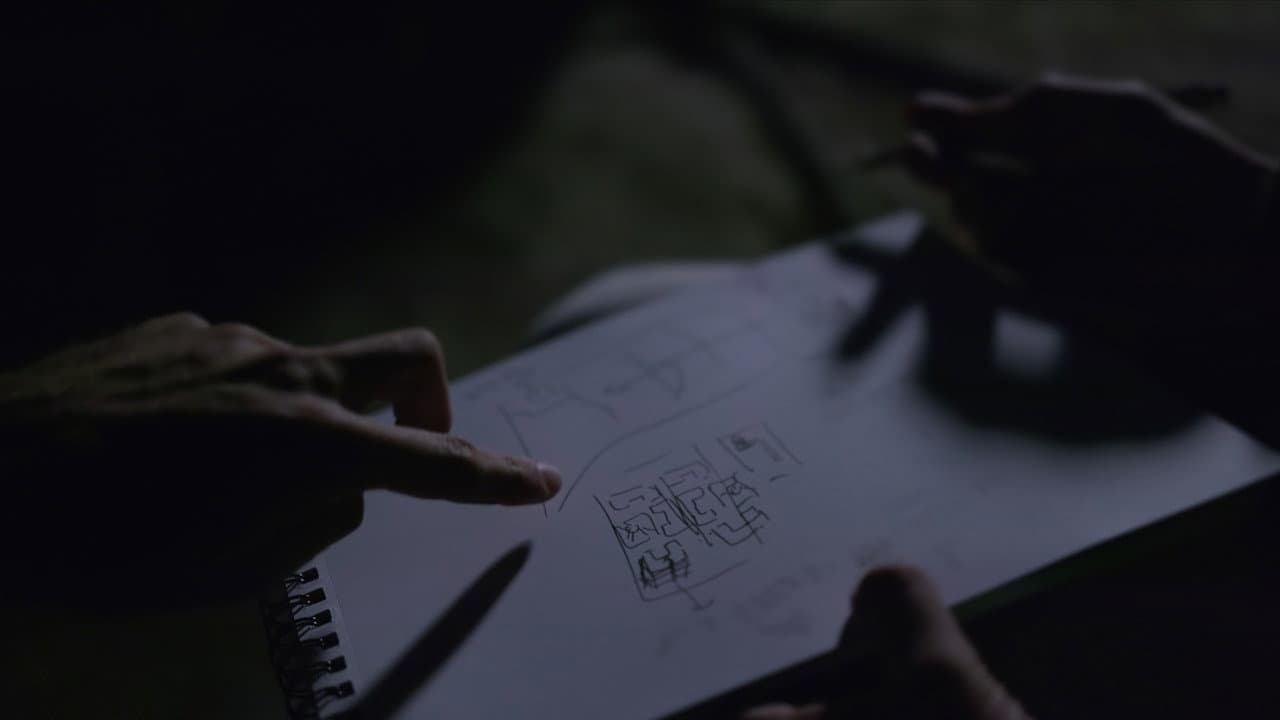
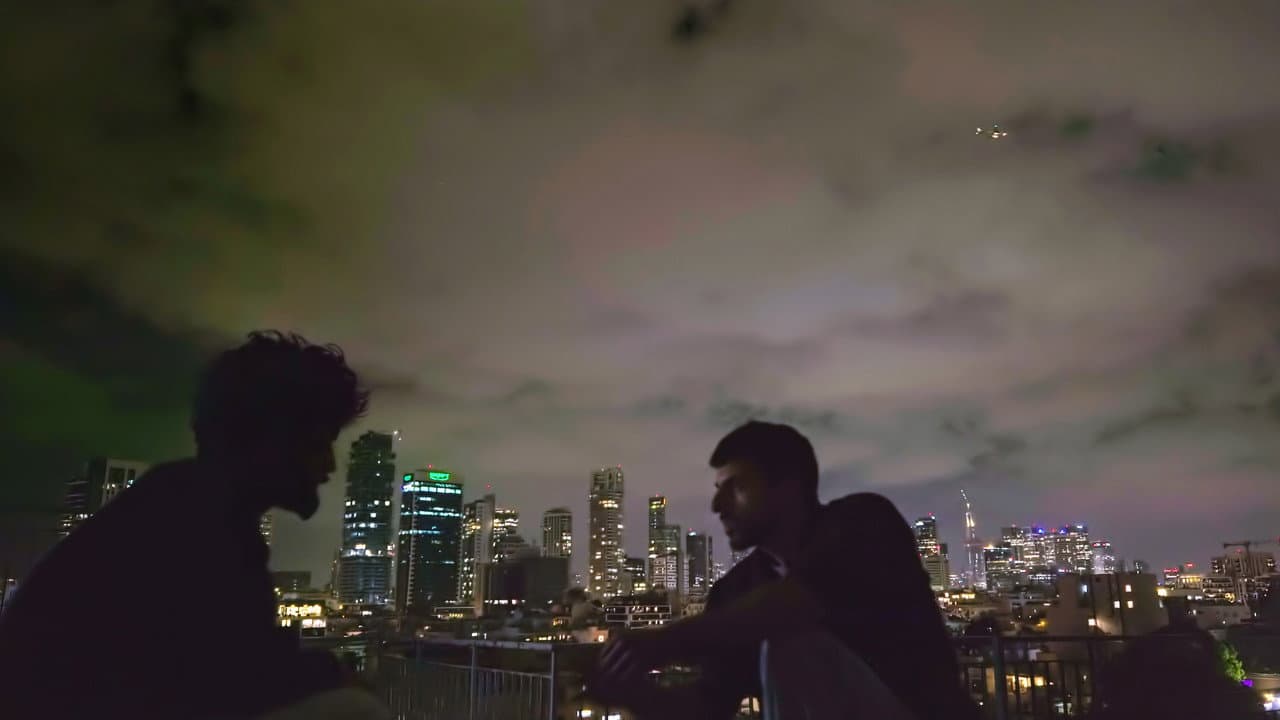
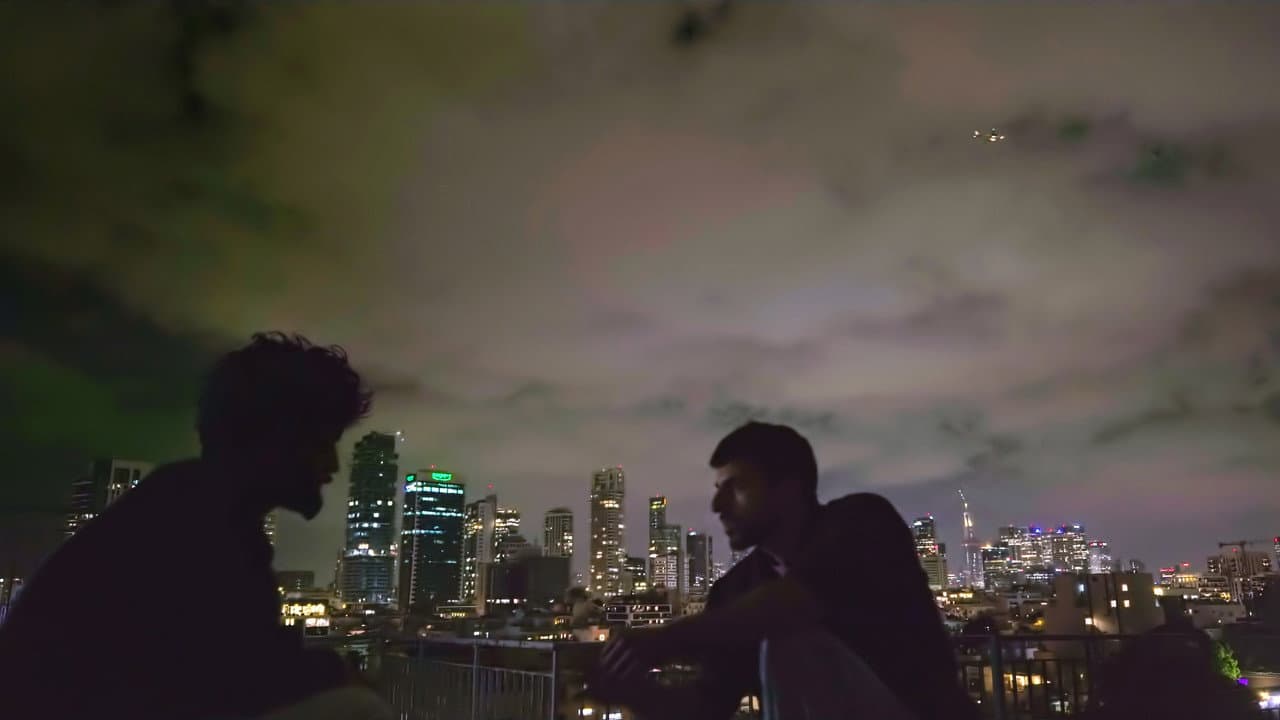
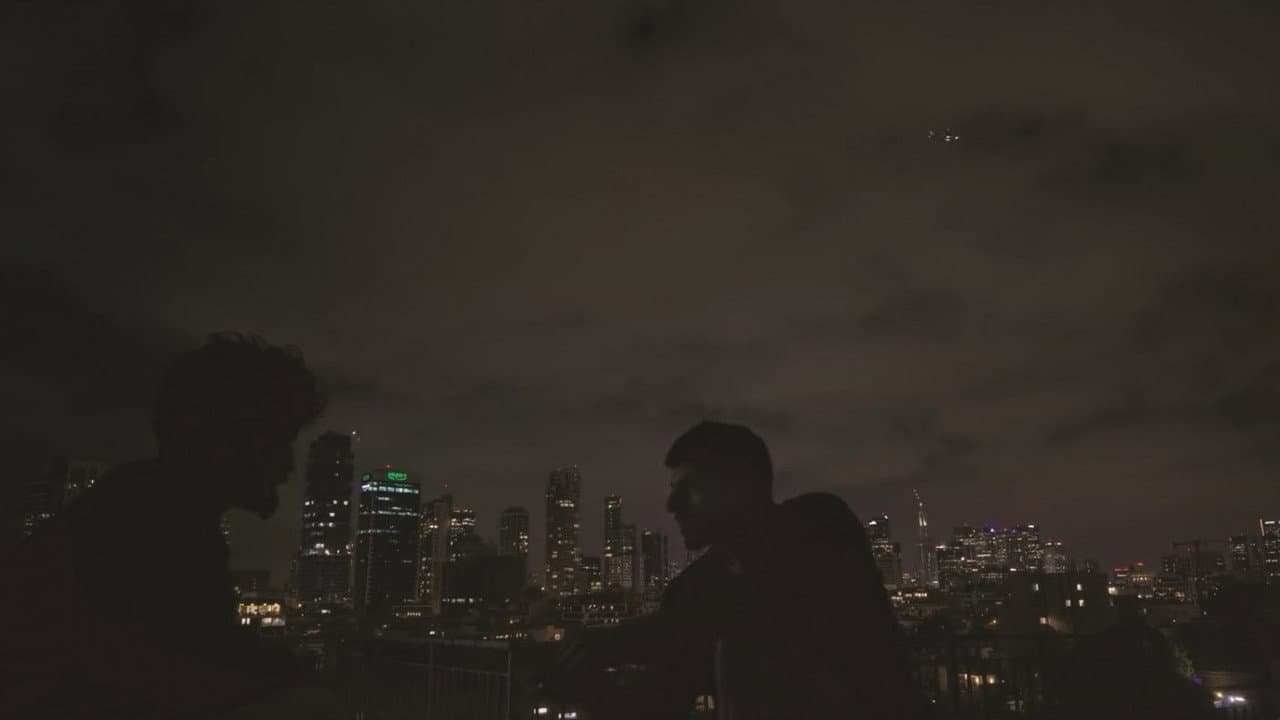
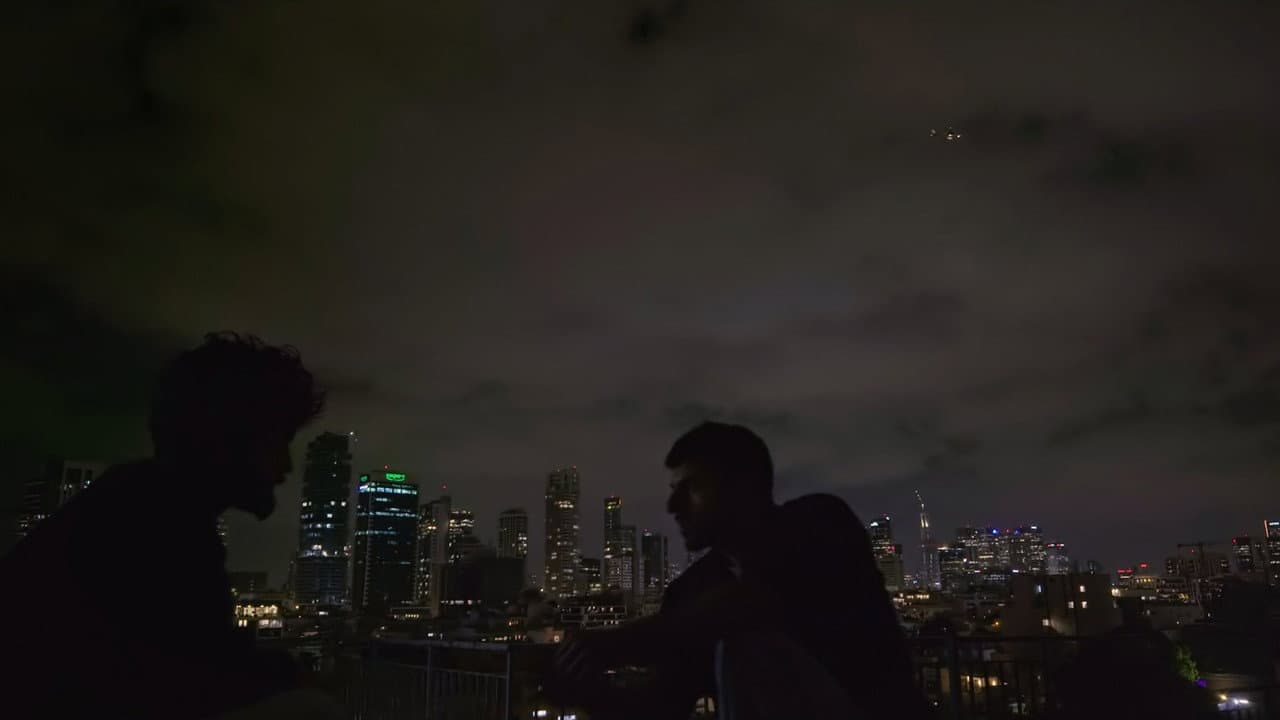
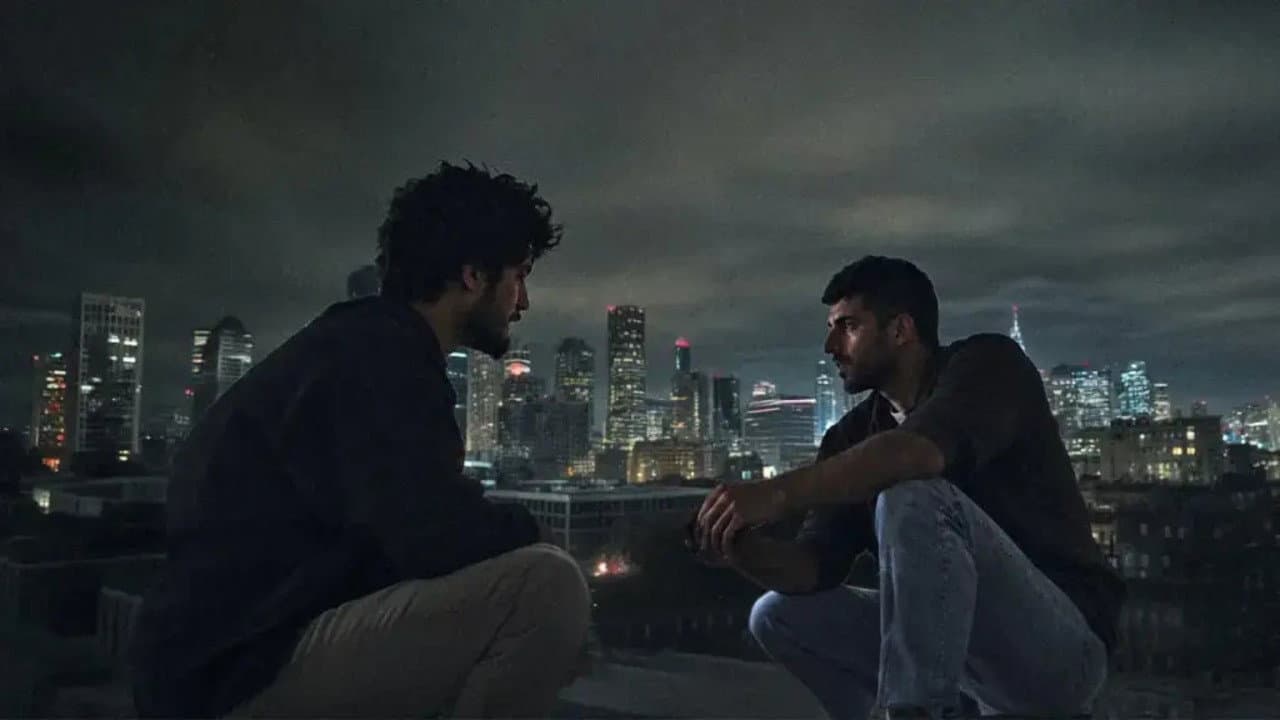
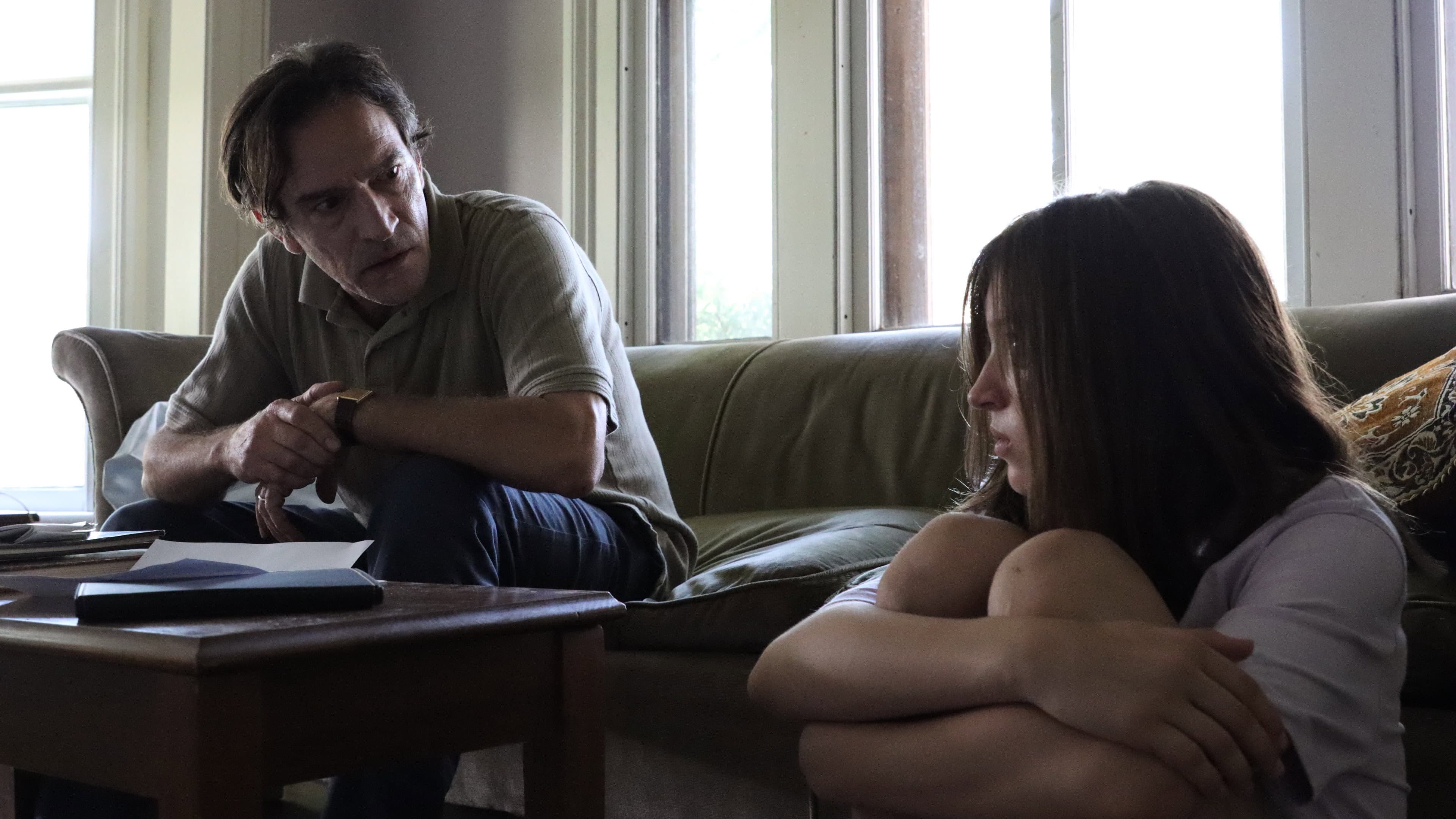
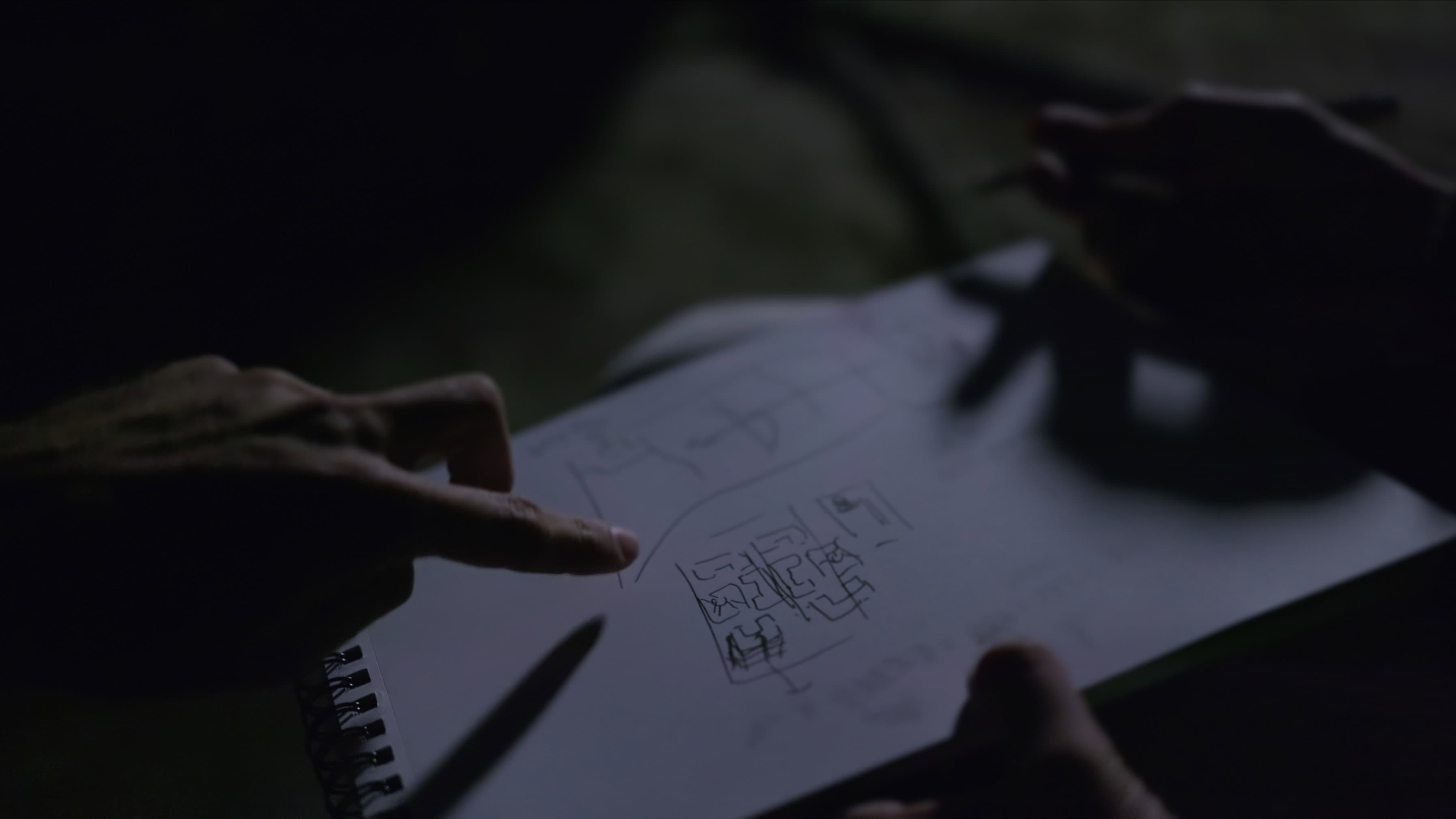
The film's premise is almost impossibly simple. Abraham, working as director and appearing as himself, arranges secret nighttime meetings on Tel Aviv rooftops with former members of the intelligence and military apparatus responsible for the mass killing of Palestinian civilians in Gaza. Over eighty minutes, these insiders walk through the systems they designed and operated: how targets were generated, how approval chains were shortened, how civilian harm was folded into a calculation rather than treated as a red line. The rooftops become a recurring stage, each conversation layered over the last until a picture of institutional machinery emerges. There are no battlefield images to lean on here. The story is in the words - translated into English throughout - and in the pauses between them, where you can feel men and women deciding how much they are willing to admit.
NAZA (2026) Review: Yuval Abraham's Chilling Documentary
Our review of NAZA (2026), Yuval Abraham's film on Israel's Gaza war architects. A cold, precise documentary now streaming on OTT Stories.
Director
Yuval Abraham
Language
EN
Release
2026-09-25
Runtime
80 min
Quick Verdict
A disciplined, unsettling documentary that trusts its subjects to indict themselves. It is not an easy watch, and it is not meant to be. "NAZA" is essential viewing for anyone who wants to understand how modern mass violence gets planned, automated, and rationalized - told by the people who pushed the buttons.
Story
Review
Abraham has made something deliberately airless. The film refuses the usual documentary rhythm of context-then-testimony-then-reaction. Instead, it stacks testimony on testimony, and the effect is cumulative rather than dramatic. A former analyst describes how a target list was assembled. A supervisor explains how a strike window was approved in minutes. Each account is calm, procedural, almost bored - and that flatness is the point. These are not monsters describing atrocities. They are professionals describing workflow. The banality is the message.
The directing is restrained to the edge of austerity. Rooftops are shot in long, static takes, the city's lights soft behind the speakers. Abraham appears only at the margins, asking short questions, never grandstanding. He knows the material does not need help. The film's most powerful stretches come when a subject stops mid-sentence, aware that what he has just said cannot be unsaid. The camera does not cut away. That refusal to rescue anyone is the film's ethical core.
Is it perfect? No. At eighty minutes, the film sometimes sacrifices clarity for mood. Viewers unfamiliar with the underlying events may feel dropped into a conversation already underway, and the lack of broader context will frustrate some. But that is also a deliberate choice: "NAZA" assumes you know what happened and wants to show you how it was made thinkable.
Pros & Cons
Pros
- Extraordinary access to insiders who describe their own roles without visible coercion
- Restrained, patient direction that lets testimony land on its own terms
- Rooftop setting creates a visual and moral pressure that never lets up
- English-language delivery keeps the film accessible without losing its specificity
Cons
- Minimal context for viewers coming in cold
- Long, static passages may test patience
- Emotional monotone risks numbing rather than sharpening some viewers
- Few dissenting or external voices to counterbalance the insiders
Rating Breakdown
Final Verdict
"NAZA" is not entertainment, and it does not pretend to be. It is a carefully constructed record of people explaining, in their own words, how a system of mass killing was built and run. At 8.02 on TMDb, audiences are clearly responding to that seriousness. Watch it when you have the attention to give it. The rooftops of Tel Aviv, photographed so calmly, will stay with you far longer than any louder film could manage.
Cast

Yuval Abraham
Self
Gallery