There is a moment, roughly a third of the way through Ryan Ebert’s Resident Dead, where the film stops being about the zombies and starts being about the package. That shift is the smartest thing the movie does. It arrives quietly, without fanfare, and it reframes everything you thought you were watching.
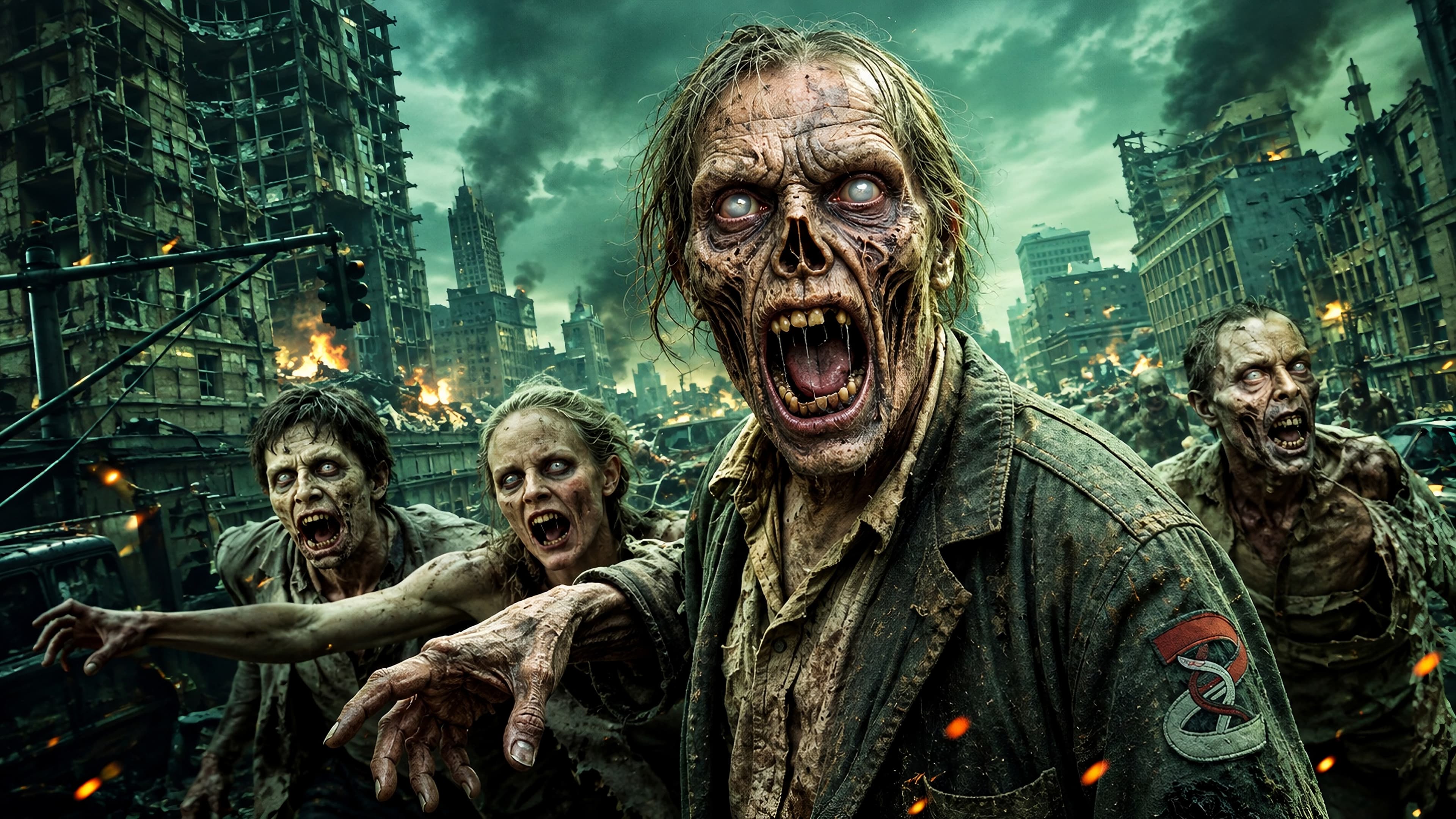
On its surface, Resident Dead - which landed on streaming platforms on September 4, 2026, after a brief theatrical window - is another entry in the crowded undead sweepstakes. The premise is pure genre arithmetic: Joe, played with a weary, clenched-jaw intensity by John Wells, has a daughter named Ashley (Isabel Ramirez) who has recently turned. He keeps her secured, chained, monitored, waiting for a cure that may never come. Then a shadowy outfit offers him a deal. Deliver an unknown package through hordes of undead, and the cure is his. Fail, or open the box, and they both die.
It is a setup that could have coasted on blood and jump scares. Ebert, who also wrote the screenplay, has other ideas. At 89 minutes, the film moves with a lean, almost anxious efficiency, but it never forgets that its real engine is a father’s desperation, not the shuffling horde outside his door.
Wells anchors the movie with a performance that is more internal than the genre usually allows. Joe is not a quipping hero or a rage-filled survivor. He is a man doing math in his head - how many blocks to the drop point, how many bullets left, how many hours until Ashley’s condition becomes irreversible. Wells plays him as someone who has already lost the argument with hope and is still showing up for the fight anyway. It is a quiet, effective piece of work.
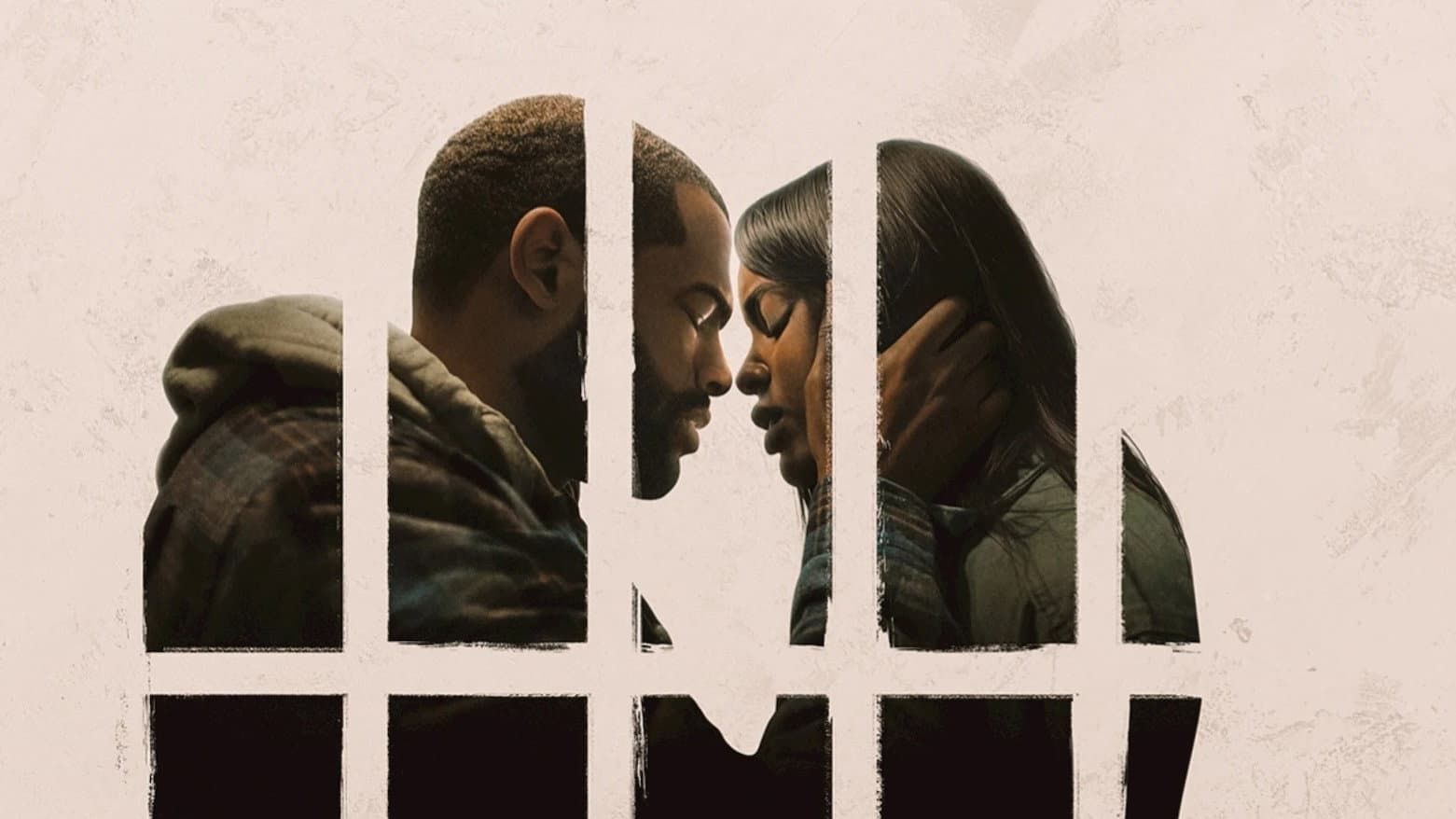
Ramirez, as Ashley, has the harder job. She spends much of her screen time restrained, feral, and largely nonverbal, and yet she never becomes a prop. There is a flicker behind her eyes in the calmer moments - some residual awareness, or maybe just her father’s wishful projection - that gives the film its emotional gravity. The relationship between Joe and Ashley is the movie’s spine, and Ebert wisely keeps cutting back to it, even when the plot would rather push forward.
The supporting cast fills out a world that feels used up and suspicious. Thandiwe McMillan’s Dawn is a wary fellow traveler with her own agenda. Hamid-Reza Benjamin Thompson brings a jittery, unpredictable energy to Wilt. Jarod Brock’s Sal and Sai Piña’s Zack offer brief but memorable turns, while Chase Breithoff, Rob Eubanks, and a handful of others sketch the kind of paranoid, transactional communities that tend to sprout when civilization stops returning calls.
Where Resident Dead stumbles is in its middle stretch. The journey from point A to point B occasionally sags under the weight of its own mechanics. There are chases that feel obligatory, narrow escapes that strain credulity, and a few encounters with the undead that play like filler rather than escalation. The film’s internal logic also gets fuzzy around the edges - how the package works, who is really pulling strings, and why any of it matters beyond Joe’s immediate crisis are questions the script raises more than it answers.
And then there is the box. Without spoiling anything, the film’s final act hinges on what is inside it, and your mileage will depend entirely on how much you buy the reveal. It is a bold swing, one that reframes Joe’s entire ordeal, and it will likely divide audiences. Some will find it a clever subversion of the genre’s usual father-daughter redemption arc. Others will find it a cheat.
The TMDb rating of 5.3 suggests the broader audience has already landed somewhere in the middle - respectful of the attempt, unmoved by the execution. That feels fair, if a little harsh. Resident Dead is not a great film, but it is a sincere one. It has ideas about grief, about the bargains we make with ourselves when the people we love are no longer fully there, and about the difference between protecting someone and imprisoning them. Those ideas do not always land cleanly, but they are there, humming beneath the viscera.
For horror fans who have grown tired of zombie movies that treat the undead as mere targets, Resident Dead offers something a little more haunted. It is a film about a man who cannot let go, told through the language of the genre he is trapped inside. Ebert does not reinvent the wheel. But he does remind you that sometimes the scariest thing in a zombie movie is not the zombie. It is the person still hoping.