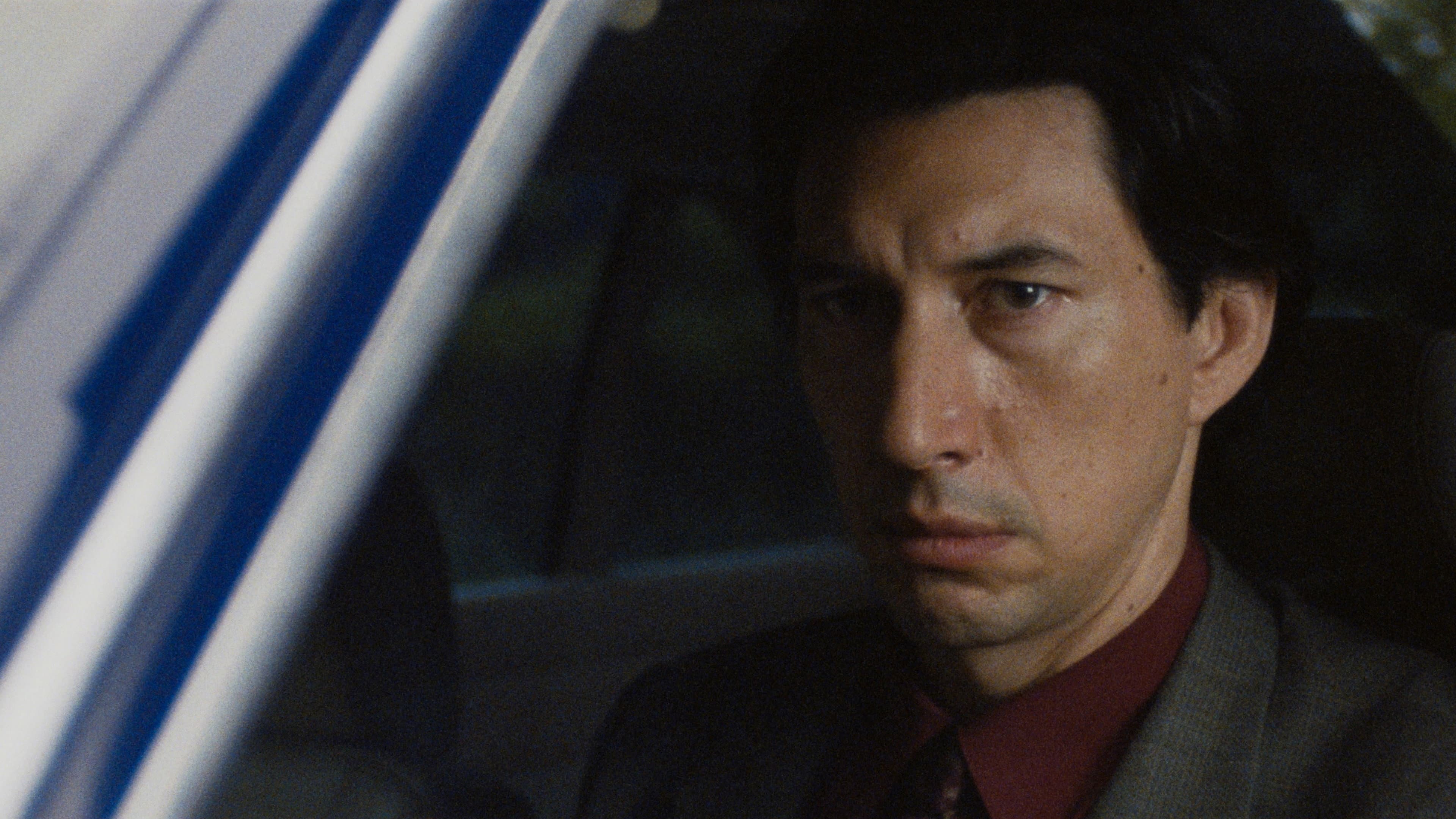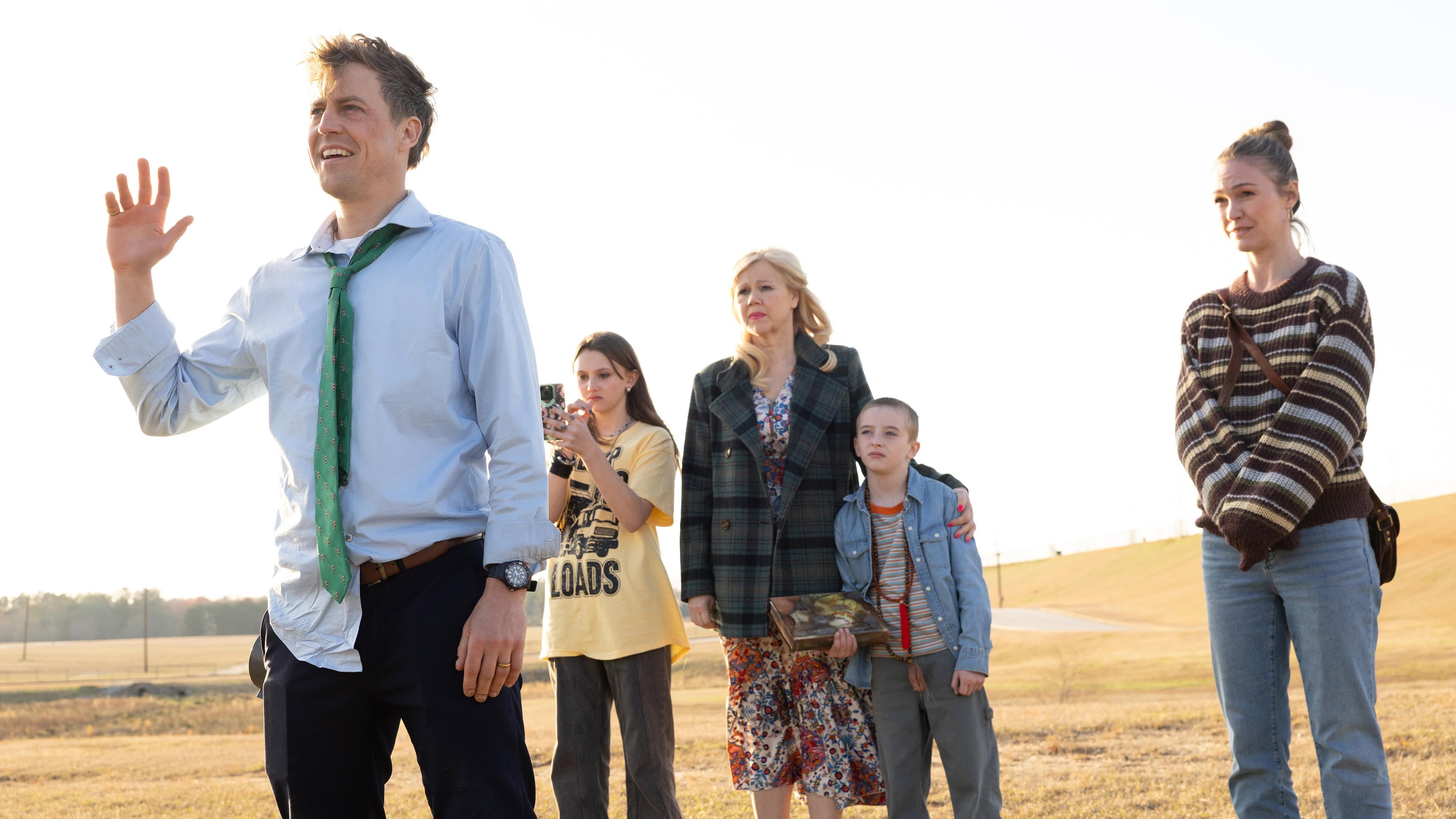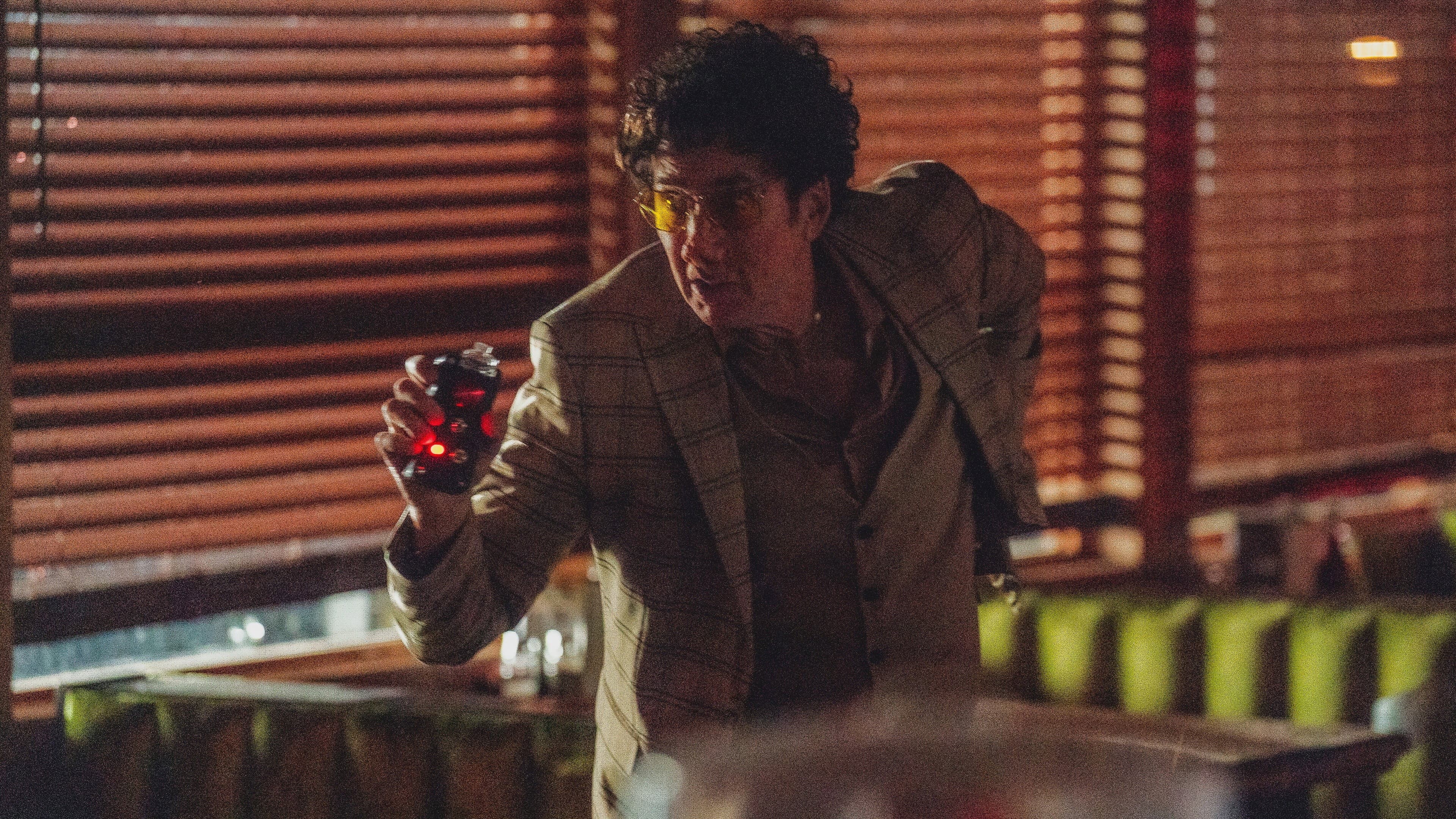
Twenty-four years before Katniss Everdeen volunteered as tribute, a boy with a sharp tongue and a dead father walked into a reaping square in District 12 and sealed his fate. That boy was Haymitch Abernathy, and until now, audiences only knew him as the perpetually drunk mentor who shepherded two tributes to victory and then spent decades trying to keep them alive. The Hunger Games: Sunrise on the Reaping rewrites that assumption entirely. Francis Lawrence returns to direct, and the result is a film that lands on OTT platforms today with a TMDb score of 9.3/10 - a number that suggests fans are not treating this as a nostalgia exercise.
The premise is elegantly simple, and brutal because of it. The story begins on the morning of the reaping for the 50th Hunger Games - the Second Quarter Quell - when Panem's Capitol, in its infinite cruelty, doubled the tribute count. Four children from each district instead of two. Forty-eight kids sent into an arena designed to remind the districts that even their suffering could be multiplied on command. Joseph Zada steps into the role of young Haymitch, a character whose older self was defined by survival and cynicism. Here, he's just a teenager from the Seam with a family name that carries weight and a stubbornness that won't do him any favors in the Capitol.
What makes this entry in the franchise interesting isn't the spectacle - though Lawrence, who directed three of the previous four films, knows exactly how to stage a dystopian set piece - but the texture of the world before Katniss. Mckenna Grace plays Maysilee Donner, a name that will ring faint bells for anyone who remembers Mockingjay. That connection matters. Sunrise on the Reaping is invested in the idea that the Games were never just about one girl from District 12; they were about a system that consumed generations, and about the people who fought back in smaller, quieter ways. Whitney Peak's Lenore Dove Baird, a figure from Haymitch's past, anchors the emotional core of the film in ways that feel both personal and political.
The supporting cast reads like a fever dream of prestige talent. Ralph Fiennes takes on President Coriolanus Snow, and while audiences have seen the character in his younger and older iterations, Fiennes brings a cold, bureaucratic menace that feels distinct. Jesse Plemons appears as Plutarch Heavensbee, a younger version of the gamemaker played by Philip Seymour Hoffman in the original films. Glenn Close is Drusilla Sickle, and Elle Fanning steps into Effie Trinket's impossibly bright shoes. Kieran Culkin as Caesar Flickerman is the kind of casting that could go either way, but the early response suggests he finds something unsettling beneath the talk-show charm. At 159 minutes, the film is the longest in the franchise, and it uses that time to let the arena feel genuinely harrowing rather than merely spectacular.
There is an obvious risk in revisiting a prequel after the original trilogy already achieved something close to definitive. Audiences have grown wary of origin stories that explain too much and illuminate too little. Sunrise on the Reaping avoids the trap by refusing to soften Haymitch. He isn't a hero in waiting; he's a kid who is angry, funny, and overwhelmed, and the film lets him be all three at once. The Second Quarter Quell was always described in the books as uniquely awful, and Lawrence stages it with a grimness that earns the reputation. The supporting tributes, the arena mechanics, the Capitol's performative cruelty - it all lands with more weight than you might expect from a story whose ending, in broad strokes, is already known.
For OTT viewers, this is the rare franchise installment that functions both as a standalone and as a companion piece. If you've never seen a Hunger Games film, you can walk into this one and follow it. If you have, the foreshadowing is everywhere - in Snow's early calculations, in the Games' machinery, in the small gestures of defiance that will eventually become a rebellion. The film isn't interested in fan service for its own sake. It's interested in the cost of survival, and in why Haymitch Abernathy spent the rest of his life trying to save children he could never truly protect.
Sunrise on the Reaping arrives with enormous expectations and, at 9.3/10 from TMDb users, a reception that suggests it has met them. It is a patient, painful, and ultimately hopeful film about a morning that should have been ordinary and wasn't. The sun does rise over Panem. It just doesn't rise kindly.