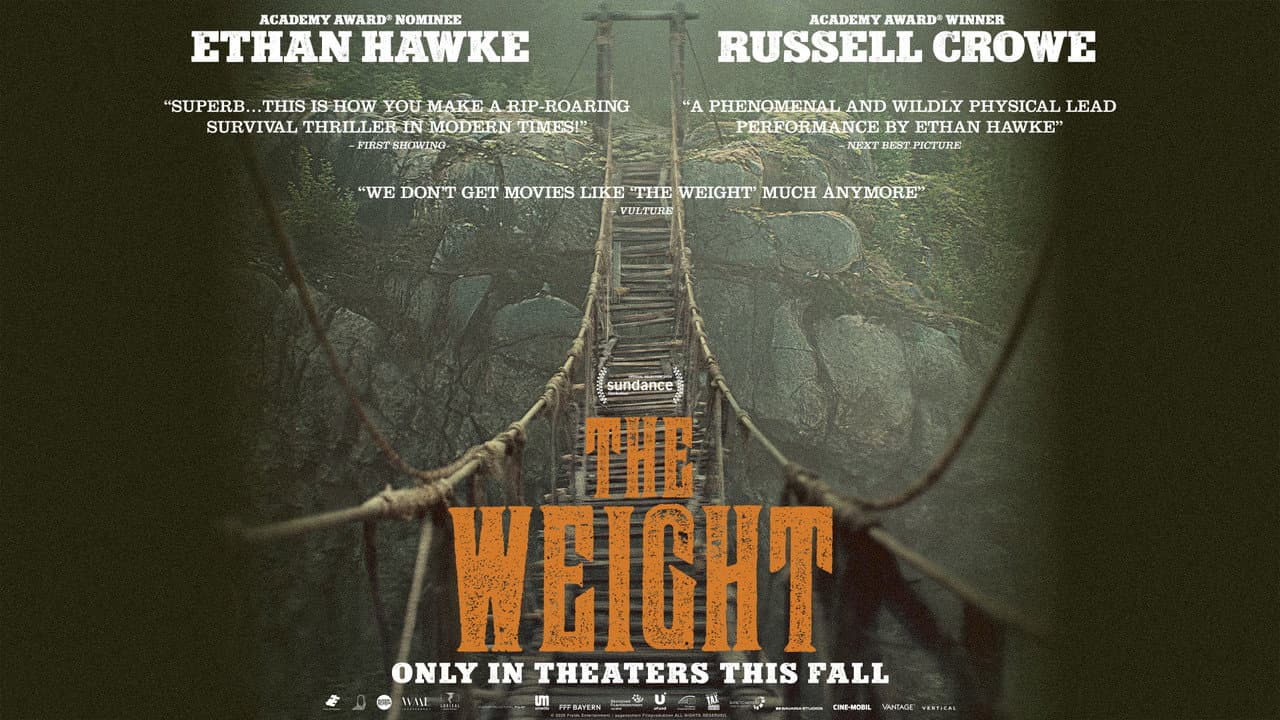
It mostly does. McKinley, working from a script that treats the mine as both literal workplace and metaphorical pressure cooker, directs with a steady, unfussy hand. The underground sequences are genuinely claustrophobic - dirt, sweat, flickering lamps, the constant threat that the rock above will simply decide to end the argument. Cinematographically, the film understands that a mine is a coffin you dig yourself, and it leans into that without overplaying the metaphor.
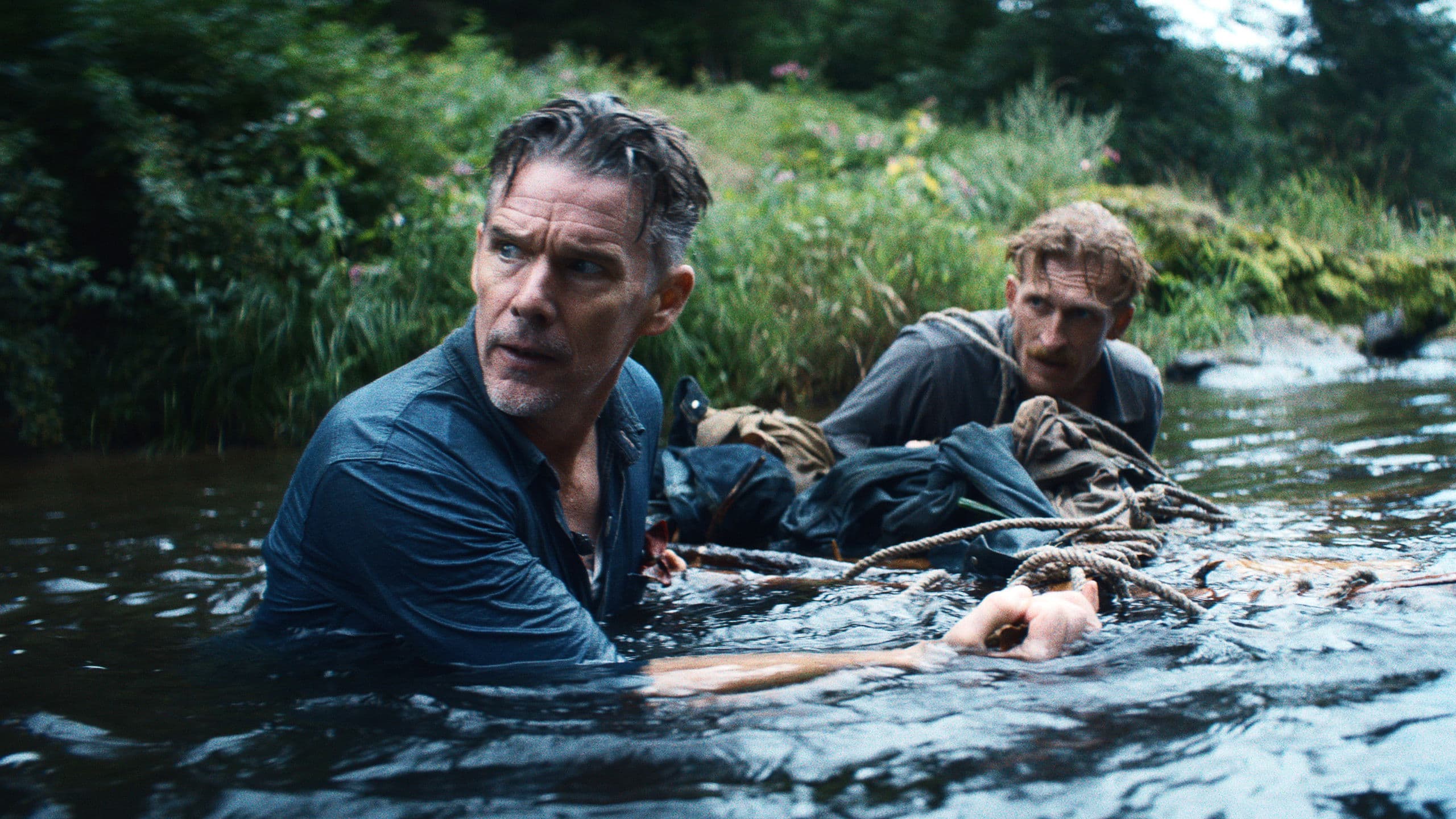
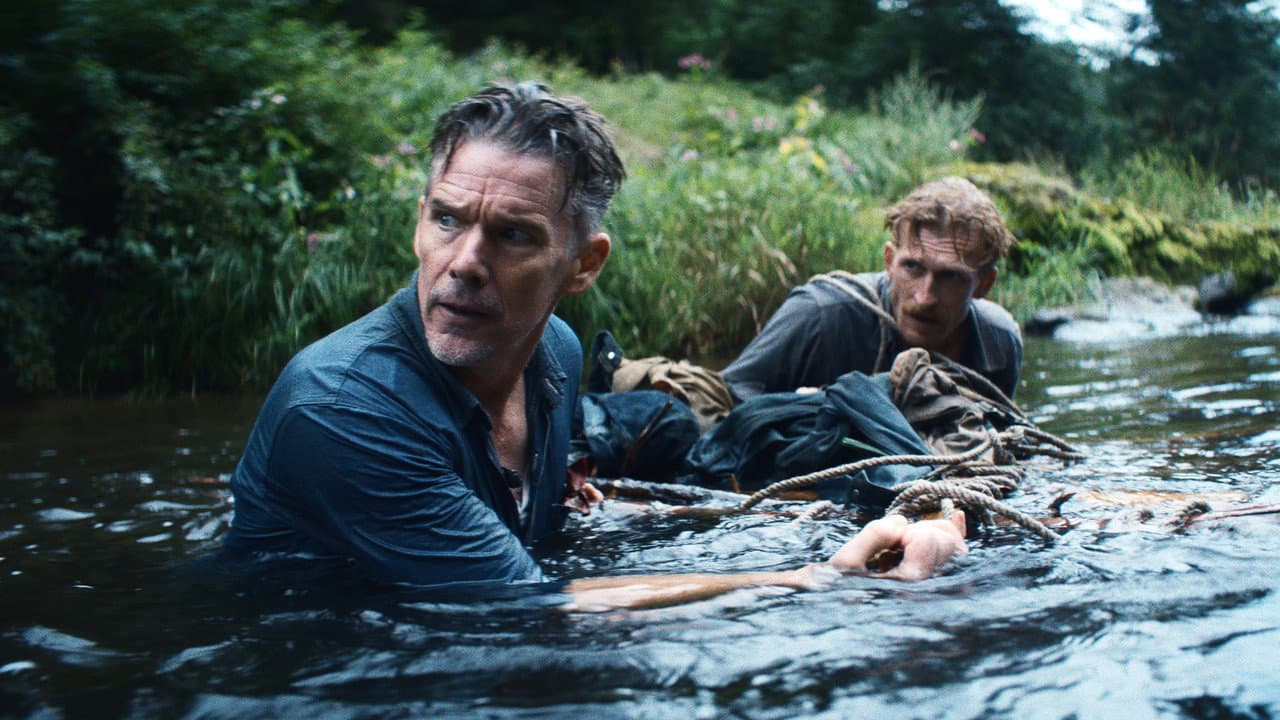
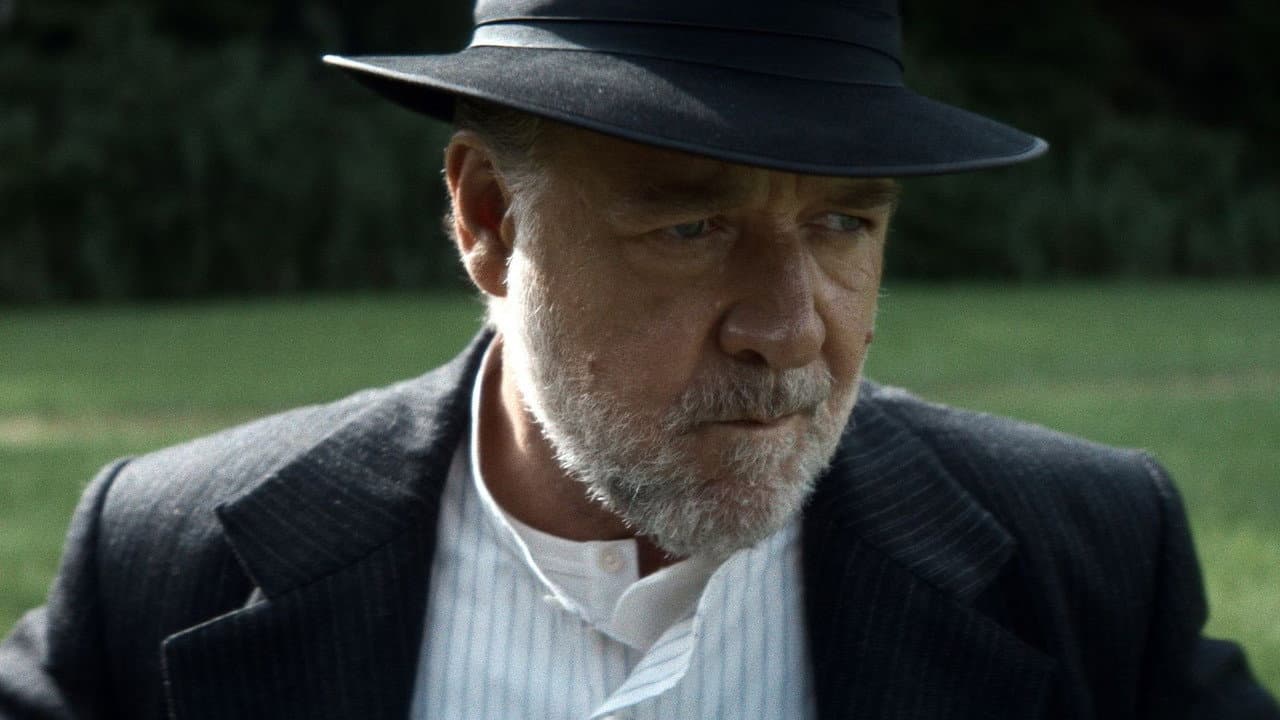
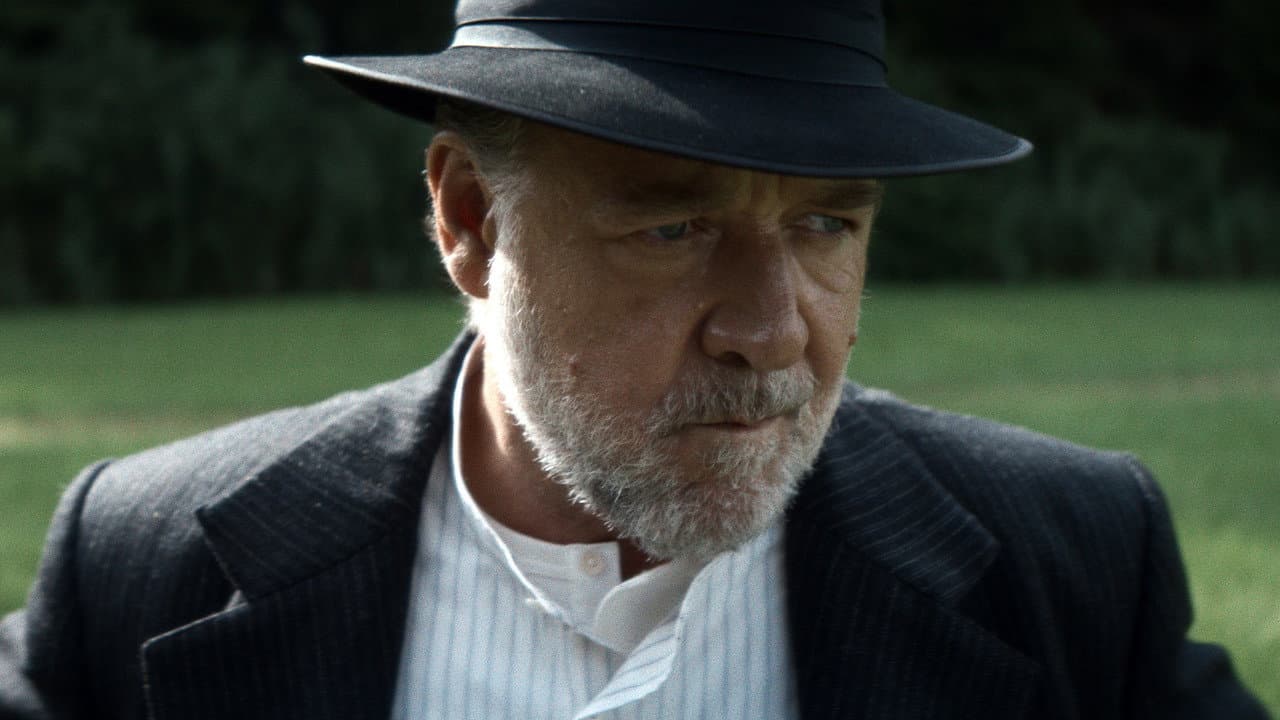
But the movie's engine is its two leads, and here The Weight justifies its existence. Hawke has spent a career playing men worn down to the nerve, and Samuel is another entry in that catalog - quieter than some, more resigned, but with that familiar flicker of paternal steel. Crowe's Clancy is the film's best invention: a warden who never raises his voice because he has never needed to. He speaks to prisoners the way a banker speaks to a bad loan - with patience, and the certainty that time is on his side. The scenes between the two men crackle. They are the reason to buy the ticket.
Where the film stumbles is in the middle stretch, when the crew dynamics take center stage. Amelio's Rankin is a familiar brand of prison-yard menace, and the script never quite finds a fresh angle on his antagonism. Singh and Olson register as sketches rather than people, and the tension between them dissipates the moment the camera leaves the room. Jones's Anna is given too little to do for an actress of her caliber - she is the film's conscience, but the film keeps forgetting to consult her.
The third act escalates efficiently, as these things must, trading psychological pressure for physical peril. It works. It is also, moment to moment, almost entirely predictable. You will call the betrayals, the sacrifice, and the final act of defiance well before they arrive. That is not fatal in a genre picture, but it does keep The Weight from being anything more than a very good version of something you have already seen.
A modest TMDb rating of 6.813 feels about right - a shade generous, perhaps, but it reflects the film's genuine strengths. Nobody is phoning this in. At 112 minutes, it moves. And when it lands its final image, it earns the weight of its title, if not quite the heft of its ambitions.