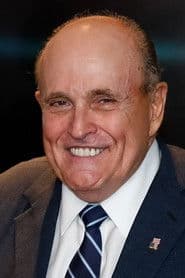
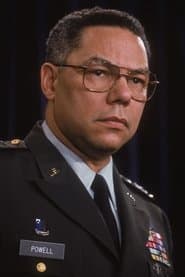
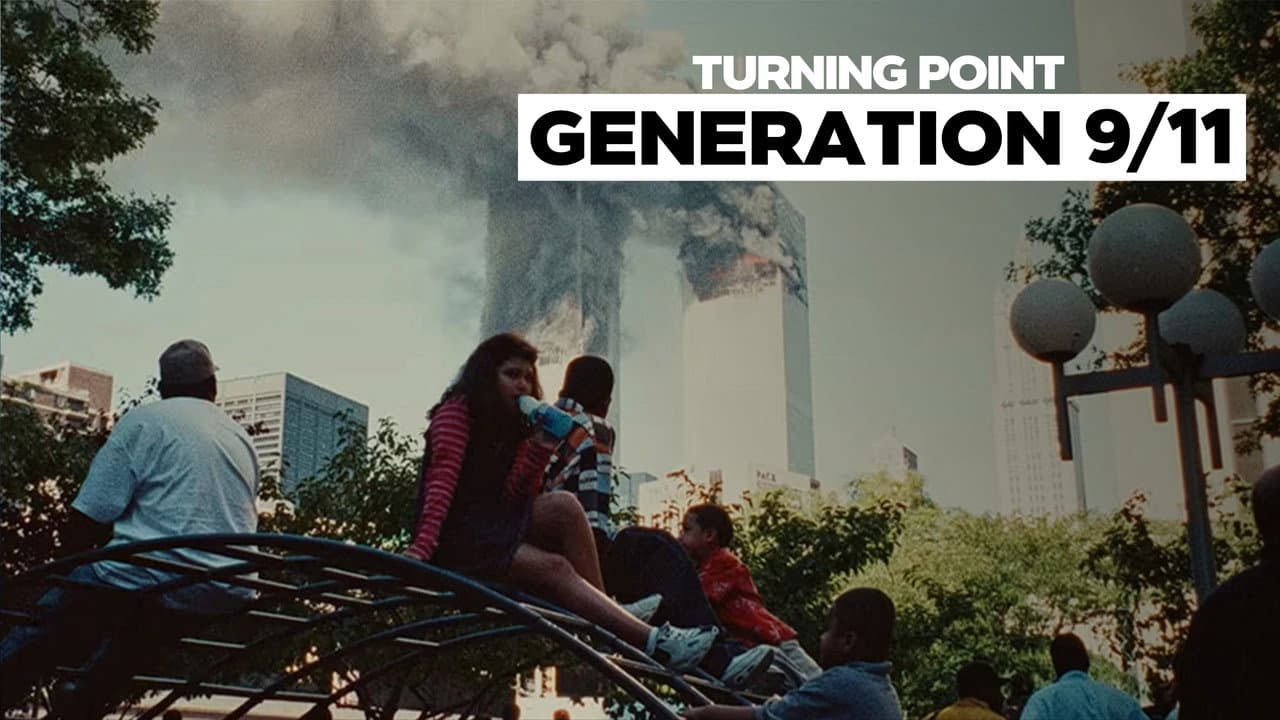
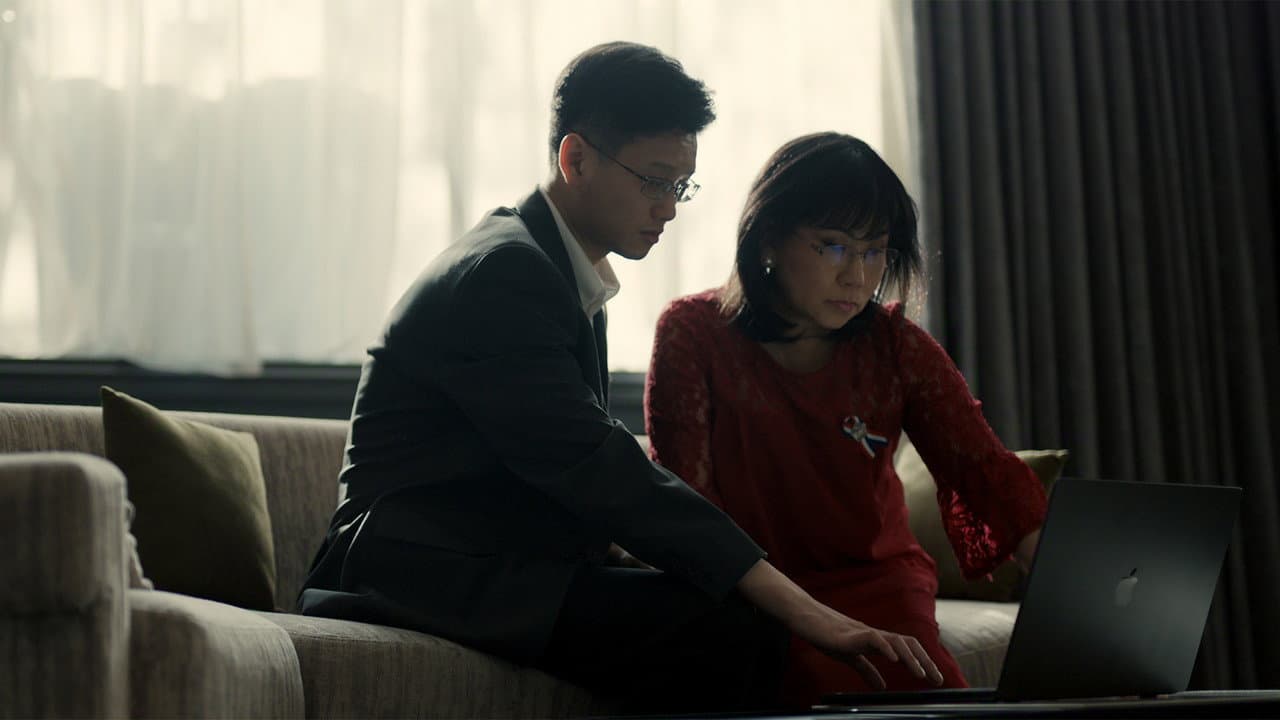
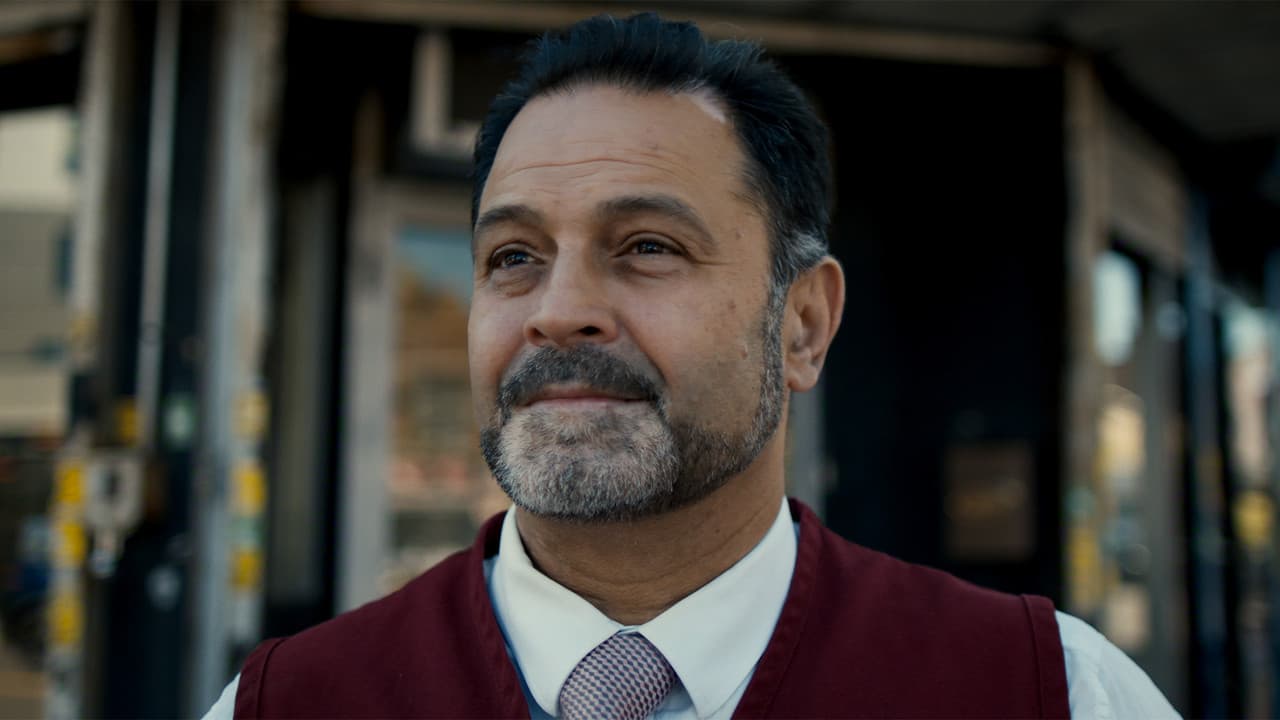
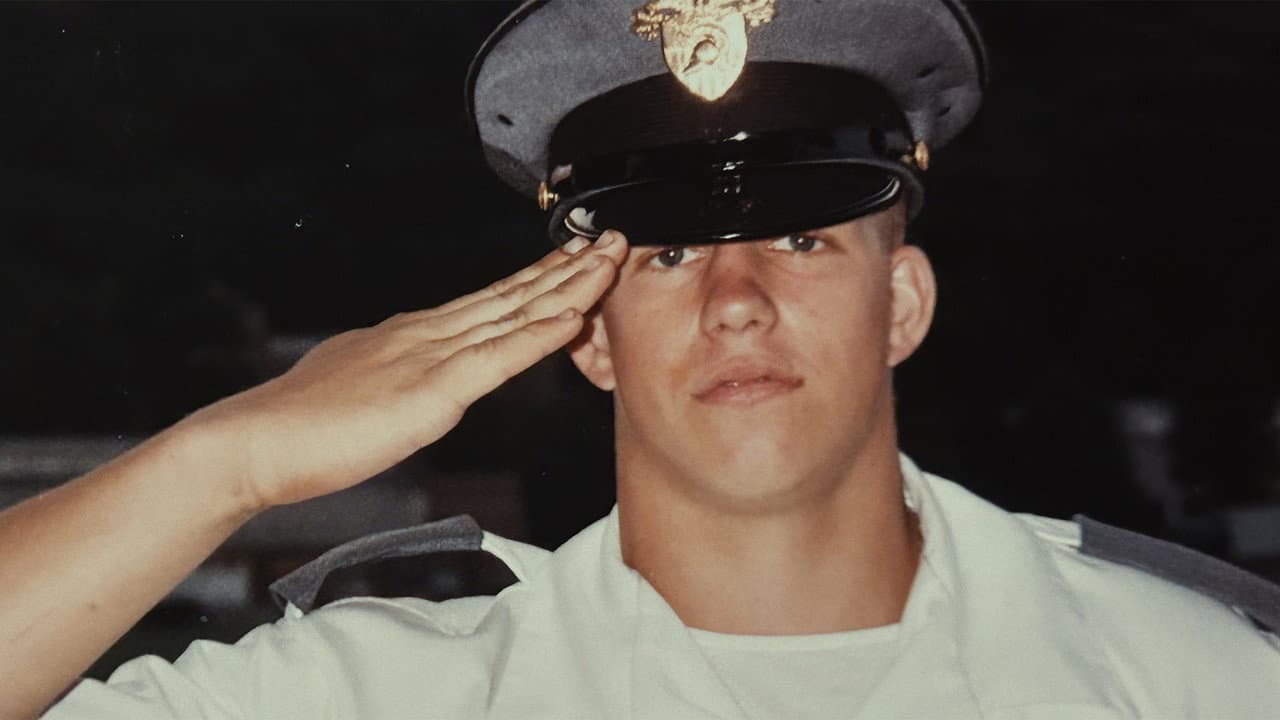
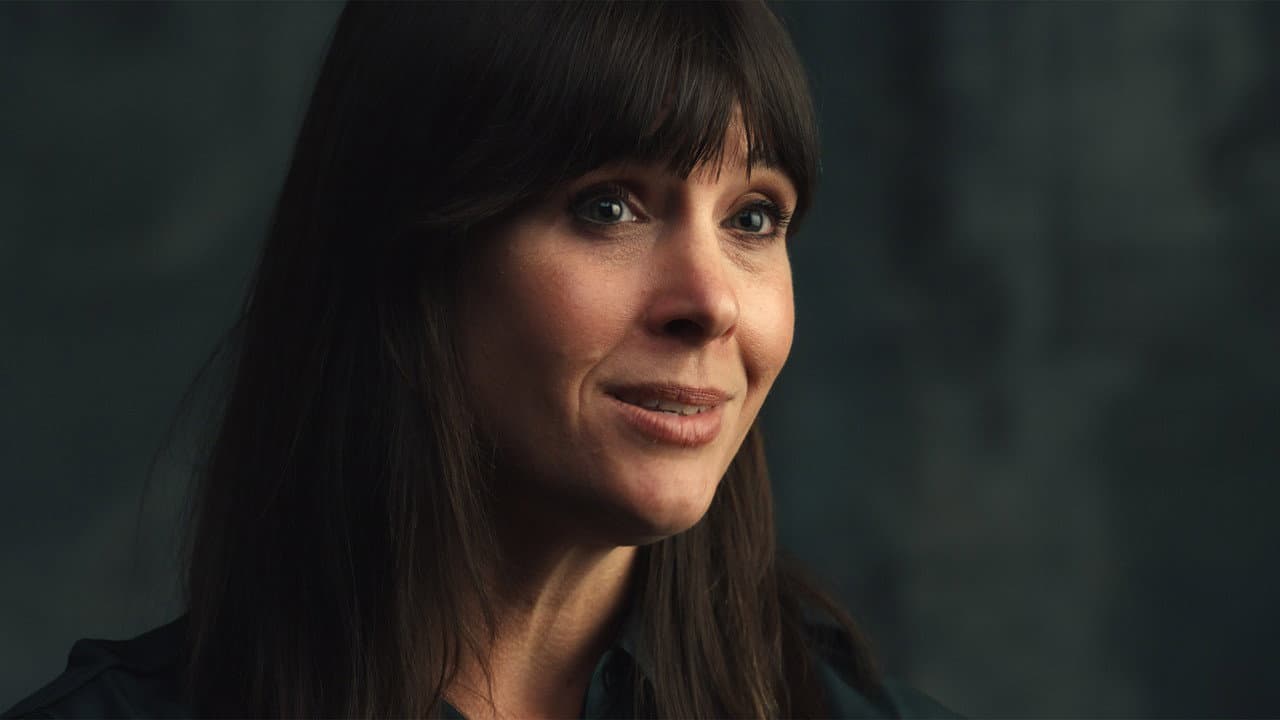
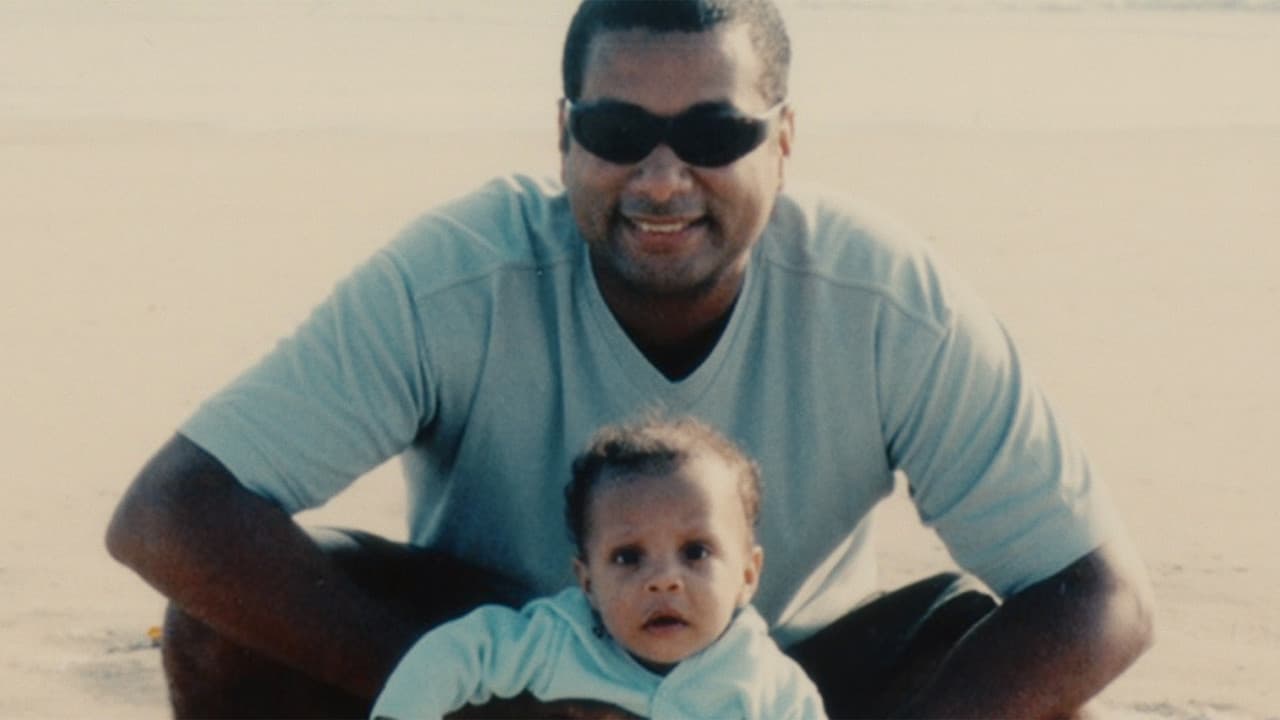
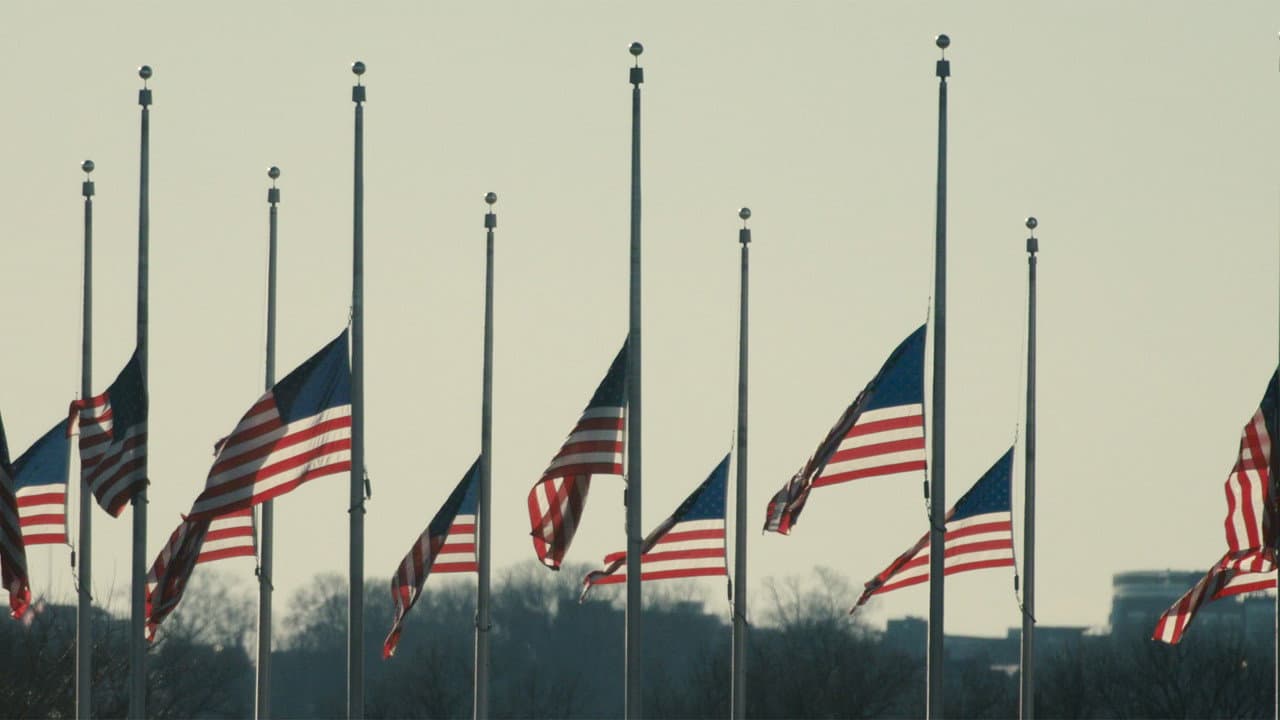
Knappenberger is a careful, unfussy filmmaker, and this material benefits from his restraint. There are no swelling orchestral cues here, no montages engineered to make you cry on schedule. The archive footage - including appearances by George W. Bush and Barack Obama, and, more chillingly, Osama bin Laden, all as Self - is deployed as evidence rather than spectacle. The director understands that the images from that day have calcified into iconography, so he mostly avoids them, preferring the quieter residue: home video, news clips of the years after, and long interviews in which people pause for a beat too long before answering.
The interviewees carry the film. Former Marine Michael Smoak is the most quietly affecting presence, speaking about the withdrawal not with rage but with a kind of exhausted grief that's harder to shake. Jenny Pachucki brings a survivor's specificity to the orphan thread. Historian Garrett M. Graff and counterterrorism scholar Bruce Hoffman provide context without flattening the emotional register, while journalist Anand Gopal - who has spent years reporting on Afghanistan - supplies the sharpest corrective to the "we simply left" narrative that dominated the 2021 coverage.
That said, the film spreads itself thin. With four storylines and a quarter-century to cover, certain threads - particularly the young Afghan perspective - feel like they're only getting a scene or two more than they deserve. There's a version of this documentary that runs three hours and earns its scope; at 99 minutes, it sometimes feels like a well-made trailer for a longer, more searching work. A few transitions land awkwardly, cutting from personal testimony to archival analysis and back again before the audience has settled into either register. It never quite reconciles the intimacy of its interviews with the bigness of its thesis.
What saves it is honesty. This is not a film with a solution, and it doesn't pretend to have one. It isn't interested in relitigating the invasion or scoring points against any administration; its question is smaller and harder - what does it mean to have been young, or born, or orphaned, in the shadow of that day? The answers it gathers are unresolved, contradictory, and much more valuable for it. The held silences do more work than any narration could.