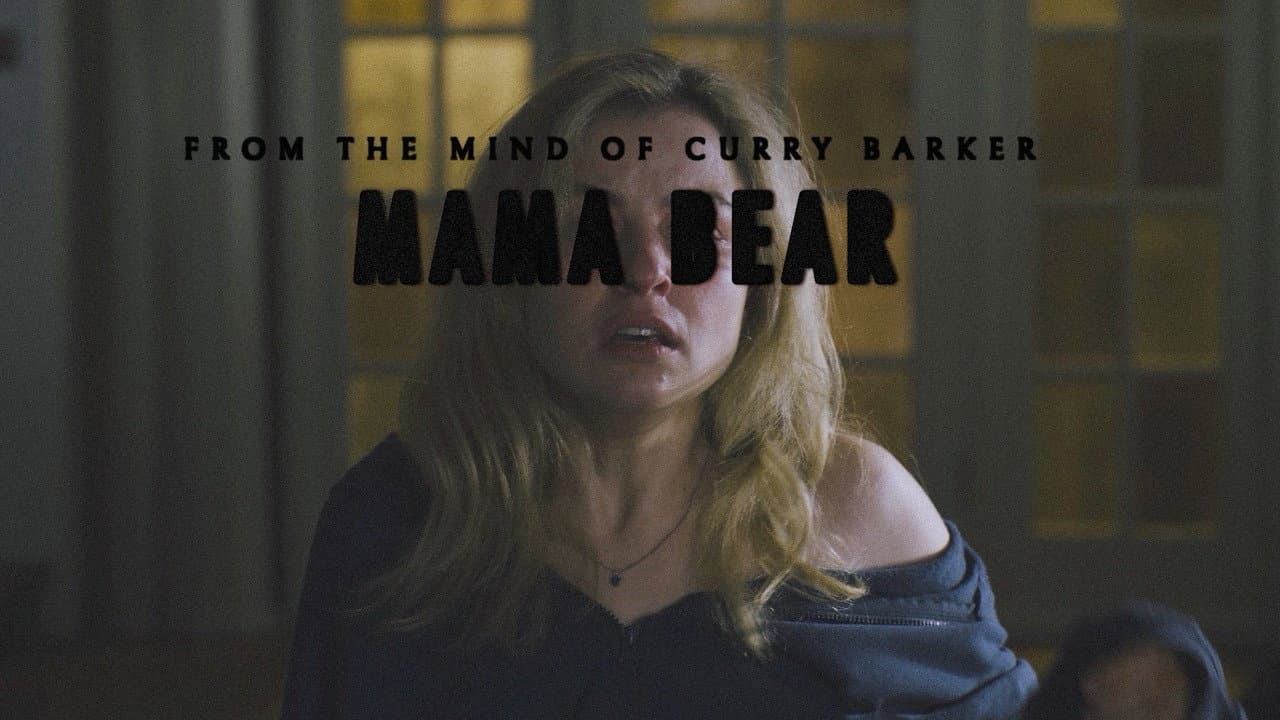
The knives are sharp, the apartment is small, and the dream is rapidly curdling. That’s the central tension simmering beneath the surface of Charlie Harper, director Tom Dean’s new romantic drama that has quietly become one of the most debated films on streaming this month. Since its theatrical debut on September 24, 2026, the film has sparked a curious divide - not just between its characters, but between critics and audiences. With a respectable 7.8/10 on IMDb but a middling 5.3/10 on TMDb, this Hollywood production asks a question that cuts deeper than any chef’s knife: what happens when love is forced to compete with ambition?
The story follows an ambitious chef, Harper, and her struggling partner, Charlie, as they relocate to a new city for a fresh start. It is a familiar premise, but Dean uses it to dissect the stark divide in their drives. Emilia Jones delivers a performance of coiled intensity as Harper, a woman whose passion for the culinary arts borders on the obsessional. Opposite her, Nick Robinson plays Charlie with a weary, heartbreaking vulnerability. He is a man trying to find his footing in a new landscape, only to realize that the ground is shifting beneath him, pulled away by Harper’s relentless ascent.
What makes Charlie Harper more than just another relationship drama is its refusal to assign a villain. The conflict is not born of malice but of mismatched velocities. As Harper’s career begins to catch fire, Charlie’s sense of self dims. The supporting cast - including Nicholas Cirillo as Kevin and Jonathan Gregg as a formidable Chef - orbits the central pair with precision, applying the heat that forces the cracks in their relationship to widen. Jessica Blackmore and Virginia Tucker provide grounding presences in a narrative that often feels like it’s holding its breath, waiting for the inevitable explosion.
Director Tom Dean, working from a script that favors quiet devastation over loud arguments, frames the city as a character in its own right. The cramped kitchens and echoing, empty apartments become a pressure cooker for the couple’s emotional state. At 102 minutes, the film moves with a deliberate, sometimes languid pace, allowing the audience to marinate in the discomfort of two people realizing they want different things. It is a study in silences - the unspoken resentments that pile up like unwashed dishes in the sink.
The performances are the film’s undeniable anchor. Jones brings a fierce, almost unlikeable edge to Harper, refusing to soften her ambition for the sake of likability. Robinson, meanwhile, does some of his best work in the margins, playing a man whose support for his partner slowly transforms into a quiet, corrosive envy. Their chemistry is not always lovely - it isn’t meant to be - but it is undeniably real, a portrait of a partnership stretched to its breaking point. “Charlie Harper” resonates because it understands that love, much like a fine dining dish, requires the right ingredients and precise timing. When one element is off - or when one person is cooking at a different temperature - the entire creation risks falling apart.
The disparity in the film’s ratings is telling. IMDb’s higher score suggests a connection with viewers who appreciate the film’s unsentimental honesty about careerism and love, while TMDb’s lower rating points to a broader audience perhaps expecting a more traditional romantic arc. Charlie Harper does not offer easy resolutions or sweeping gestures. It offers a mirror. And sometimes, that mirror is uncomfortable to look at.
In a streaming landscape crowded with high-concept spectacles and formulaic romances, Charlie Harper is a reminder that the most thrilling drama often happens in the space between two people. It is a film about the price of passion and the cost of compromise, served with a side of quiet despair. As the end credits roll, you’re left with a lingering question: can you share a life with someone whose fire burns at a different intensity than your own? Dean doesn’t offer an answer. He just turns up the heat and lets it simmer.