Doves (Loss of Love & Desensitization) - Arslan Deura Film
Some films arrive with a marketing blitz, a thousand interviews, and a budget that could feed a small nation. Others simply appear, quiet and insistent, like a half-remembered melody you can’t shake. Doves (Loss of Love and Desensitization of Grief) is decidedly the latter. Clocking in at a mere three minutes, this experimental short from Arslan Deura feels less like a traditional movie and more like a confession whispered directly into the viewer’s ear. It’s a film that doesn’t ask for your attention; it demands your empathy, and it does so with a brevity that feels almost cruel. In August 2026, as we scroll past endless content, this tiny, aching piece of cinema might just stop you dead in your tracks.
Release Date & Where to Watch
The film’s official release date remains frustratingly nebulous - the metadata is scant, a reflection of its deeply independent nature. However, given today's date of August 8, 2026, the film is currently making the rounds on OTT Stories, the platform’s dedicated space for short-form, experimental, and boundary-pushing narratives. This isn’t the kind of project you’ll find buried in a major streaming service’s algorithm; it’s the hidden gem you stumble upon in a curated sidebar, or the one that pops up after a deep-dive into the “Emerging Voices” category. If you’re looking for it, start there. It’s precisely the sort of intimate, self-contained work that OTT Stories was designed to champion - a bite-sized piece of art that doesn’t overstay its welcome but lingers far longer than its runtime suggests. Keep an eye on the platform’s new releases and indie showcases; it’s a film that rewards the patient and the curious.
Cast & Crew
There’s no star-studded ensemble here, no recognizable faces to market alongside the titular concept. The entire weight of Doves rests on the shoulders of one man: Arslan Deura, who serves as both the director and the sole performer, literally voicing his own struggles. This is a singular vision in the truest sense. There’s an almost terrifying vulnerability in putting yourself so fully on screen - no character to hide behind, no narrative safety net. Deura isn’t acting; he’s testifying. The rest of the production credits are largely unknown, which feels fitting. This isn’t a product of committee; it’s the work of a person trying to make sense of the noise in his head through the only language he knows - images and sound. In a cinematic landscape obsessed with huge ensemble casts and CGI armies, there’s a radical intimacy in a single person, a camera, and an honest voice. The average rating of 0/10 from TMDb is less a dismissal and more a testament to its obscurity; this is a film that hasn’t been discovered by the masses yet. And when it is, those three minutes will feel like a gift.
Story & What to Expect
What can you say about a film that is only three minutes long? As the subtitle suggests, this is a meditation on the strange duality of love - how effortlessly it can be acquired and, with equal ease, dismantled. The overview mentions Arslan Deura voicing his own struggles, and that’s the crux of it. This isn’t a plot-driven affair with a three-act structure and a satisfying climax. Instead, expect a poetic, almost confessional monologue. The title, Doves, is telling - a bird that is a universal symbol of peace, love, and purity, yet here, it becomes a metaphor for the fragility of those very ideals. Deura weaves together themes of love, grief, loneliness, and religion, not as abstract concepts, but as felt experiences. He’s likely exploring the moments after love is lost - the hollow silence where prayers used to be, the desensitization that comes when sorrow becomes a constant companion rather than an occasional visitor.
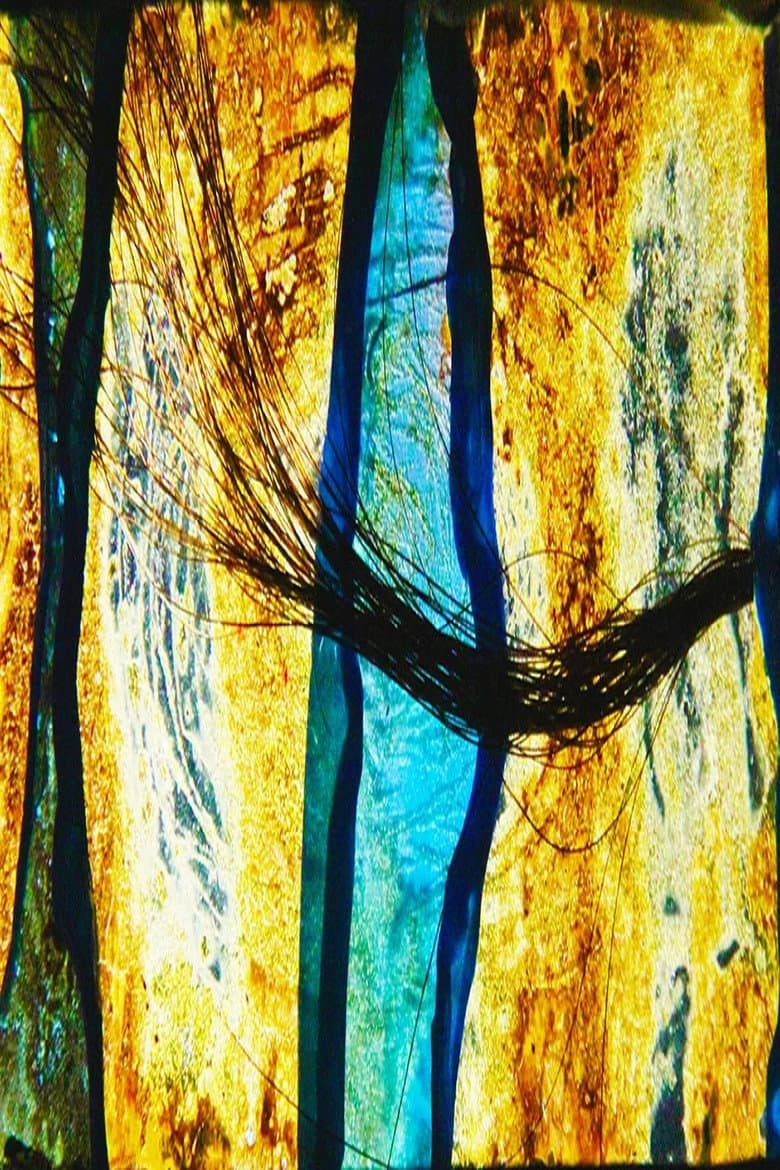
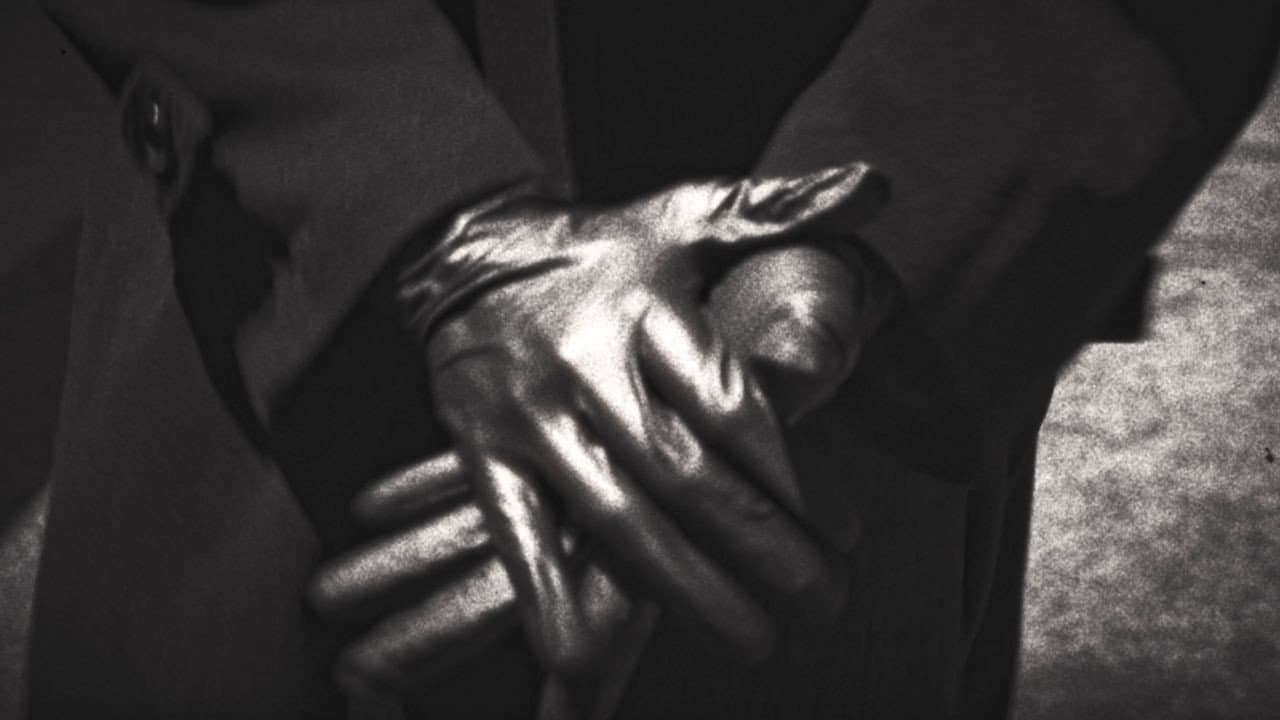
This is experimental cinema, so expect unconventional editing, stark imagery, and a soundscape that prioritizes mood over continuity. It’s a film that operates on feeling rather than narrative logic. The director’s voice - presumably layered, perhaps distorted, likely trembling - is the primary vehicle. The three-minute runtime isn’t a constraint but a concentrated dose. It’s the cinematic equivalent of a single, gut-wrenching stanza of poetry. It will not explain itself to you. It will present a feeling - raw, unfiltered, and unresolved - and trust that you, the viewer, have enough life experience to fill in the gaps. It’s about the way grief can be so heavy that it becomes numb, the way you can sit in a room full of people and feel entirely alone, and the way that a loss of love can shake the very foundations of your faith.
Why It's Worth Watching
In an era where films often stretch to three hours to justify their existence, a three-minute film that leaves you breathless is a radical act. Doves isn’t worth watching for entertainment; it’s worth watching for the experience. It’s a masterclass in economical storytelling, proving that you don’t need a massive budget or a lengthy runtime to create something deeply affecting. For anyone who has ever loved and lost, who has questioned their place in the universe, or who has felt the slow, creeping numbness that follows profound sorrow, this will resonate on a cellular level. It’s a mirror held up to the darkest, quietest corners of the human heart.
You won’t be entertained, but you may very well be moved. You might watch it, sit in silence for a few moments, and then watch it again. There’s a catharsis in seeing someone else articulate the pain you couldn’t find words for. Deura has made a tiny, brave film that eschews cinematic grandiosity for brutal, personal honesty. It’s a reminder that cinema, at its core, is about connection - a single voice reaching across the void to find another. Doves is a whisper, but in the deafening noise of our content-saturated world, it’s a whisper that demands to be heard. Don’t scroll past it. Give it your three minutes. They may stay with you for a very long time.